California Foothills with San Gabriel Mountains in the Distance — History & Facts
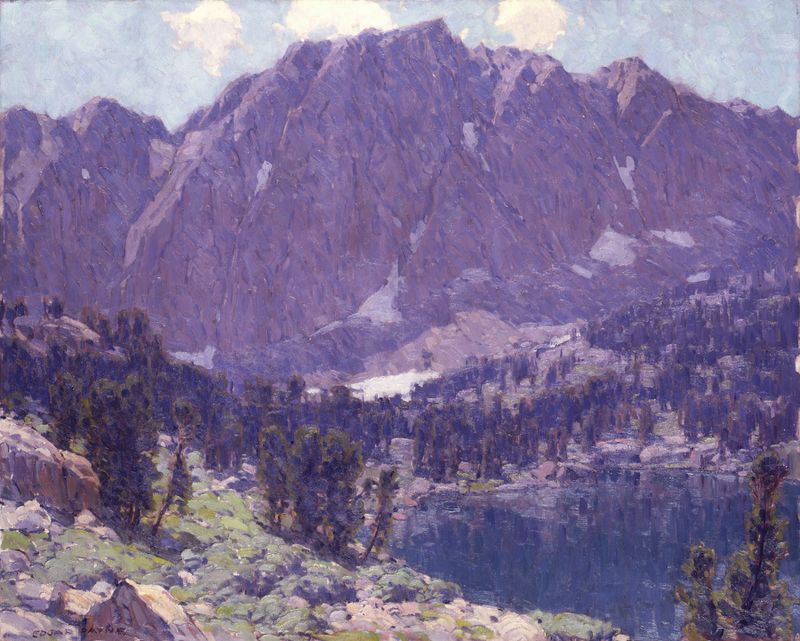
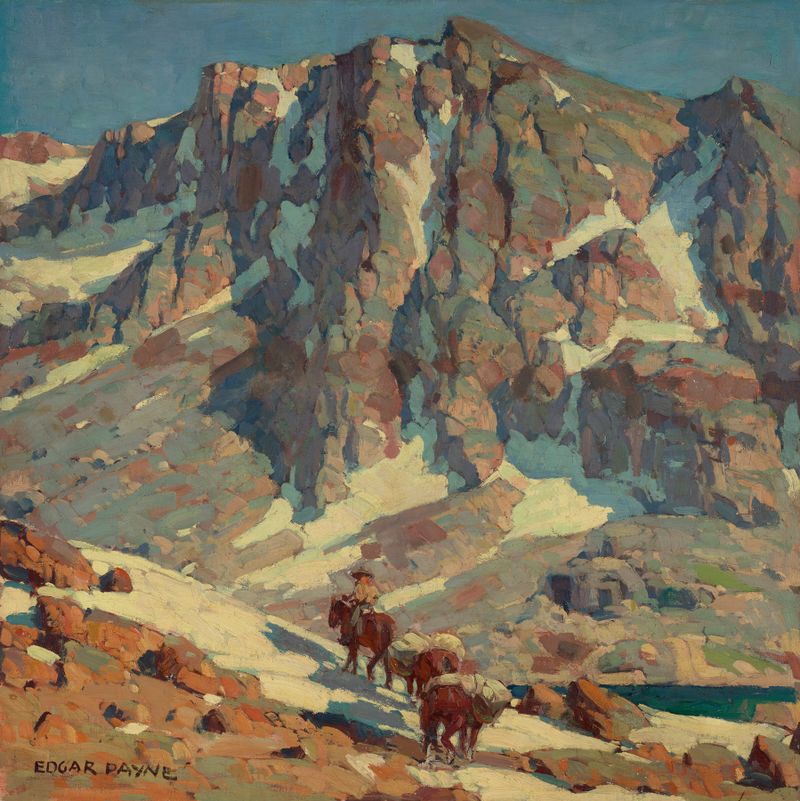
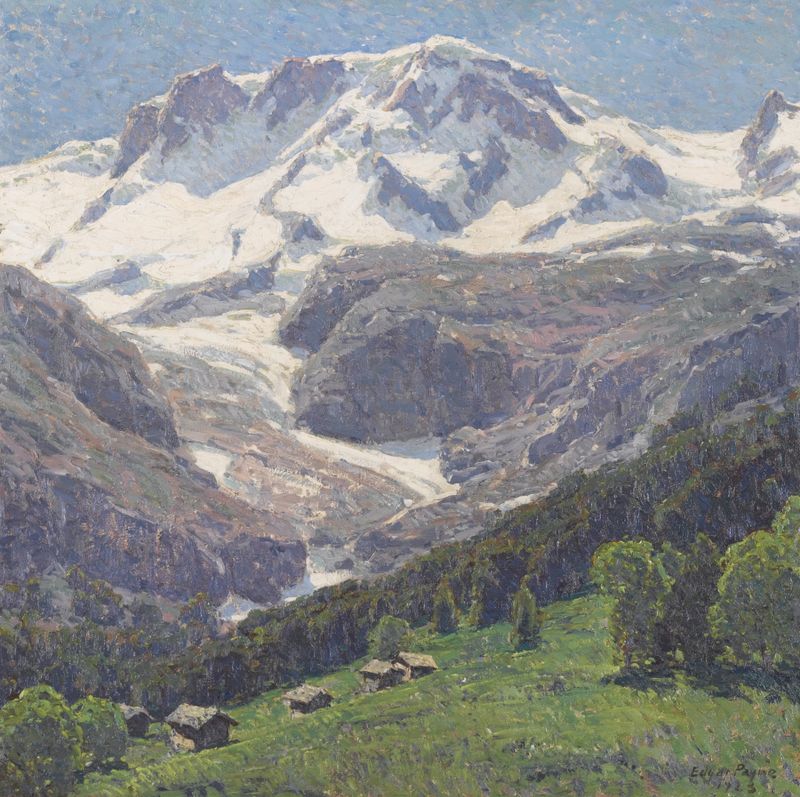
When did color learn to lie? In a world painted with the strokes of yearning, hope emerges like sunlight piercing through a storm. Look to the left, where deep greens of the foothills rise majestically against the azure sky. Notice how the gentle brushwork creates a textural contrast between the rugged terrain and the smooth expanse of heaven. The San Gabriel Mountains loom in the distance, their soft purples and grays inviting contemplation and emotional resonance.
Every color speaks, each hue a whisper of the natural beauty found in California's embrace. Yet, beneath this tranquil surface lies an interplay of opposites. The vibrant foreground evokes warmth and vitality, while the cooler tones of the mountains introduce a sense of distance and yearning. This duality mirrors the human experience—caught between the immediacy of life and the distant dreams that beckon us forward.
Payne captures this tension masterfully, where each stroke contains a pulse of hope, inviting viewers to explore their own aspirations against the backdrop of nature's grandeur. During this period, Edgar Alwin Payne was immersed in the California landscape and its splendor, exploring his evolving vision as part of the American Impressionist movement. Working in the early 20th century, he embraced the bright California light and its effects on the environment, reflecting a broader cultural fascination with the West and its promise. This painting embodies that spirit, representing both the beauty of the natural world and the aspirations of a generation seeking to redefine art and identity.