The High Alps — History & Facts
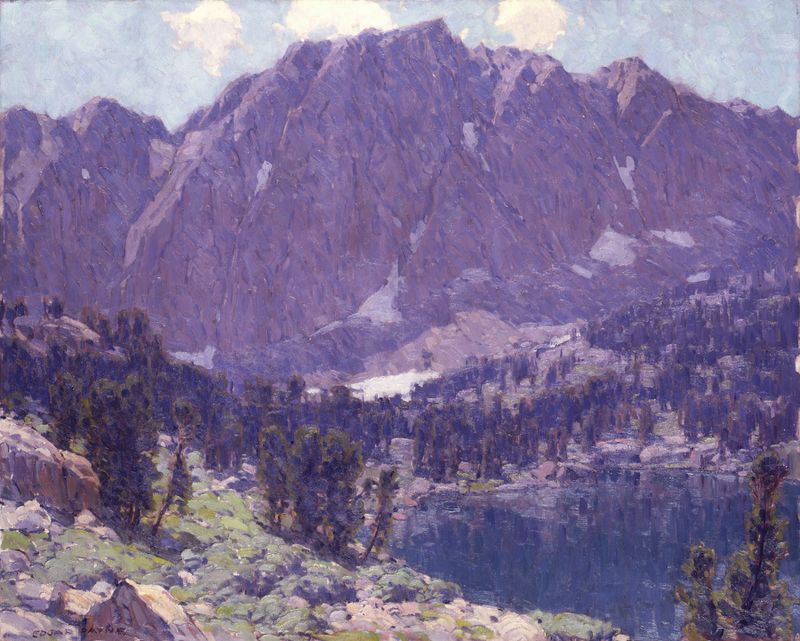
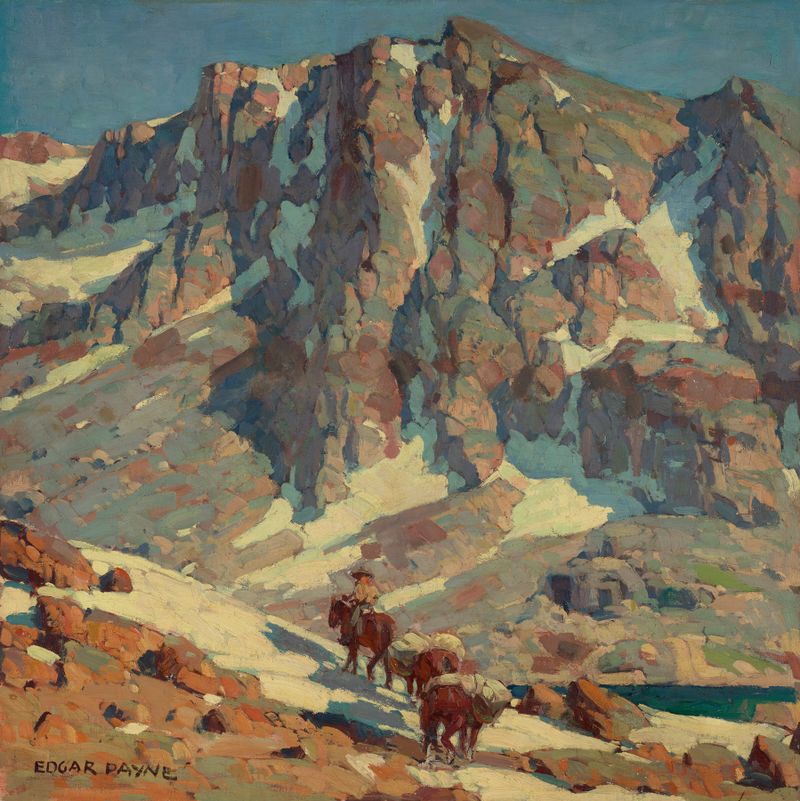
Is this a mirror — or a memory? In The High Alps, a landscape emerges, both ethereal and daunting, inviting the viewer to reflect on the profound desire to escape into nature's embrace. Focus on the sweeping expanse of snow-capped peaks that dominate the canvas, drawing your gaze upward. The artist masterfully captures the interplay of light and shadow, allowing the sun's warm rays to dance across the icy surfaces, creating a shimmering effect that invokes a sense of awe. The deep blues and stark whites contrast sharply with touches of earthy greens, suggesting not just a location, but an emotional landscape, teeming with possibility. Delve deeper into the scene, where the juxtaposition of the rugged mountains and their serene beauty evokes a longing for adventure and solitude.
The layers of texture in the brushstrokes speak to the artist's yearning for connection with the natural world, while the vastness of the sky amplifies feelings of both isolation and liberation. Each element in this composition acts as a whisper of desire — not just for the mountains themselves, but for the freedom they symbolize. Created in 1923, during a time when Payne was deeply immersed in the California landscape and painting the American West, The High Alps reflects his journey through both artistic and personal realms. Having traveled to Europe, he was influenced by the grandeur of the Alps, yet remained rooted in the artistic exploration of his own surroundings.
This period marked a pivotal moment in his career, as he sought not only to represent the beauty of the world but to infuse it with his own spirited longing.