
Calvary — History & Facts
In a world awash with the hues of memory and emotion, color becomes a vessel, carrying the weight of human experience. Focus on the rich palette that envelops this work, where deep reds and somber blacks command attention, infusing the composition with a palpable tension. The brushstrokes dance across the canvas, leading your gaze from the foreground to the shadowy figures in the distance. Notice how the warm glow of ochre illuminates the central cross, creating a stark contrast against the somber background.
This interplay of light and shadow is masterfully orchestrated, drawing out a sense of solemnity and reverence that invites contemplation. Beneath the surface, threads of despair and hope intertwine within each brushstroke. The heavy sky looms, yet the vibrant colors convey a flicker of resilience amid suffering. The figures, though mournful, hint at a collective memory, embodying the struggles of humanity through the ages.
Each color choice serves not just to adorn but to articulate the profound emotional landscape of loss and redemption, echoing questions of faith and sacrifice. In 1928, Weiss painted this piece during a time of personal upheaval and societal reflection in Poland. The post-World War I landscape was marked by political change and artistic exploration, as artists sought to redefine their identities through their work. The blend of tradition and modernity in Calvary reflects this duality, capturing the essence of an artist grappling with the weight of history while forging a path forward.
More Artworks by Wojciech Weiss
Browse all →
Kraków w oddali II
Wojciech Weiss
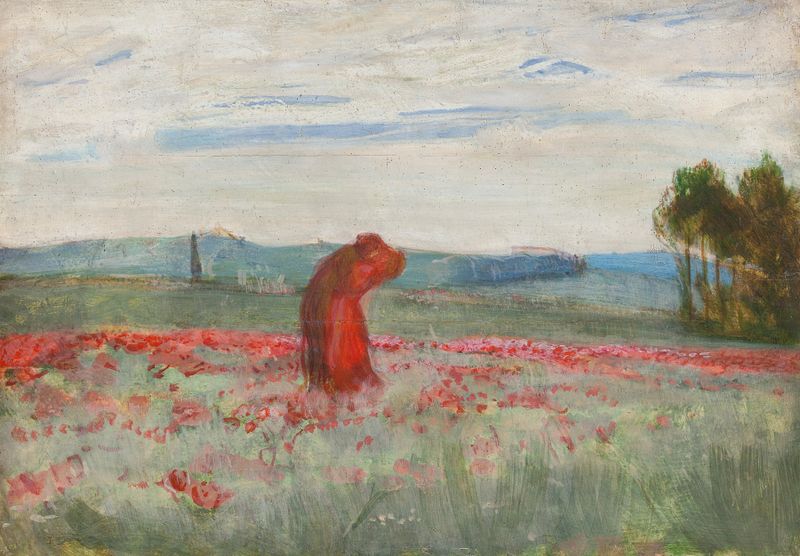
Pocałunek wśród maków
Wojciech Weiss
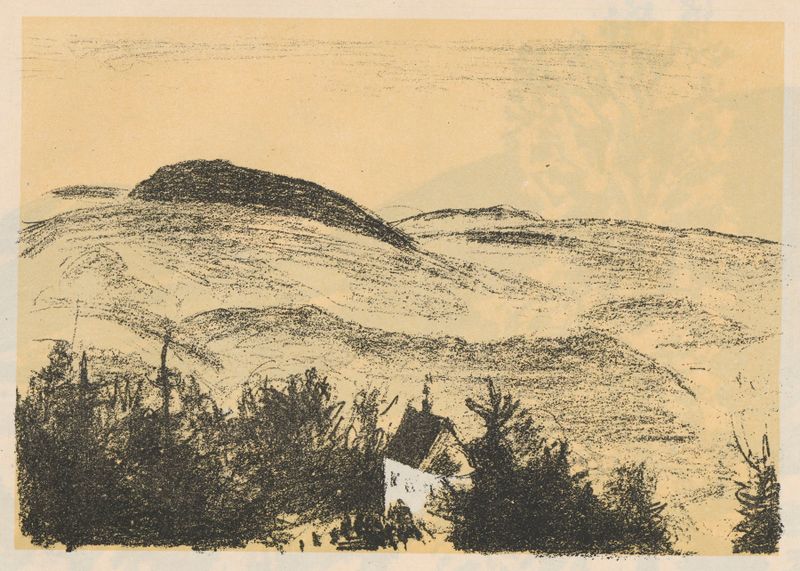
Kalwaria
Wojciech Weiss

Landscape with Trees
Wojciech Weiss
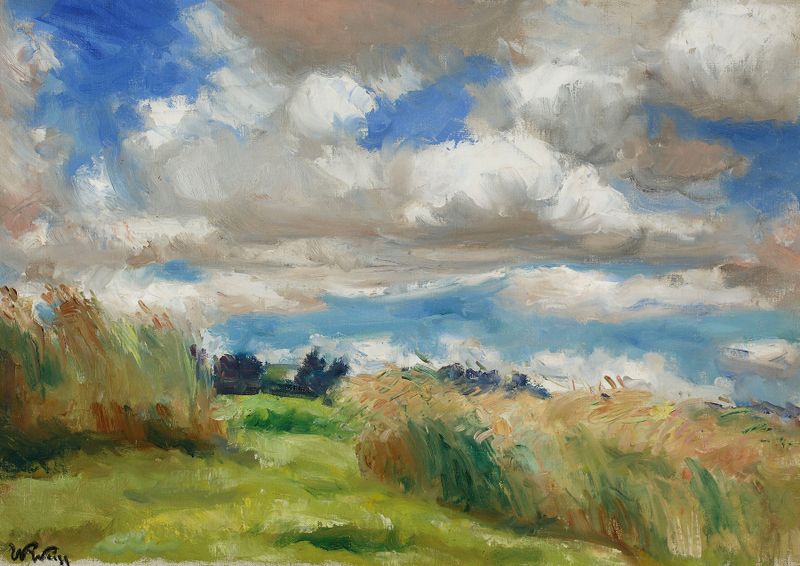
Landscape of Kalwaria Zebrzydowska
Wojciech Weiss

Apple-Trees
Wojciech Weiss
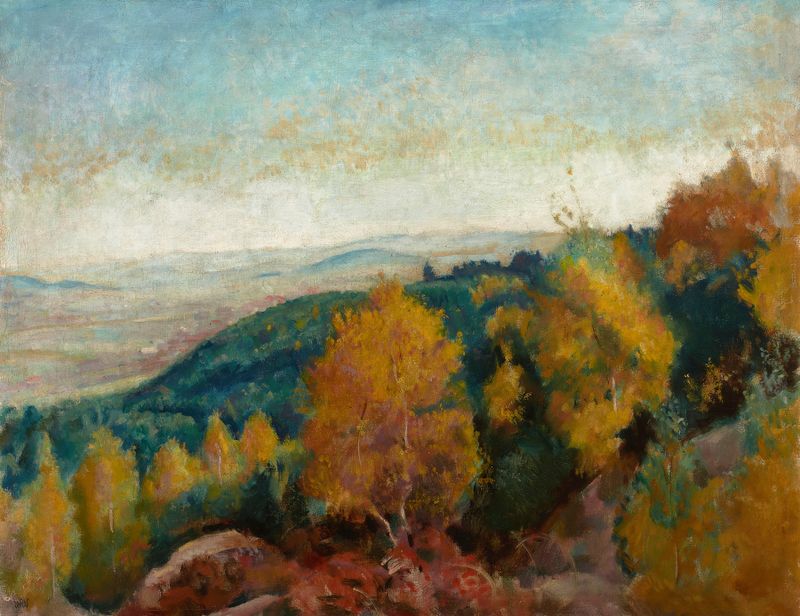
Autumn Landscape – Environs of Kalwaria Zebrzydowska
Wojciech Weiss

In the garden
Wojciech Weiss

Landscape with hollyhocks
Wojciech Weiss
Trees
Wojciech Weiss
More Religious Art
Browse all →
The Return of the Prodigal Son
Rembrandt van Rijn

The Garden of Earthly Delights
El Bosco

Count Orgaz’ funeral
El Greco

The Hundred Guilder Print: the central piece with Christ preaching, the plate arched
Rembrandt van Rijn

The Descent from the Cross
Rogier van der Weyden

The return of the prodigal son
Rembrandt van Rijn