
Apple-Trees — History & Facts
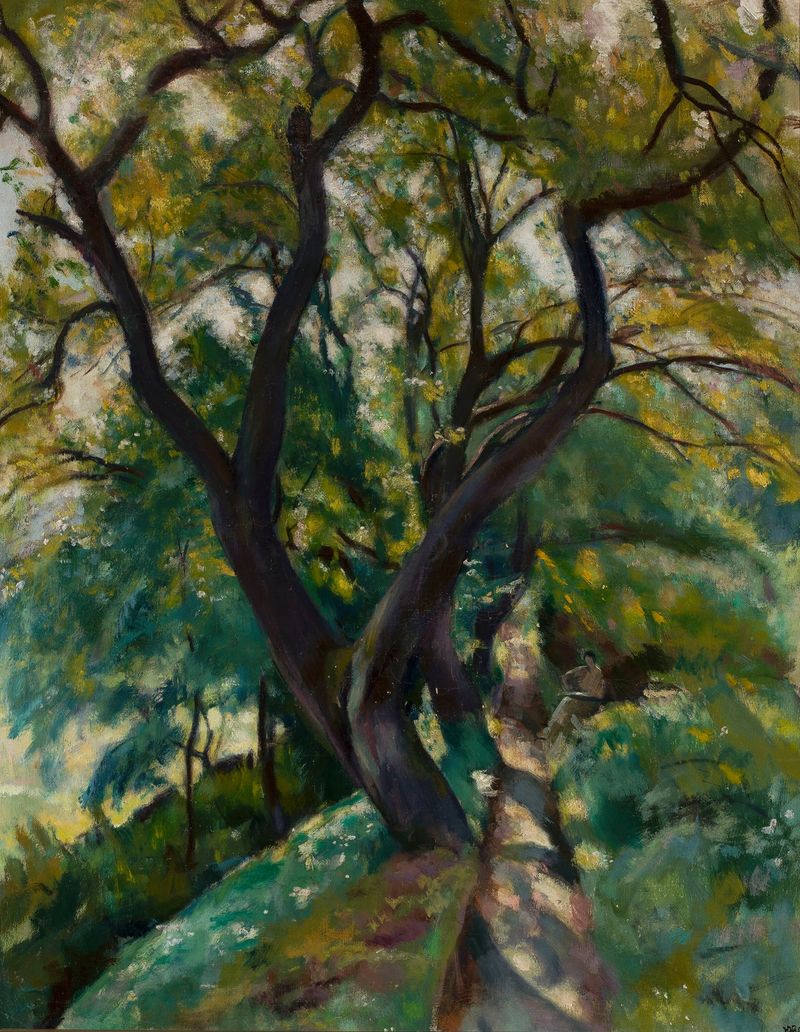
In a world replete with tumult, how can one find solace in the void? Focus on the intricate layers of vibrant greens and earthy browns that envelop the canvas. Notice how the strokes dance in a rhythmic embrace, creating an ethereal tension between the fruit-laden branches and the quiet, almost haunting background. The interplay of light and shadow imbues the scene with a sense of depth, drawing you deeper into the foliage where life flourishes, yet remains fleeting. There exists a profound contrast here—the vibrant vitality of the apple trees against a subtle sense of absence.
The fruits, so ripe and full of promise, symbolize abundance, while the understated background evokes an air of melancholy. Each brushstroke conveys a whisper of ephemeral beauty, urging viewers to reflect on the transience of nature and our own lives. The artwork embodies a delicate balance between celebration and void, inviting contemplation of the spaces between joy and sorrow. During 1916, Weiss painted this piece amidst a world gripped by war, reflecting a longing for peace and stability.
Living in Poland, he was influenced by the turmoil of his surroundings, as well as the broader shifts in the art world moving towards modernism. This period marked a pivotal moment in his career, as he sought to convey emotional resonance through landscapes, capturing the duality of life’s fleeting moments against the backdrop of chaos.
More Artworks by Wojciech Weiss
Browse all →
Kraków w oddali II
Wojciech Weiss
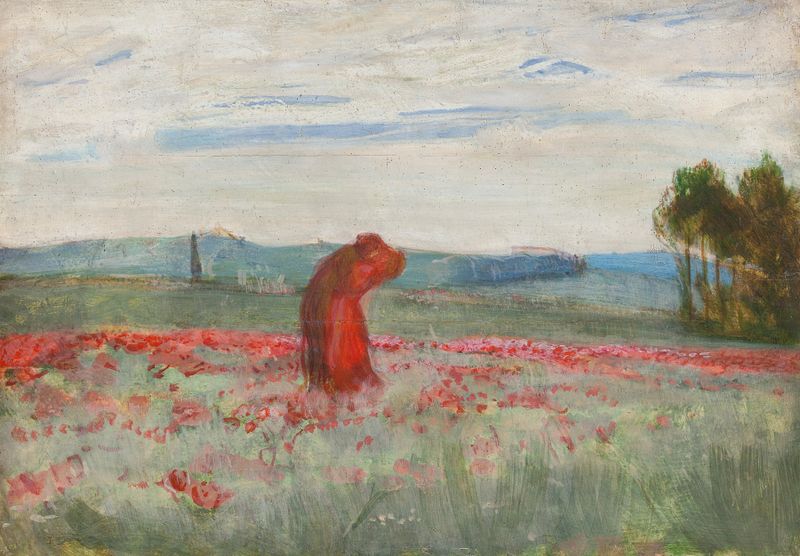
Pocałunek wśród maków
Wojciech Weiss

Calvary
Wojciech Weiss
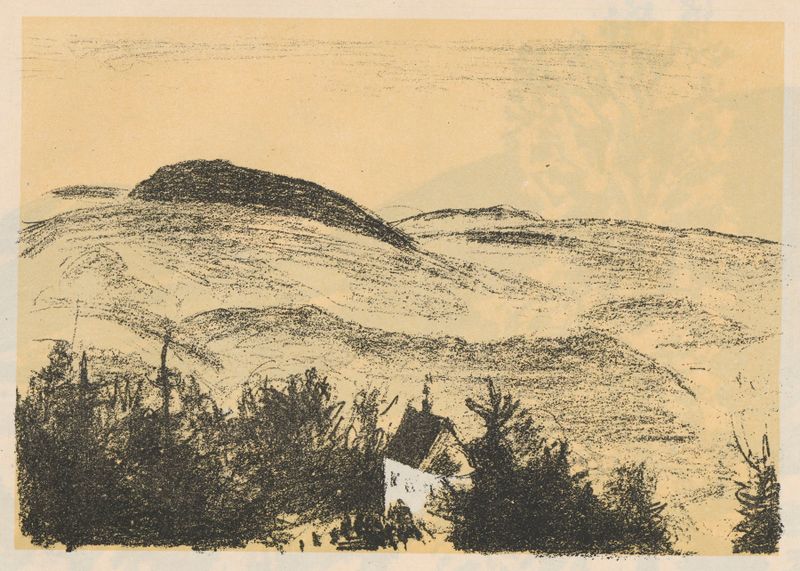
Kalwaria
Wojciech Weiss

Landscape with Trees
Wojciech Weiss
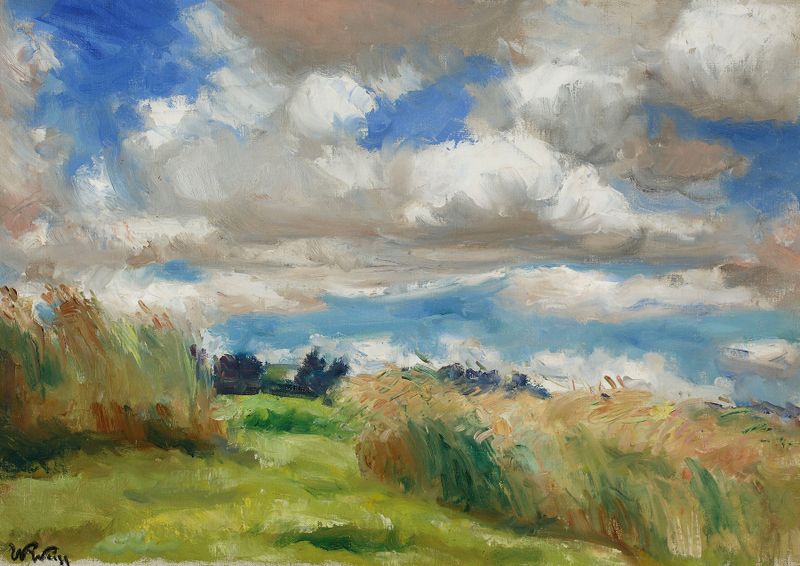
Landscape of Kalwaria Zebrzydowska
Wojciech Weiss
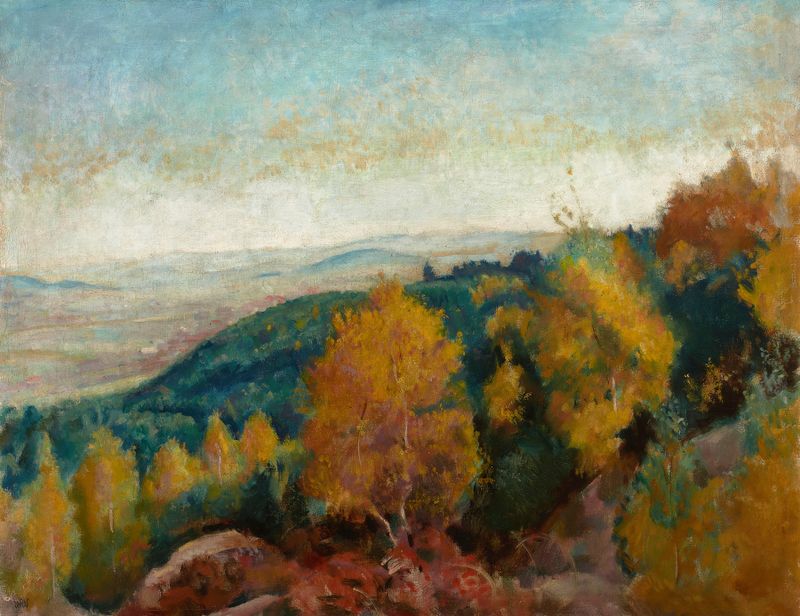
Autumn Landscape – Environs of Kalwaria Zebrzydowska
Wojciech Weiss

In the garden
Wojciech Weiss

Landscape with hollyhocks
Wojciech Weiss
Trees
Wojciech Weiss





