
Candlelit church interior — History & Facts
Where does light end, and longing begin? In the dimly lit corners of a sacred space, a flickering candle’s glow becomes a profound symbol of truth, illuminating the delicate balance between solitude and connection. Focus on the center of the canvas where a solitary figure kneels in prayer, bathed in the warm light that spills from the candles scattered throughout the church. Notice how the illumination dances on the stone walls, casting elongated shadows that echo the figure's devotion. The rich, deep hues of the wood and fabric surround this moment, contrasting the luminosity of the flames, which serve as both a guide and a comfort in the enveloping darkness. As you observe, consider the interplay of the serene expression on the figure’s face, which conveys a deep yearning for solace amidst the chaos of life.
The flicker of the candlelight not only signifies hope but also reflects the fragility of faith, suggesting that the light can just as easily extinguish as it can illuminate. This duality evokes questions about the nature of belief and the human experience, where moments of clarity arise from shadows of doubt. In 1778, Morgenstern painted this piece during a time of evolving artistic expression, marked by the rise of Romanticism, which emphasized emotional depth and individual experience. Living in Germany, he was part of a broader cultural shift that sought to capture the complexities of spirituality and human emotion.
This work exemplifies his commitment to portraying intimate moments that resonate with universal truths, inviting viewers to reflect on their own journeys towards light.
More Artworks by Johann Ludwig Ernst Morgenstern
Browse all →
Blick in das Innere einer gotischen Hallenkirche mit vielen Staffagefiguren in der Tracht des 17. Jahrhunderts, links liest ein Priester die Messe, 1790
Johann Ludwig Ernst Morgenstern
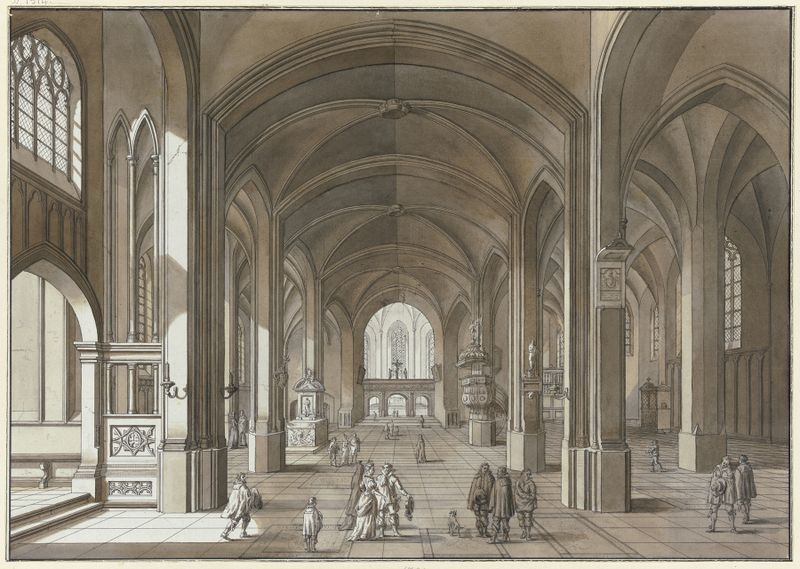
Blick auf Lettner und Chor einer dreischiffigen gotischen Kirche
Johann Ludwig Ernst Morgenstern
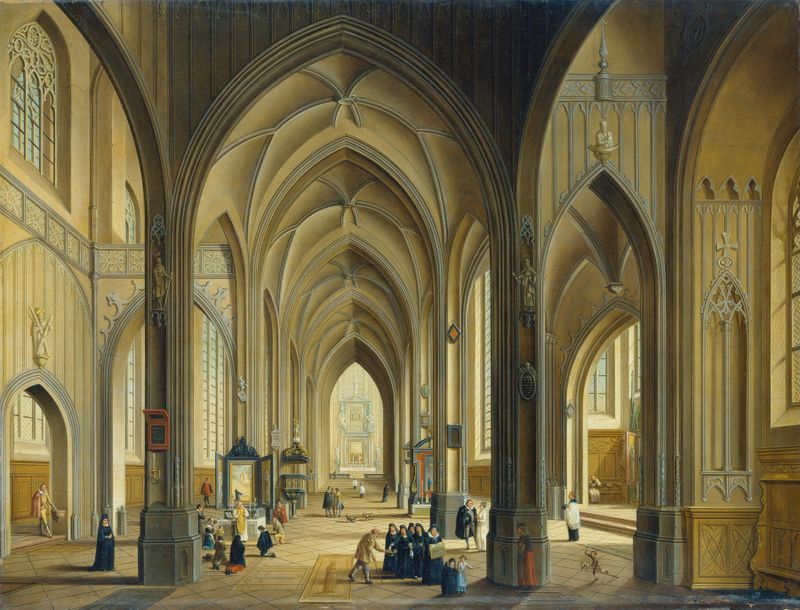
Interior of a Gothic Church
Johann Ludwig Ernst Morgenstern

A Farm
Johann Ludwig Ernst Morgenstern

Interior of a Baroque Church
Johann Ludwig Ernst Morgenstern
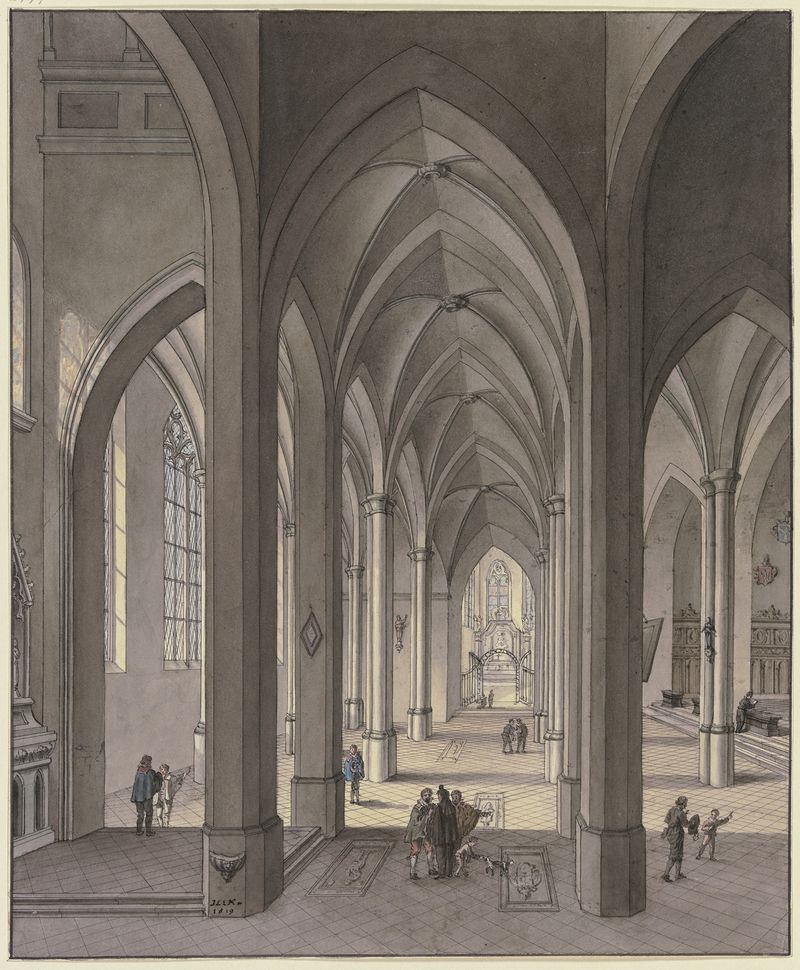
Blick in den Chor einer dreischiffigen gotischen Hallenkirche mit Staffagefiguren in der Tracht des 17. Jahrhunderts, 1819
Johann Ludwig Ernst Morgenstern
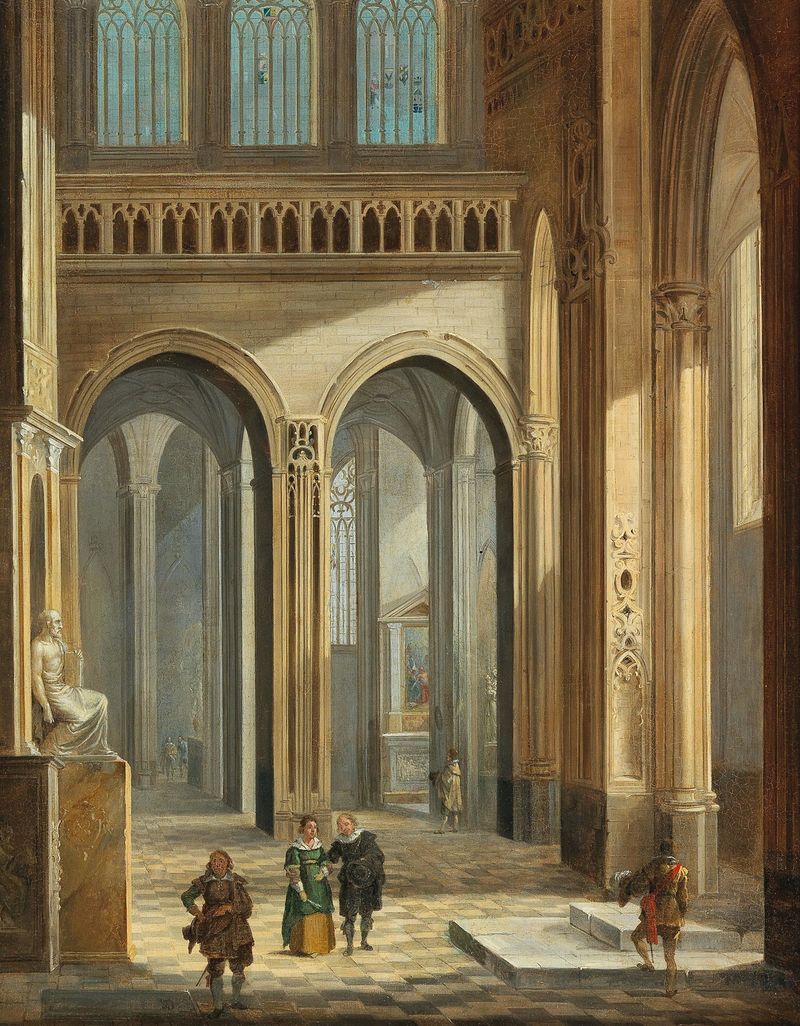
A church interior with figures dressed in seventeenth-century costume
Johann Ludwig Ernst Morgenstern
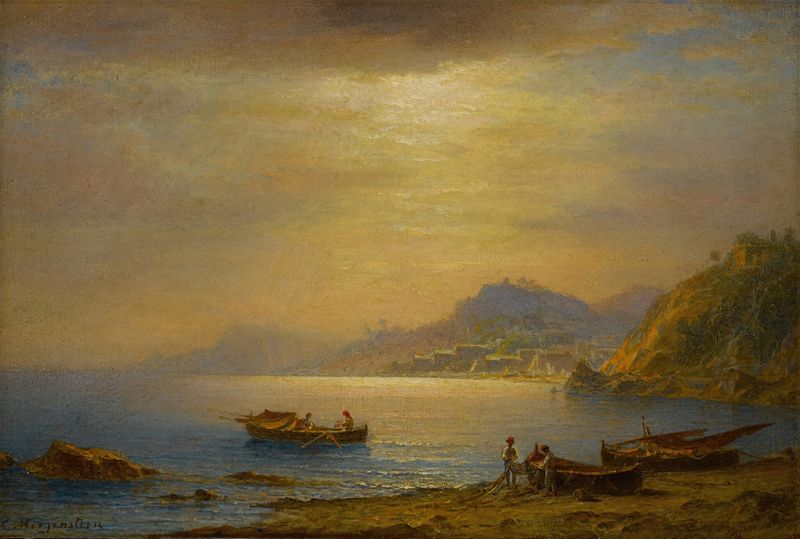
Bay landscape
Johann Ludwig Ernst Morgenstern
More Religious Art
Browse all →
The Return of the Prodigal Son
Rembrandt van Rijn

The Garden of Earthly Delights
El Bosco

Count Orgaz’ funeral
El Greco

The Hundred Guilder Print: the central piece with Christ preaching, the plate arched
Rembrandt van Rijn

The Descent from the Cross
Rogier van der Weyden

The return of the prodigal son
Rembrandt van Rijn