Interior of a Baroque Church — History & Facts
The interplay of light reveals the sacred, beckoning the viewer to step into an ethereal realm where reverence breathes amidst the silence. Look to the left at the intricate detailing of the columns, their twisting forms beautifully captured in soft light that dances across the stone. The rich hues of gold and deep red, interspersed with hints of green, frame the scene, directing the eye toward the altar, bathed in an almost divine glow. Morgenstern’s deft brushwork creates a seamless blend of textures, making the viewer feel the coolness of the stone, the warmth of the candlelight, and the hushed reverence of the space. An emotional tension unfolds as the juxtaposition of dark shadows and radiant light symbolizes the eternal struggle between the worldly and the divine.
The viewer's gaze is drawn to the faint whispers of figures adorning the church’s heights, their elongated forms suggesting a connection to the celestial. The stillness of the scene contrasts with the turmoil of the outside world, inviting introspection and contemplation within its sacred walls. In 1792, Johann Ludwig Ernst Morgenstern painted this work during a time of significant cultural transition in Europe, where the Age of Enlightenment was shifting toward Romanticism. Living in Germany, he was influenced by the evolving landscape of art that sought deeper emotional and spiritual connections, moving away from mere representation.
This painting embodies that shift, merging architectural grandeur with a profound sense of peace and introspection.
More Artworks by Johann Ludwig Ernst Morgenstern
Browse all →
Blick in das Innere einer gotischen Hallenkirche mit vielen Staffagefiguren in der Tracht des 17. Jahrhunderts, links liest ein Priester die Messe, 1790
Johann Ludwig Ernst Morgenstern
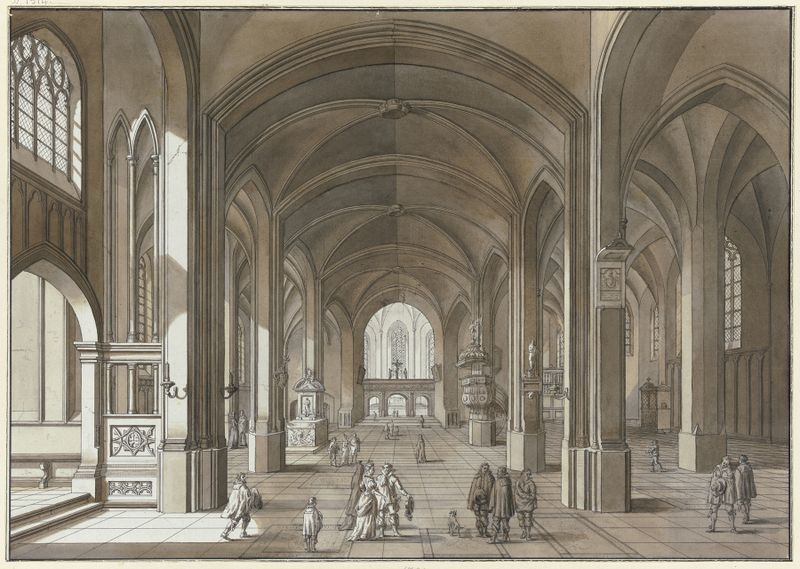
Blick auf Lettner und Chor einer dreischiffigen gotischen Kirche
Johann Ludwig Ernst Morgenstern
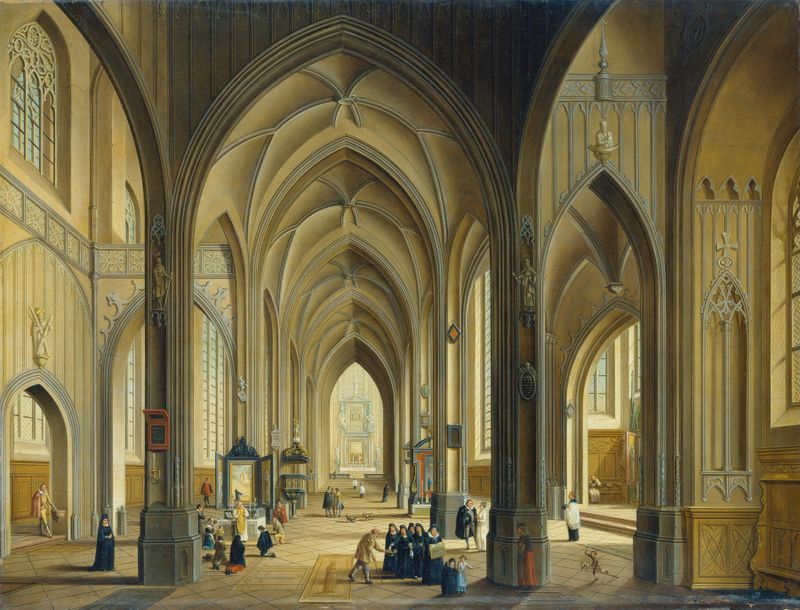
Interior of a Gothic Church
Johann Ludwig Ernst Morgenstern

A Farm
Johann Ludwig Ernst Morgenstern
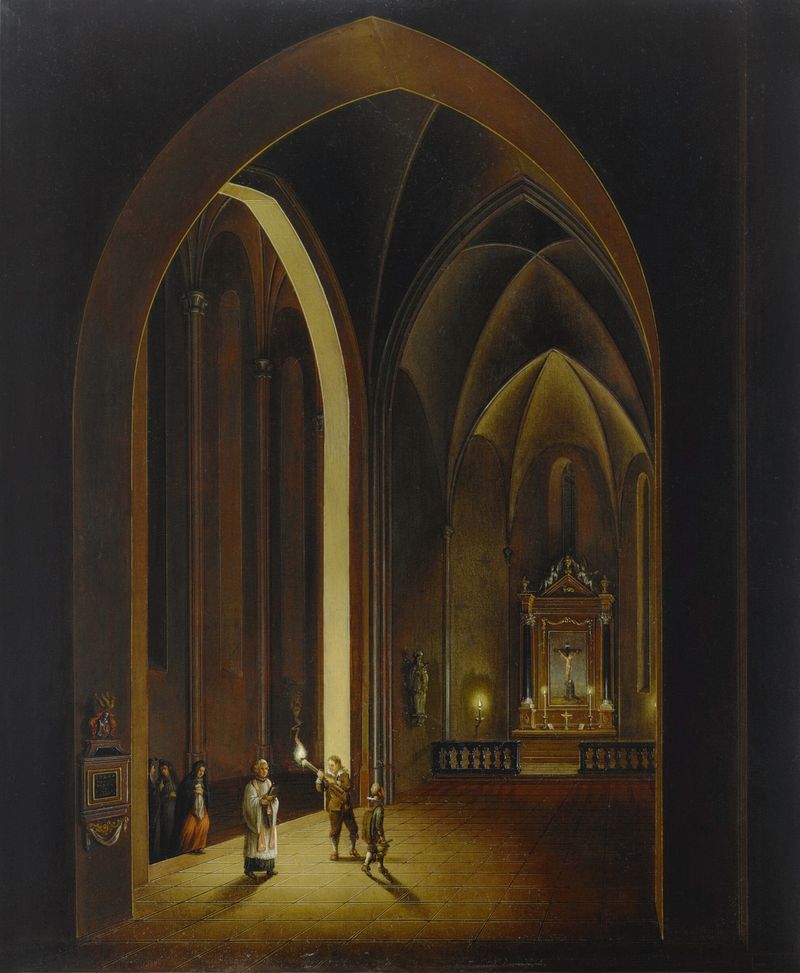
Candlelit church interior
Johann Ludwig Ernst Morgenstern
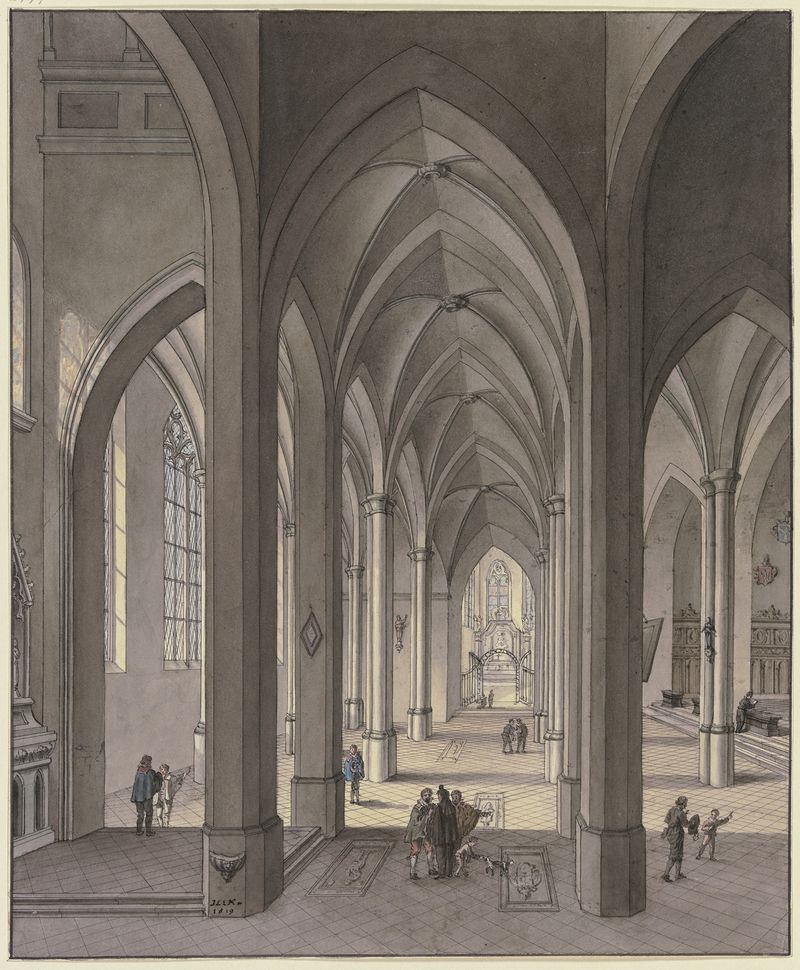
Blick in den Chor einer dreischiffigen gotischen Hallenkirche mit Staffagefiguren in der Tracht des 17. Jahrhunderts, 1819
Johann Ludwig Ernst Morgenstern
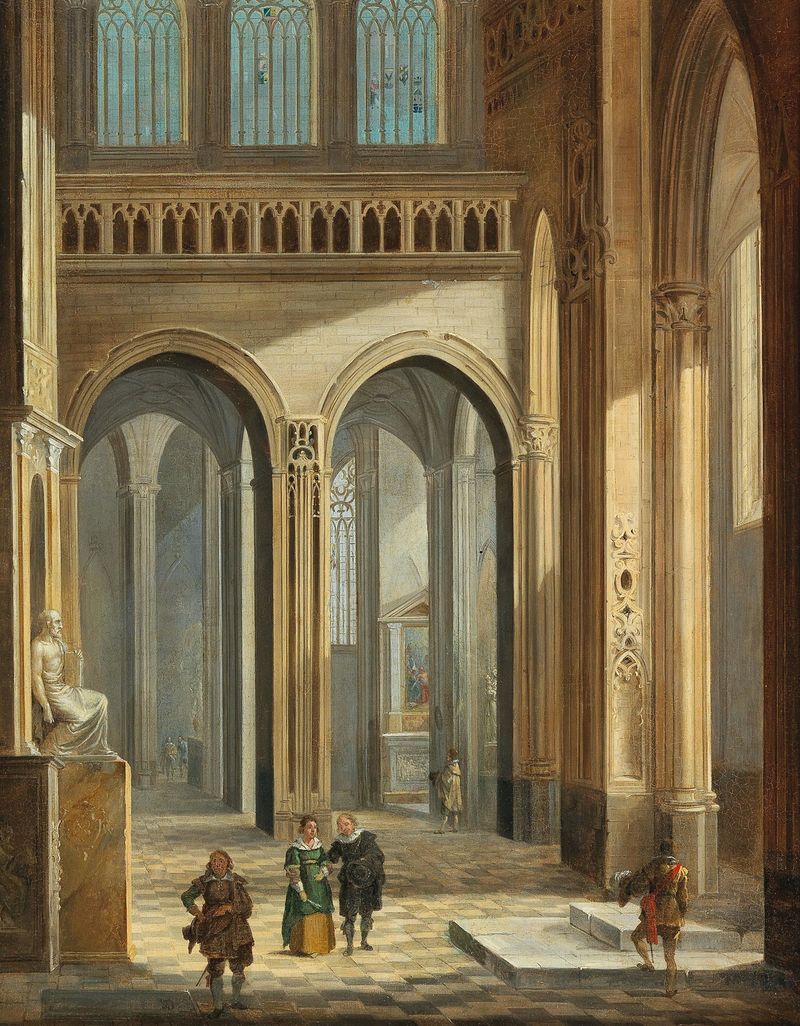
A church interior with figures dressed in seventeenth-century costume
Johann Ludwig Ernst Morgenstern
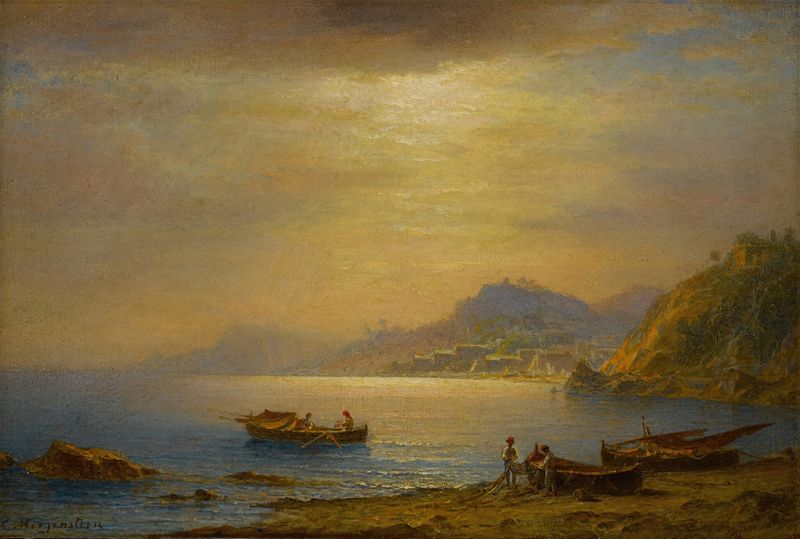
Bay landscape
Johann Ludwig Ernst Morgenstern