
Bay landscape — History & Facts
In the quiet stillness of a solitary landscape, the heart finds its echo in the vastness of nature. Here, emotions swirl in the brushstrokes, revealing layers of loneliness and introspection. Look to the horizon where the rolling hills meet the bay's gentle lines. Notice how the muted palette of greens and blues converges, an invitation to wander deeper into the scene.
The delicate interplay of light and shadow creates a serene yet melancholic atmosphere, drawing one’s gaze to the solitary figure, almost blending into the surroundings. The composition, with its expansive sky and still water, underscores the feeling of isolation, a landscape both beautiful and haunting. The subtle details unveil a narrative of solitude: the way the clouds seem to linger, heavy with unshed rain, or the solitary tree standing defiant against the open space. There’s a profound contrast between the serene beauty of nature and the palpable sense of absence that envelops the scene.
This tension between tranquility and loneliness speaks to the human experience, inviting viewers to reflect on their own moments of isolation in a world that often seems indifferent. Johann Ludwig Ernst Morgenstern painted this work during a time when Romanticism was influencing artists to explore emotion and nature. Although the exact date remains unknown, he was active in the early 19th century, a period marked by a growing interest in personal expression and the sublime. His landscapes often captured the essence of solitude, reflecting the emotional currents of his time as he navigated the delicate balance between nature’s beauty and humanity's longing for connection.
More Artworks by Johann Ludwig Ernst Morgenstern
Browse all →
Blick in das Innere einer gotischen Hallenkirche mit vielen Staffagefiguren in der Tracht des 17. Jahrhunderts, links liest ein Priester die Messe, 1790
Johann Ludwig Ernst Morgenstern
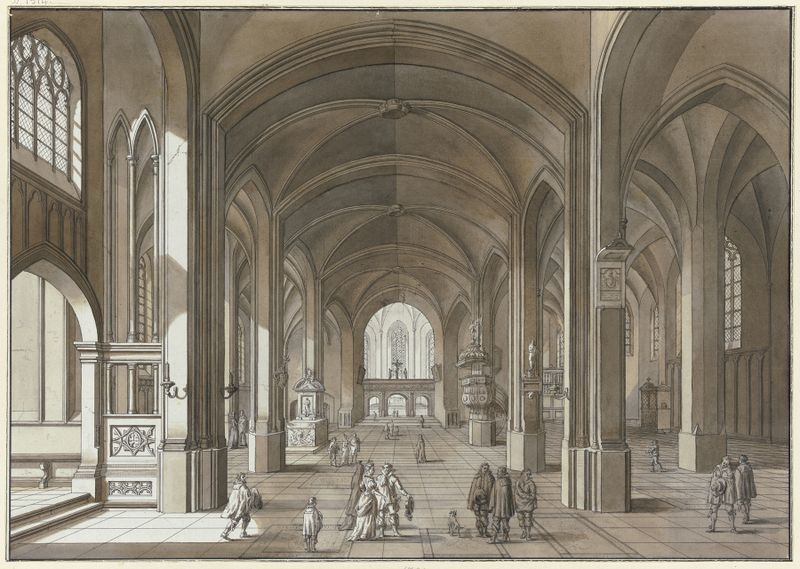
Blick auf Lettner und Chor einer dreischiffigen gotischen Kirche
Johann Ludwig Ernst Morgenstern
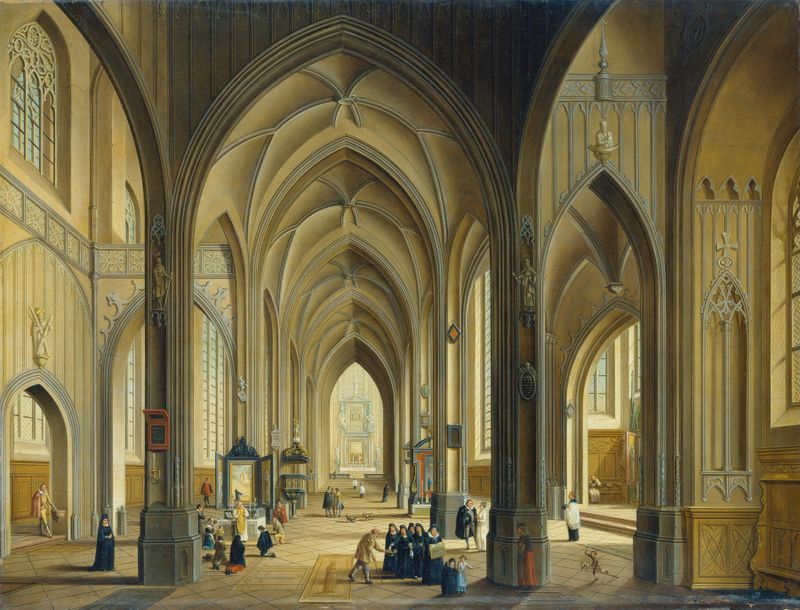
Interior of a Gothic Church
Johann Ludwig Ernst Morgenstern

A Farm
Johann Ludwig Ernst Morgenstern
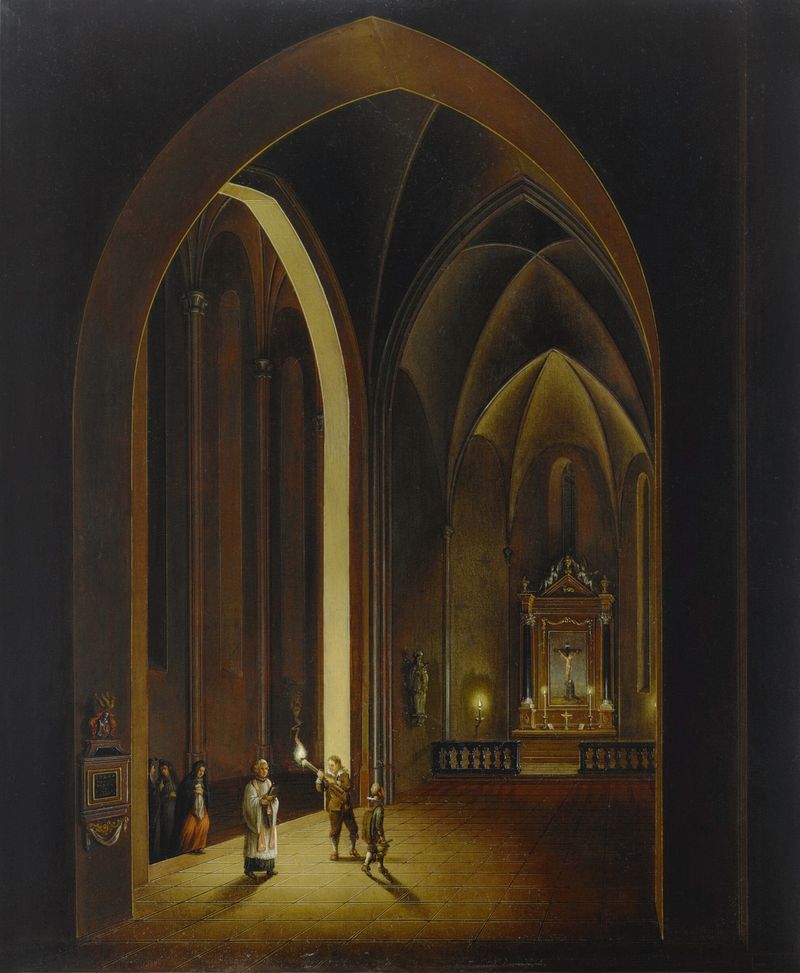
Candlelit church interior
Johann Ludwig Ernst Morgenstern

Interior of a Baroque Church
Johann Ludwig Ernst Morgenstern
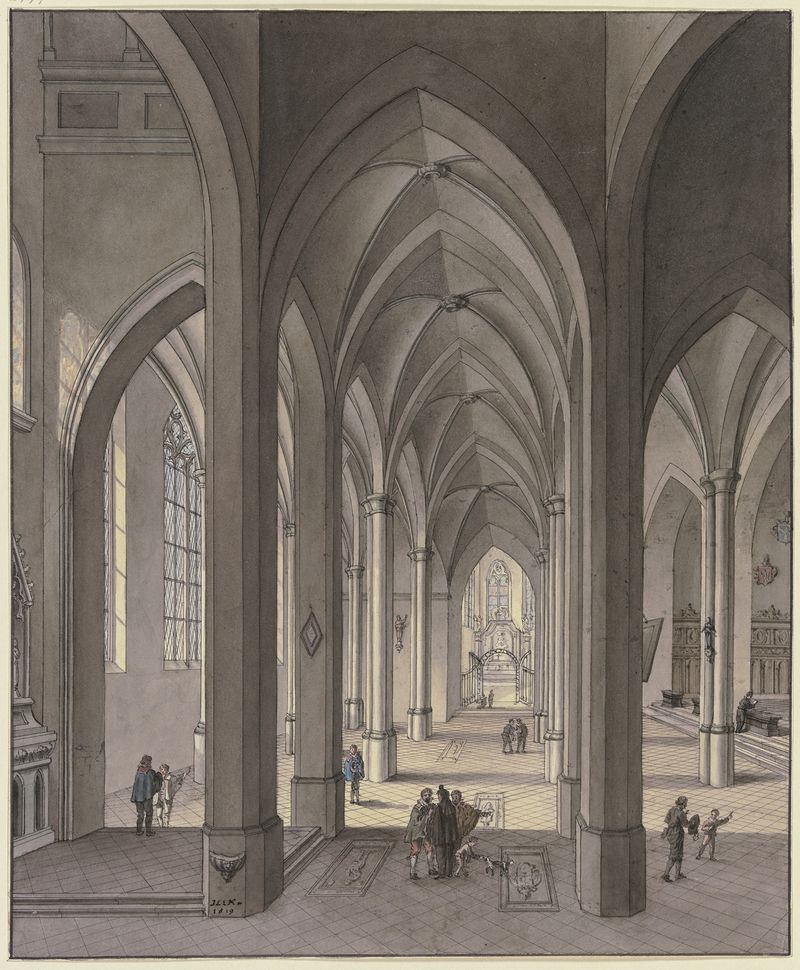
Blick in den Chor einer dreischiffigen gotischen Hallenkirche mit Staffagefiguren in der Tracht des 17. Jahrhunderts, 1819
Johann Ludwig Ernst Morgenstern
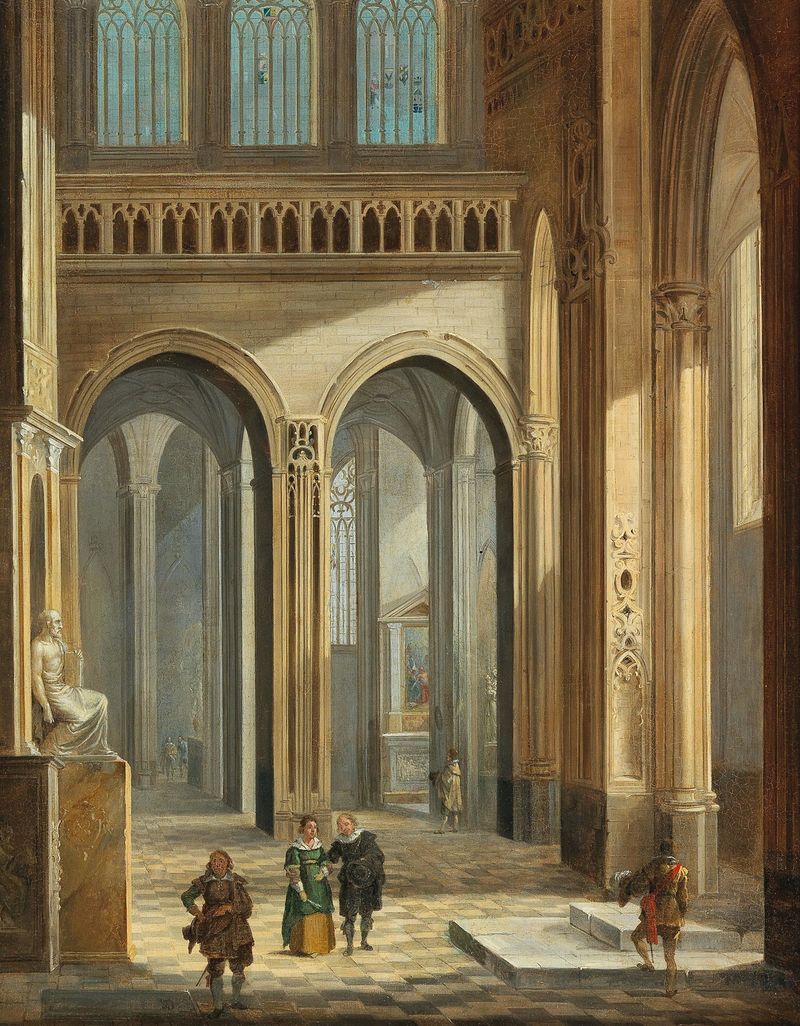
A church interior with figures dressed in seventeenth-century costume
Johann Ludwig Ernst Morgenstern





