
Caorle — History & Facts
When did color learn to lie? The shifting hues dance upon the canvas, whispering secrets of fragility and allure that hover just beyond reach. Look to the left at the delicate interplay of blues and greens, where the brushstrokes create a rippling surface like water reflecting an elusive sky. The composition draws you in, guided by the gentle curves that suggest movement, as if the colors themselves are swaying in a soft breeze. Notice how the vibrant pigments are juxtaposed with muted tones, creating a tension that captures both harmony and discord in this serene scene. The artwork's emotional depth is anchored by the subtle contrasts between light and shadow, conveying a sense of vulnerability beneath the surface beauty.
Each stroke evokes a fleeting moment, reminiscent of the ephemeral nature of life itself. This fragility is underscored by the way the colors seem to bleed and blend, suggesting the transient quality of memories and experiences—a poignant reminder of what is lost and what remains. Ludwig Hans Fischer painted this piece during a period of exploration and innovation in the early 20th century, a time when artists began to break away from tradition and embrace abstraction. Living in Germany, he was influenced by the artistic movements around him, engaging with the interplay of color and form.
Yet, as he created Caorle, the world was grappling with the shadows of war, which would soon change the landscape of art and society forever.
More Artworks by Ludwig Hans Fischer
Browse all →
Dar el Ber, Tunis
Ludwig Hans Fischer

Die Riva schiavoni in Venedig
Ludwig Hans Fischer
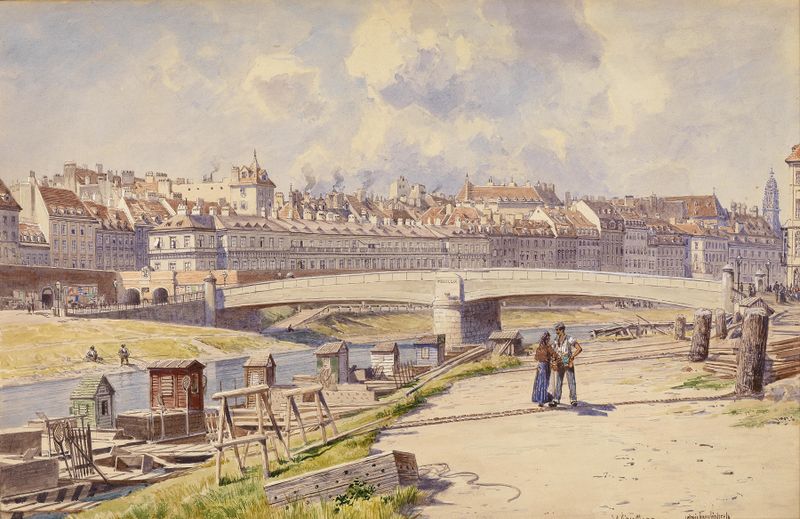
Fischerboote am Donaukanal Wien
Ludwig Hans Fischer
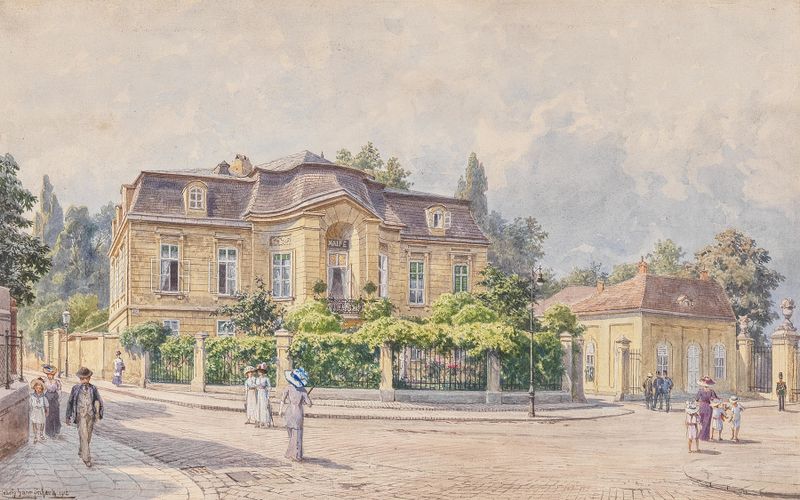
Villa am Meidlinger Tor zum Schönbrunner Schlosspark
Ludwig Hans Fischer
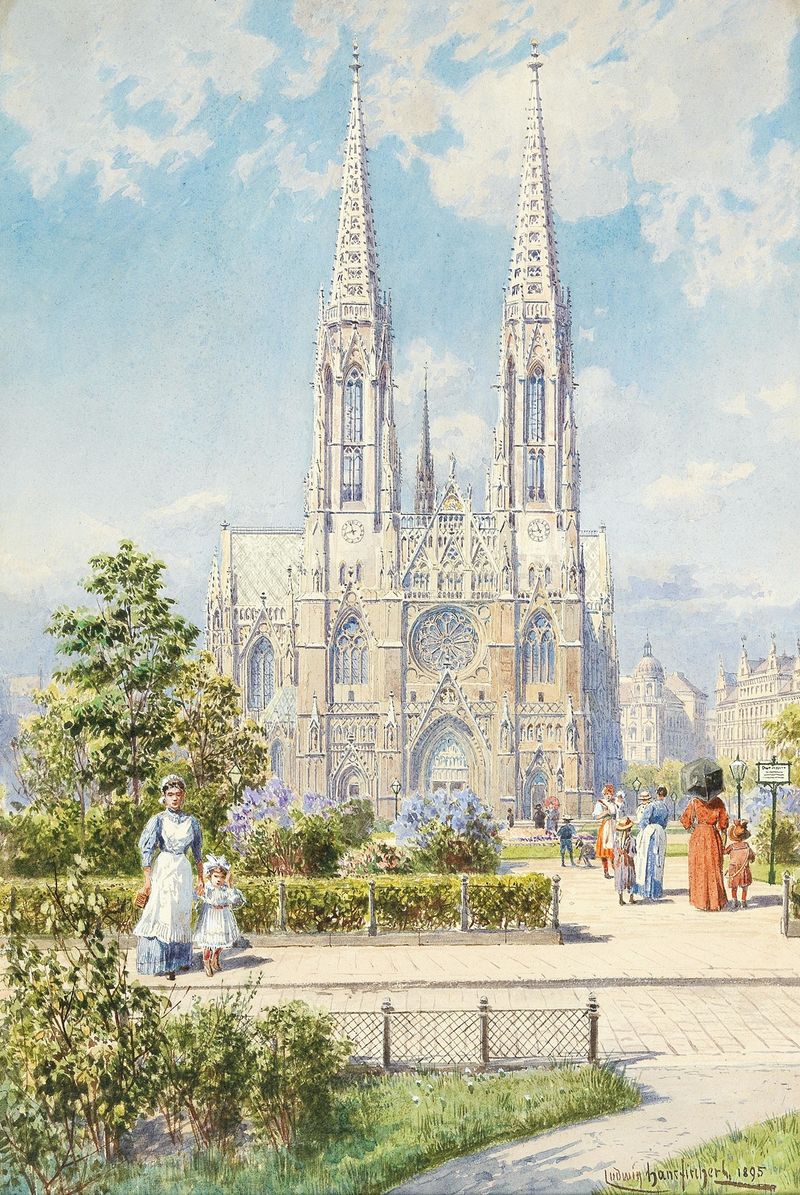
A sunny day near Votivkirche
Ludwig Hans Fischer
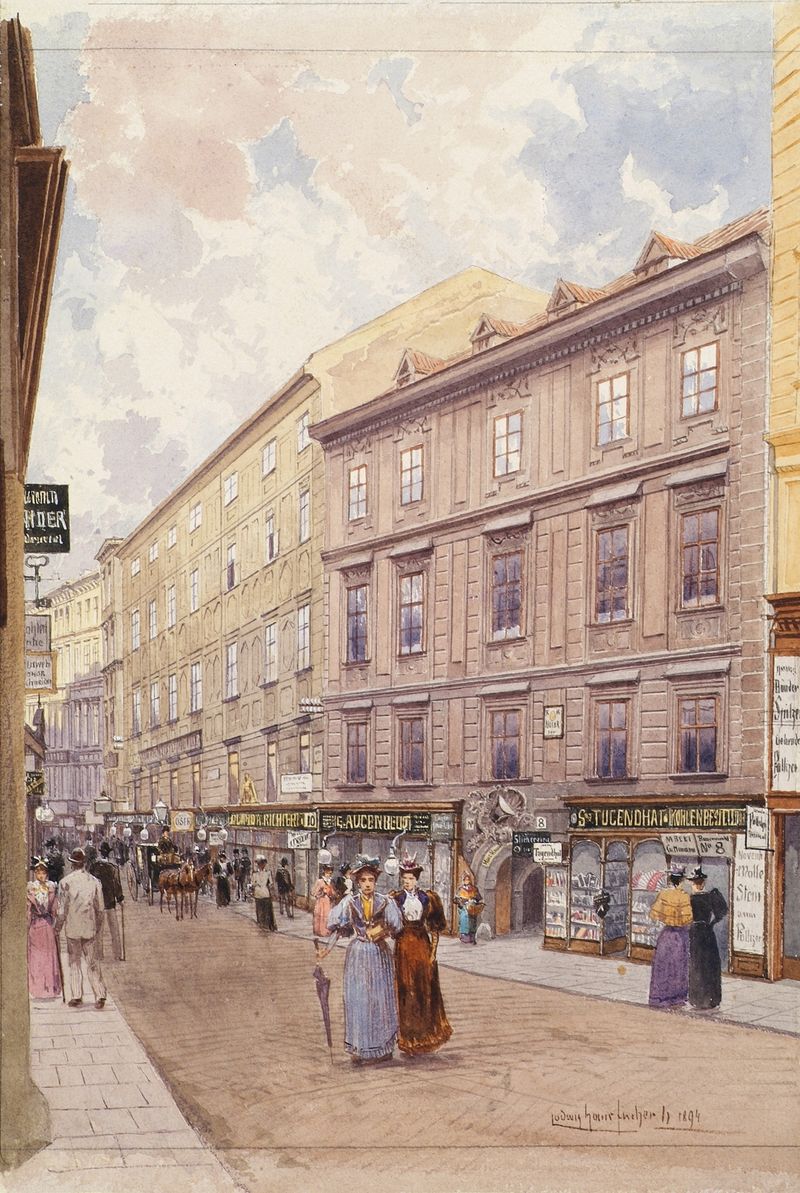
Der Bauernmarkt in Wien
Ludwig Hans Fischer
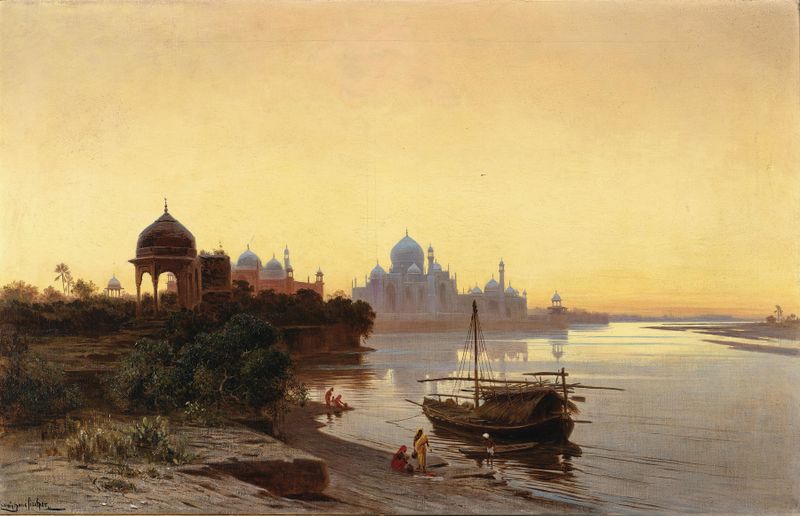
India, Taj Mahal at Dusk
Ludwig Hans Fischer

Jagdschlössl im herbstlichen Sonnenlicht
Ludwig Hans Fischer
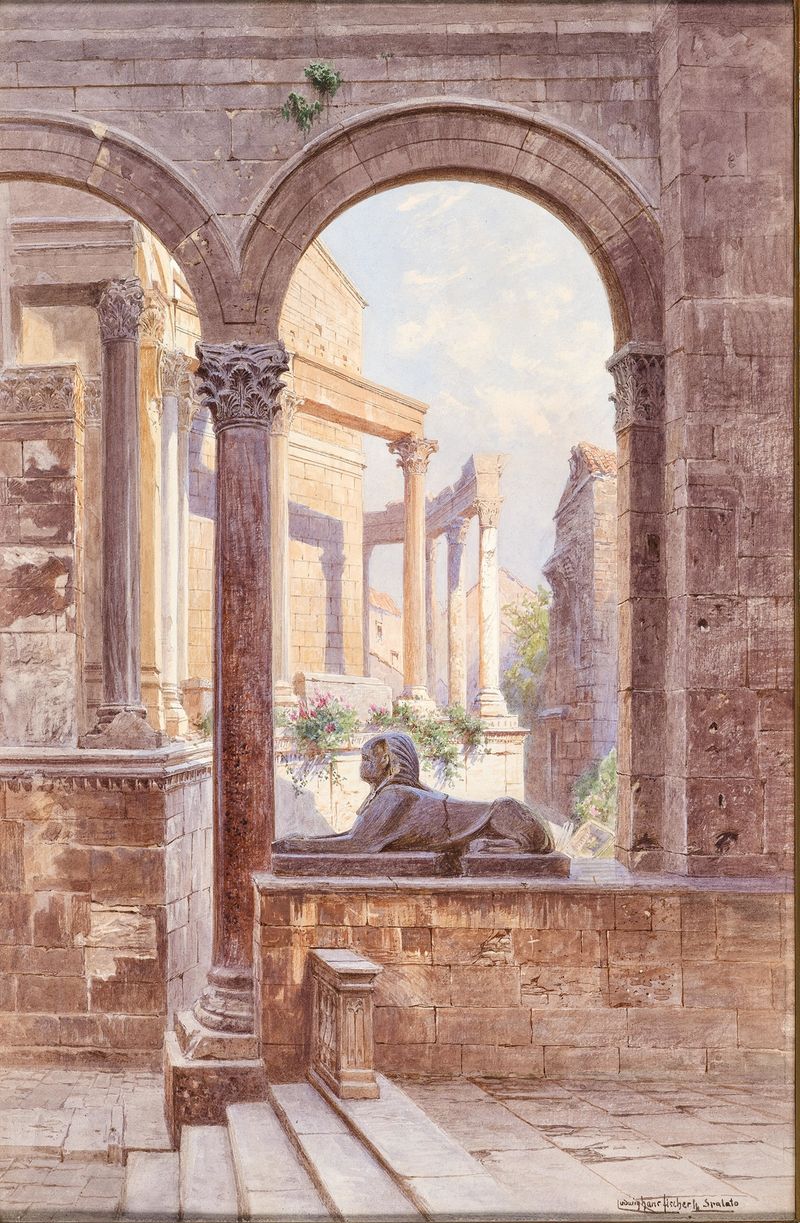
A view of Diocletian’s Palace in Split
Ludwig Hans Fischer
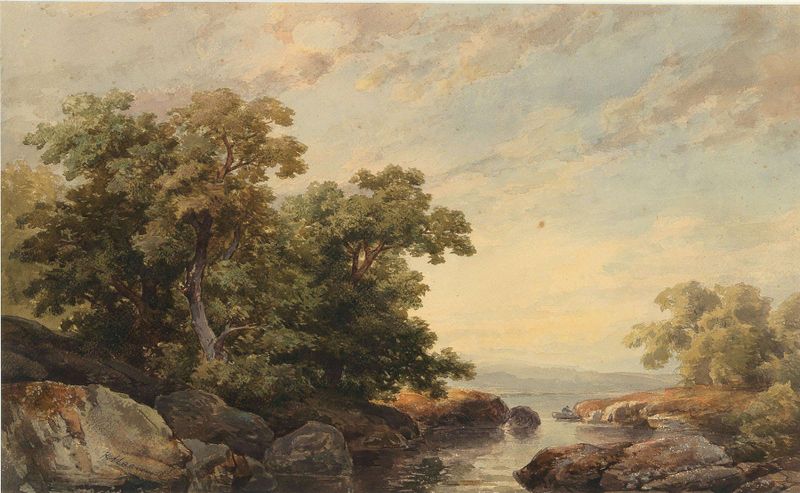
A lakeshore in the evening
Ludwig Hans Fischer





