
A lakeshore in the evening — History & Facts
This notion of transformation is woven into the fabric of existence, where simplicity meets depth, and the ordinary transforms into the extraordinary. Look to the left, where a gentle ripple in the water reflects the soft hues of twilight. Notice how the warm oranges and cool blues blend harmoniously, creating a serene dialogue between sky and lake. The painter’s deft brushwork captures the stillness of the evening, inviting the eye to linger on the subtle interplay of light and shadow.
Each stroke seems to breathe life into the landscape, rendering the quiet moment palpable, as if time itself is suspended. In this composition, the contrasting elements of water and sky evoke a deeper emotional tension. The calmness of the lake serves as a mirror, not just of nature but of the introspective journey we all undertake. The evening light hints at an impending transformation, a transition from day to night, encapsulating the ephemeral beauty of fleeting moments in nature.
This duality invites contemplation on change and permanence, urging viewers to reflect on their own experiences of transformation. Fischer painted A lakeshore in the evening during a period marked by personal exploration and artistic growth. Although the exact date remains uncertain, his works were often created in idyllic settings, reflecting his profound connection with nature. At this time, the art world was shifting, moving towards Impressionism, which influenced his approach to light and color, marking a significant chapter in his evolution as an artist.
More Artworks by Ludwig Hans Fischer
Browse all →
Dar el Ber, Tunis
Ludwig Hans Fischer

Die Riva schiavoni in Venedig
Ludwig Hans Fischer
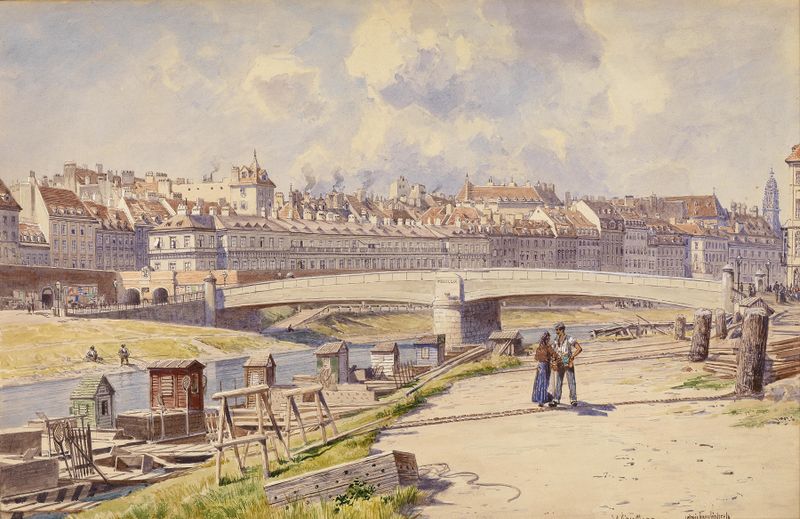
Fischerboote am Donaukanal Wien
Ludwig Hans Fischer
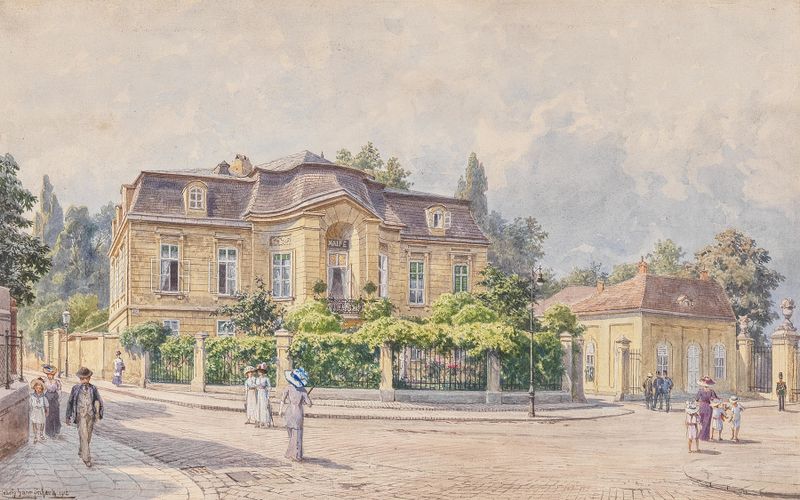
Villa am Meidlinger Tor zum Schönbrunner Schlosspark
Ludwig Hans Fischer
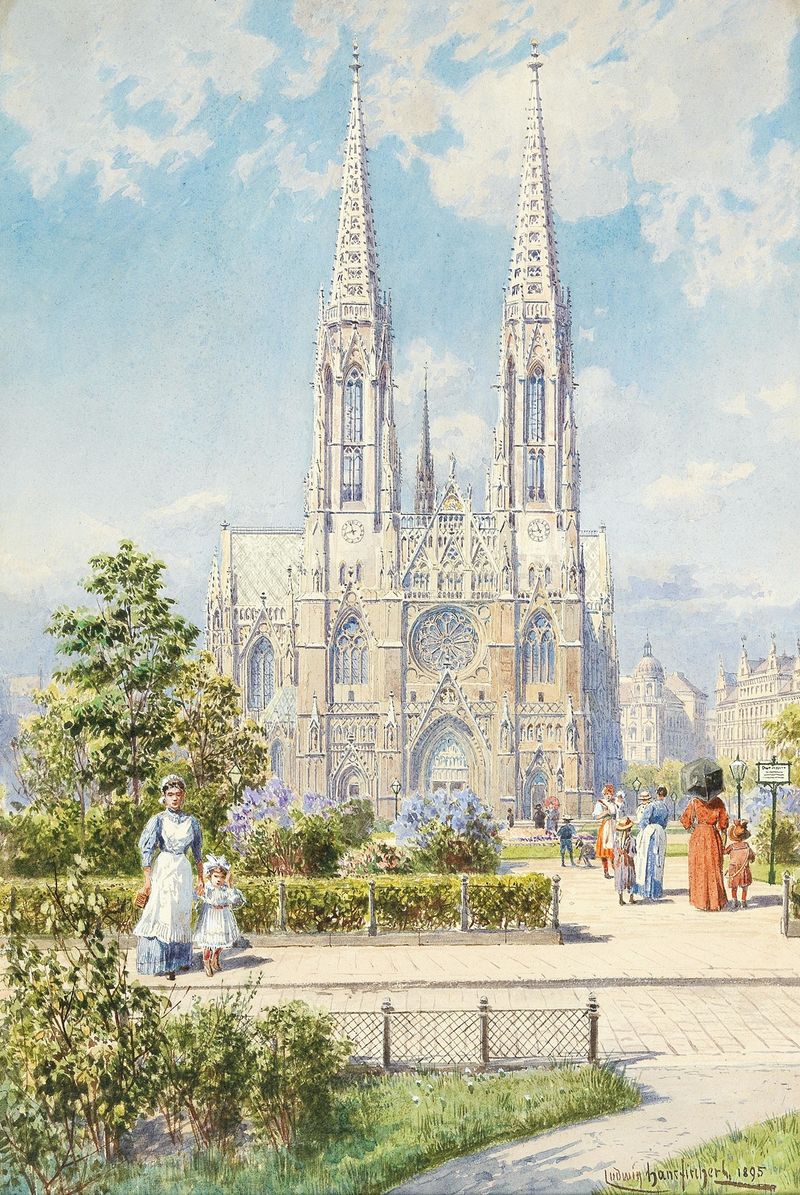
A sunny day near Votivkirche
Ludwig Hans Fischer
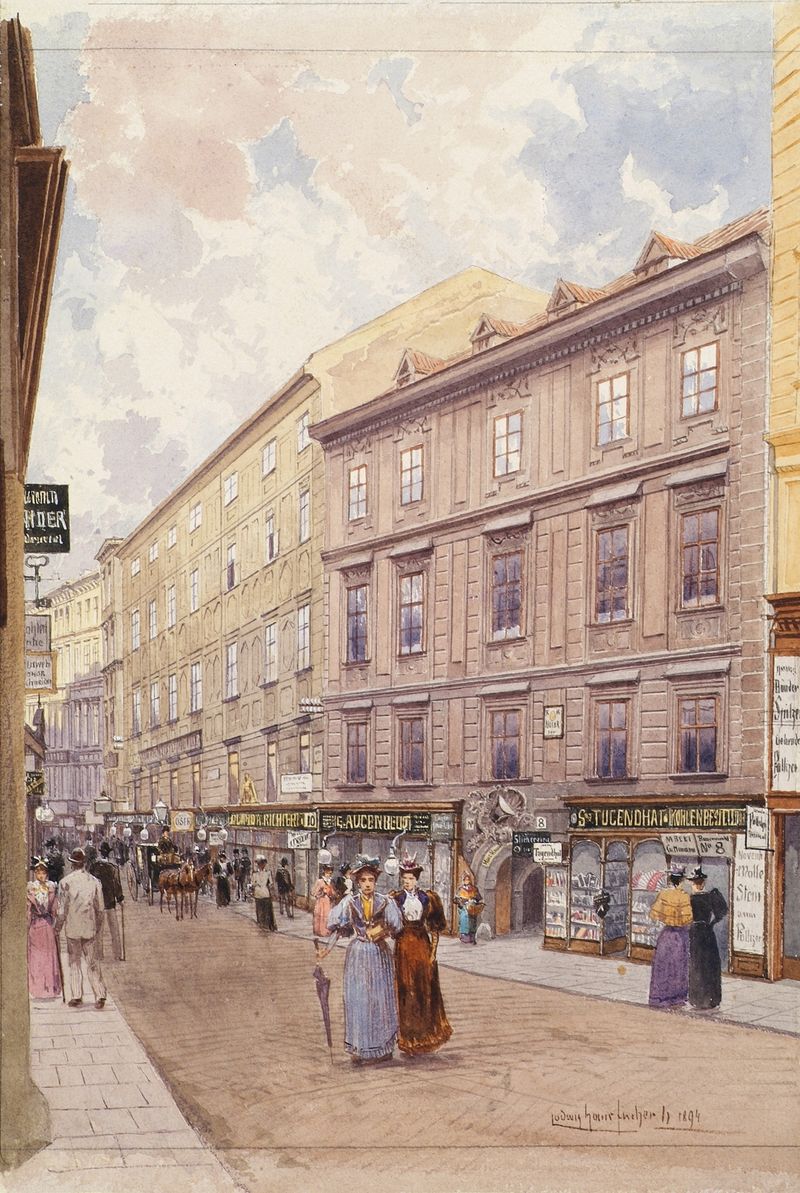
Der Bauernmarkt in Wien
Ludwig Hans Fischer
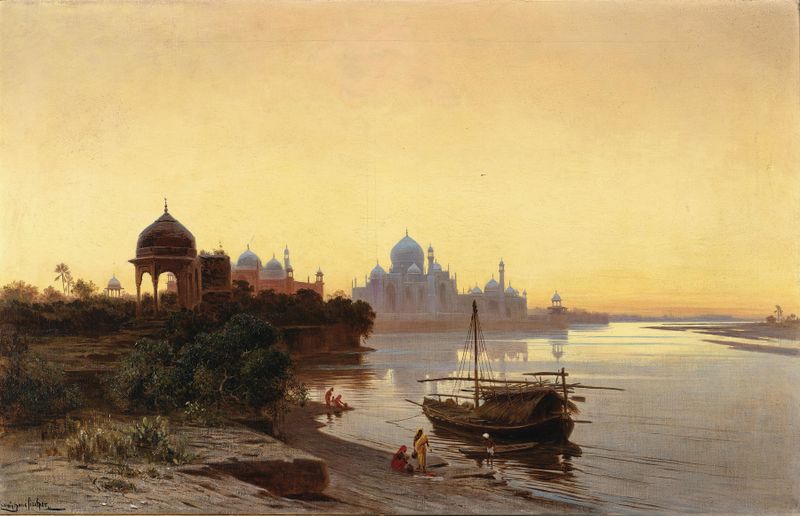
India, Taj Mahal at Dusk
Ludwig Hans Fischer

Jagdschlössl im herbstlichen Sonnenlicht
Ludwig Hans Fischer
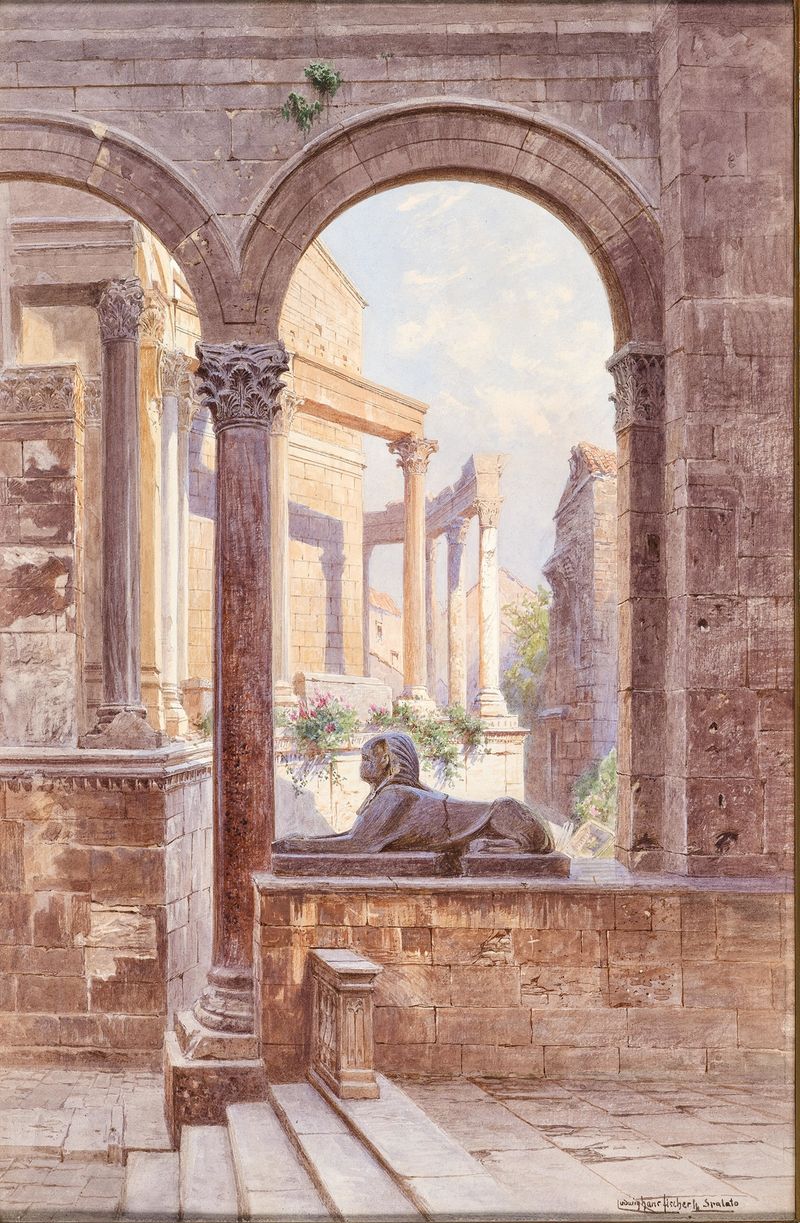
A view of Diocletian’s Palace in Split
Ludwig Hans Fischer

Minoritenkirche in Vienna
Ludwig Hans Fischer





