
India, Taj Mahal at Dusk — History & Facts
In the gentle dance of twilight, the world beckons us to feel the pulse of time and beauty that transcends the ordinary. Look to the center of the canvas where the majestic Taj Mahal rises against a softly fading sky, its silhouette a hymn to love and permanence. Notice how the warm hues of dusk envelop the scene, casting a serene glow that caresses the marble façade, transforming it into a living monument. The delicate strokes convey motion, as if the structure breathes within the colors, inviting the viewer to linger in this ethereal moment. Beyond its architectural splendor, the painting captures the emotional resonance of a moment suspended in time.
The juxtaposition of light and shadow hints at the fleeting nature of beauty, while the tranquil water below reflects a world both real and imagined. Each ripple carries whispers of history, suggesting movement not just in the landscape but within the hearts of those who gaze at this enchanting sight. During the time India, Taj Mahal at Dusk was created, Fischer was immersed in a world that celebrated the interplay of light and color, focusing on architectural forms. Though the exact date remains unknown, it is believed to have been painted during his travels in the early 20th century, a period marked by a blossoming interest in capturing the essence of cultural landmarks through an impressionistic lens.
This work reflects both his personal journey and the broader artistic movements of the time.
More Artworks by Ludwig Hans Fischer
Browse all →
Dar el Ber, Tunis
Ludwig Hans Fischer

Die Riva schiavoni in Venedig
Ludwig Hans Fischer
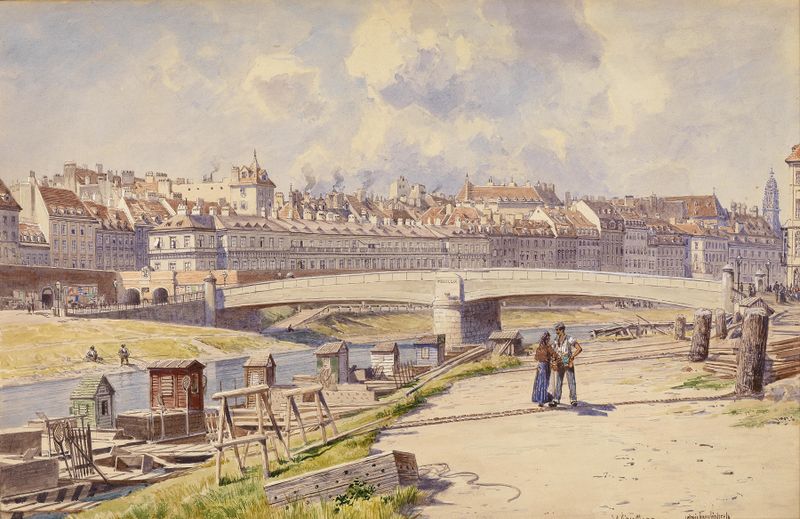
Fischerboote am Donaukanal Wien
Ludwig Hans Fischer
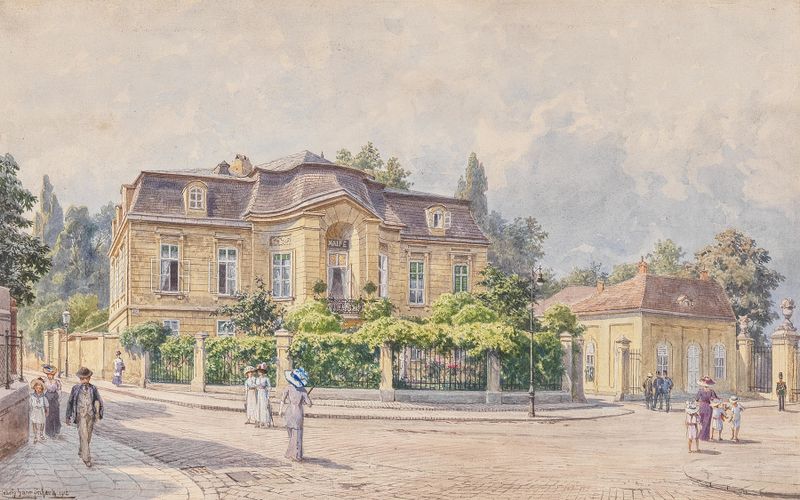
Villa am Meidlinger Tor zum Schönbrunner Schlosspark
Ludwig Hans Fischer
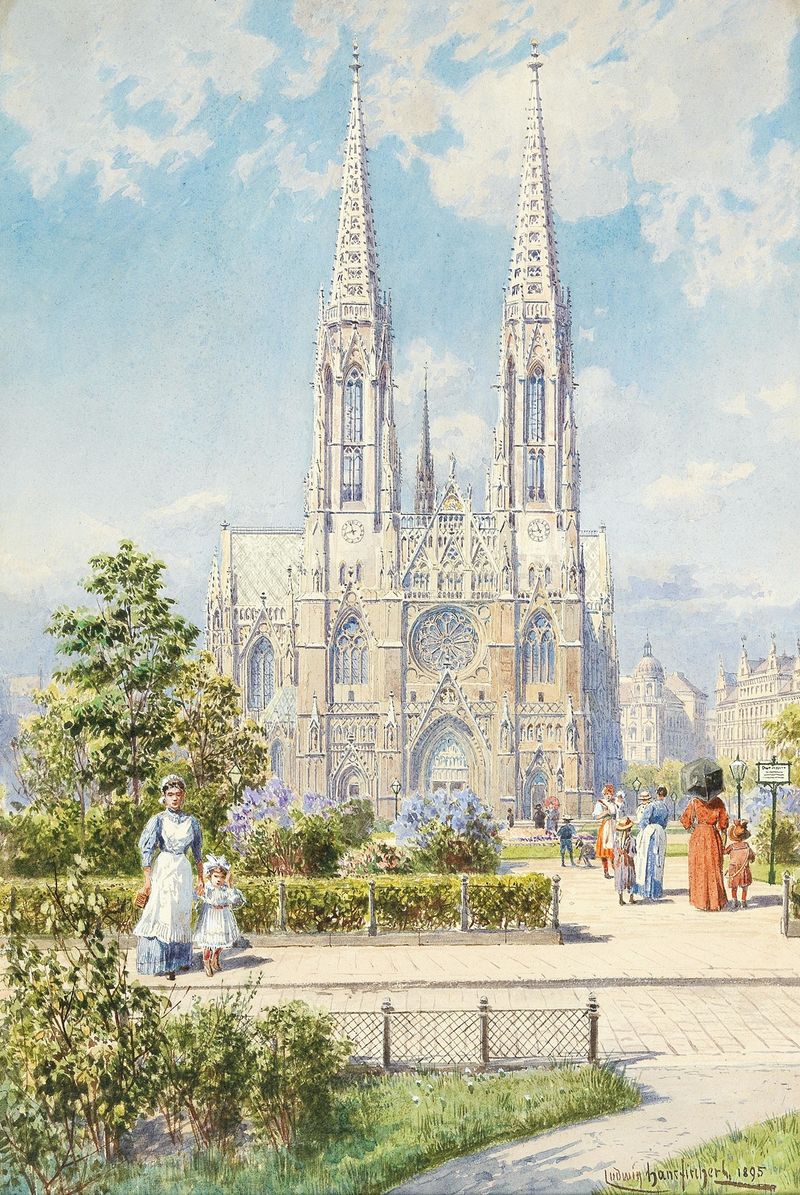
A sunny day near Votivkirche
Ludwig Hans Fischer
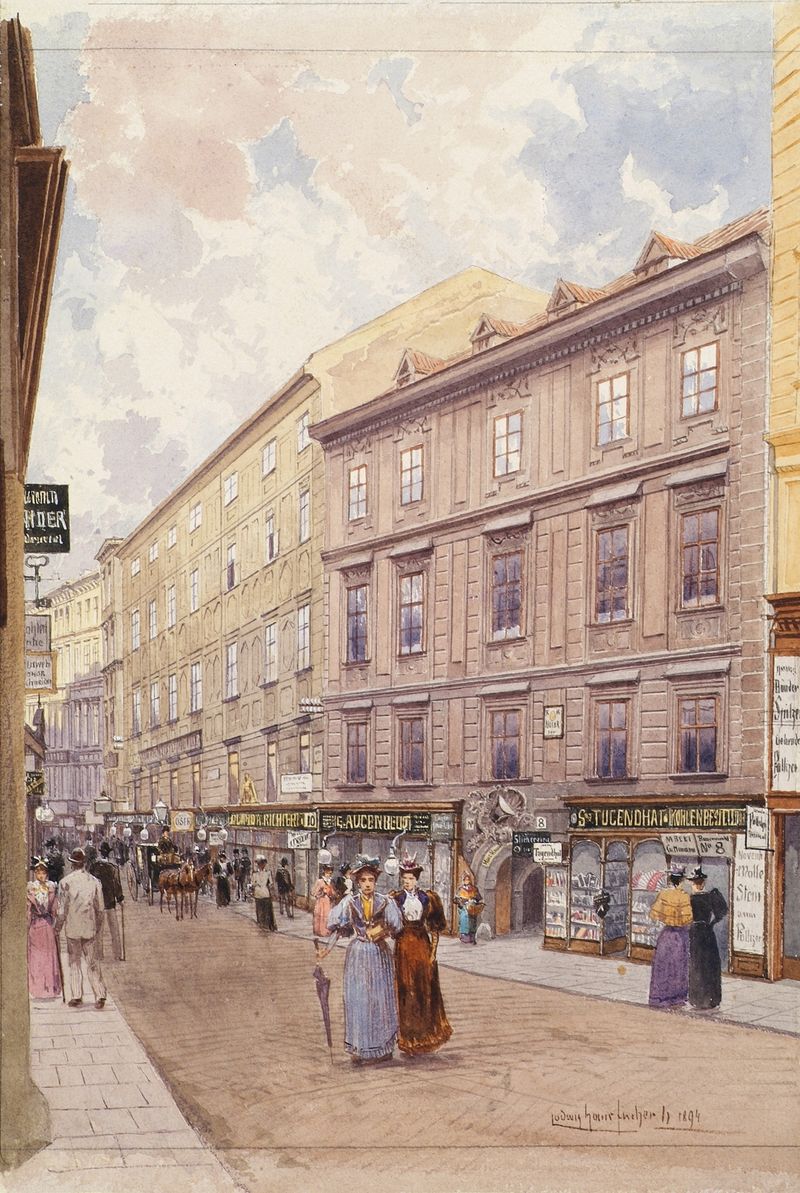
Der Bauernmarkt in Wien
Ludwig Hans Fischer

Jagdschlössl im herbstlichen Sonnenlicht
Ludwig Hans Fischer
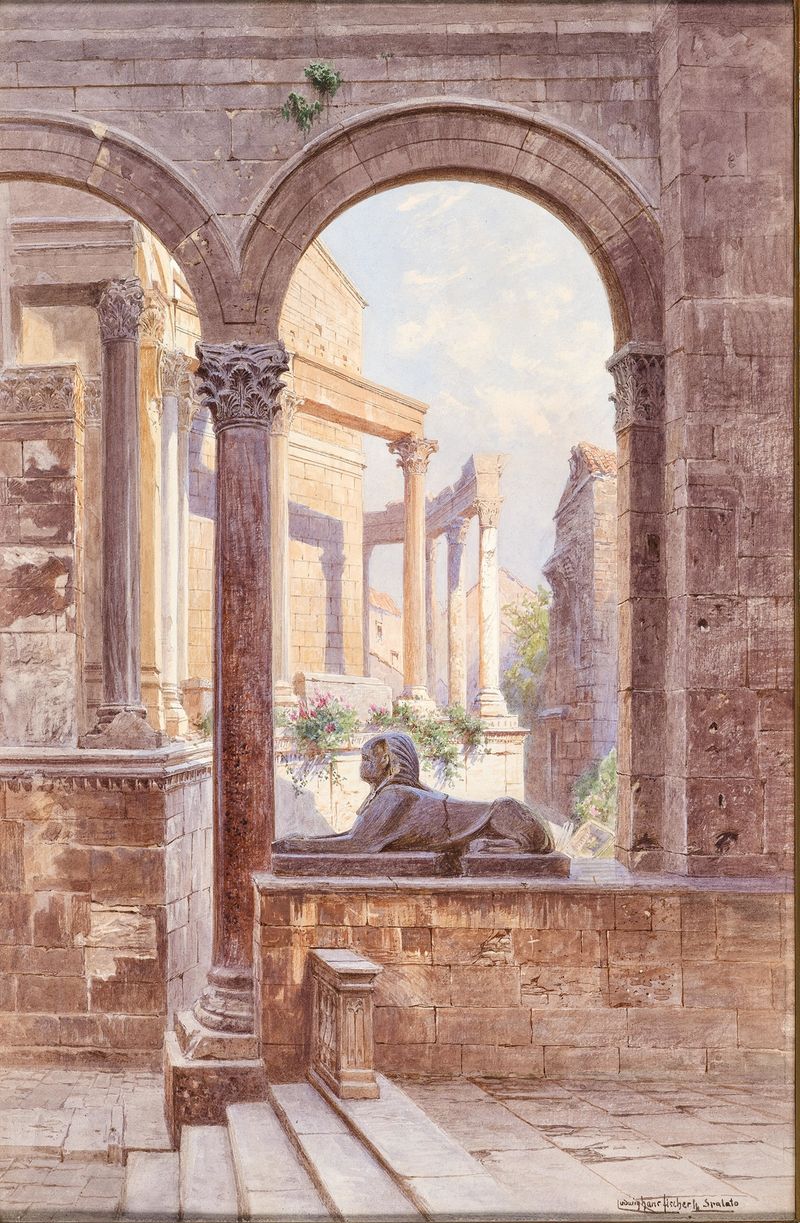
A view of Diocletian’s Palace in Split
Ludwig Hans Fischer
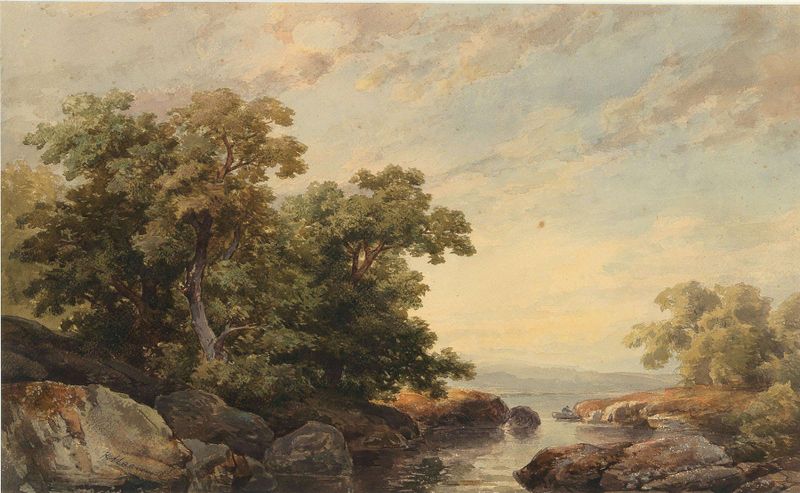
A lakeshore in the evening
Ludwig Hans Fischer

Minoritenkirche in Vienna
Ludwig Hans Fischer
More Architecture Art
Browse all →
The statue of Liberty
Frédéric Auguste Bartholdi

View of Houses in Delft, Known as ‘The Little Street’
Johannes Vermeer

View of Houses in Delft, Known as ‘The Little Street’
Johannes Vermeer

The Cathedral in Rouen. The portal, Grey Weather
Claude Monet

The yellow house
Vincent van Gogh

The Church in Auvers-sur-Oise, View from the Chevet
Vincent van Gogh