Capri, the Faraglioni stacks — History & Facts
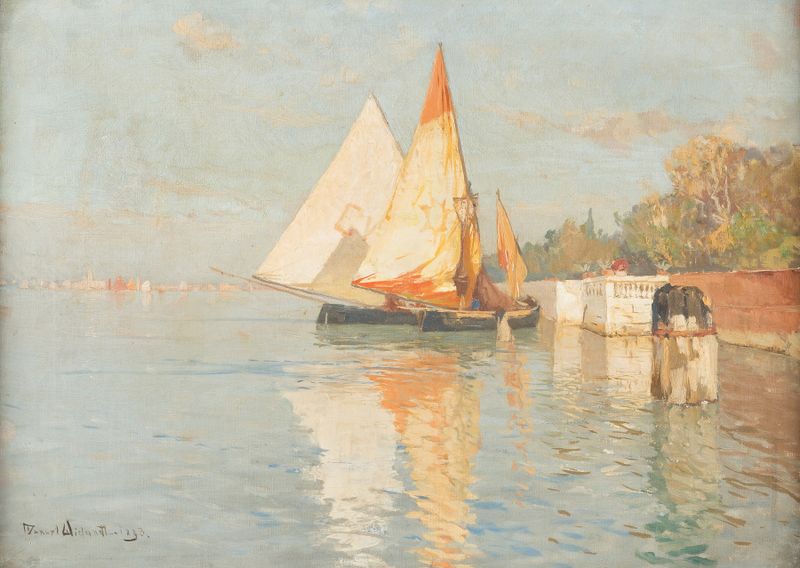
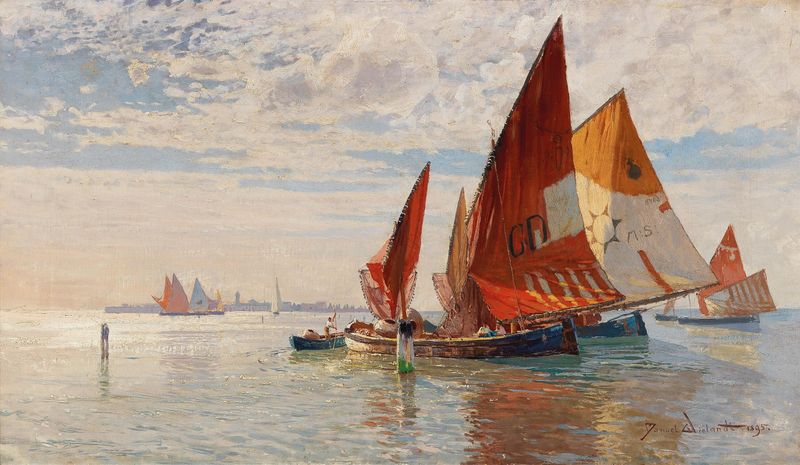
Such is the paradox of nature, where splendor can emerge from turmoil, awakening the senses to profound truths hidden beneath the surface. Look closely at the Faraglioni stacks, where rugged cliffs rise from the azure sea, their jagged edges softened by the warmth of sunlight. Notice how the artist masterfully captures the interplay of light and shadow—pale yellows and deep blues intertwine, creating a tapestry of color that invites the viewer to linger. The gentle waves lap at the rocks, their frothy edges rendered with delicate brushwork, suggesting both motion and the fleeting nature of beauty. As you immerse yourself in the scene, consider the contrast between the tranquil sea and the formidable cliffs.
The towering formations symbolize resilience, standing firm against the relentless tides, yet their surface is touched by the golden hues of sunlight, hinting at the fragility beneath their strength. This juxtaposition speaks to the duality of existence; there is serenity, yet an undercurrent of struggle, an awakening to the complexities of both nature and the human spirit. In 1899, the artist created this piece while living in Capri, a time of personal exploration and burgeoning creativity. The art world was alive with the whispers of Impressionism, and Wielandt was influenced by the rich colors and light that surrounded him.
Capturing the essence of this iconic landscape, he sought to convey not just its beauty, but the emotional resonance it held—a reflection of life’s intricate dance between beauty and pain.