
Capture of the ‘Savannah’ by the ‘U.S.S. Perry’ — History & Facts
What if beauty was never meant to be finished? In Capture of the ‘Savannah’ by the ‘U.S.S. Perry, a fleeting moment of triumph and tragedy collides on the canvas, capturing the essence of mortality amid the chaos of conflict. Look to the center of the composition, where the U.S.S. Perry looms large, its sails billowing against a tumultuous sky.
The artist employs a dynamic interplay of light and shadow, illuminating the ship’s proud stature while casting dark clouds above, a visual representation of the duality of victory and loss. The sharp contrasts in color—brilliant whites and deep blues—draw the eye to the sailors, their gestures imbued with urgency, reflecting the tension of their mission. Within this historical tableau lies a poignant commentary on the transient nature of achievement. The capture of the Savannah symbolizes not just a naval victory but the fragility of life itself; as ships rise and fall, so too do our moments of glory.
The churning sea beneath speaks to the unpredictability of fate, reminding us that beauty often exists in the face of impending peril. Small details, like the expressions on the sailors’ faces, reveal a spectrum of emotions—determination, fear, and the quiet acceptance of mortality. Fritz Müller painted this work in 1861 during a time of great upheaval in America, as the Civil War raged on. Living in a period when naval battles were pivotal to the war's outcome, Müller captured a scene that resonated deeply with contemporary viewers.
His work reflects the artist's interest in maritime themes and the tumult of his times, providing a vivid glimpse into both history and human experience.
More Historical Art
Browse all →
The Night Watch Militia Company of District II under the Command of Captain Frans Banninck Cocq
Rembrandt van Rijn
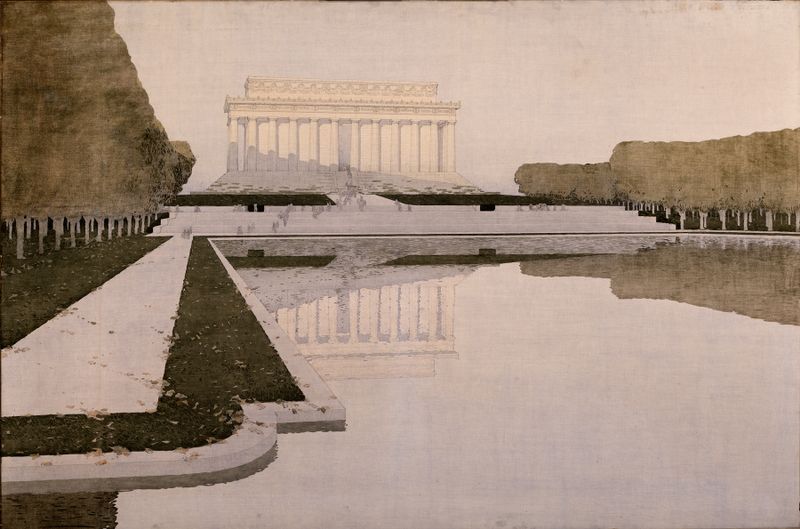
Lincoln Memorial
Henry Bacon
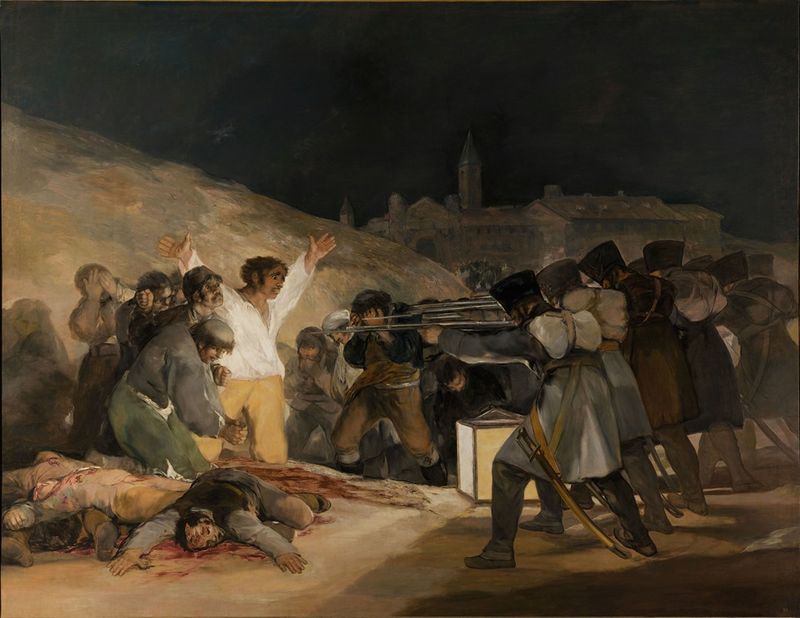
The Third of May 1808
Francisco de Goya

Isaac and Rebecca, Known as ‘The Jewish Bride’
Rembrandt van Rijn
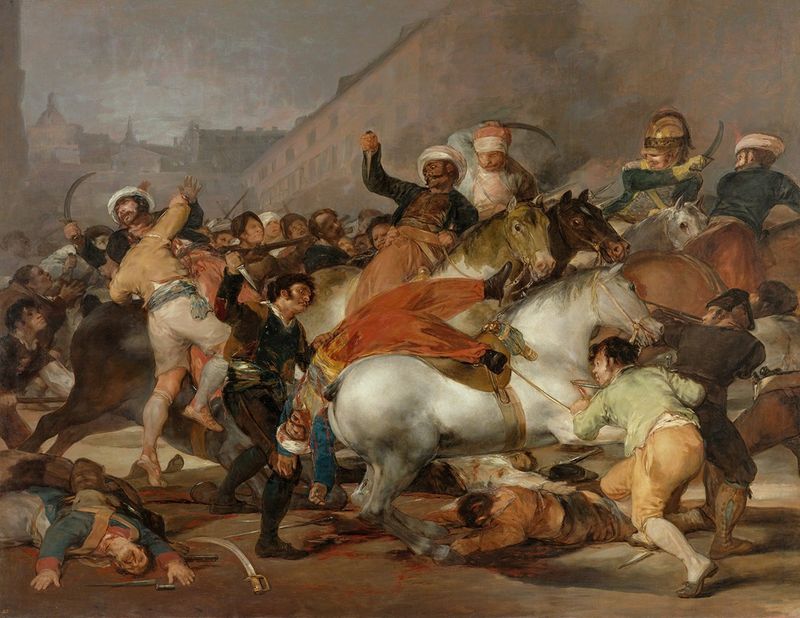
The Charge of the Mamelukes (1814)
Francisco de Goya
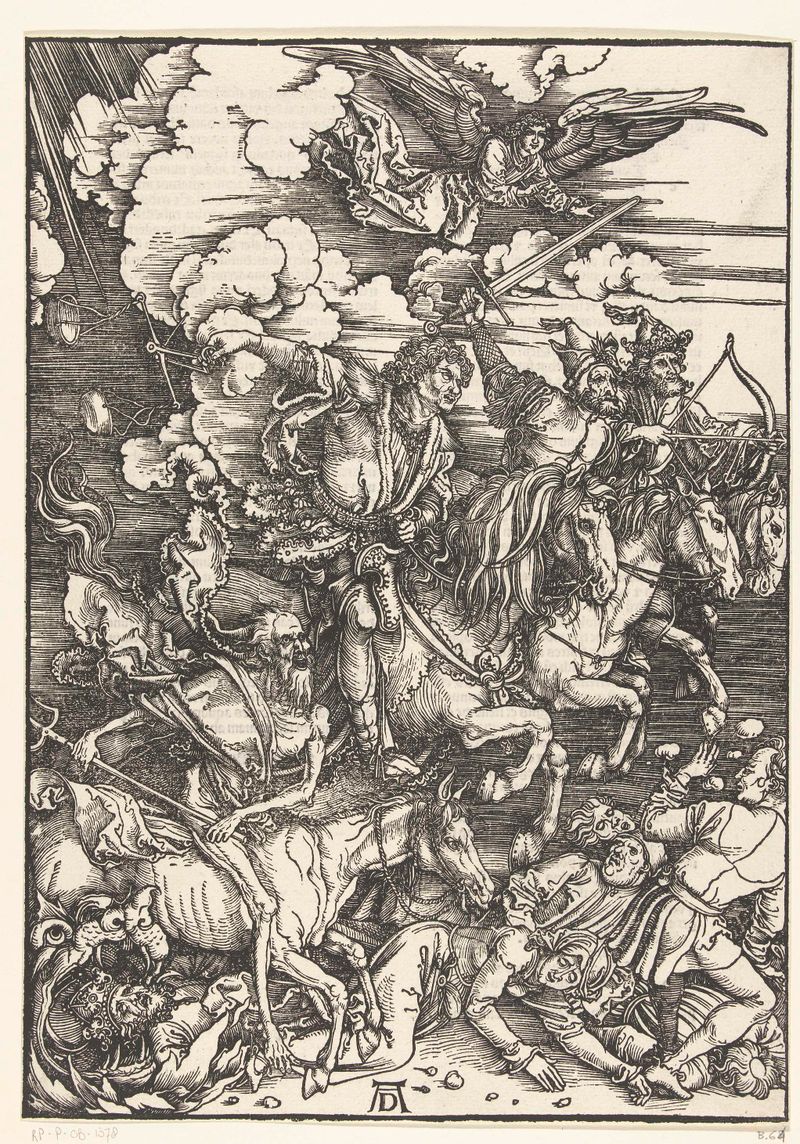
De vier ruiters van de apocalyps
Albrecht Dürer