
Cargo de los generales Maximo Gomeuz y Maceo en Mall Timpo, Dec. 15, 1895 — History & Facts
Is this a mirror — or a memory? In Cargo de los generales Maximo Gomez y Maceo en Mall Timpo, Dec. 15, 1895, a poignant moment teeters on the edge of history and reflection, inviting us to ponder the fragility of life and legacy. Look closely at the central figures, their solemn expressions and poised stances commanding your attention. Notice how the light falls upon their faces, casting shadows that accentuate the weight of their stories.
The earth-toned palette reinforces a sense of history while the subtle interplay of dark and light evokes the complexity of their experiences. The composition draws you into the foreground, creating an intimate connection with these significant characters, making their presence palpable. Delve deeper into the details, and you'll discover the layers of significance woven into the piece. The juxtaposition of strength and vulnerability in the generals' postures speaks to the duality of military power and the ever-looming shadow of mortality.
The surrounding landscape, sparse and rugged, reflects both the harsh realities of their struggle and the resilience inherent in their fight. This tension between the vitality of their mission and the inevitability of death amplifies the emotional impact of the scene. In 1905, as the world was shifting rapidly, the artist created this work amidst the broader narrative of post-colonial struggles and national identity in Cuba. Ybanez sought to commemorate the heroes of an unfinished revolution, capturing a moment that resonated with the collective memory of a nation.
This painting stands as a historical testament, rooted in the desire to honor the indomitable spirit of those who fought for freedom.
More Historical Art
Browse all →
The Night Watch Militia Company of District II under the Command of Captain Frans Banninck Cocq
Rembrandt van Rijn
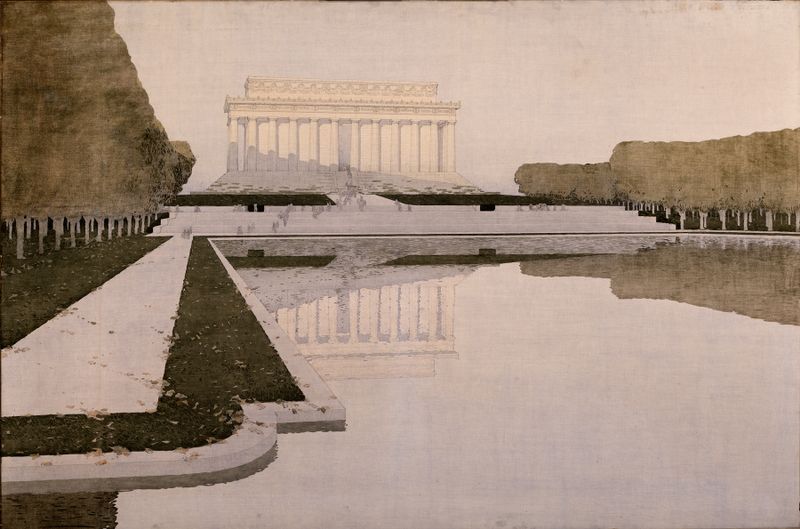
Lincoln Memorial
Henry Bacon
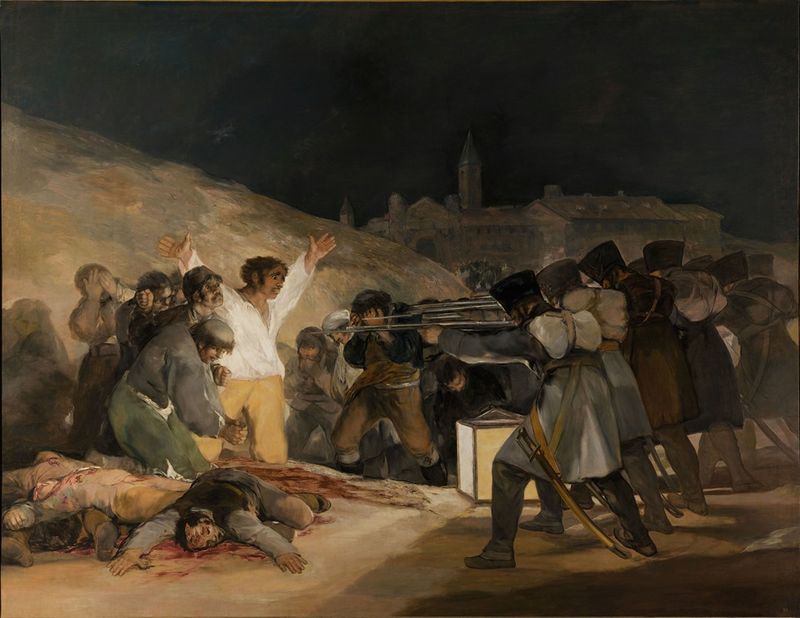
The Third of May 1808
Francisco de Goya

Isaac and Rebecca, Known as ‘The Jewish Bride’
Rembrandt van Rijn
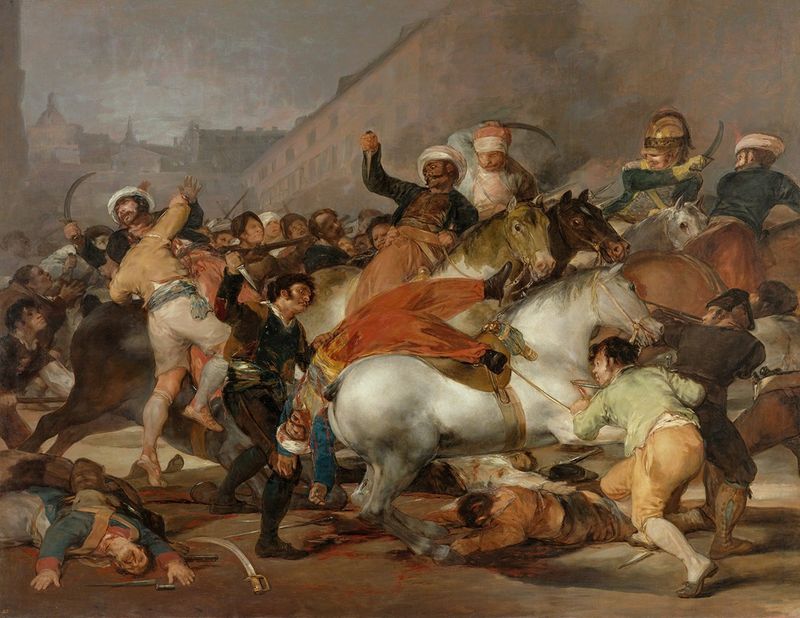
The Charge of the Mamelukes (1814)
Francisco de Goya

De vier ruiters van de apocalyps
Albrecht Dürer