
Cascade de la Birs à Correndelein — History & Facts
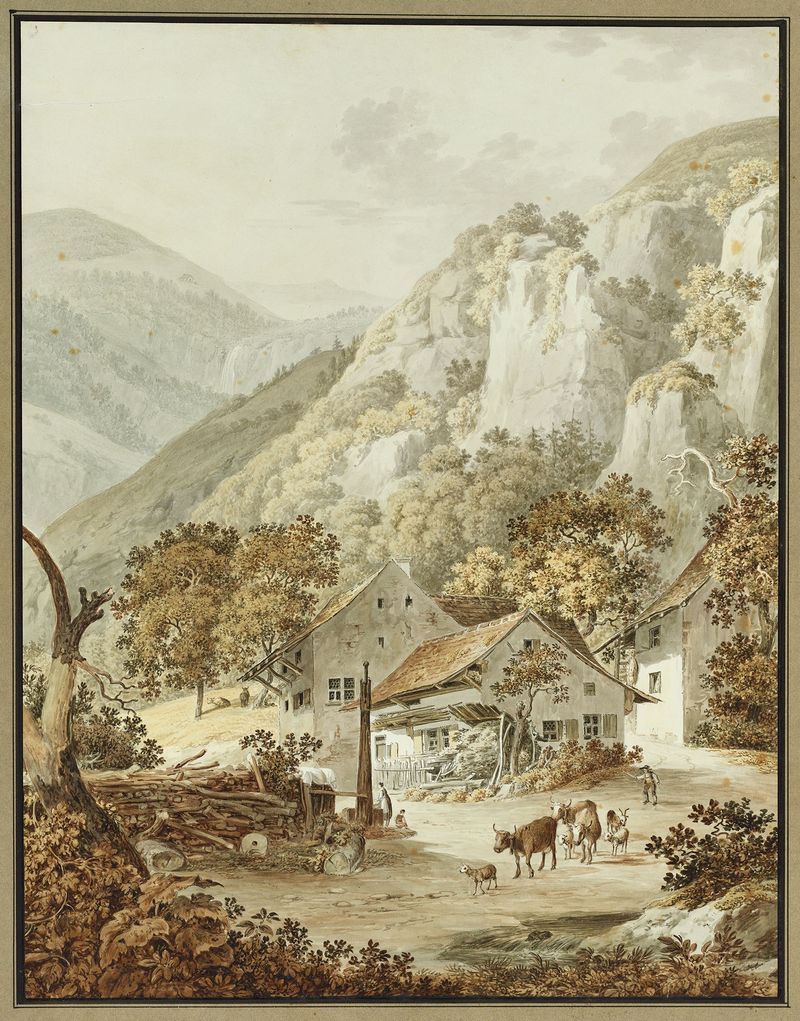
When did color learn to lie? The question lingers like a whispered secret, inviting us to peel back the layers of innocence that often cloak reality. Focus first on the vibrant cascade, where a riot of greens and blues dances across the canvas. The waterfall, in its tumultuous motion, appears almost alive, spilling over jagged rocks with an exuberance that commands attention. Notice how the light glistens on the water’s surface, creating a kaleidoscope of reflections that blur the line between nature and illusion.
Each brushstroke feels deliberate, as if Birmann sought to capture not just a scene, but a moment of pure joy and raw power. Yet amid this beauty lies a contrast that begs deeper consideration. The tranquil forest, lush and inviting, stands in stark juxtaposition to the wild, unbridled energy of the waterfall. Here, innocence is depicted in the gentle embrace of nature, yet the chaotic rush of water speaks to the relentless passage of time and the inevitability of change.
This tension between serenity and turbulence may reflect the artist's own grappling with the duality of existence—an invitation to ponder the fragile balance of life. Peter Birmann painted this work during an era marked by Romanticism's celebration of nature and emotion. While the exact date is unknown, it’s believed to have been created in the early 19th century, a time when artists were largely inspired by the transcendence found in untamed landscapes. Birmann’s dedication to realism and detail in his landscapes mirrored the broader artistic movement, while his personal experiences and surroundings likely fueled his fascination with nature’s complexities.
More Artworks by Peter Birmann
Browse all →
View from the Isteinerklotz up the Rhine toward Basel
Peter Birmann

Sursee und Umgebung mit Sempachersee und Alpen
Peter Birmann
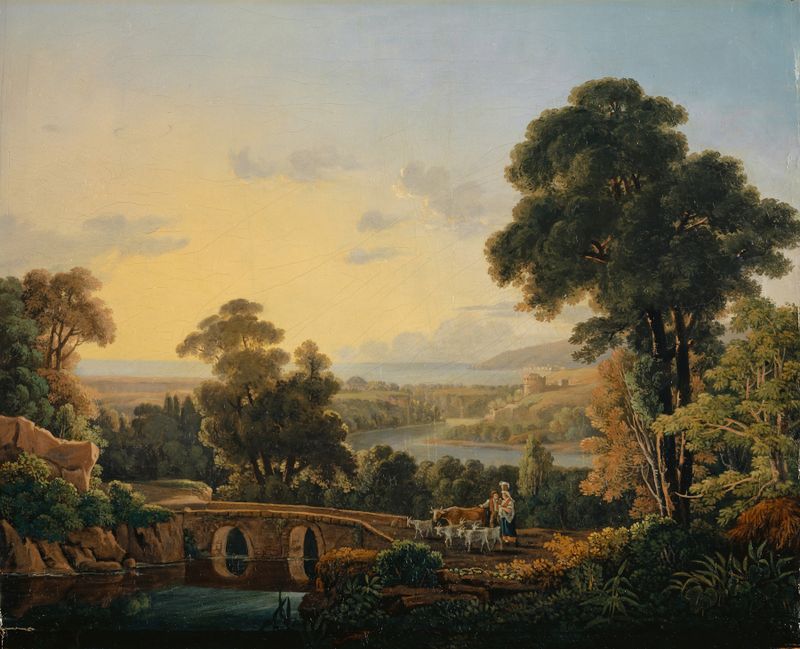
Hilly Landscape with River and Bridge
Peter Birmann
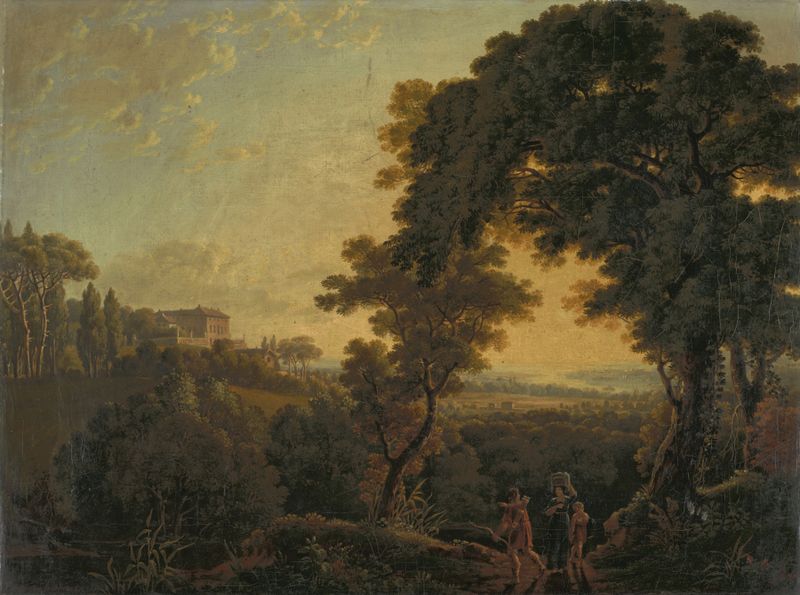
Italian Landscape, Lake Nemi
Peter Birmann

View from the Muttenz Quarry toward Basel
Peter Birmann

Entrée du Val de Moutier
Peter Birmann
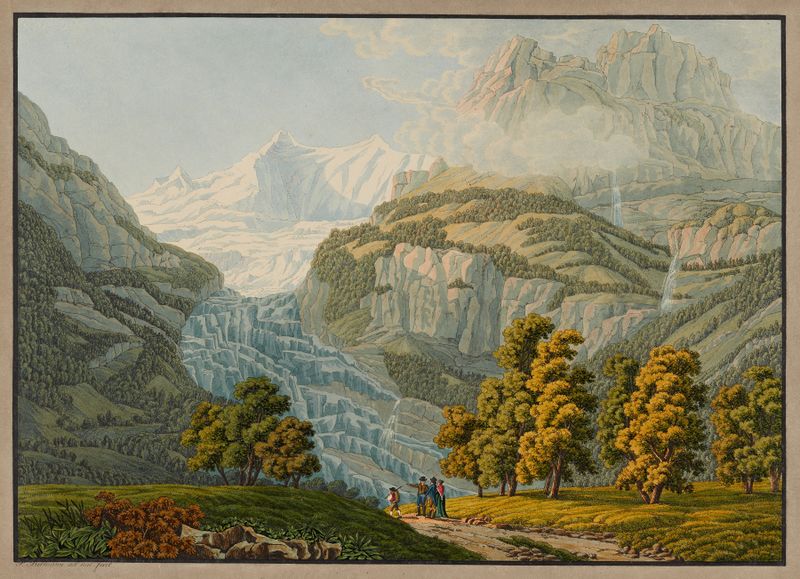
Le Glacier inférieur du Grindelwald, dans le Canton de Berne
Peter Birmann
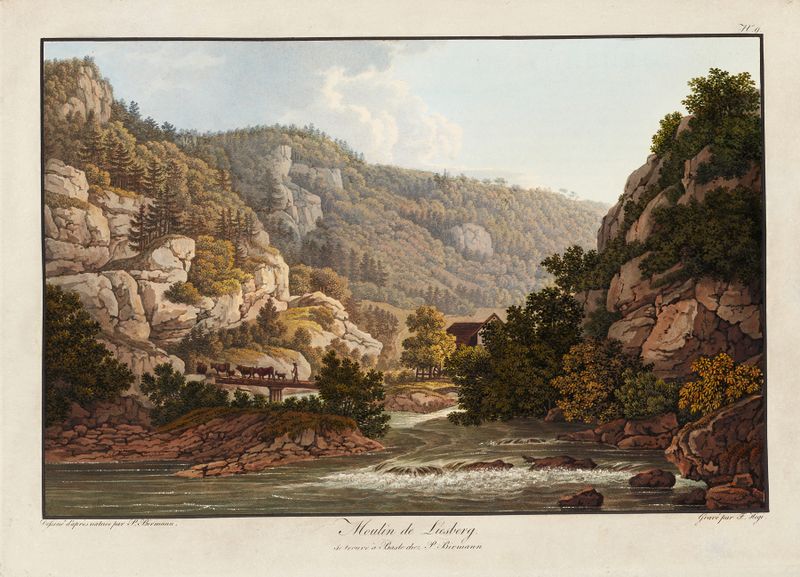
Moulin de Liesberg
Peter Birmann

Blick vom Muttenzer Steinbruch auf Basel (‘Environs de Bâle. prise sur la Carriere de Muttentz’)
Peter Birmann
Dorfpartie im Basler Jura
Peter Birmann





