
Moulin de Liesberg — History & Facts
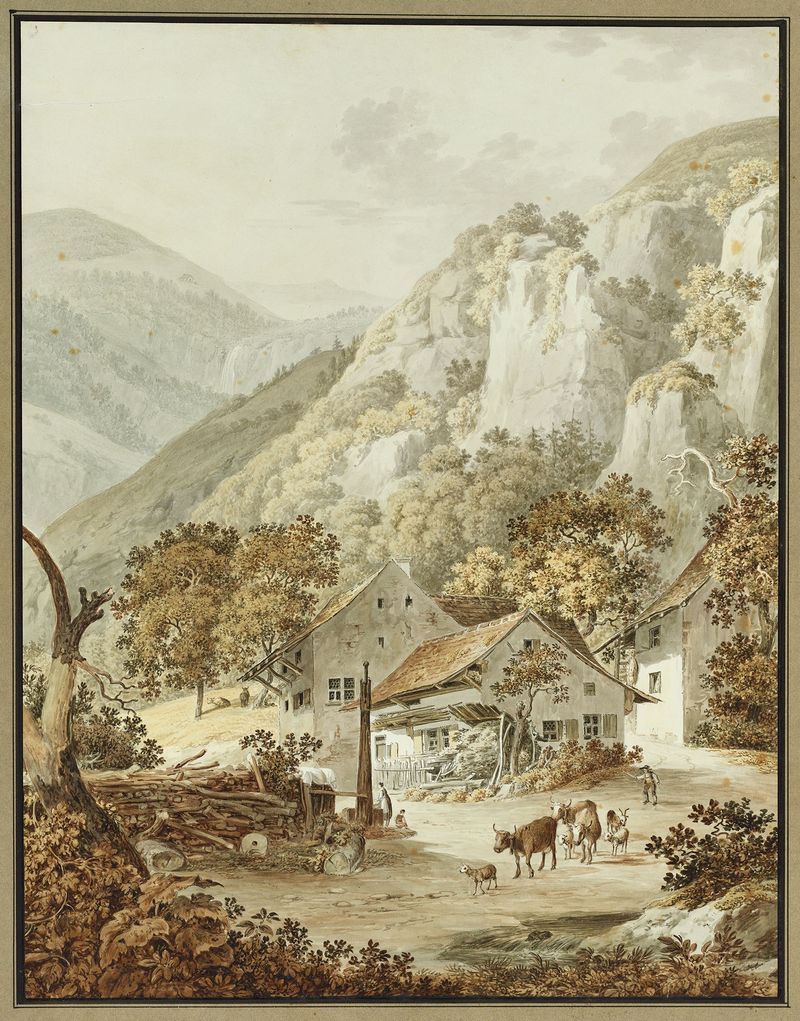
Where does light end, and longing begin? In the interplay of shadow and illumination, the boundaries of existence blur, revealing the fragility of life itself. Look to the center of the canvas, where the sun-drenched mill stands proud against the vivid blues and greens of the landscape. Notice how the soft, golden light envelops the structure, casting delicate reflections in the water below. Birmann’s brushwork, a harmonious blend of realism and impressionism, creates a shimmering effect that breathes life into the scene, while the surrounding foliage dances gently in the breeze, adding a sense of movement and vitality. Beneath the surface, the painting pulsates with emotional tension.
The mill, a symbol of industriousness and permanence, contrasts with the ephemeral nature of the moment captured. Think of how the lively foliage embodies the spirit of life, yet hints at inevitable decay, reminding us that even the most vibrant scenes are steeped in mortality. Subtle variations of color and light evoke feelings of nostalgia, urging the viewer to contemplate the transient beauty of existence. Created at an undetermined time, Birmann's work reflects a period of transition in the art world, where romanticism met the emerging trends of realism.
While little is known about the artist's specific circumstances during this time, the themes of life, light, and longing that permeate Moulin de Liesberg are indicative of an artist grappling with the fleeting nature of experience amid the evolving landscape of European art.
More Artworks by Peter Birmann
Browse all →
View from the Isteinerklotz up the Rhine toward Basel
Peter Birmann

Sursee und Umgebung mit Sempachersee und Alpen
Peter Birmann
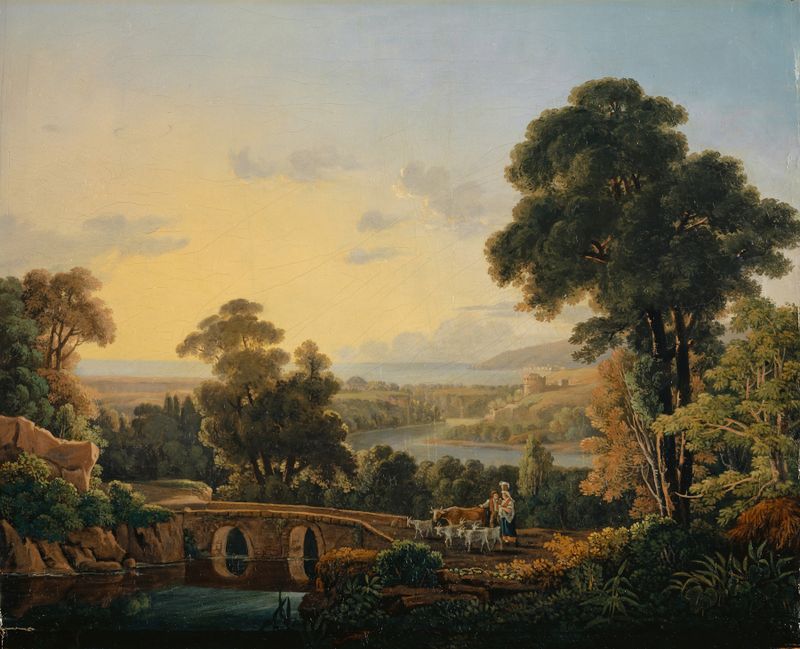
Hilly Landscape with River and Bridge
Peter Birmann
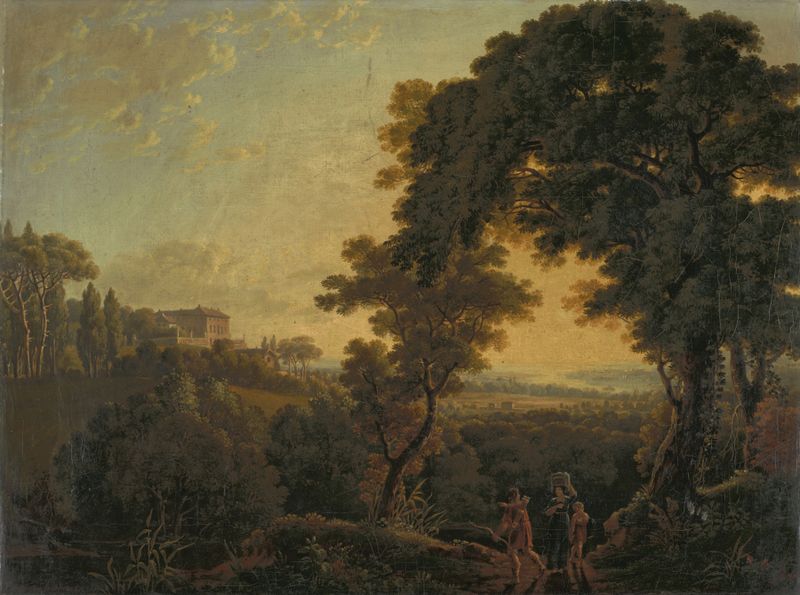
Italian Landscape, Lake Nemi
Peter Birmann

View from the Muttenz Quarry toward Basel
Peter Birmann

Entrée du Val de Moutier
Peter Birmann
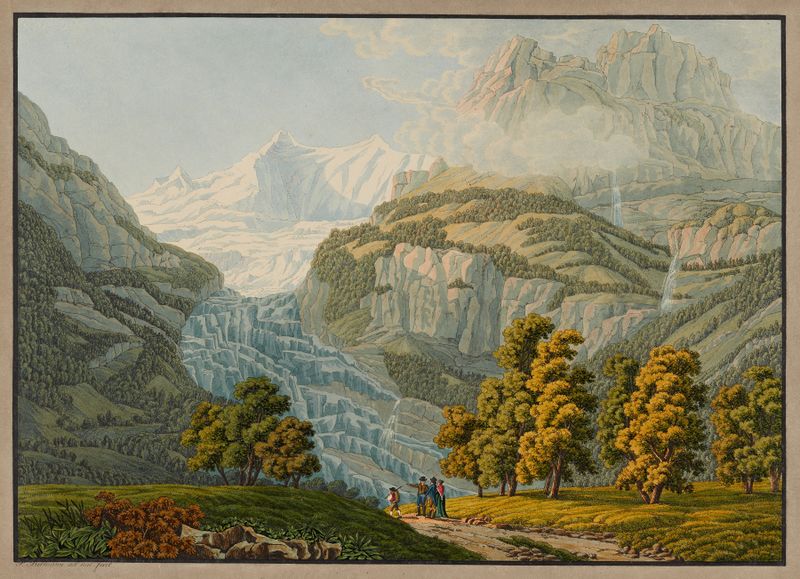
Le Glacier inférieur du Grindelwald, dans le Canton de Berne
Peter Birmann

Blick vom Muttenzer Steinbruch auf Basel (‘Environs de Bâle. prise sur la Carriere de Muttentz’)
Peter Birmann
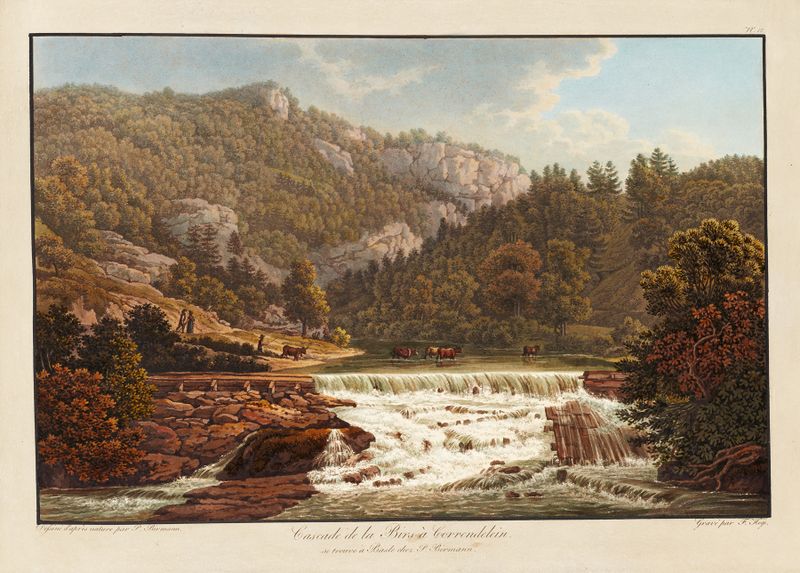
Cascade de la Birs à Correndelein
Peter Birmann
Dorfpartie im Basler Jura
Peter Birmann





