Castlefern — History & Facts
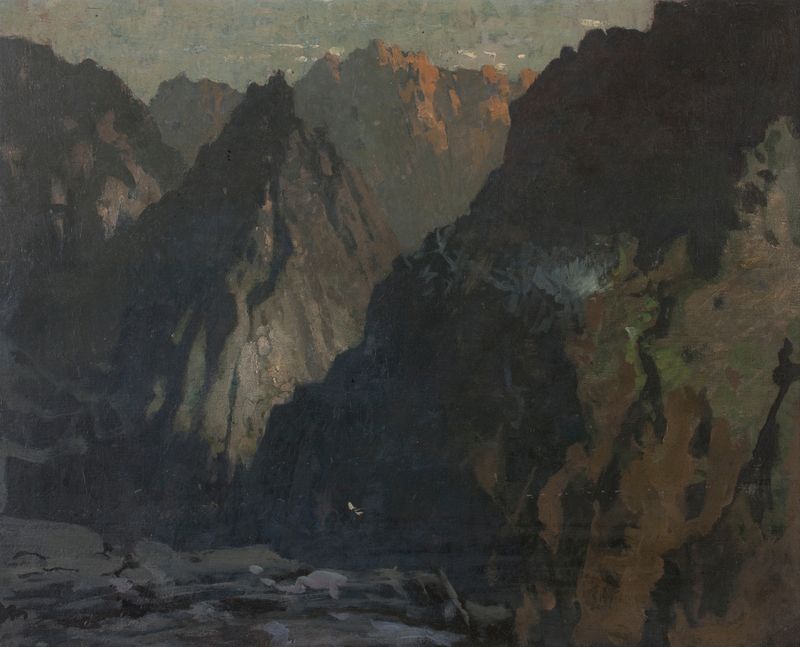
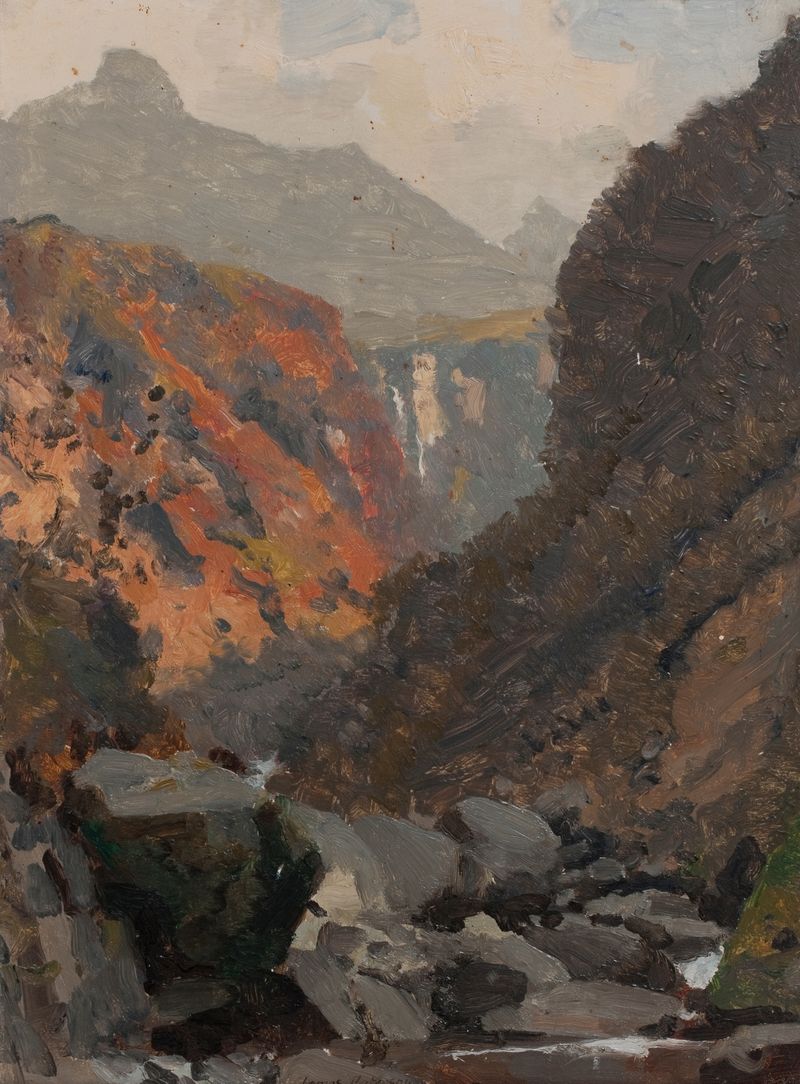
Art reveals the soul when the world turns away. In the embrace of a verdant landscape, where nature and imagination intertwine, the essence of awe finds its form. Look to the left at the towering trees, their majestic trunks stretching toward the sky, cloaked in a rich tapestry of greens. The delicate play of light and shadow dances across the canvas, hinting at the time of day—a moment where dusk softens the edges of reality.
Notice how the gentle strokes capture the patterns of leaves, each one a whisper of the wind, while a meandering path invites your gaze through this enchanting realm. Beneath the surface, contrasts pulse with life. The vibrancy of the foliage coexists with the subtle melancholy of the empty paths, suggesting a place once alive with laughter and voices, now silent. The interplay of light suggests transience; it evokes a feeling of nostalgia, as if time pauses momentarily to let us absorb the beauty surrounding us.
Each brushstroke captures a moment suspended between the seen and the unseen, inviting viewers to reflect on their own encounters with nature's splendor. During the late 19th century, Paterson painted Castlefern amidst a flourishing movement of Scottish landscape painting. As he captured this scene, he was influenced by the natural beauty of Scotland and the growing appreciation for capturing the emotional resonance of landscapes. This period marked a shift in how artists approached nature, marrying realistic observation with expressive interpretation, a philosophy that resonated deeply within his work.