
Cathedral — History & Facts
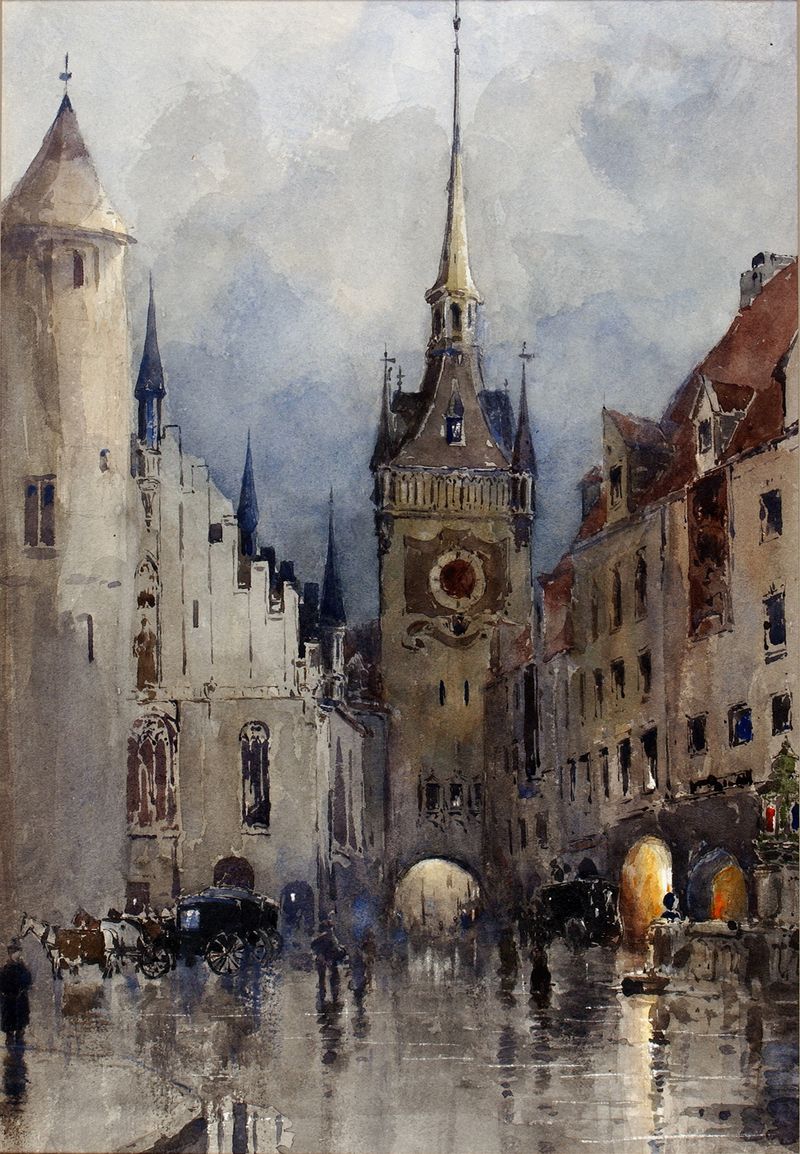
In a world often overshadowed by despair, the flicker of hope shines brightest against the darkest canvases, reminding us of the resilience within. Focus on the foreground, where intricate details of the cathedral’s façade command your attention. The towering spires rise majestically, each stone meticulously rendered with a precision that speaks to the artist’s reverence for architecture. Notice how light pours in through the stained-glass windows, casting a kaleidoscope of colors that dance across the stone.
The vibrant hues contrast beautifully with the somber grays of the building, creating an interplay between reverence and vibrancy that holds the viewer captive. Look closely, and you’ll find subtle elements—perhaps a solitary figure in prayer or a creeping vine that hints at nature’s persistent reclamation. These details evoke a quiet tension between the permanence of faith and the fragility of existence. The cathedral stands as a testament to human aspiration, yet the fading colors in the background suggest the inevitable passage of time, reminding us that hope is both a fleeting and enduring force. In the period around the painting's creation, Ross Sterling Turner was immersed in a transformative art scene, deeply inspired by the romanticism of architecture and its spiritual connotations.
While the exact date remains elusive, it is believed that the artist worked during a time when the quest for meaning in art was paramount, reflecting societal shifts that called for both contemplation and celebration of resilience.
More Artworks by Ross Sterling Turner
Browse all →
More Architecture Art
Browse all →
The statue of Liberty
Frédéric Auguste Bartholdi

View of Houses in Delft, Known as ‘The Little Street’
Johannes Vermeer

View of Houses in Delft, Known as ‘The Little Street’
Johannes Vermeer

The Cathedral in Rouen. The portal, Grey Weather
Claude Monet

The yellow house
Vincent van Gogh

The Church in Auvers-sur-Oise, View from the Chevet
Vincent van Gogh