Cathedral, Milan — History & Facts
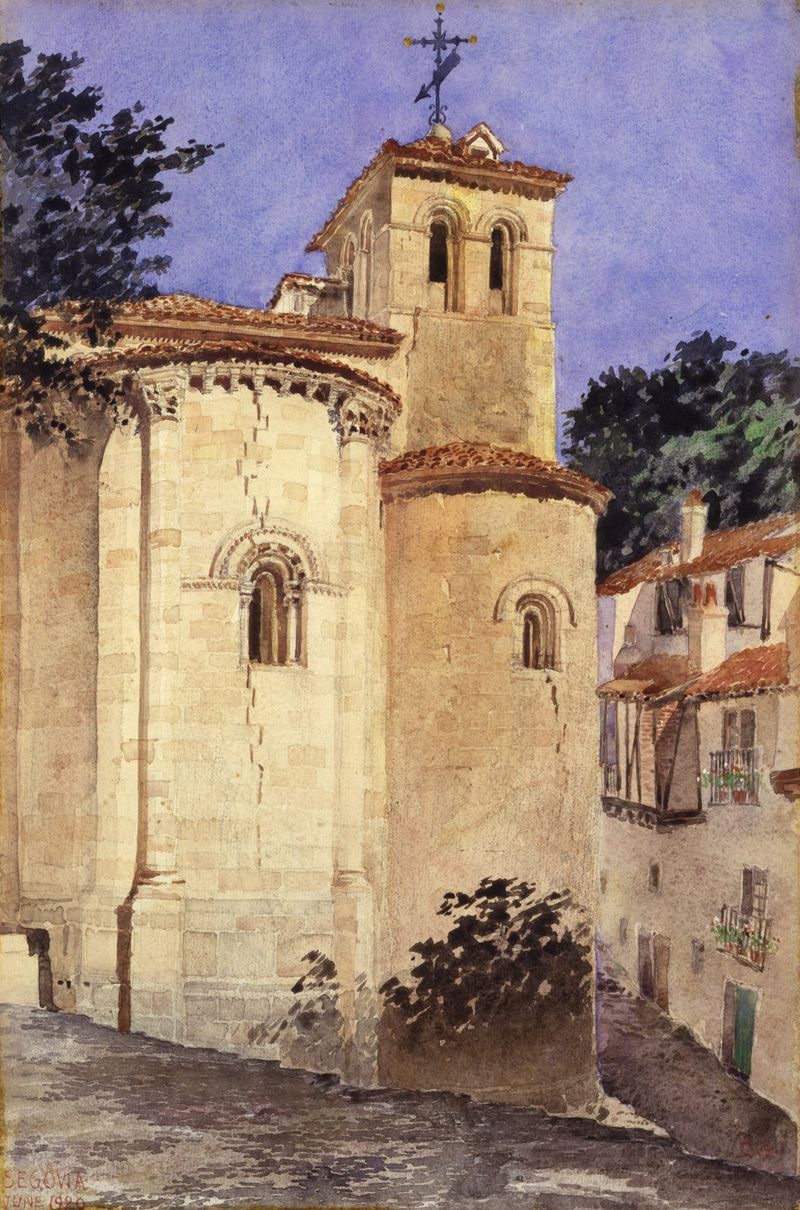
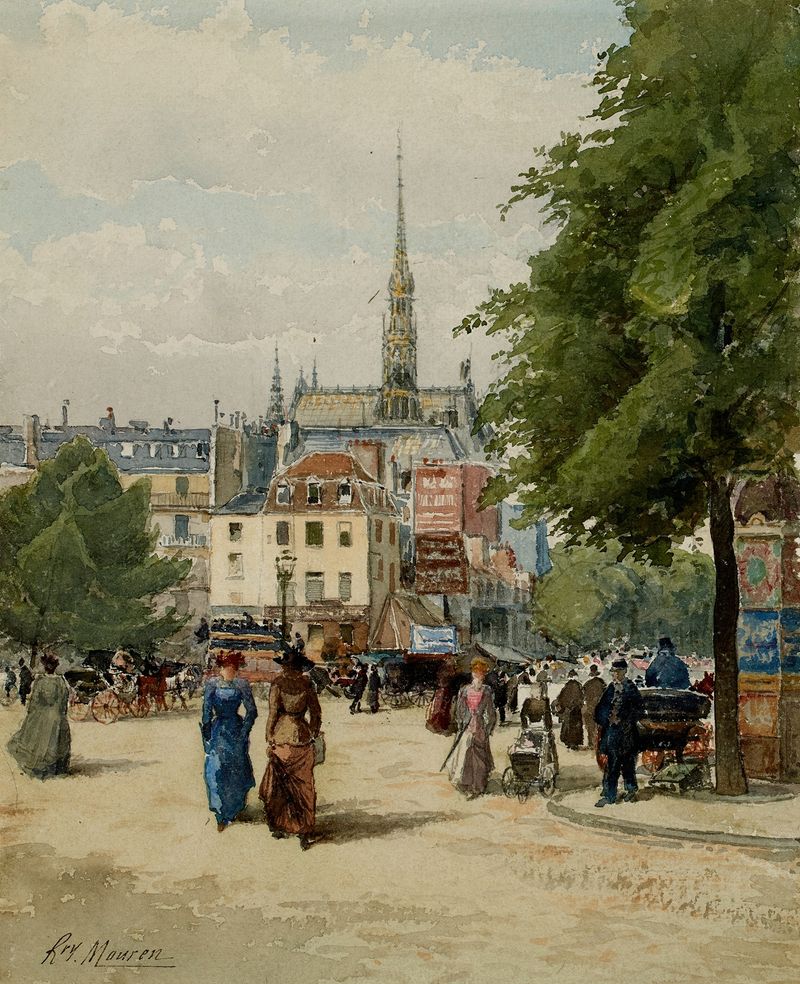
Did the painter know this moment would outlive them? A fleeting glance upon the grand façade of a cathedral can evoke a sense of awe that transcends time and place, capturing the spirit of faith, artistry, and human aspiration. Focus your gaze on the intricate stonework that adorns the towering spires; each chiseled figure seems to whisper the stories of countless souls who have entered beneath those arches. Notice how the light dances across the surface, illuminating the vibrant details of the stained glass windows, creating a kaleidoscope of colors that breathe life into the otherwise solemn structure. The careful brushwork draws you in, compelling you to explore the myriad textures, from the smoothness of the marble to the roughness of the weathered stones. Delve deeper into the contrasting elements at play: the permanence of the stone against the ephemeral beauty of light, and the peace of the cathedral’s interior juxtaposed with the chaos of life outside its walls.
This dichotomy reflects an emotional tension within the artwork, as if the cathedral stands as a sanctuary against the storm of existence. The viewer is invited to contemplate the shared human experience of seeking solace and understanding in the face of uncertainty. In the late 19th century, during a period marked by rapid industrialization and shifting cultural landscapes, Otto Henry Bacher was captivated by the architectural splendor of Europe. While creating this piece, he sought to encapsulate the timelessness of sacred spaces amidst a changing world, reflecting the nostalgia and reverence that many artists felt during this transformative era.
More Artworks by Otto Henry Bacher
Browse all →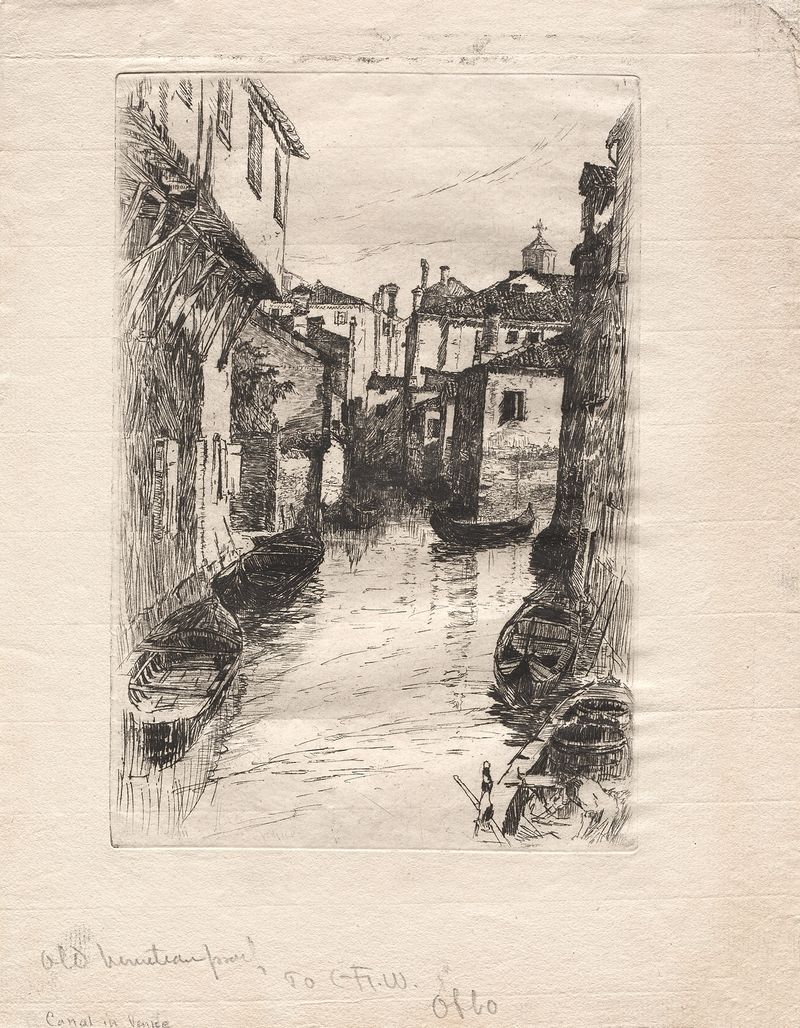
Canal in Venice
Otto Henry Bacher
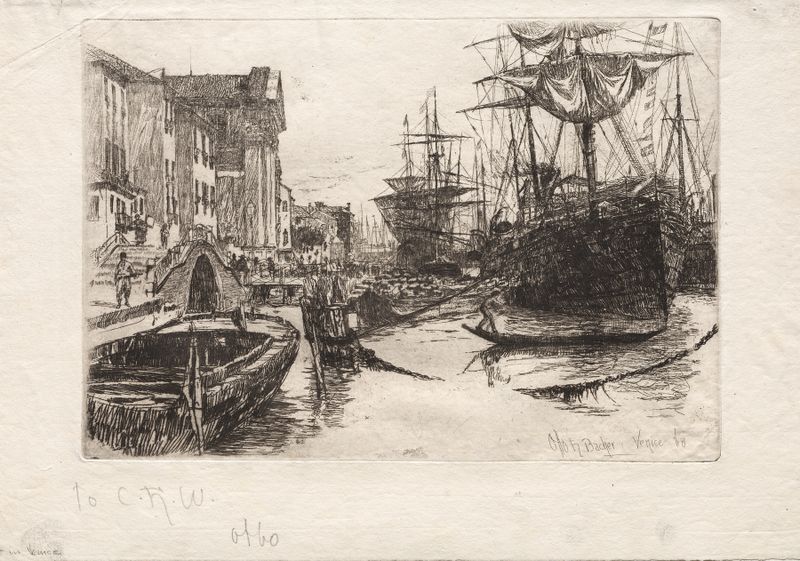
View in Venice
Otto Henry Bacher
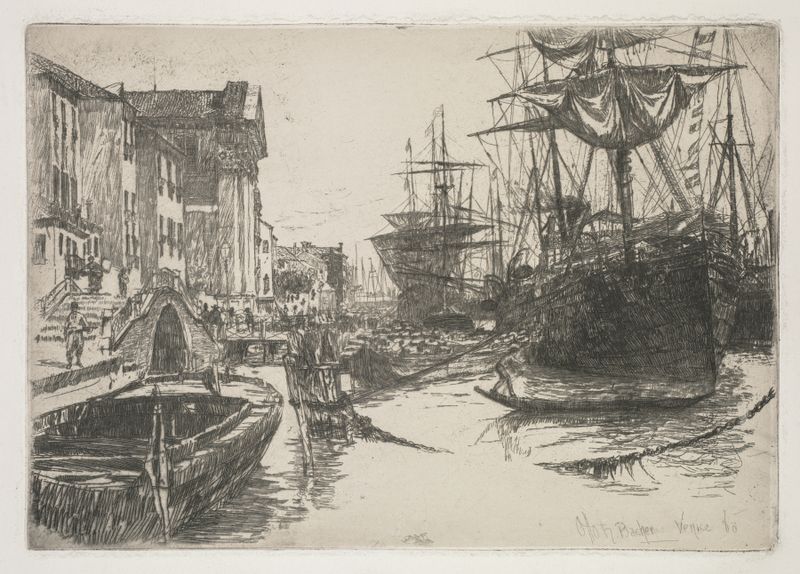
Fondamenta della Zattere
Otto Henry Bacher
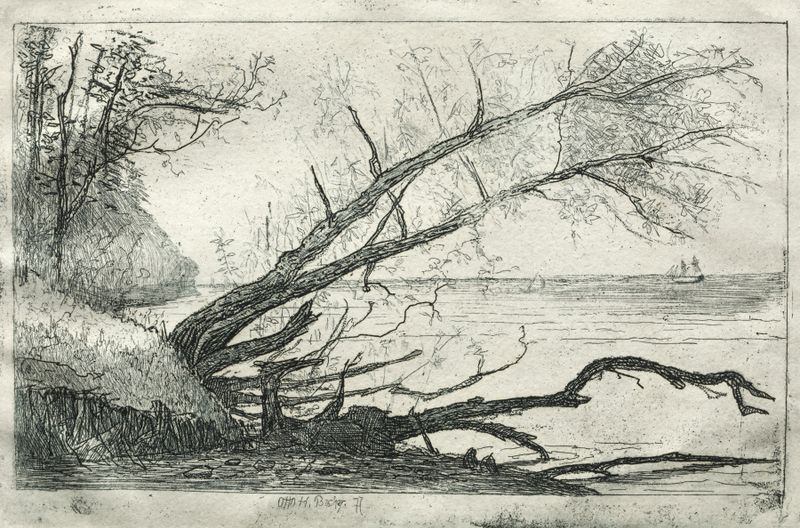
Old Sycamore
Otto Henry Bacher
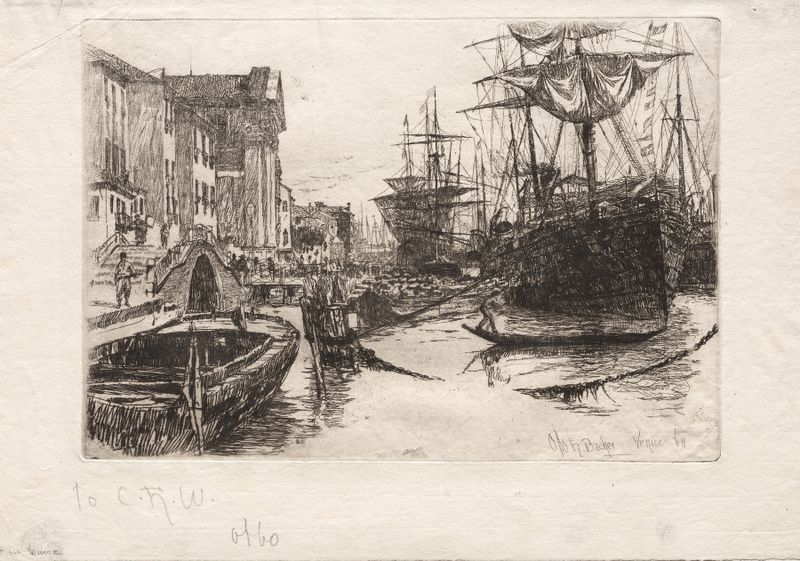
View in Venice
Otto Henry Bacher
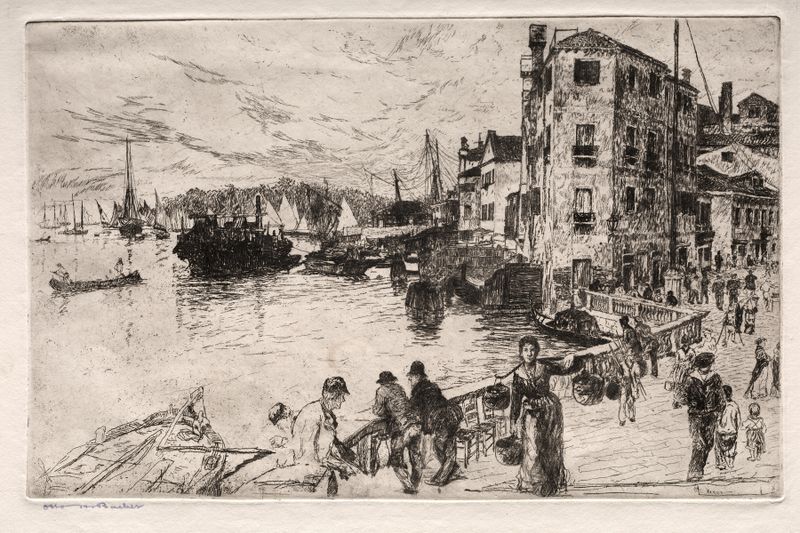
Castello Quarters, Riva
Otto Henry Bacher
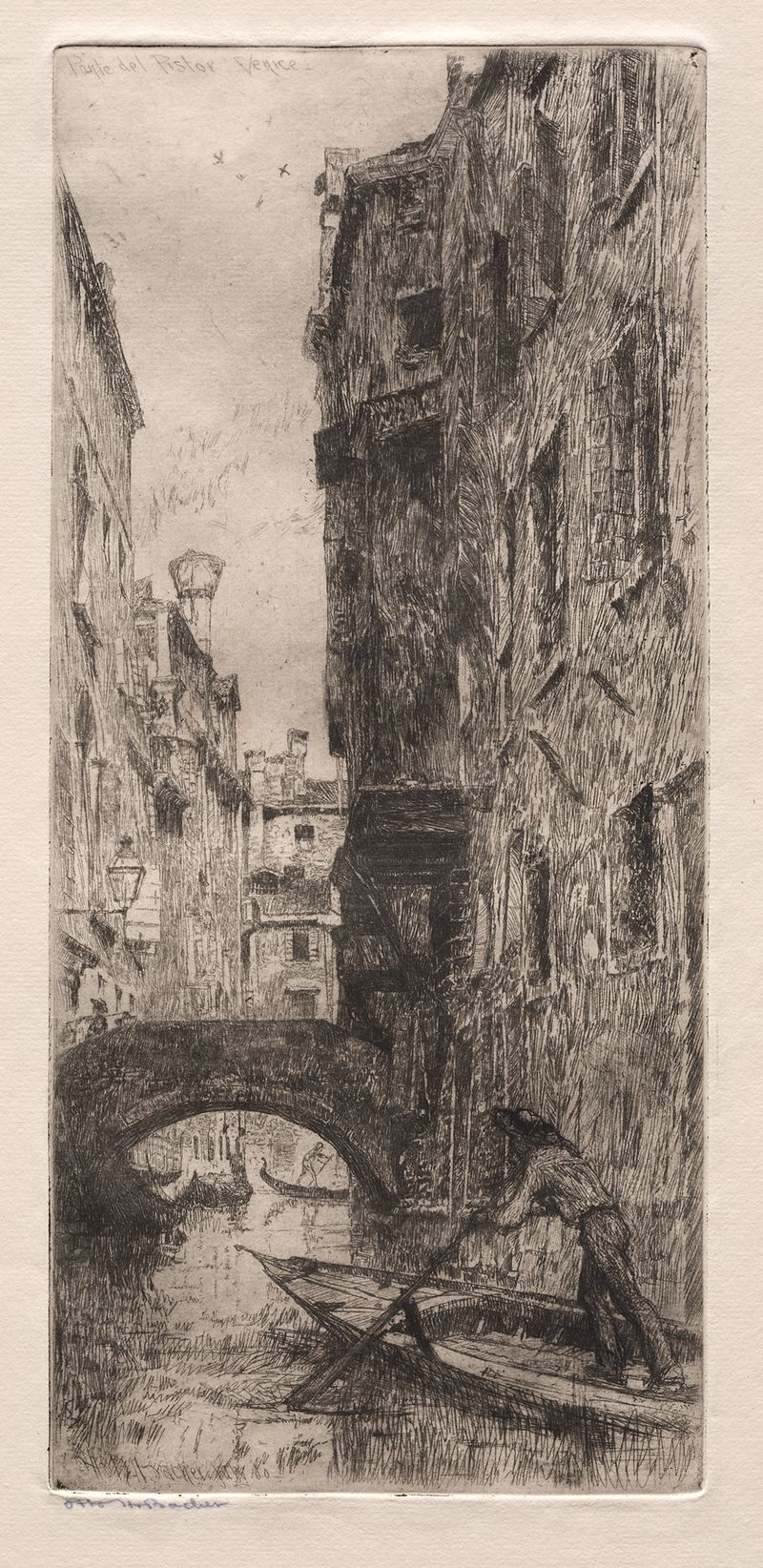
Ponte del Pistor, Venice
Otto Henry Bacher
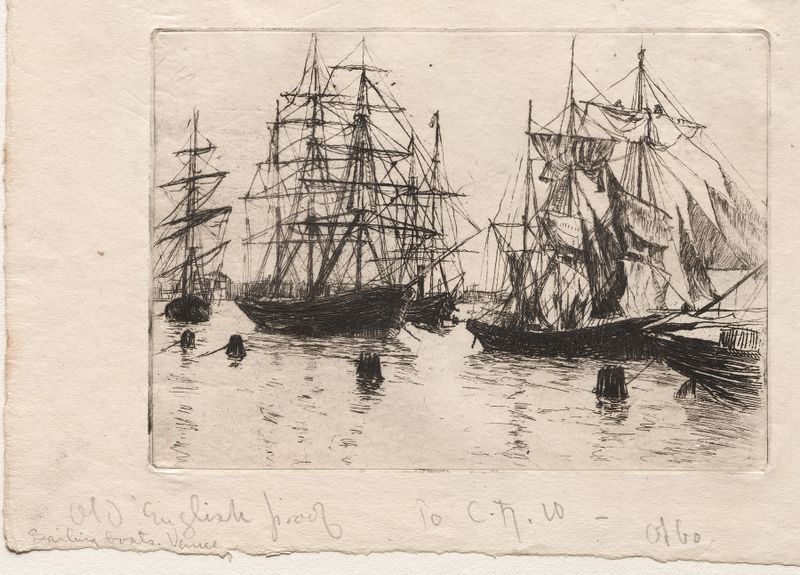
Sailing Boats, Venice
Otto Henry Bacher
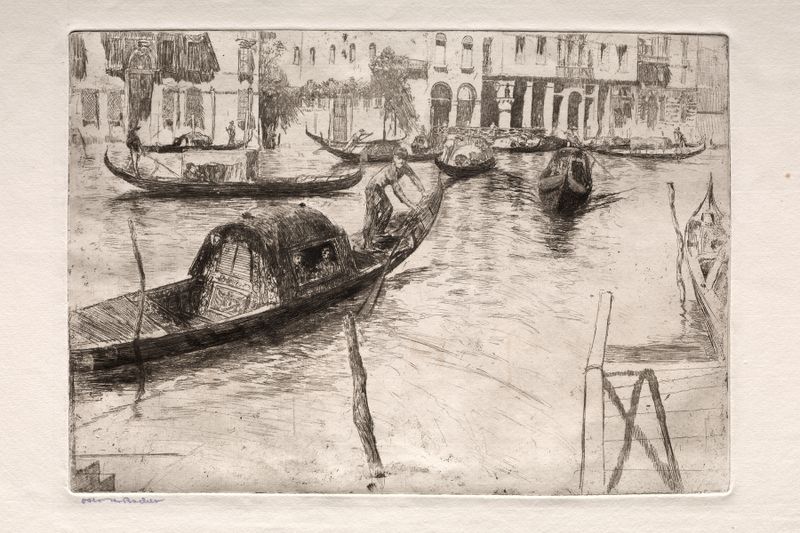
Traghetto San Felice
Otto Henry Bacher
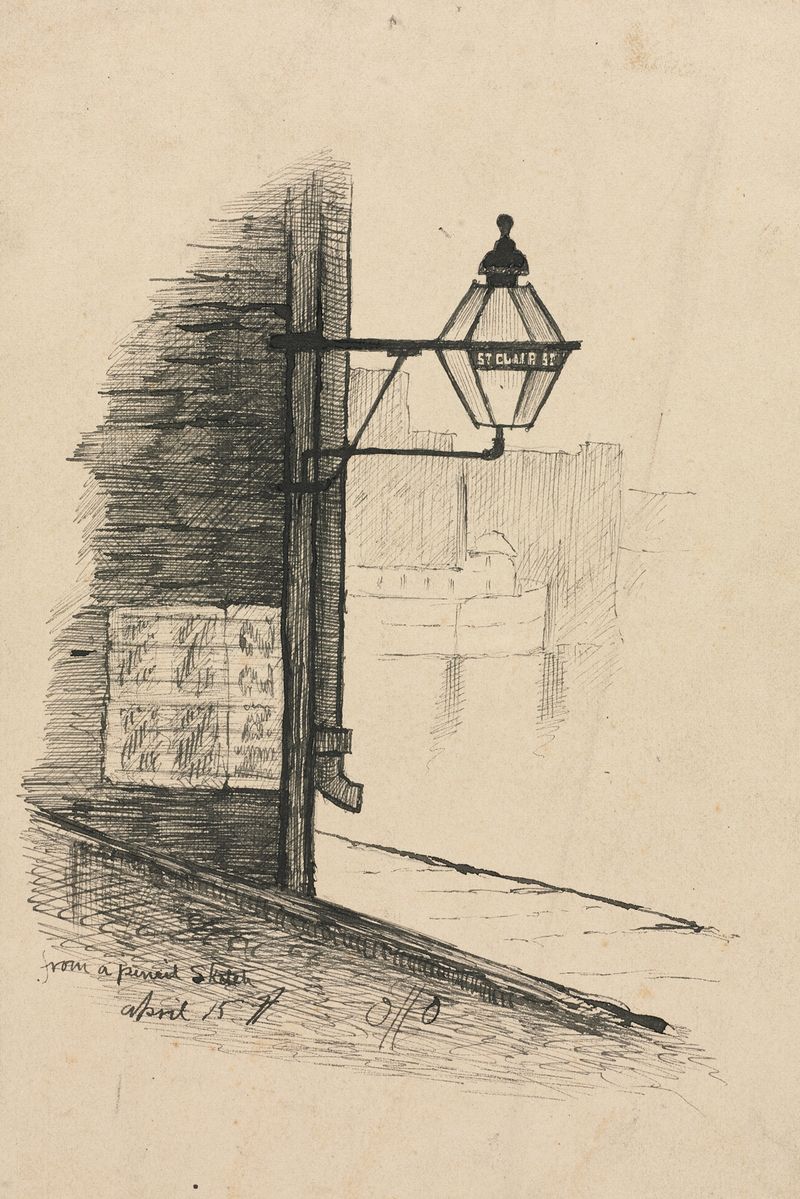
St. Clair Street, Cleveland
Otto Henry Bacher