
Old Sycamore — History & Facts
In those quiet moments when nature stands still, we glimpse fragments of the divine. Otto Henry Bacher’s Old Sycamore embodies this reflection, inviting the viewer to explore a larger narrative woven through the branches of a solitary tree. Begin your journey by looking closely at the gnarled trunk, where the interplay of shadow and light draws the eye. Notice how Bacher skillfully employs earthy browns and vibrant greens to create depth, giving the impression that the tree is both ancient and alive.
The textured brushstrokes convey the roughness of the bark, while the delicate leaves dance in a soft breeze, hinting at a world beyond the canvas. Every element works in concert to evoke a sense of serenity and reverence. Delve deeper and observe the subtle contrast between the sturdy trunk and the ethereal sky, which hints at transience. The juxtaposition of permanence and change resonates powerfully, reflecting the cycle of life and the fleeting beauty within it.
Each leaf and branch seems to whisper untold stories, encouraging introspection and evoking a lingering sense of nostalgia for what once was. This harmony speaks to a divine truth that lies just beneath the surface of our daily existence. In 1877, Bacher painted this piece during a pivotal time in his artistic journey, as he sought to blend realism with a spirit of lyricism. Living in the United States, he was influenced by the landscape and subject matter that surrounded him, while also absorbing the European artistic movements that shaped his vision.
As he captured this old sycamore, he was not only documenting nature but also seeking to convey a deeper connection between the earth and the divine, a pursuit that resonated with many of his contemporaries.
More Artworks by Otto Henry Bacher
Browse all →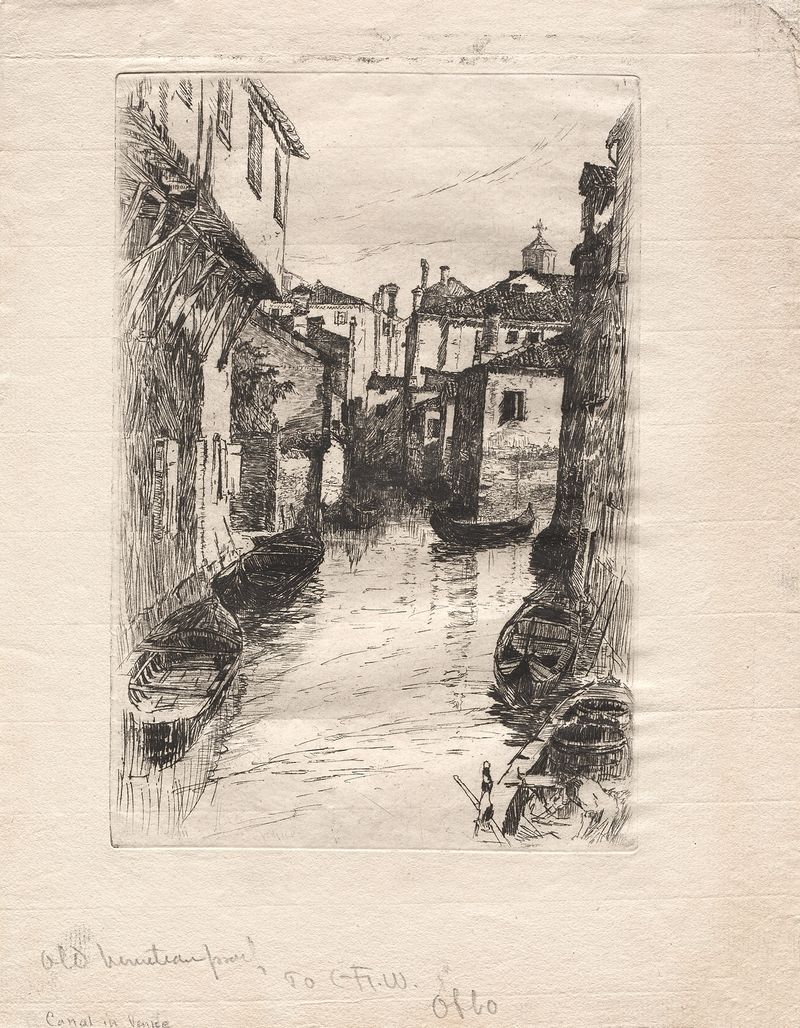
Canal in Venice
Otto Henry Bacher
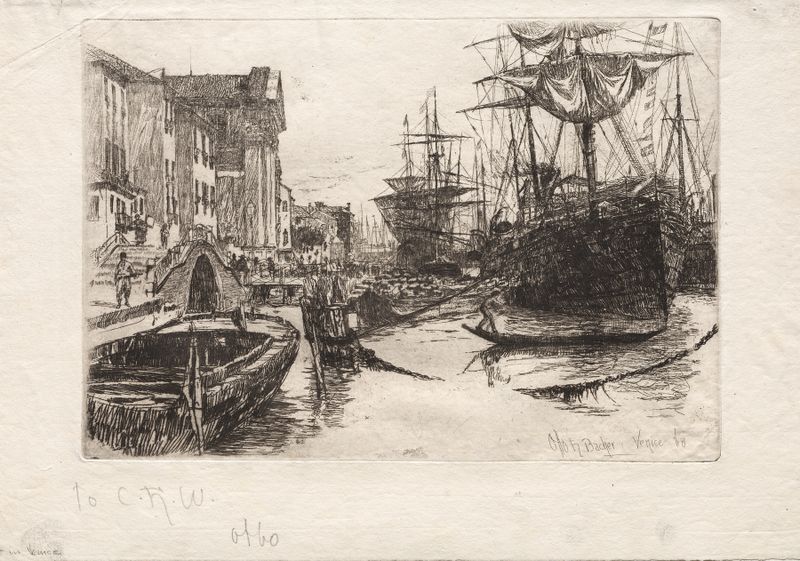
View in Venice
Otto Henry Bacher
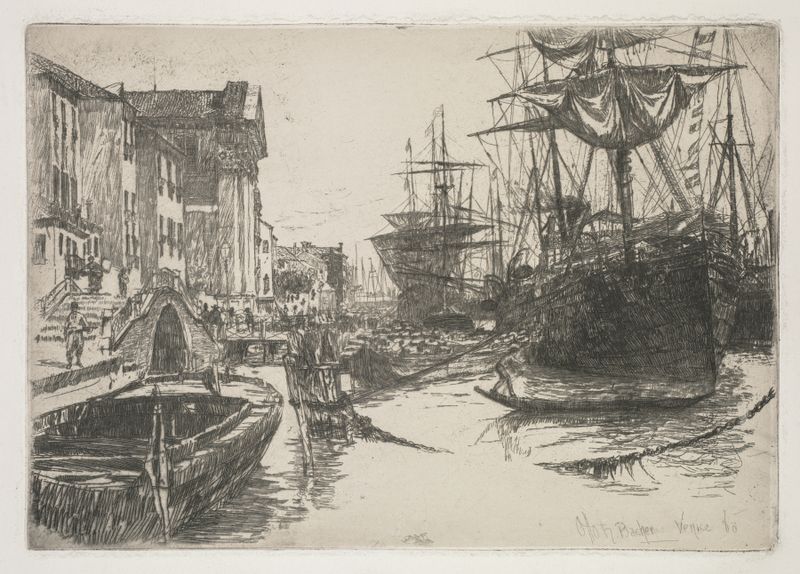
Fondamenta della Zattere
Otto Henry Bacher
View in Venice
Otto Henry Bacher
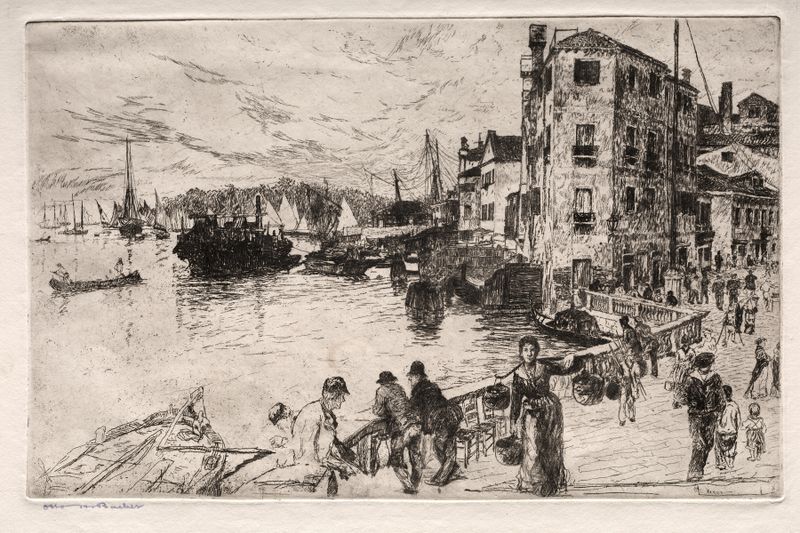
Castello Quarters, Riva
Otto Henry Bacher
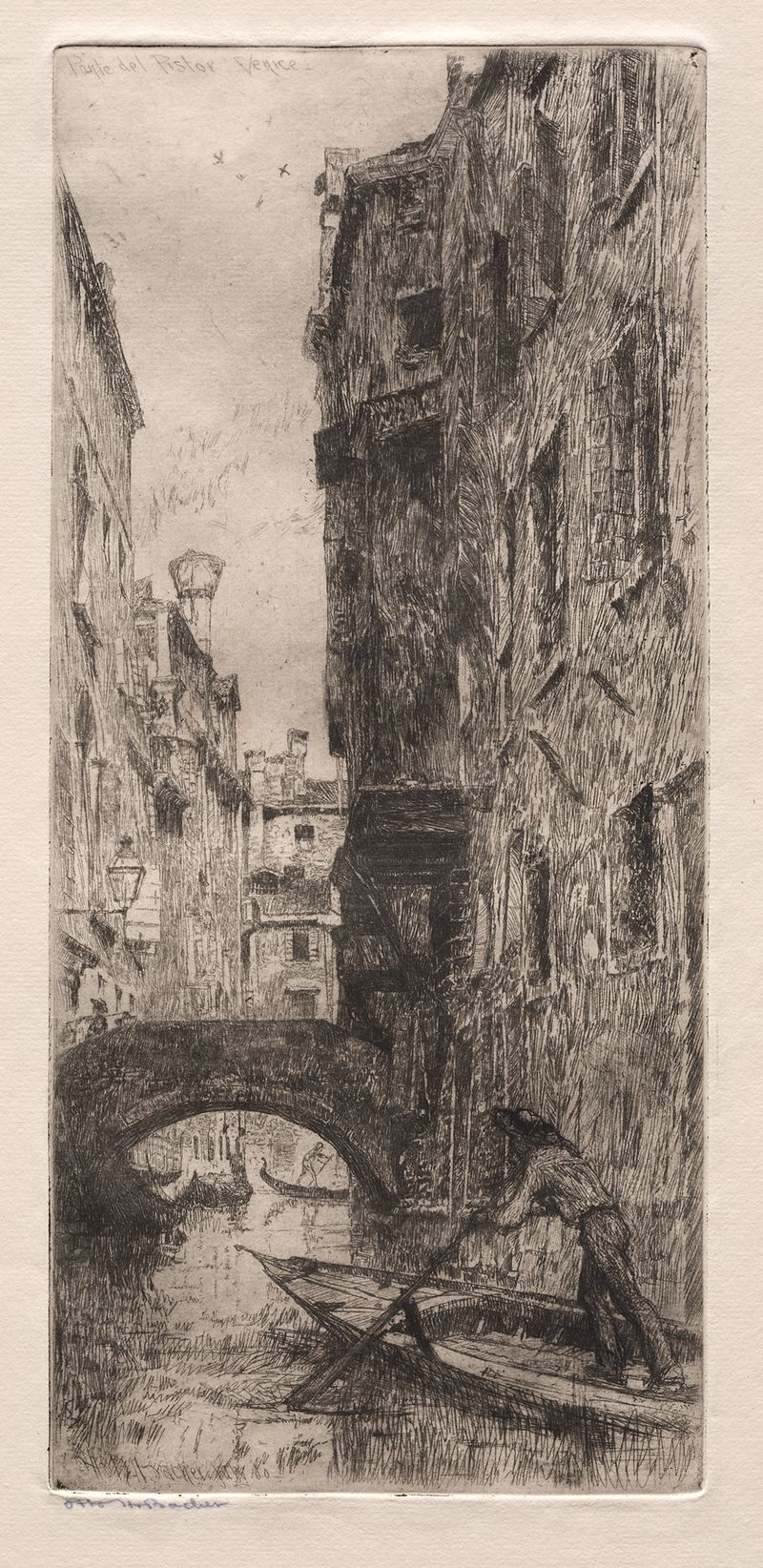
Ponte del Pistor, Venice
Otto Henry Bacher
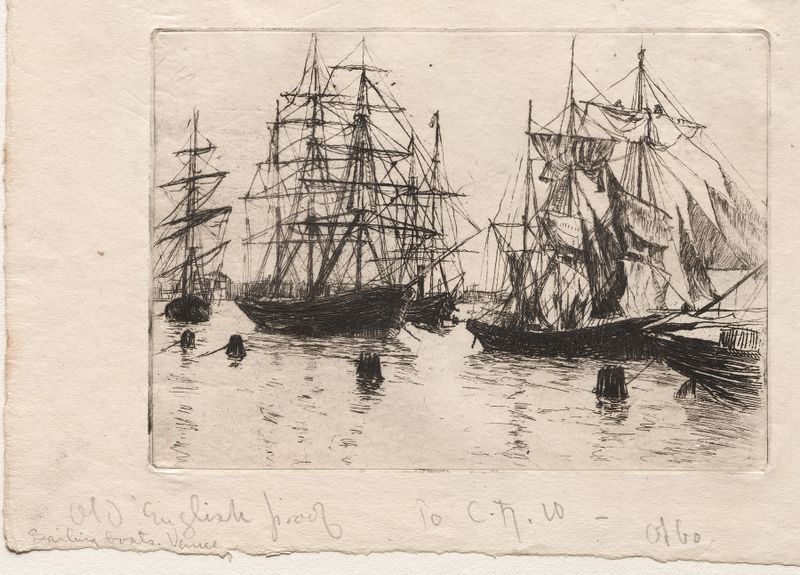
Sailing Boats, Venice
Otto Henry Bacher
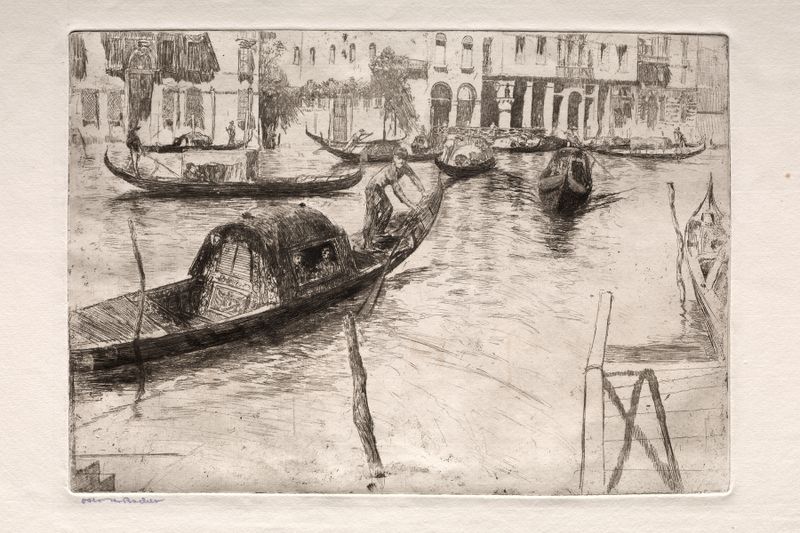
Traghetto San Felice
Otto Henry Bacher
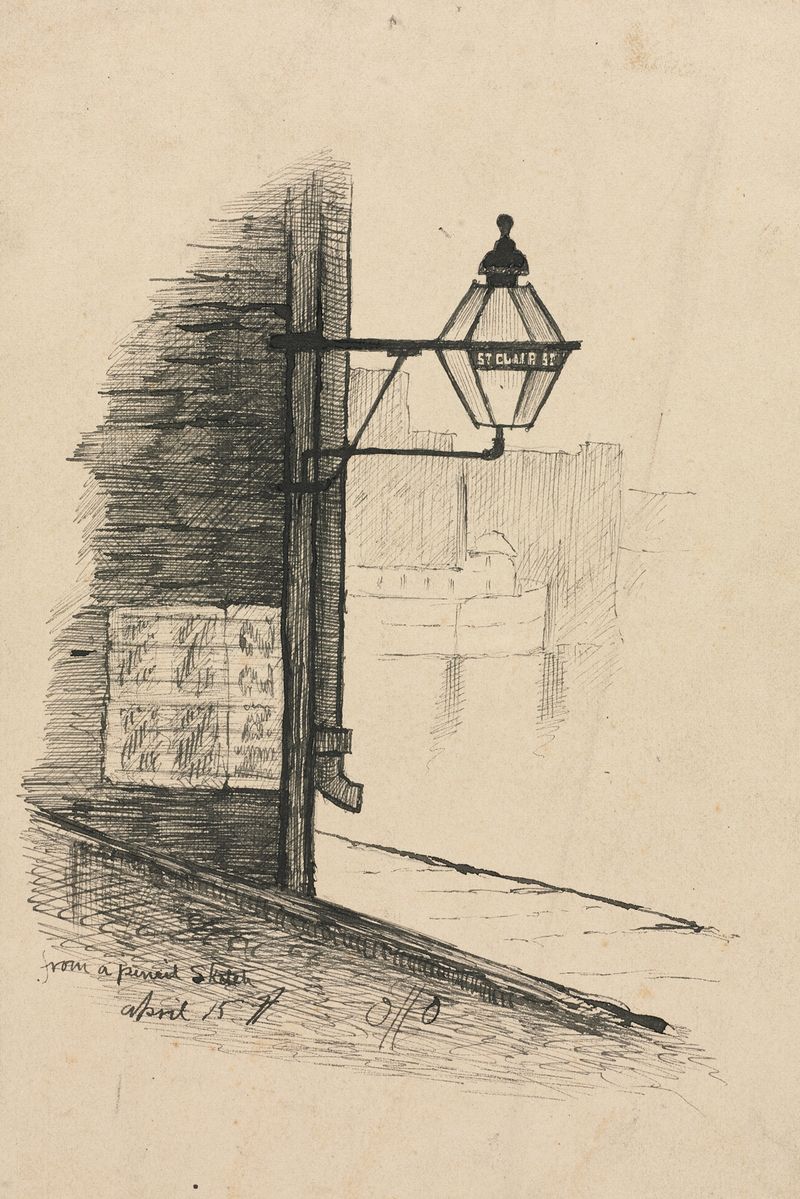
St. Clair Street, Cleveland
Otto Henry Bacher
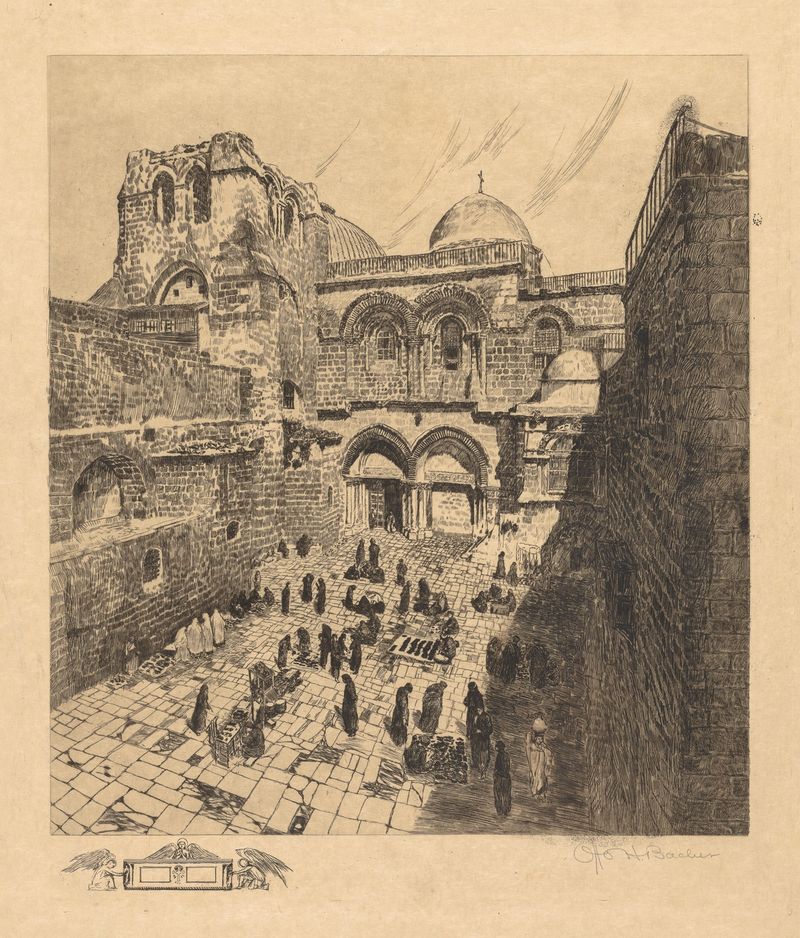
Church of the Holy Sepulchre, Jerusalem
Otto Henry Bacher





