
Ponte del Pistor, Venice — History & Facts
Can paint confess what words never could? In Ponte del Pistor, a serene moment captures the essence of innocence, inviting viewers to contemplate the beauty found in life's simple splendor. Look to the left at the gentle arch of the bridge, its weathered stones blending harmoniously with the still waters below. Notice how the soft hues of pastel blue and warm gold create a tranquil atmosphere, reflecting the delicate balance between nature and architecture. The artist's brushwork offers a textured warmth, drawing your eye along the flowing canal, where ripples dance playfully beneath the surface, hinting at the underlying life that exists just out of sight. Yet, beneath this idyllic scene lies an intricate web of contrasts.
The juxtaposition of the sturdy bridge against the fragile reflections in the water suggests a tension between permanence and transience. Look closely at the figures in the foreground—two children, caught in a moment of pure joy—embody an innocence that speaks to the fleeting nature of childhood. Their laughter seems to echo through the canvas, evoking a bittersweet longing for a time when simplicity reigned supreme. In 1881, the artist was immersed in the world of Venice, capturing its essence during a time when Impressionism was evolving.
A transitory figure between traditional and modern techniques, Bacher sought to convey the spirit of his surroundings through a unique blend of observation and sentiment. This work reflects his deep appreciation for the everyday beauty found in the city, as well as the innocence of those who inhabit it.
More Artworks by Otto Henry Bacher
Browse all →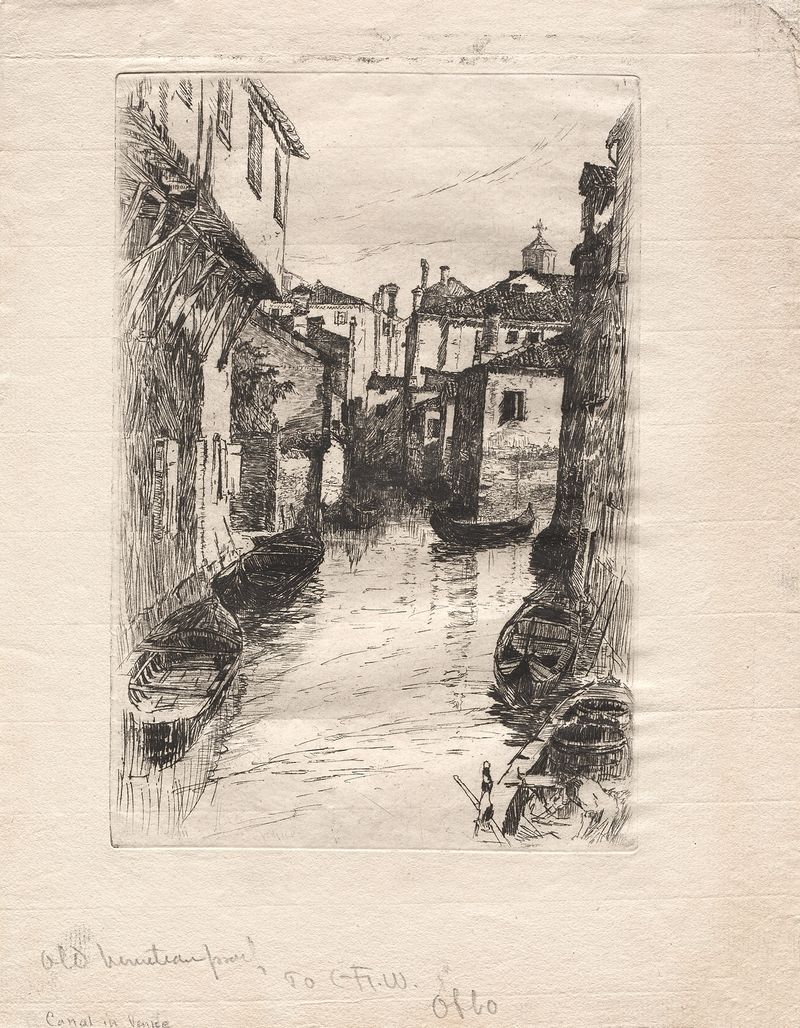
Canal in Venice
Otto Henry Bacher
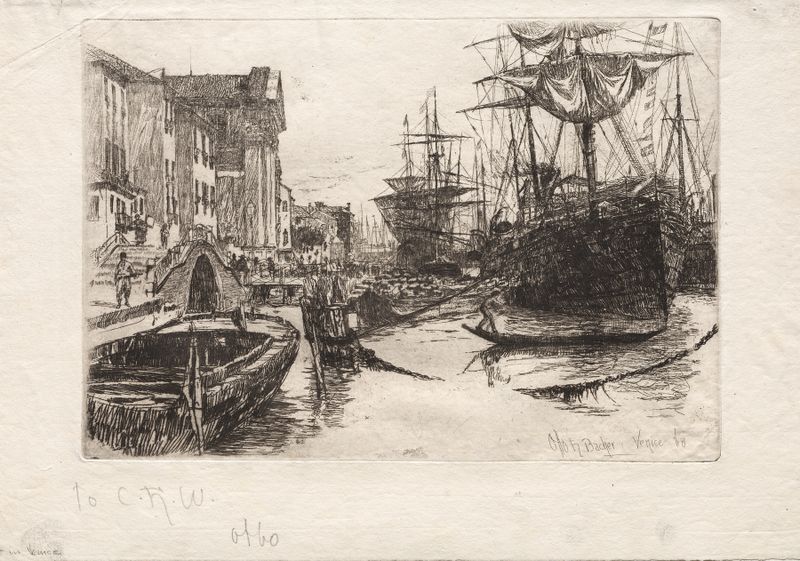
View in Venice
Otto Henry Bacher
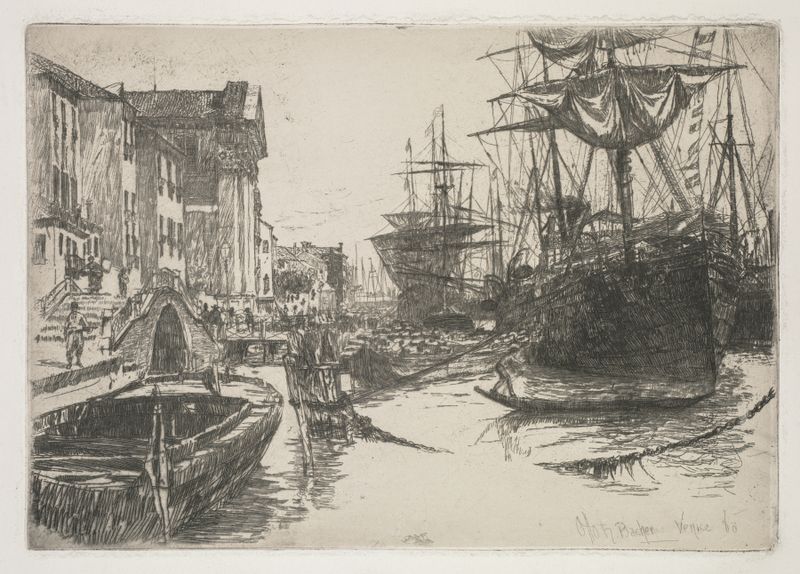
Fondamenta della Zattere
Otto Henry Bacher
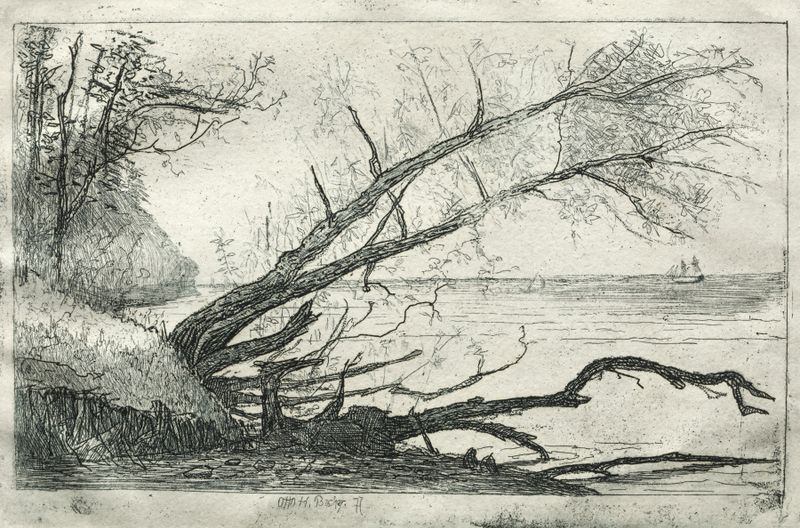
Old Sycamore
Otto Henry Bacher
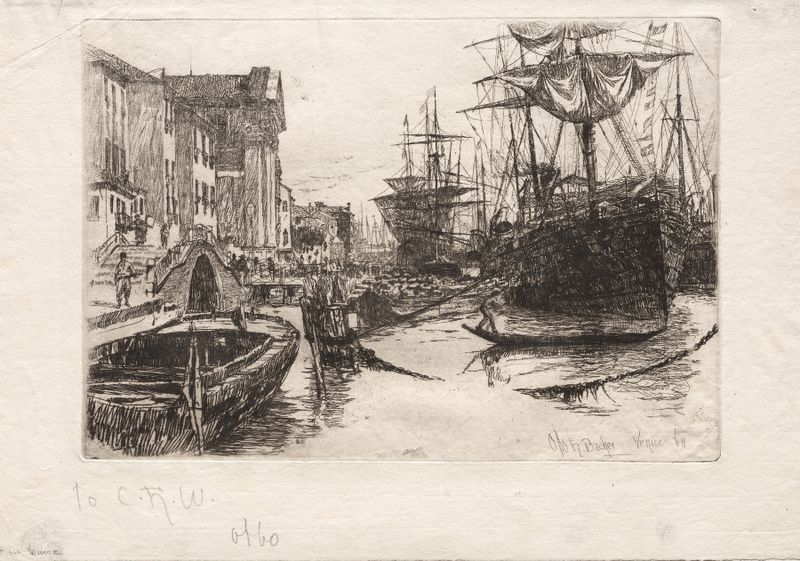
View in Venice
Otto Henry Bacher
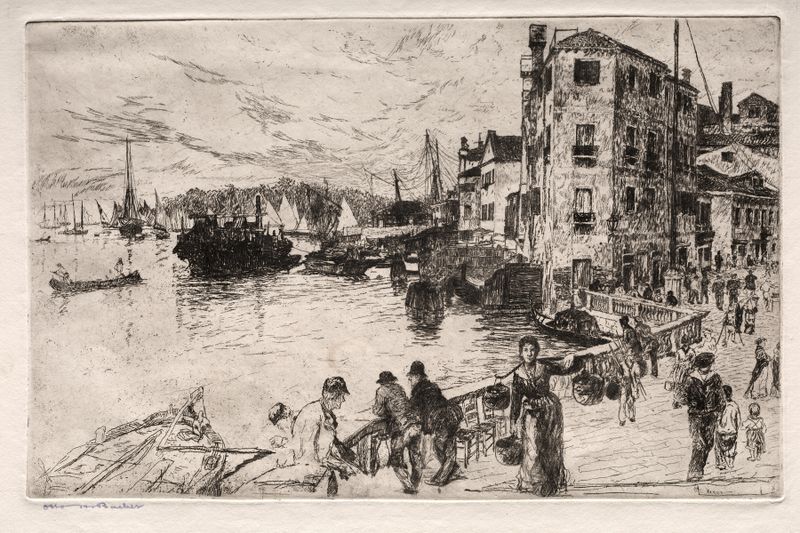
Castello Quarters, Riva
Otto Henry Bacher
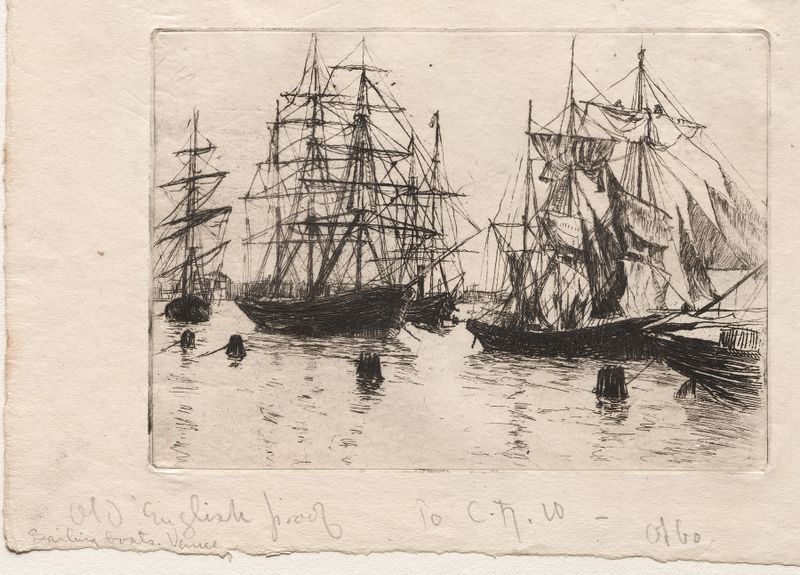
Sailing Boats, Venice
Otto Henry Bacher
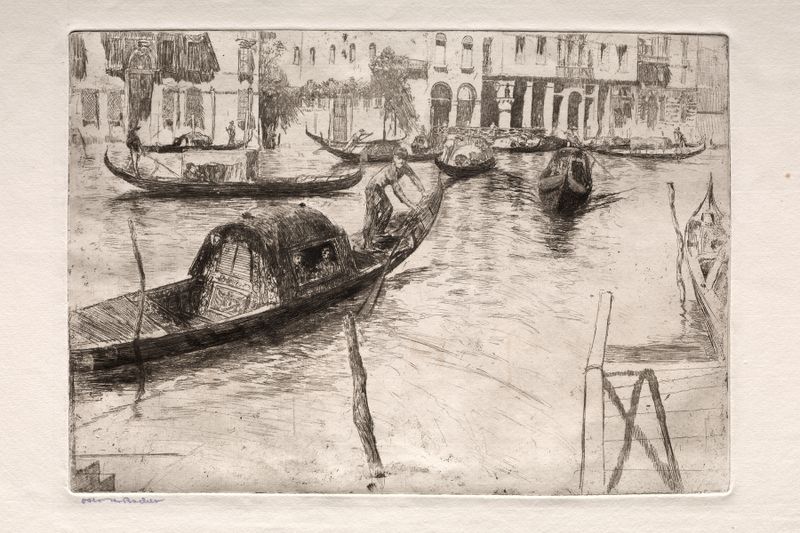
Traghetto San Felice
Otto Henry Bacher
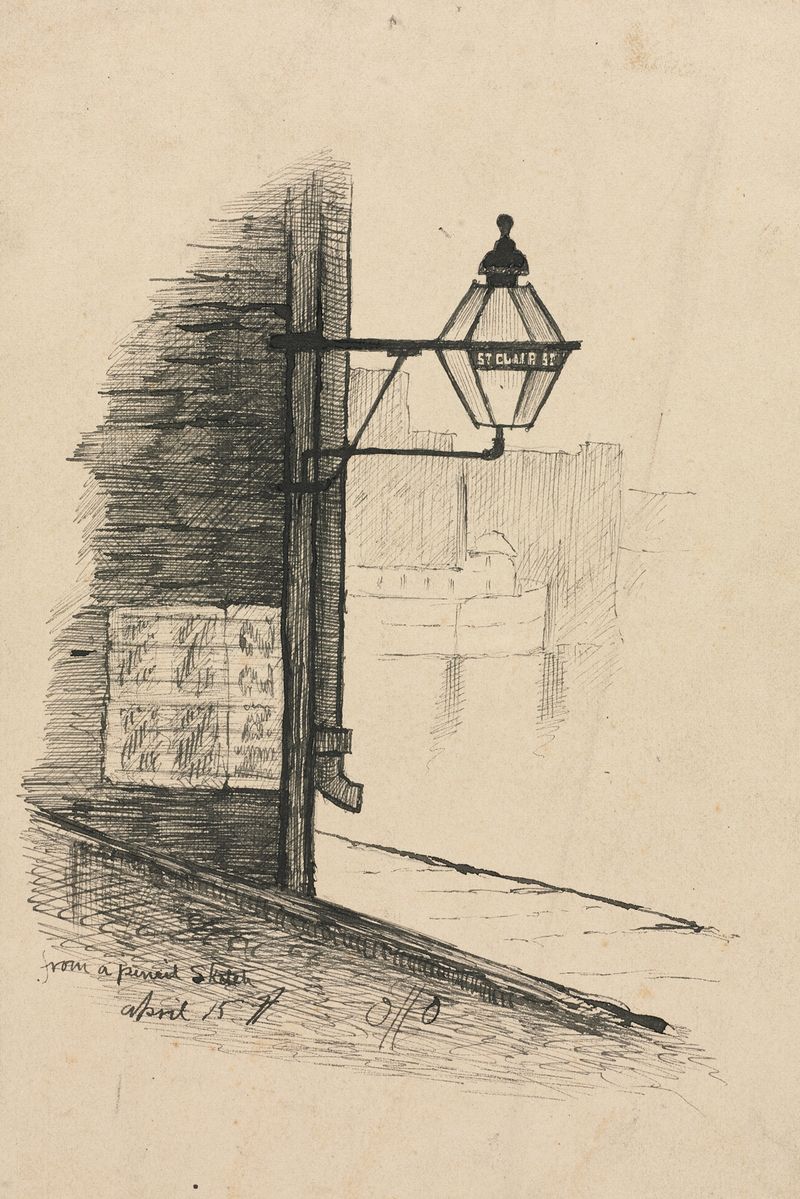
St. Clair Street, Cleveland
Otto Henry Bacher
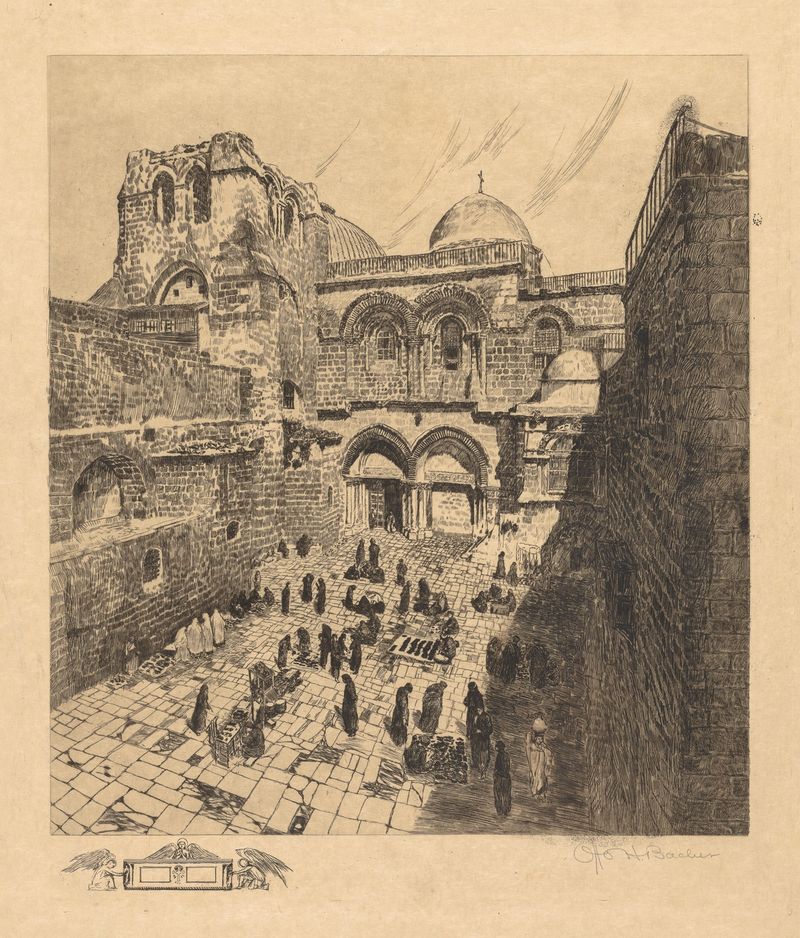
Church of the Holy Sepulchre, Jerusalem
Otto Henry Bacher





