
Arbeitervillen — History & Facts
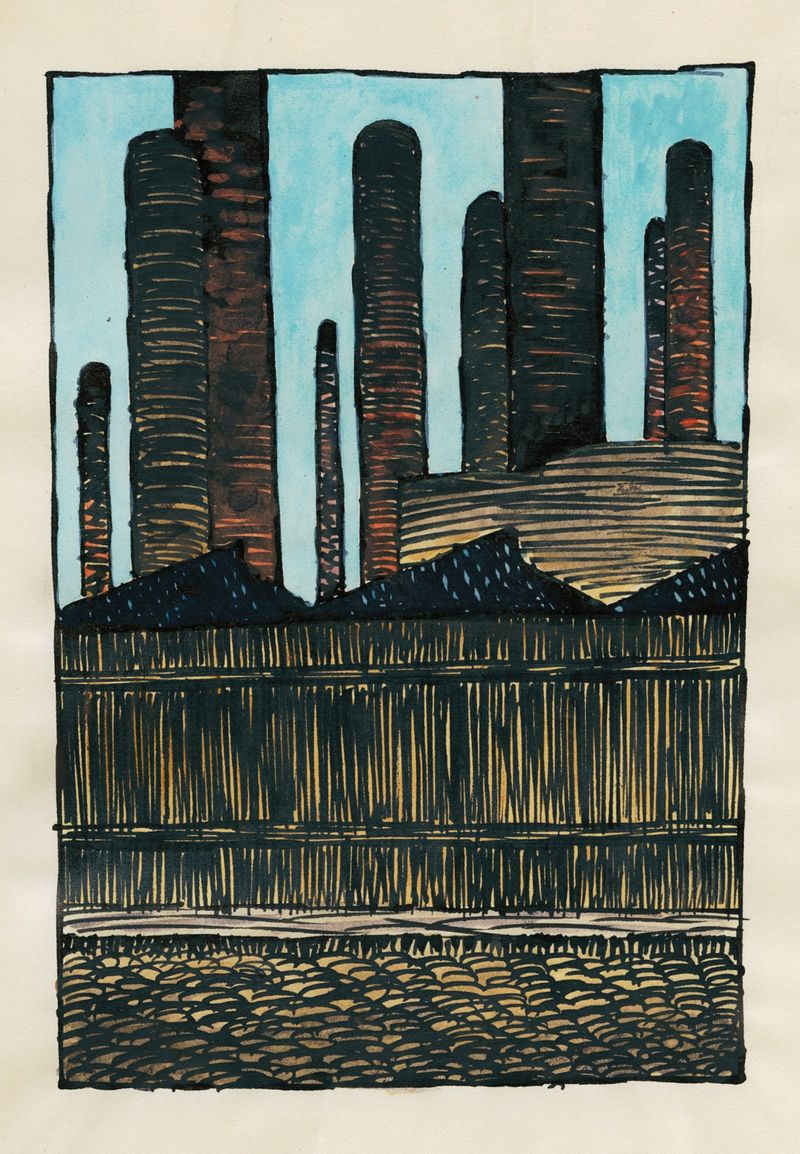
Can paint confess what words never could? In Arbeitervillen, the essence of decay whispers stories of lives once vibrant, now fading into the shadows of memory. Look to the foreground, where the crumbling facades of the worker's houses stand resolute against an indifferent sky. Notice how the muted earth tones blend seamlessly, each brushstroke revealing the weight of history etched into timeworn walls. The subtle play of light accentuates the textures, highlighting the peeling paint and broken shutters that echo the neglect surrounding these once-thriving homes.
The composition invites the viewer to traverse through layers of abandonment, drawing one’s eye along the narrow alleyways that seem to speak of the lives that once animated this space. Delve deeper into the contrasts that emerge from this urban landscape. The juxtaposition of sturdy construction against signs of deterioration reflects the struggle between hope and despair faced by the working class. The absence of figures invites contemplation on the silent stories of the inhabitants—what dreams or aspirations were once nurtured within these walls? Each detail, from the sagging roofs to the cracked pavement, acts as a testament to resilience, a mirror of society’s enduring spirit amidst decline. Created around 1923, the artist rendered Arbeitervillen during a time of significant social and political upheaval in post-World War I Germany.
As the country grappled with economic instability, Wiener’s work emerged from a time when artists sought to depict the raw realities of urban life, capturing both the beauty and the suffering inherent in everyday existence. This painting stands as a poignant reflection of a moment when the collective memory of a community began to fade, much like the structures he immortalized.
More Artworks by Karl Wiener
Browse all →
Österreich
Karl Wiener

Vorstadt VII
Karl Wiener

Der Turm
Karl Wiener

Ohne Titel (Häuser mit Holzscheune)
Karl Wiener

Kopfstudie, aus; ‘Profile’, 10 Blätter, Graz XV
Karl Wiener

Steinberg
Karl Wiener
Kopfstudie, aus; ‘Profile’, 10 Blätter, Graz XIV
Karl Wiener

Ohne Titel (Bauernhaus mit Vorgarten)
Karl Wiener
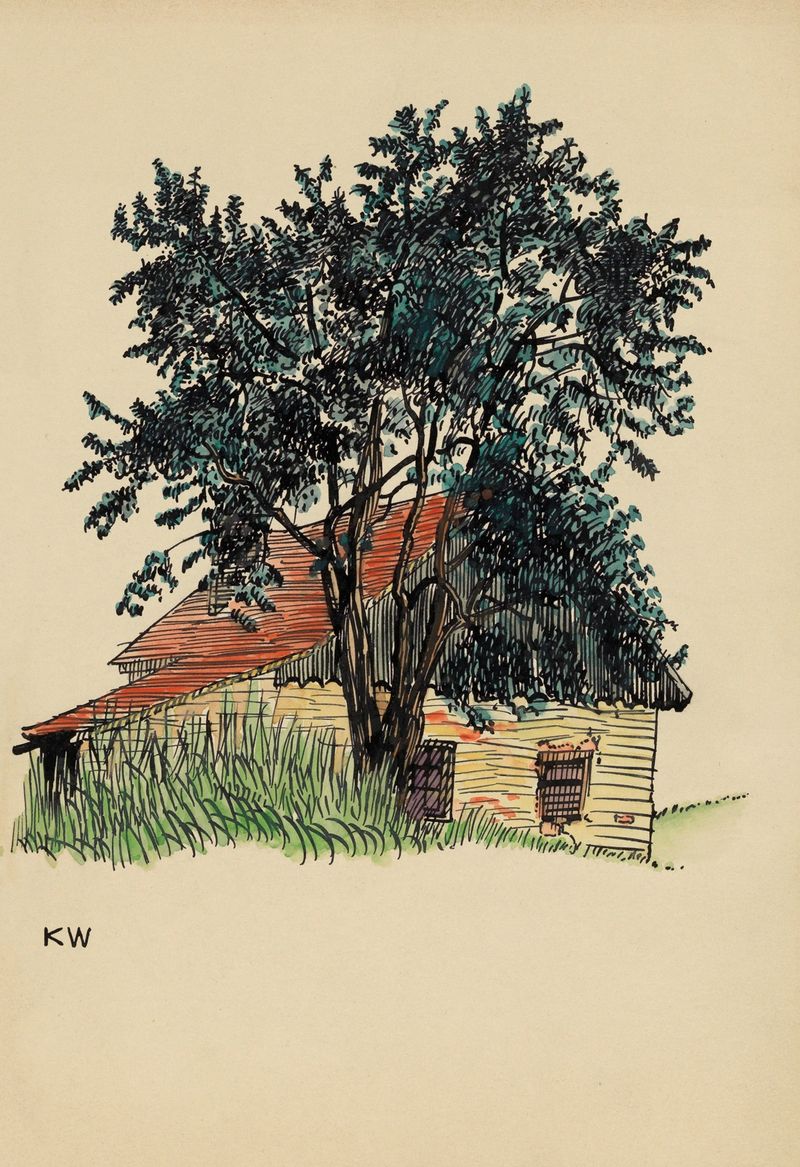
Ohne Titel (Bauernhaus)
Karl Wiener
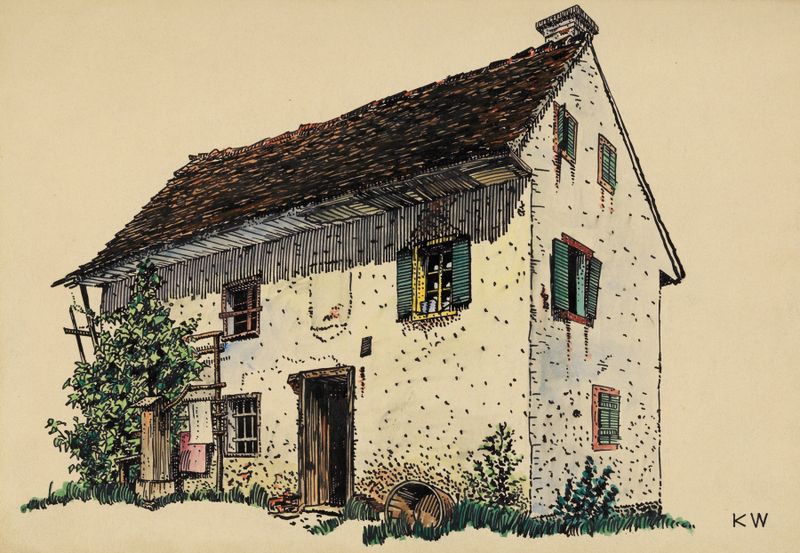
Ohne Titel (Bauernhaus)
Karl Wiener
More Architecture Art
Browse all →
The statue of Liberty
Frédéric Auguste Bartholdi

View of Houses in Delft, Known as ‘The Little Street’
Johannes Vermeer

View of Houses in Delft, Known as ‘The Little Street’
Johannes Vermeer

The Cathedral in Rouen. The portal, Grey Weather
Claude Monet

The yellow house
Vincent van Gogh

The Church in Auvers-sur-Oise, View from the Chevet
Vincent van Gogh