Cavalaire — History & Facts
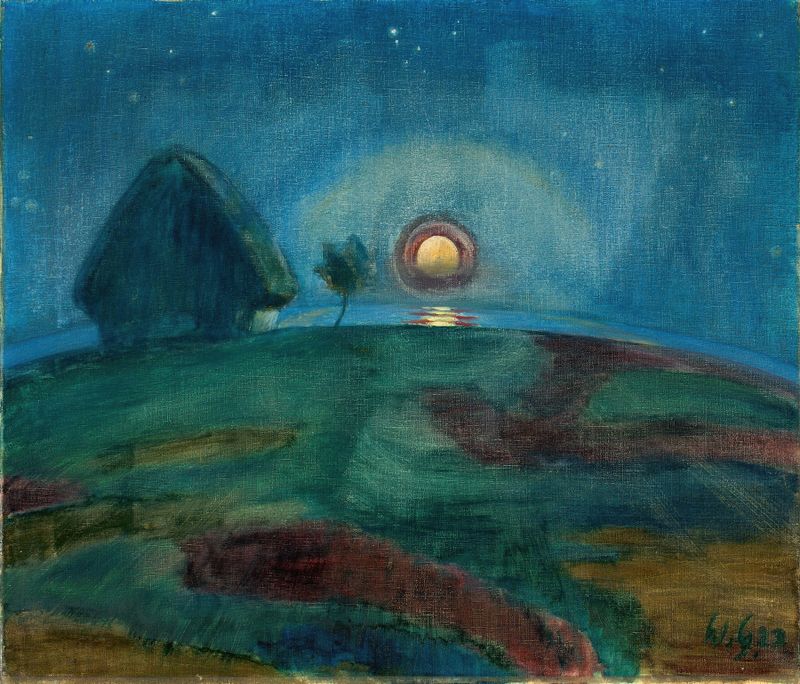
Could a single brushstroke hold eternity? In the haunting interplay between light and shadow, Cavalaire invites contemplation on the ever-present specter of decay and the ephemeral nature of beauty. Look to the left where the horizon meets the gentle waves, the strokes of blue and green swirling into a tumultuous dance. Notice how the light falls upon the crumbling structures at the shoreline, detailed yet indistinct, their forms echoing the fragility of existence. The color palette, a blend of muted tones, evokes a sense of nostalgia, while the textured brushwork creates a visceral connection to the landscape, pulling the viewer into a moment caught between time and memory. Deep within this piece lies a poignant reflection on the passage of time; the weathered buildings symbolize the inevitability of decay, juxtaposed against the vibrant vitality of nature that surrounds them.
The delicate interplay between the strong, solid forms and the soft, iridescent waters creates an emotional tension, prompting one to consider the beauty that exists within transience. Each element, from the turbulent sky to the calm sea, invites viewers to explore their own relationship with decay and the vestiges of what once was. Walter Gramatté painted Cavalaire in 1927 while living in Berlin, a city grappling with the aftermath of World War I. This period marked a significant transition in his life as he navigated the complex emotions of loss and renewal.
Influenced by Expressionism, he sought to convey deeper truths through his work, capturing not only the physical landscape but the soul of a generation yearning for hope amidst despair.