
Cave — History & Facts
Can paint confess what words never could? The illusion of reality stretches before us, inviting a deeper exploration of its hidden truths. Focus on the subtle interplay of shadows and light in the foreground, where the dense brushstrokes create the texture of damp stone. As you move your gaze upwards, notice how the soft colors blend into the cavern's depths, enticing yet haunting. The composition pulls you into the cave's embrace, creating an almost tangible atmosphere that makes the boundary between the viewer and the painting dissolve. Beneath the surface, the painting speaks of solitude and introspection, reflecting both the physical and metaphorical journey into darkness.
The contrasting elements of warmth and coldness in the hues evoke a sense of both comfort and disquiet, suggesting that while the cave is a place of shelter, it also represents the unknown fears lurking within. Each stroke reveals a duality—a confinement that is both protective and isolating. In the years between 1870 and 1873, the artist created Cave during a period of personal exploration and reflection. Living in Hungary, Mednyánszky was navigating the complexities of his own identity while a wave of artistic movements swept through Europe.
This work captures his response to the emerging Symbolist themes, infusing his landscapes with emotional depth and psychological nuance that resonate even today.
More Artworks by Ladislav Mednyánszky
Browse all →
Winter Landscape
Ladislav Mednyánszky
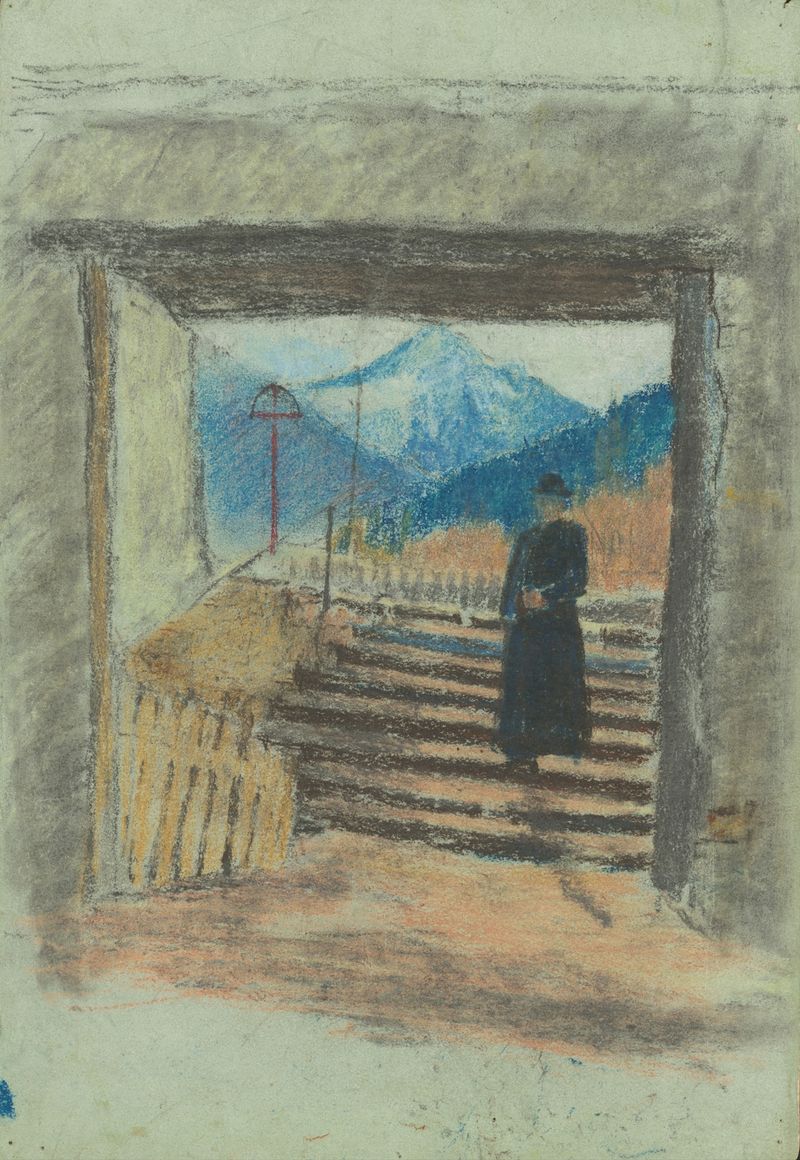
Out of Cemetery
Ladislav Mednyánszky

Lomnický Peak
Ladislav Mednyánszky

Nad riekou
Ladislav Mednyánszky
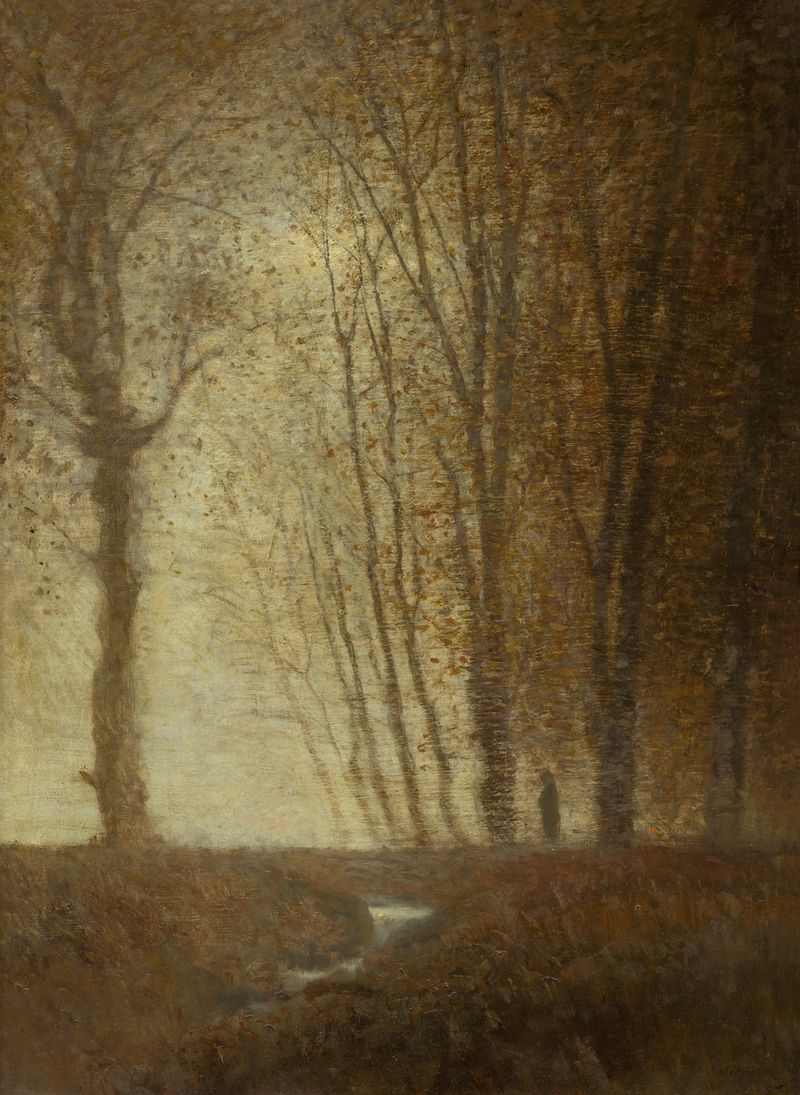
Edge of the Forest in the Moonlight
Ladislav Mednyánszky

View of the Ruins of Súľov
Ladislav Mednyánszky

Landscape with a Lake
Ladislav Mednyánszky
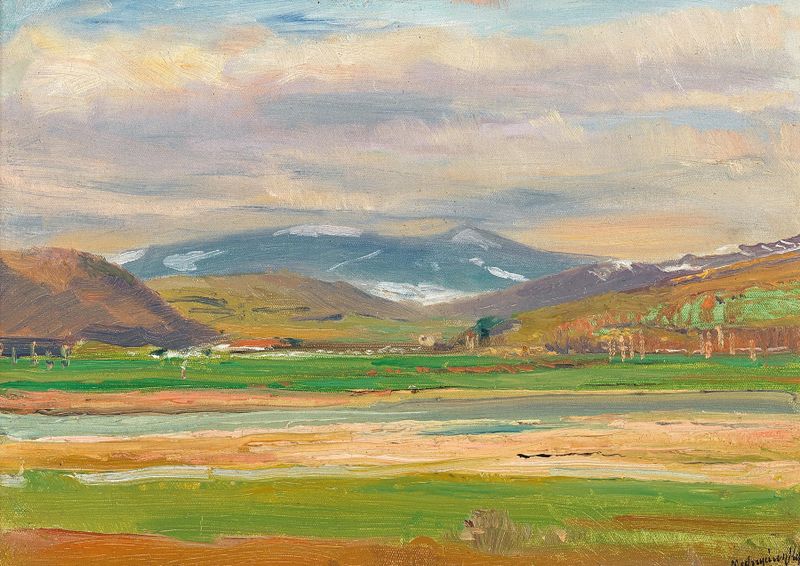
A Spring Landscape at the Foot of the Tatras
Ladislav Mednyánszky

A Wintry Forest
Ladislav Mednyánszky
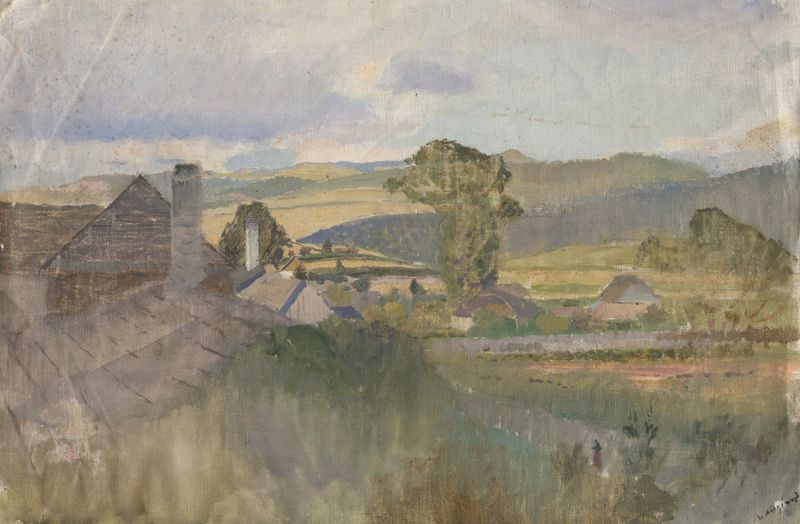
Village below the Tatras
Ladislav Mednyánszky





