
Nad riekou — History & Facts
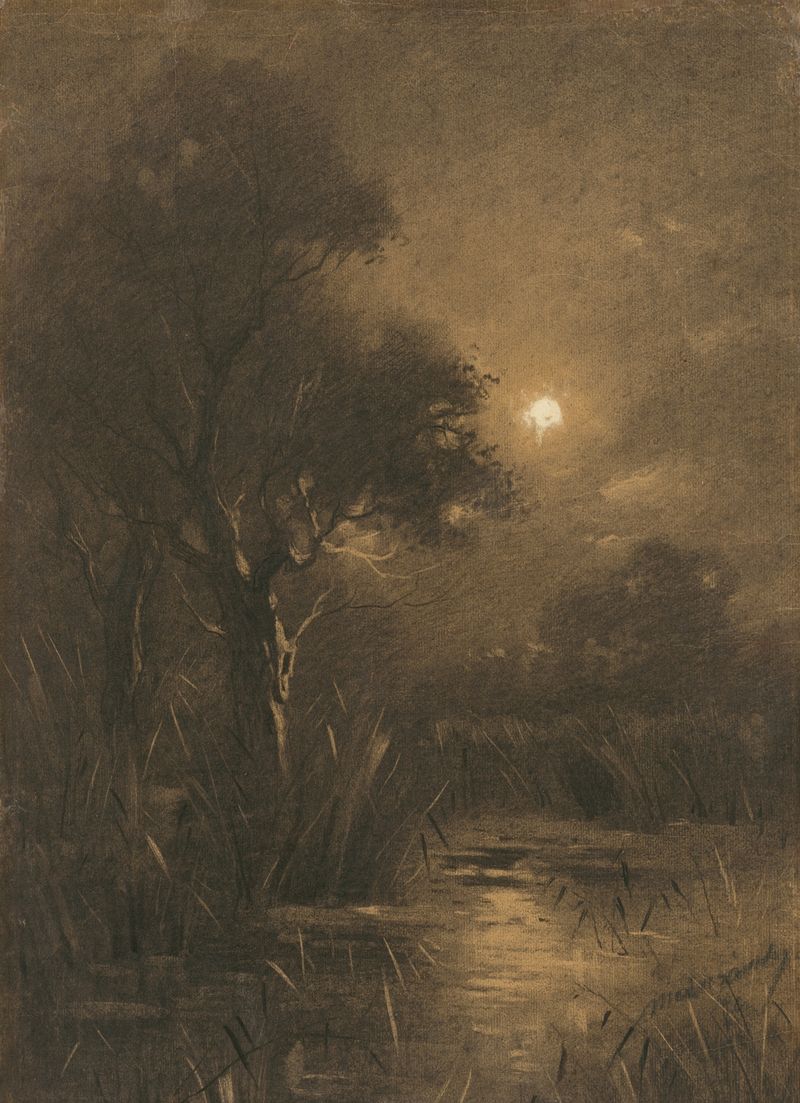
What secret hides in the quiet of the canvas? Beneath the serene surface of Nad riekou, a tension simmers, urging the viewer to delve deeper into the stillness. Look to the center, where a river meanders gently through a landscape bathed in dusk’s soft embrace. Observe how the light diffuses over the water, creating a shimmering pathway that draws the eye. The muted greens and browns of the surrounding foliage contrast with the golden hues reflecting off the surface, imbuing the scene with an almost haunting beauty.
Notice the sparse figures on the bank, their postures open yet distant, framing a moment that feels suspended in time. Yet, there’s a disquieting undercurrent to this picturesque view. The calm river could easily mask the violence of nature or humanity that once roiled in its depths. The absence of figures actively engaging with the water hints at an unspoken narrative—perhaps a history layered with sorrow, loss, or conflict, inviting speculation over the stories untold.
The juxtaposition of tranquility and potential chaos resonates powerfully, leaving an indelible mark on the psyche. In 1887, while creating this piece, the artist was living in Hungary, experiencing a time of personal and artistic exploration. Mednyánszky was deeply influenced by the natural landscapes around him and the tumultuous political atmosphere of the Austro-Hungarian Empire. This period of profound change in Central Europe shaped his vision, turning his canvases into reflections of both external beauty and internal conflict.
More Artworks by Ladislav Mednyánszky
Browse all →
Winter Landscape
Ladislav Mednyánszky
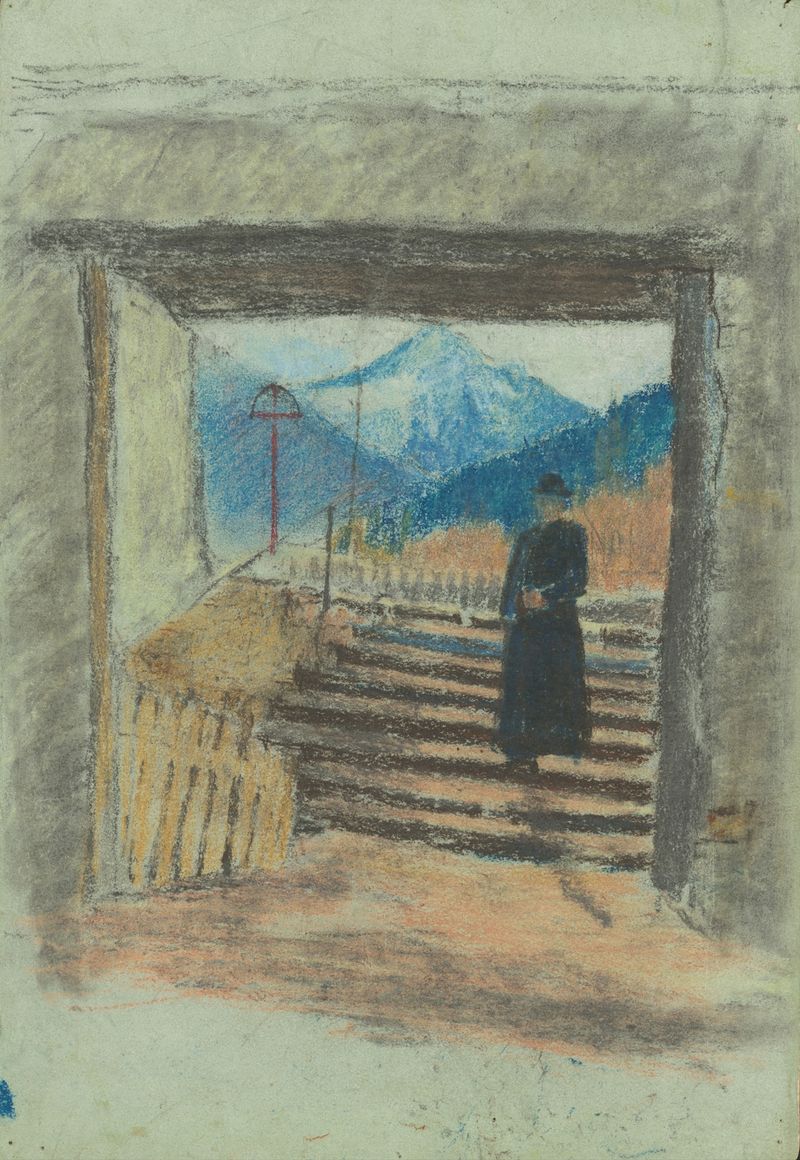
Out of Cemetery
Ladislav Mednyánszky

Lomnický Peak
Ladislav Mednyánszky
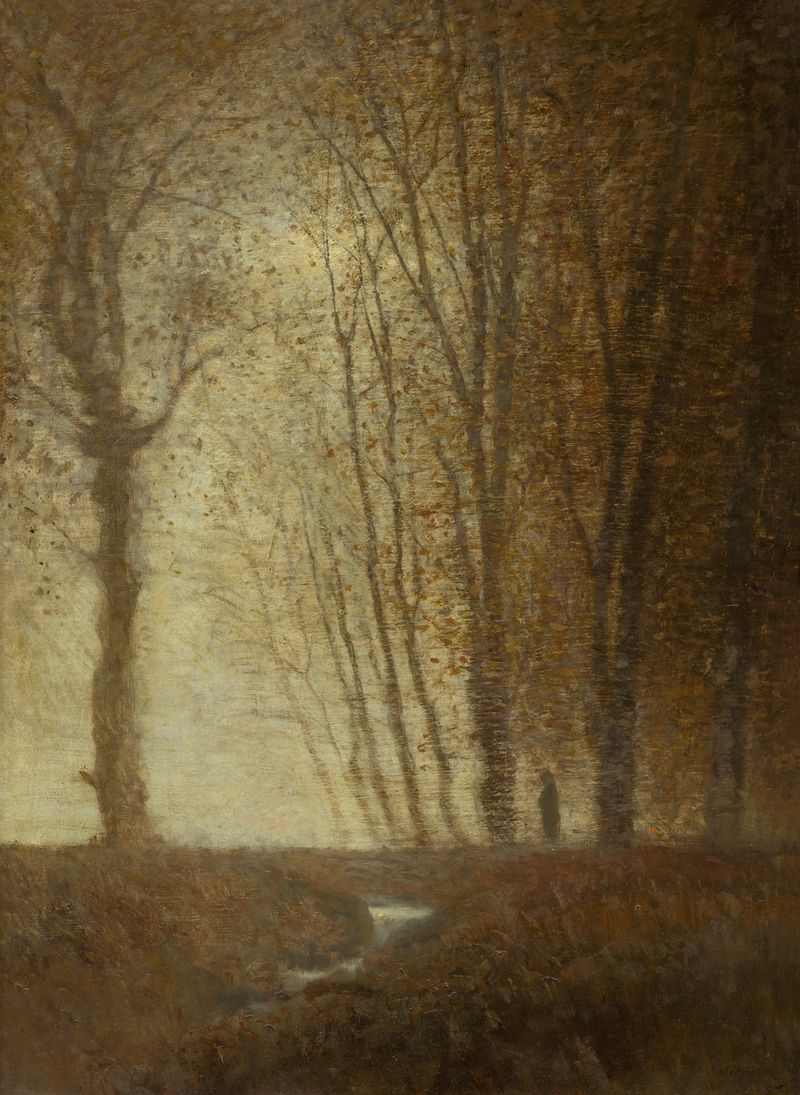
Edge of the Forest in the Moonlight
Ladislav Mednyánszky

View of the Ruins of Súľov
Ladislav Mednyánszky

Landscape with a Lake
Ladislav Mednyánszky
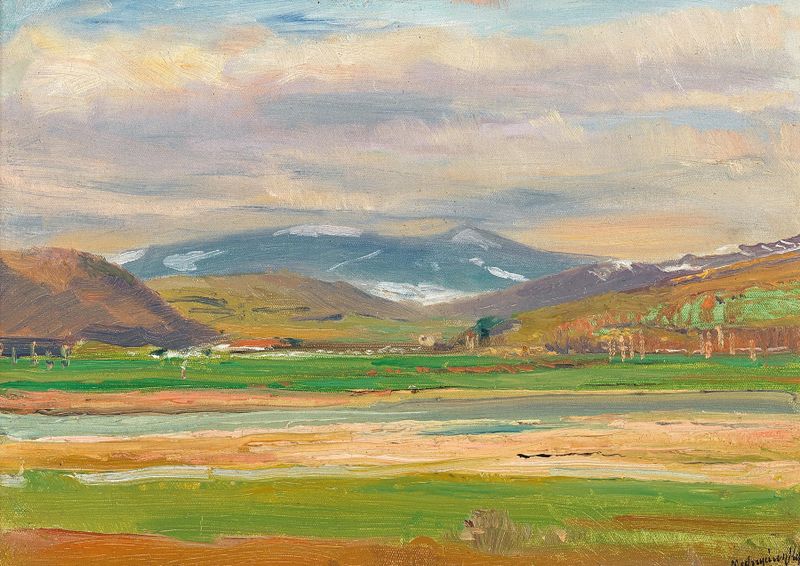
A Spring Landscape at the Foot of the Tatras
Ladislav Mednyánszky

A Wintry Forest
Ladislav Mednyánszky
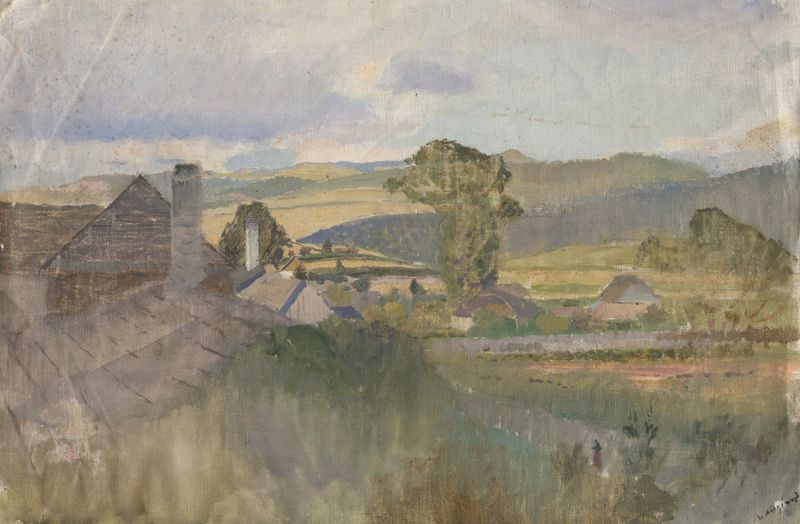
Village below the Tatras
Ladislav Mednyánszky
Evening Landscape
Ladislav Mednyánszky





