
Edge of the Forest in the Moonlight — History & Facts
Could beauty survive in a century of chaos? In Edge of the Forest in the Moonlight, the artist reveals a tranquil moment that stands resilient against the tumult of human existence. This painting invites introspection, prompting viewers to explore the interplay between light, nature, and the soul. Look to the left at the serene silhouette of the ancient trees, their gnarled branches reaching skyward as if seeking solace from the moonlit sky. The soft glow of the moon bathes the scene, casting an ethereal silver hue that dances upon the foliage.
Observe how the subtle brushwork creates texture in the leaves, and how the gentle gradients of blues and greens guide the eye toward the mysterious depths of the forest. The composition is balanced yet dynamic, balancing the stillness of the natural world against the vibrant life that it conceals. In this serene landscape, contrasts emerge: the calm of the moonlit night juxtaposed with the hidden chaos lurking in the woods. The light symbolizes hope and clarity, cutting through the darkness that envelops the trees, while the shadows hint at secrets and uncertainties.
Each element evokes a sense of revelation, as if nature itself holds answers to life's most pressing questions, beckoning us to draw nearer. During the late 19th century, Mednyánszky was deeply immersed in the symbolism of the natural world while grappling with the rapid changes in Europe. Living in Hungary, he created this work between 1880 and 1890, a time marked by a burgeoning art scene and the rise of modernist ideas. It was an era of transition, where traditional forms began to give way to newer expressions, and yet the artist found beauty and meaning in nature's quiet resilience amid a world rife with uncertainty.
More Artworks by Ladislav Mednyánszky
Browse all →
Winter Landscape
Ladislav Mednyánszky
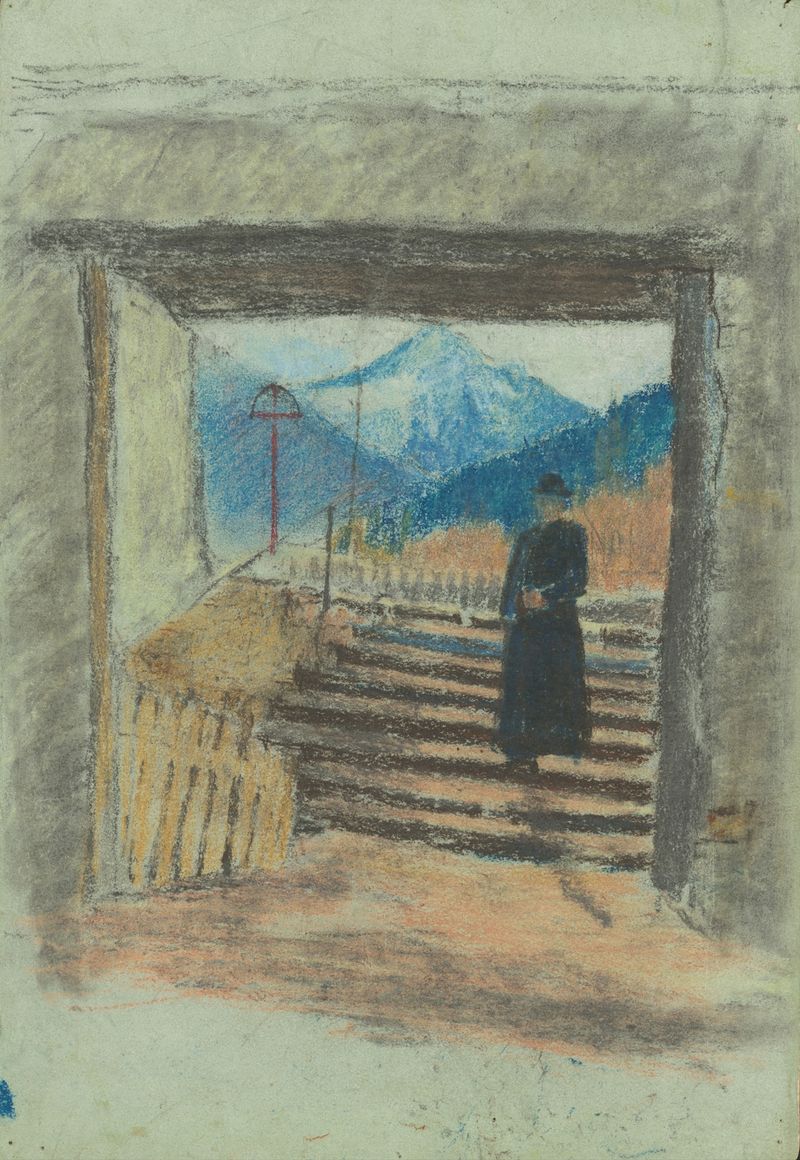
Out of Cemetery
Ladislav Mednyánszky

Lomnický Peak
Ladislav Mednyánszky

Nad riekou
Ladislav Mednyánszky

View of the Ruins of Súľov
Ladislav Mednyánszky

Landscape with a Lake
Ladislav Mednyánszky
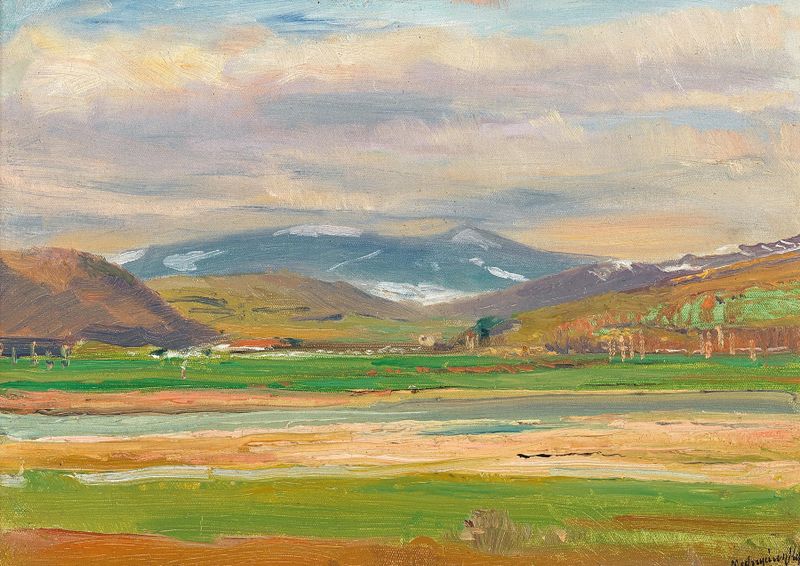
A Spring Landscape at the Foot of the Tatras
Ladislav Mednyánszky

A Wintry Forest
Ladislav Mednyánszky
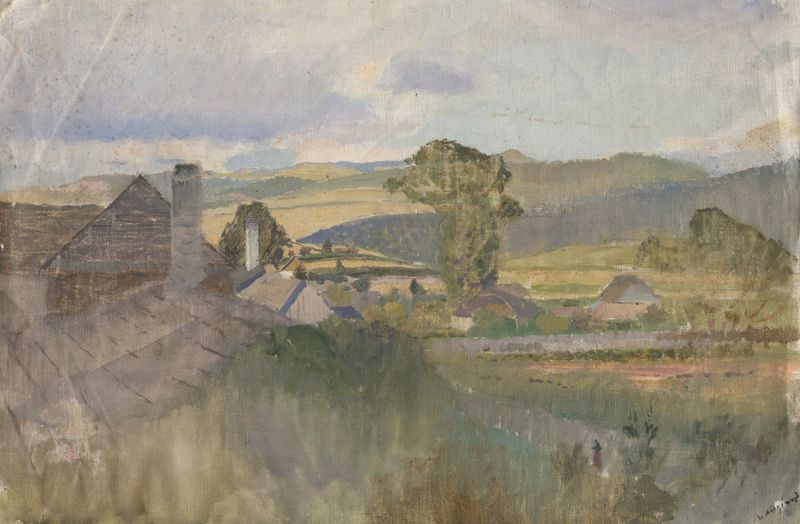
Village below the Tatras
Ladislav Mednyánszky
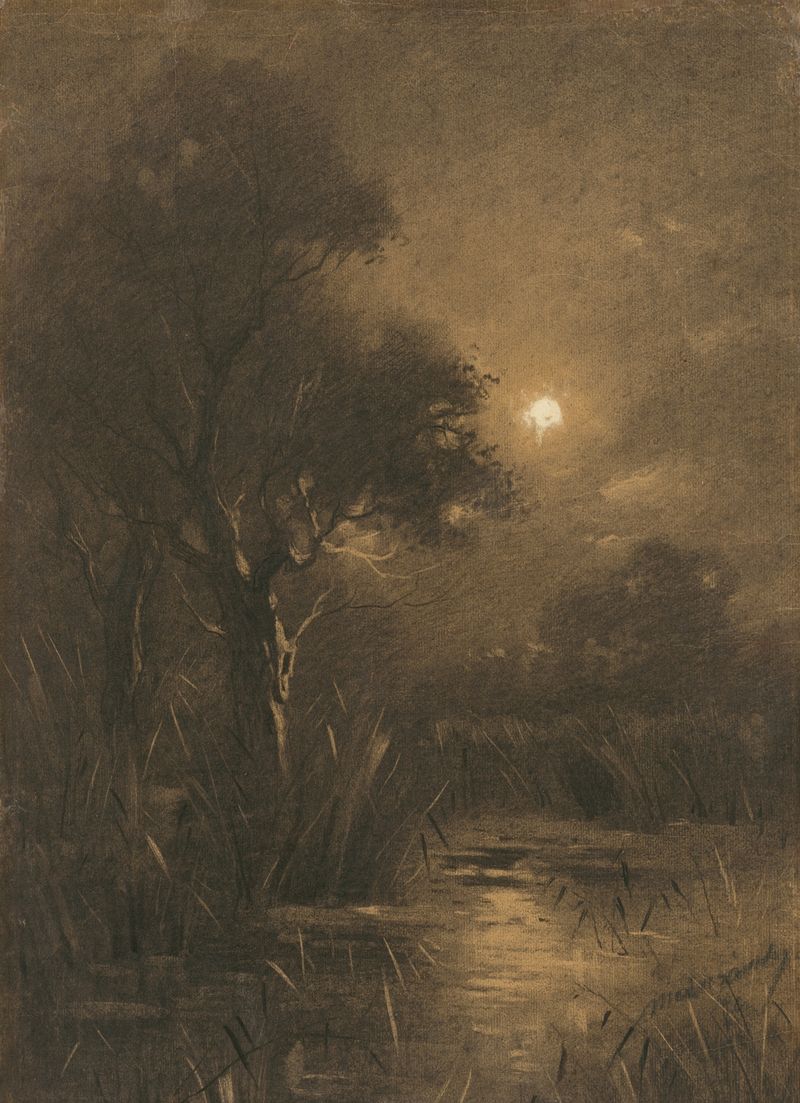
Evening Landscape
Ladislav Mednyánszky





