Bakery in Salzschlirf, August 9, 1880 — History & Facts
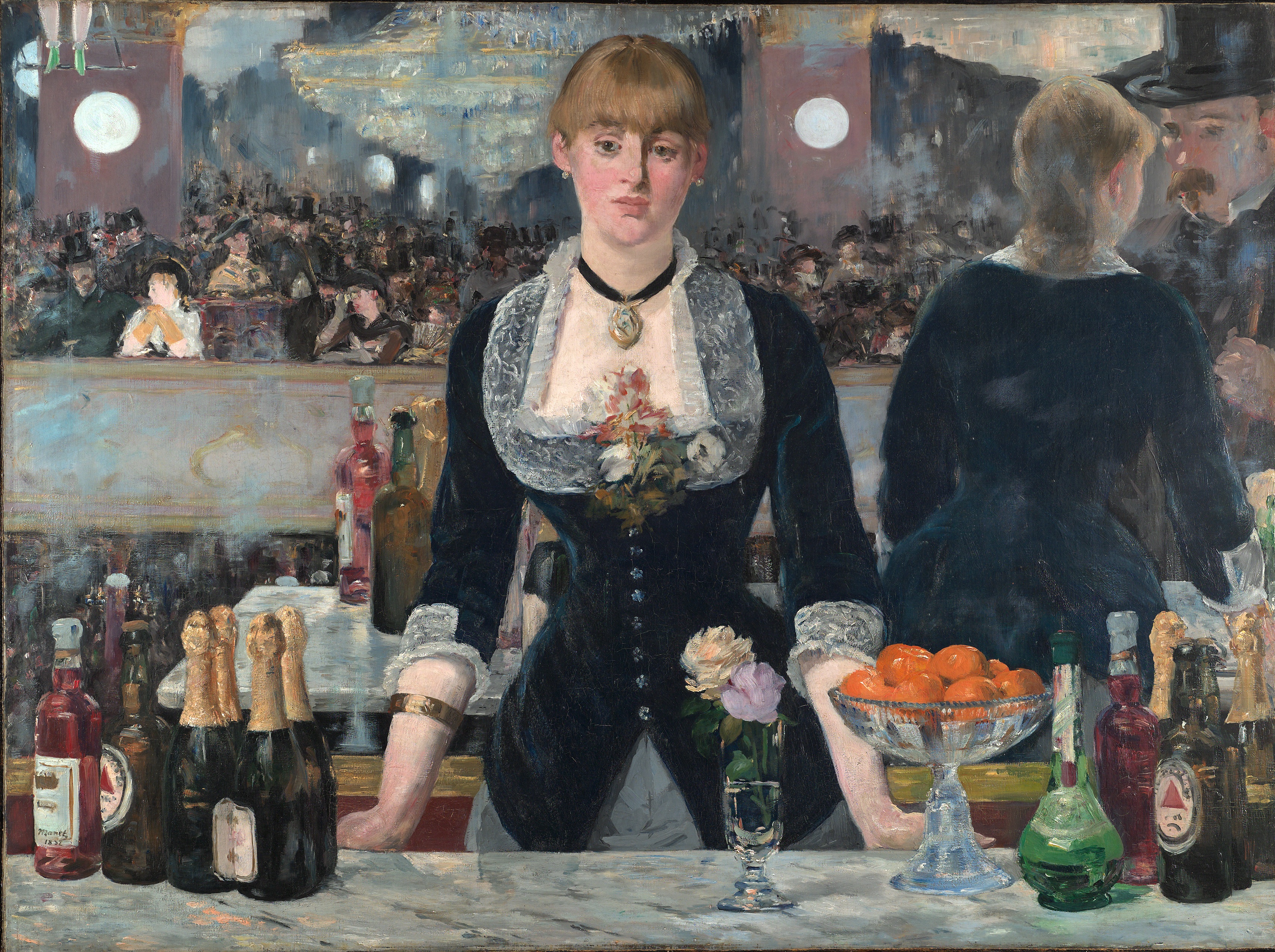
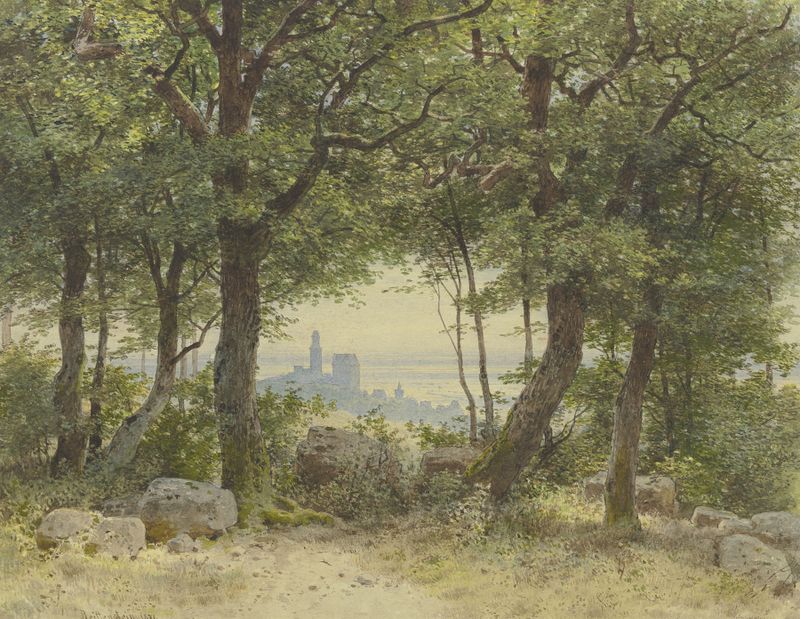
In a moment of stillness amid the clamor of life, a poignant reflection reveals itself, capturing the essence of human experience. Look to the foreground, where an inviting, rustic bakery stands as a beacon amidst the soft shades of blues and browns. The warm glow of the interior spills onto the cobbled street, drawing the eye to the tantalizing array of baked goods displayed behind the window. Notice how the delicate brushstrokes create a texture that almost allows you to feel the crust of a fresh loaf, while soft, diffused light bathes the scene, evoking warmth and a sense of nostalgia. Yet, within this serene tableau lies a subtle tension.
The bakery, a place of sustenance and community, stands in stark contrast to the lingering shadows just beyond its threshold, hinting at a world that is often indifferent to the simple joys of life. The slightly ajar door suggests an invitation, but also an uncertainty — who enters, who stays, and who remains outside, lost in their own solitude? Each element, from the flour-dusted countertop to the neglected flowerpot, hints at stories half-told and moments of melancholy that resonate beneath the surface. Carl Theodor Reiffenstein painted this work during a time when he was exploring the interplay of light and shadow, focusing on everyday scenes that spoke to the human condition. Living in Germany in the late 19th century, he was influenced by the Realist movement, which sought to capture the essence of life without embellishment.
This piece reflects not only his artistic journey but also the cultural shifts of a period when industrialization began to overshadow traditional crafts.
More Artworks by Carl Theodor Reiffenstein
Browse all →
Landschaft bei heranziehendem Gewitter
Carl Theodor Reiffenstein
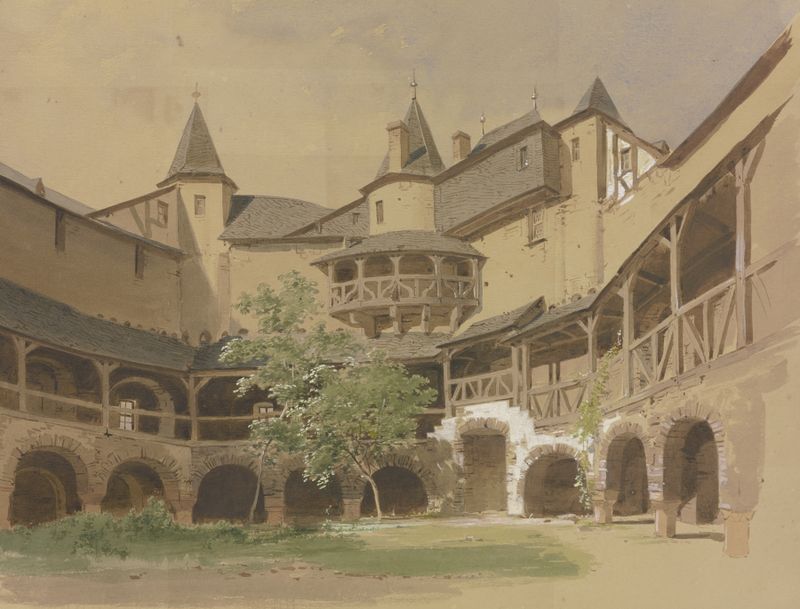
Burg Pfalzgrafenstein bei Kaub
Carl Theodor Reiffenstein

The Ahr Valley near Altenahr, September 1, 1858
Carl Theodor Reiffenstein
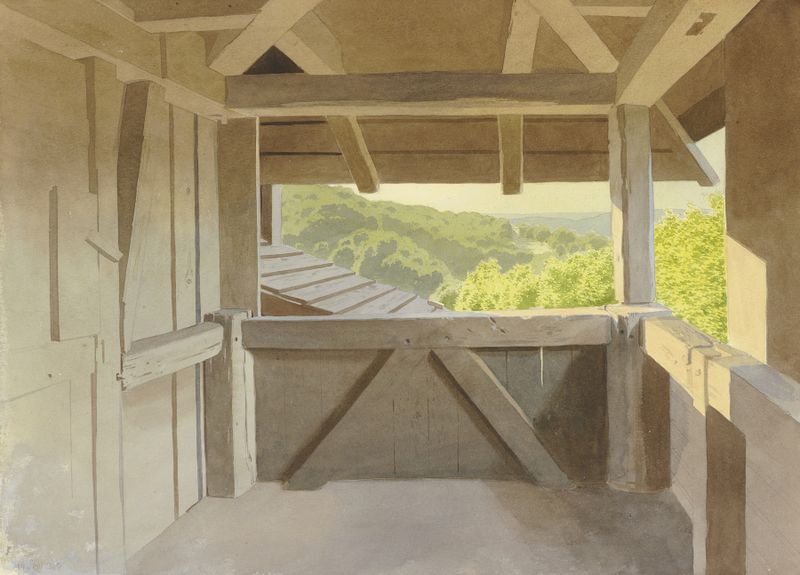
Ausblick aus dem Hochsitz am Wasenmerk bei Braunfels über die umgebende Waldlandschaft, September 19, 1860
Carl Theodor Reiffenstein
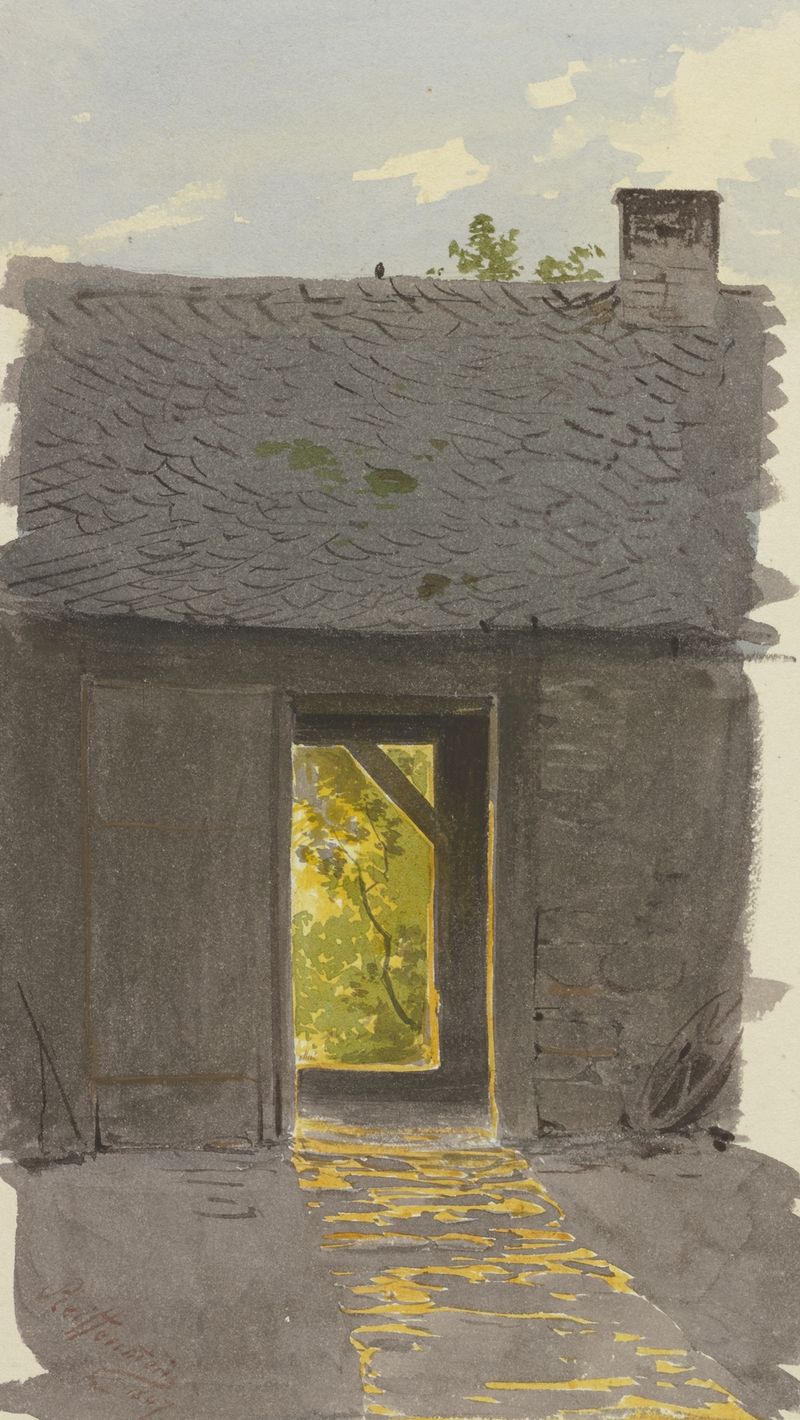
Blick durch die geöffneten Türen einer Scheune im Abendlicht
Carl Theodor Reiffenstein
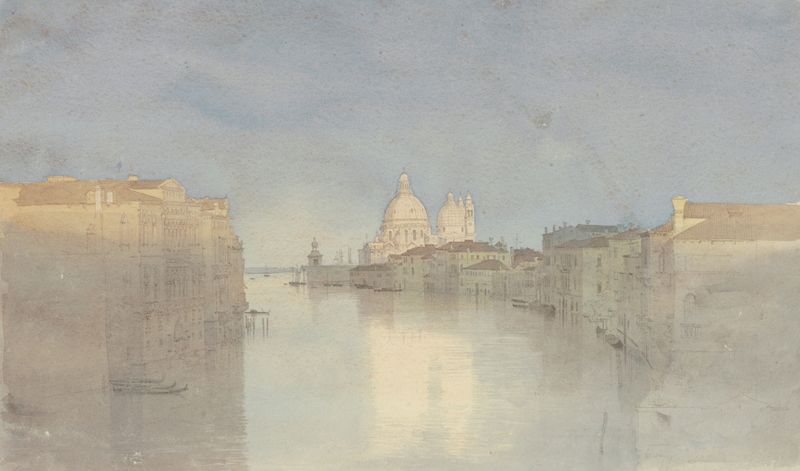
Abendstimmung am Canale grande, im Hintergrund S. Maria della Salute
Carl Theodor Reiffenstein
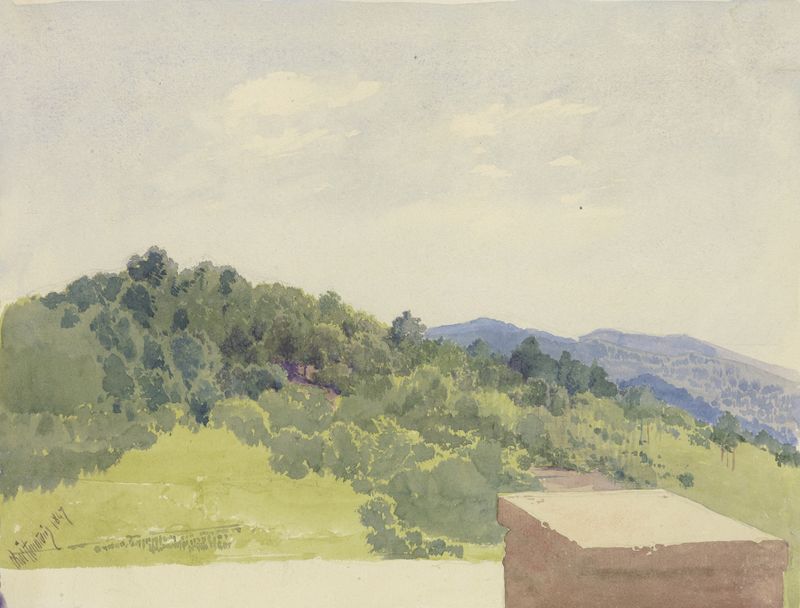
Berglandschaft, von einer Burganlage aus betrachtet
Carl Theodor Reiffenstein
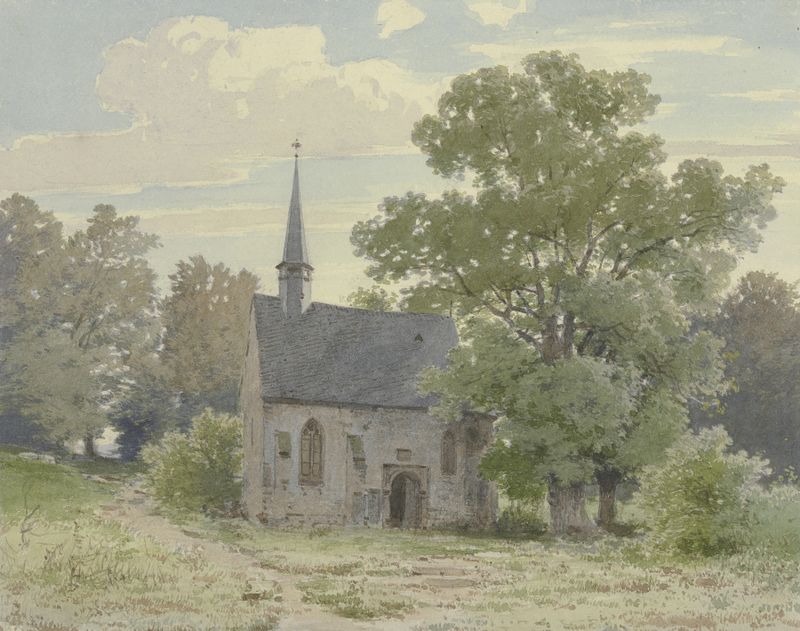
Chapel near Ockstadt
Carl Theodor Reiffenstein

Channel in Venice
Carl Theodor Reiffenstein
Ansicht von Kronberg mit weitem Blick in die Ferne vom Ausgang des Falkensteiner Waldes gesehen
Carl Theodor Reiffenstein