
Charles William Eliot (1834-1926) — History & Facts
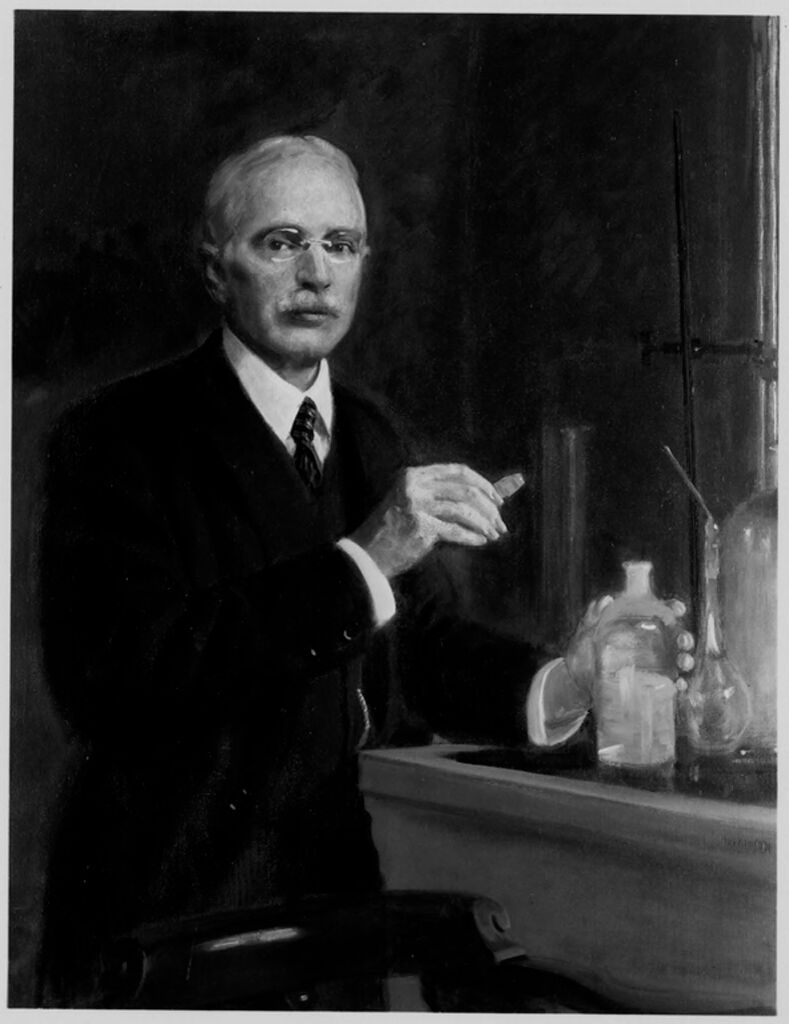
In a moment of profound stillness, we encounter a striking balance between presence and absence, an invitation to delve into the depths of character and humanity. Look to the center of the canvas, where the dignified figure of Charles William Eliot stands. The artist’s deft brushwork captures not only Eliot's physical form but his essence, with a gentle interplay of light and shadow accentuating the contours of his face. The rich, warm tones of his coat contrast beautifully with the cooler hues of the background, creating a sense of intimacy that draws the observer closer, as if eavesdropping on a quiet conversation. Delve deeper into the subtleties: the slight furrow in Eliot’s brow suggests contemplation, perhaps revealing the weight of knowledge he carries.
The careful placement of his hands—one resting confidently on the arm of his chair while the other subtly gestures—hints at a balance of authority and vulnerability. This nuanced detail speaks volumes about his character, embodying the duality of a man who shaped education and thought, yet remained deeply human in his pursuits. In 1909, amidst a shifting landscape of modern art and emerging ideas, the artist created this portrait during a time when academic traditions were being challenged. Hopkinson, stationed in Boston, was influenced by the rise of American Impressionism and sought to capture the essence of influential figures through a blend of realism and warmth.
This portrait stands as a testament to that desire, revealing not just Eliot's visage but the spirit of an era that valued intellectual pursuit amid a rapidly changing world.
More Artworks by Charles Sydney Hopkinson
Browse all →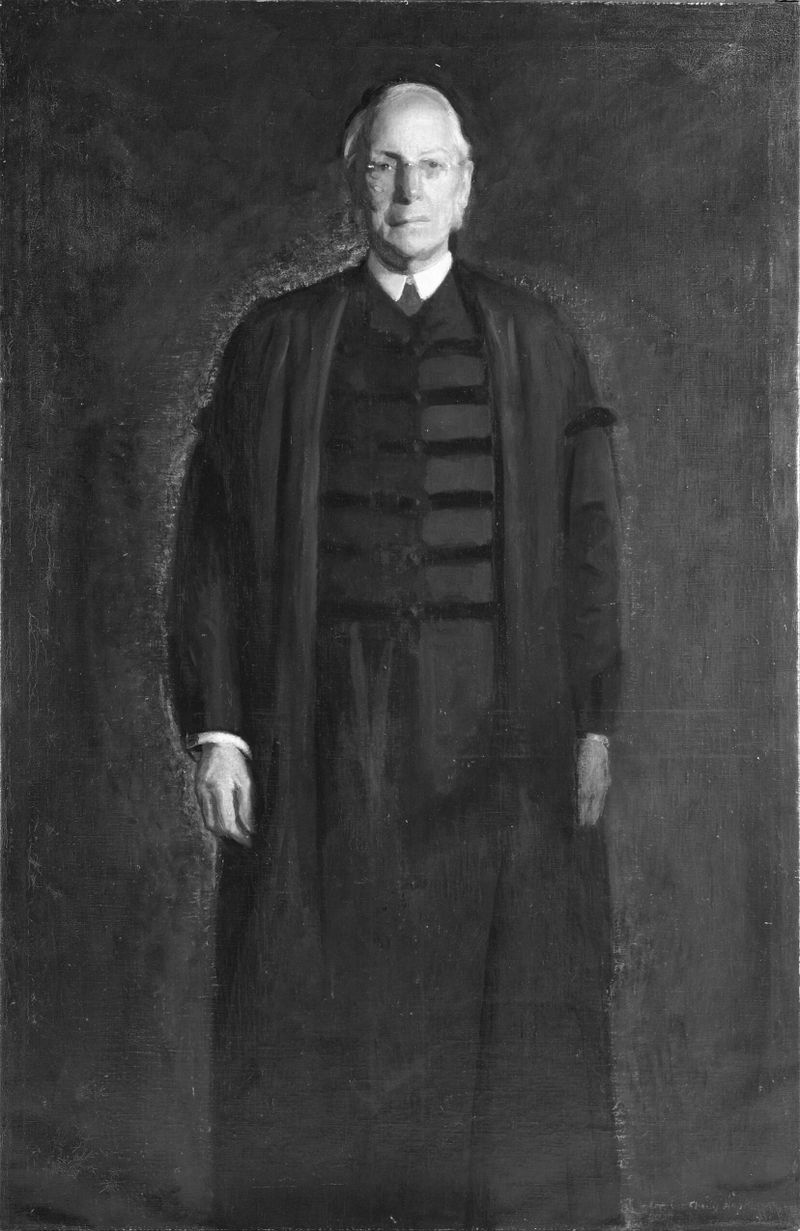
Charles William Eliot (1834-1926)
Charles Sydney Hopkinson
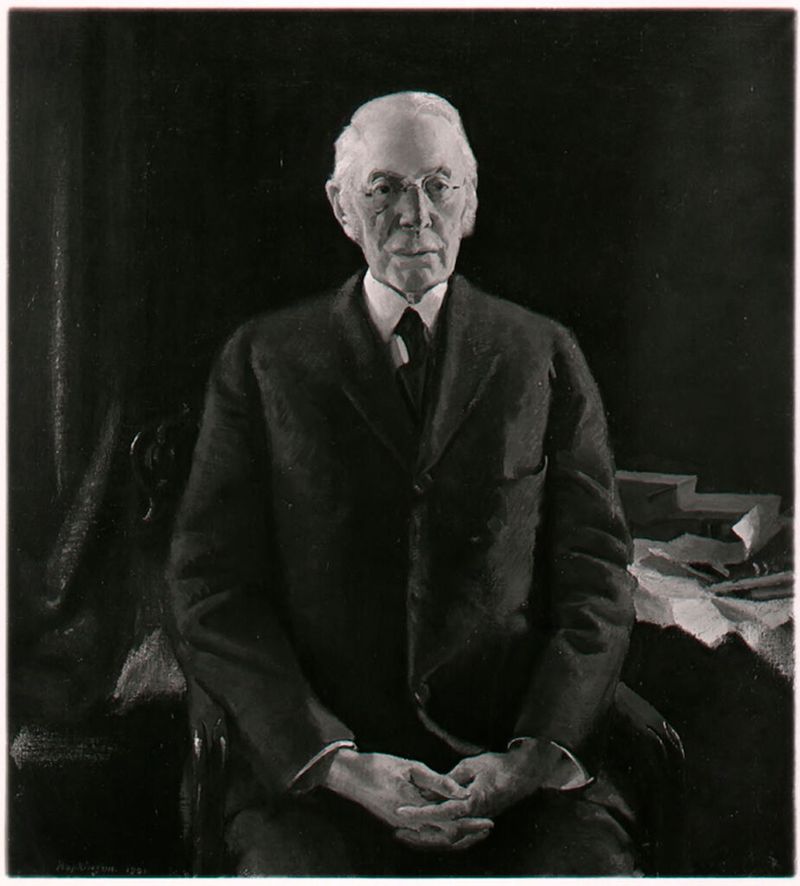
Charles William Eliot (1834-1926)
Charles Sydney Hopkinson
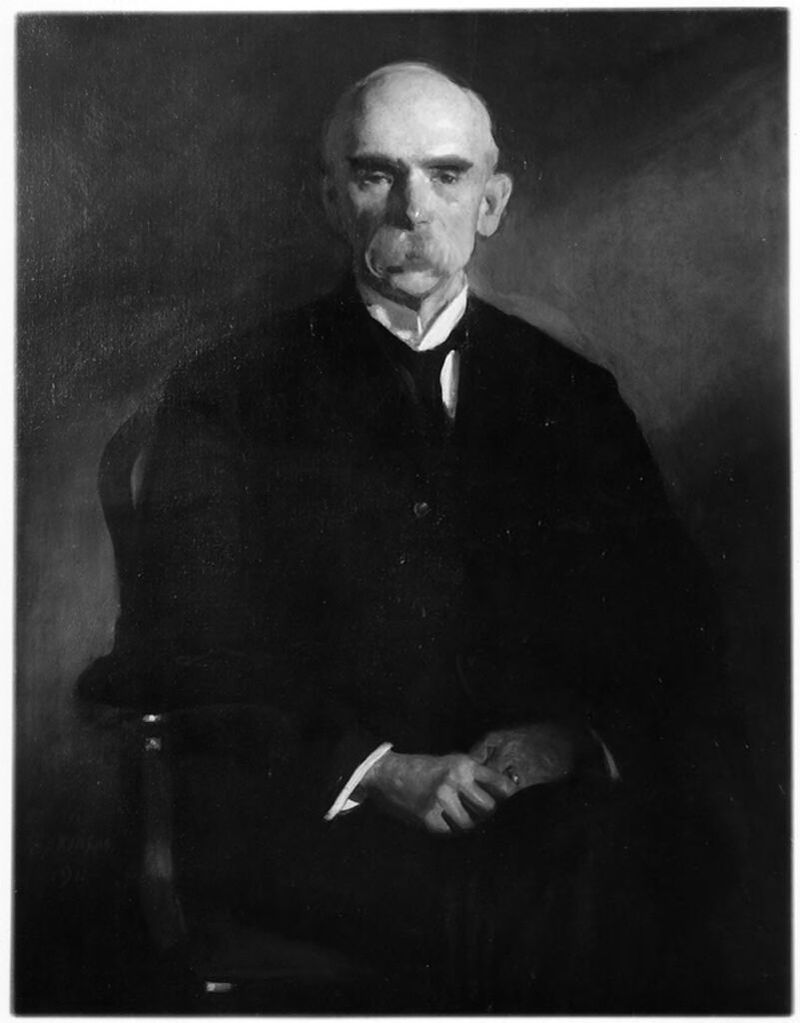
George Herbert Palmer (1842-1933)
Charles Sydney Hopkinson
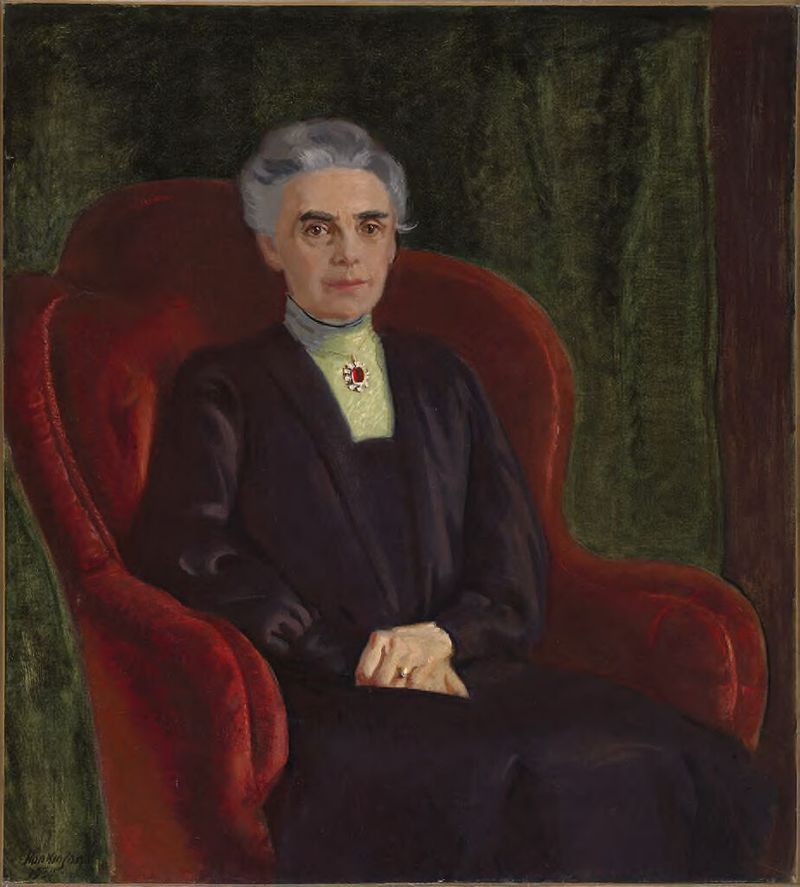
Anna Parker Lowell (Mrs. Abbott Lawrence Lowell) (d. 1930)
Charles Sydney Hopkinson

Abbott Lawrence Lowell (1856-1943)
Charles Sydney Hopkinson
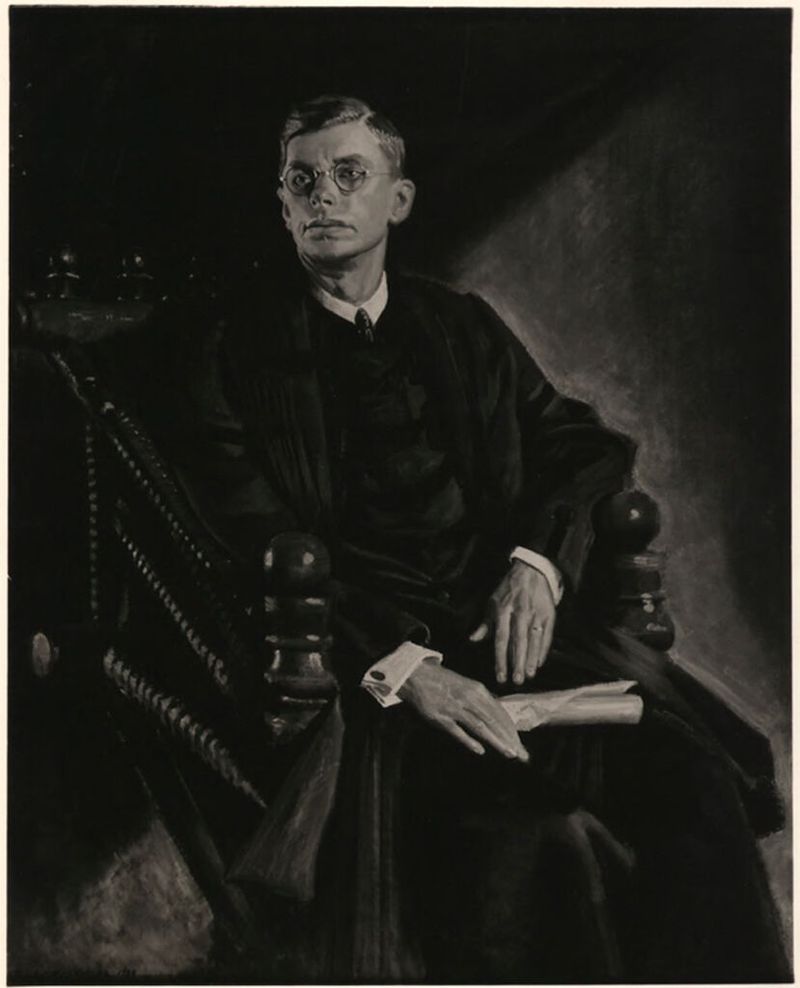
James Bryant Conant (1893-1978)
Charles Sydney Hopkinson
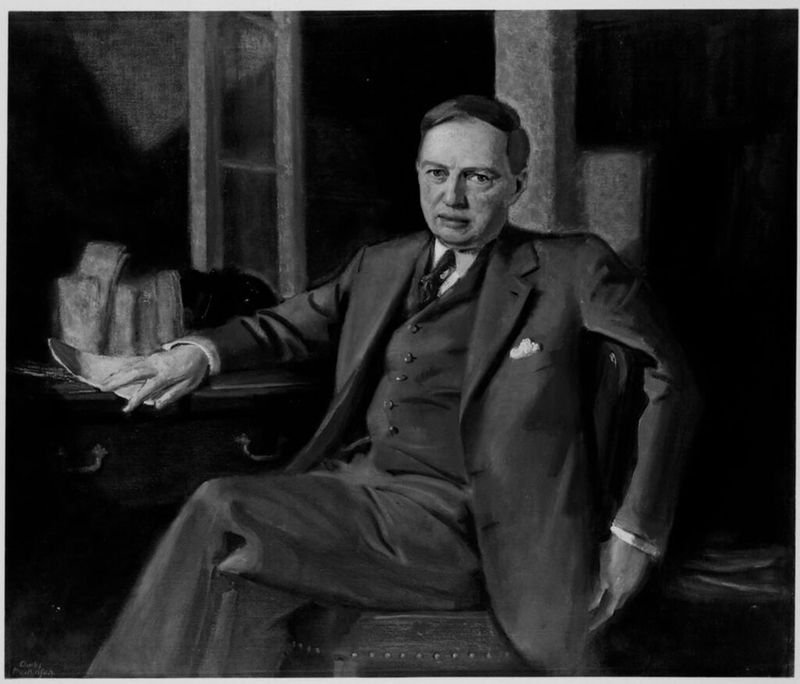
Harlow Shapley (1885-1972)
Charles Sydney Hopkinson
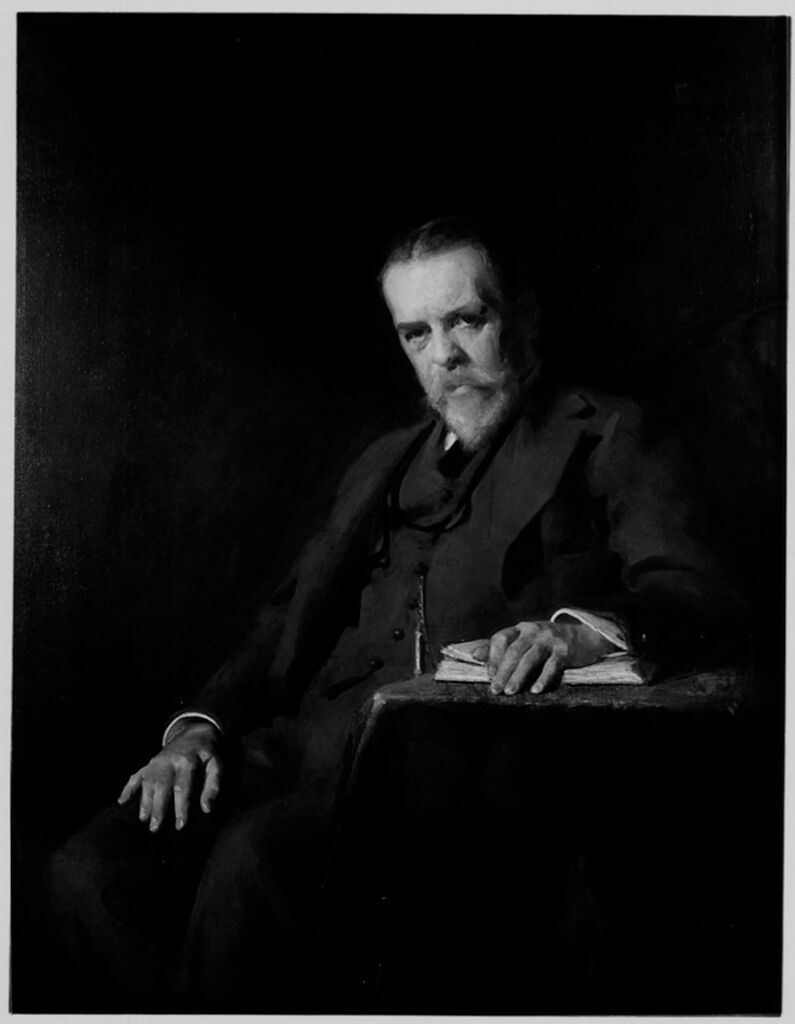
Barrett Wendell (1855-1921)
Charles Sydney Hopkinson
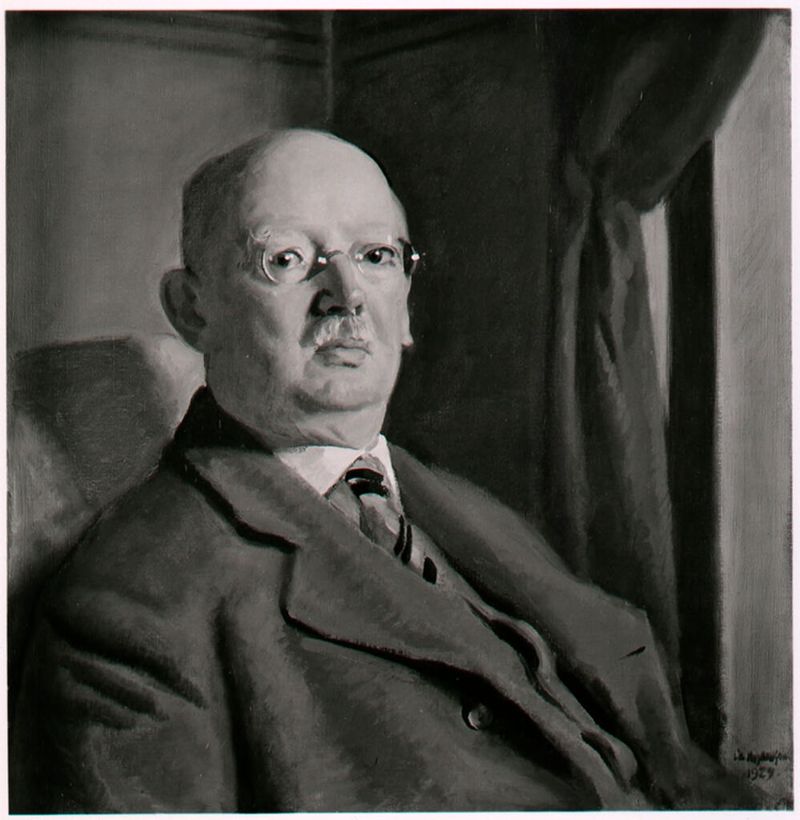
Edward Channing (1856-1931)
Charles Sydney Hopkinson
Theodore William Richards (1868-1928)
Charles Sydney Hopkinson
More Portrait Art
Browse all →
Las meninas
Diego Velázquez
Self-portrait with a Bandaged Ear and Pipe
Unidentified artist
Girl with a Pearl Earring
Johannes Vermeer

The Sampling Officials of the Amsterdam Drapers’ Guild, Known as ‘The Syndics’
Rembrandt van Rijn

The Hundred Guilder Print: the man seen on the back in the lower left corner
Rembrandt van Rijn

Portrait of Dr Gachet
Vincent van Gogh