
Charles William Eliot (1834-1926) — History & Facts
When did color learn to lie? The essence of memory drips from the brushstrokes, blending hues that both illuminate and obscure the truth of a moment captured. Look closely at the soft palette enveloping the figure, a subtle interplay of blues and warm browns that invites your gaze to linger on the face of Charles William Eliot. Notice the masterful way the artist has rendered light, cascading over Eliot’s features, highlighting the gentle contours of his expression. The aura of thoughtfulness is palpable, with each stroke revealing depth in the eyes—a glimmer of past wisdom and the weight of impending legacy. Delve deeper, and you’ll uncover the emotional tension woven into the fabric of this portrait.
The contrast between the serene expression and the dynamic background suggests a silent struggle between nostalgia and the passage of time. Even the textured brushwork hints at a life rich in experience, while the balance of light and shadow encapsulates the duality of existence, where memory can be both a comfort and a burden. In the late 19th to early 20th century, Hopkinson created this portrait during a time of great change in academia and the arts. He was well-regarded in Boston circles, where Eliot was a prominent figure in education and reform.
Amidst evolving artistic movements, Hopkinson’s meticulous style reflects a commitment to realism even as the world around him embraced abstraction, marking a significant moment in his artistic narrative.
More Artworks by Charles Sydney Hopkinson
Browse all →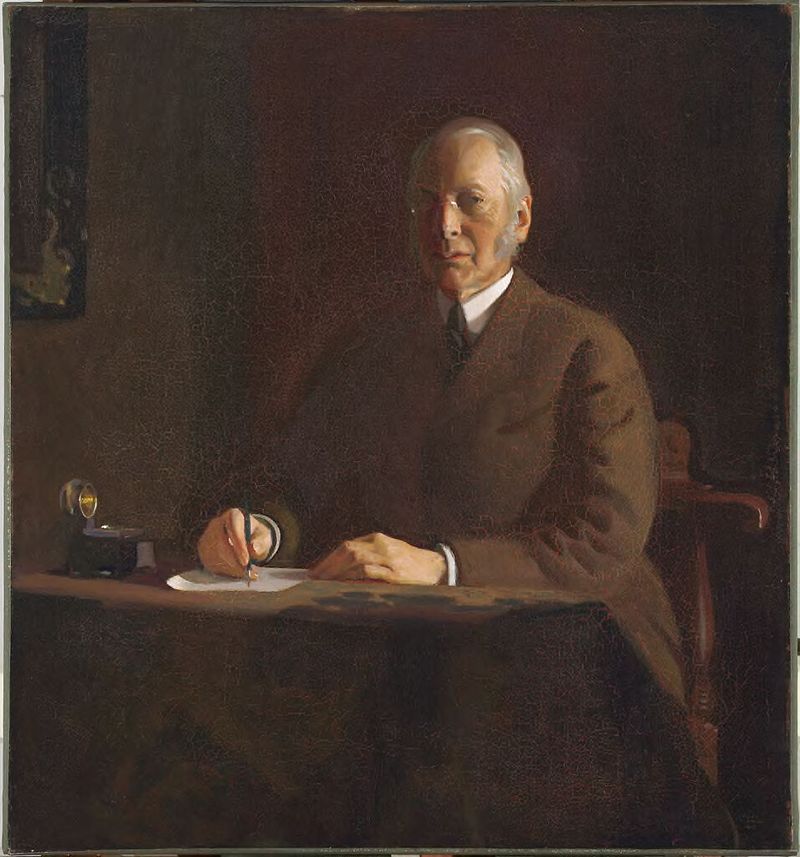
Charles William Eliot (1834-1926)
Charles Sydney Hopkinson
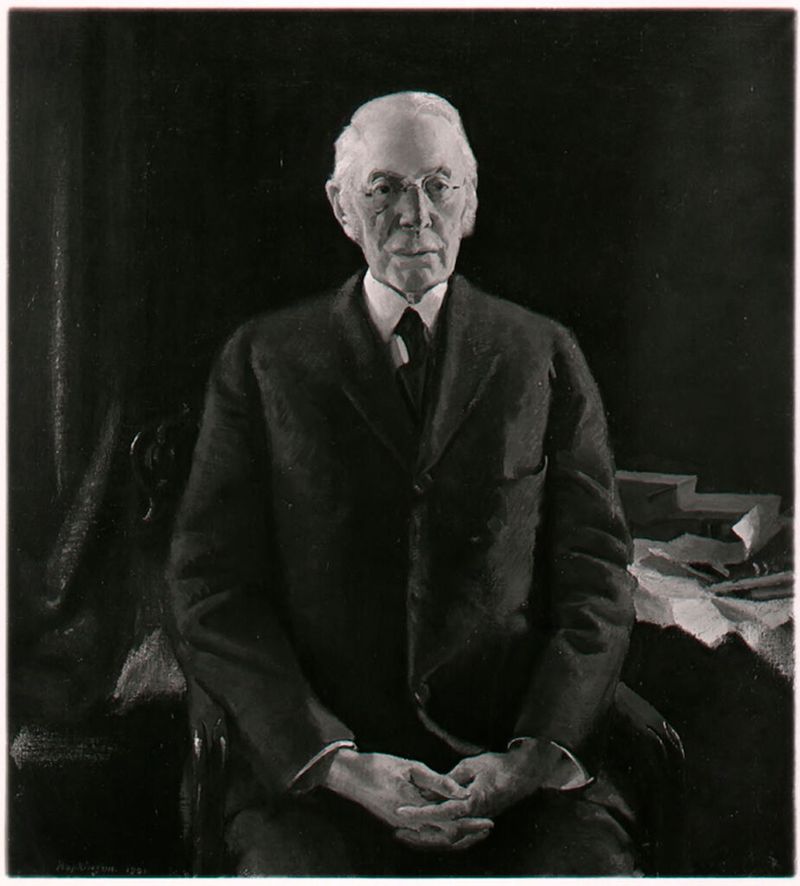
Charles William Eliot (1834-1926)
Charles Sydney Hopkinson
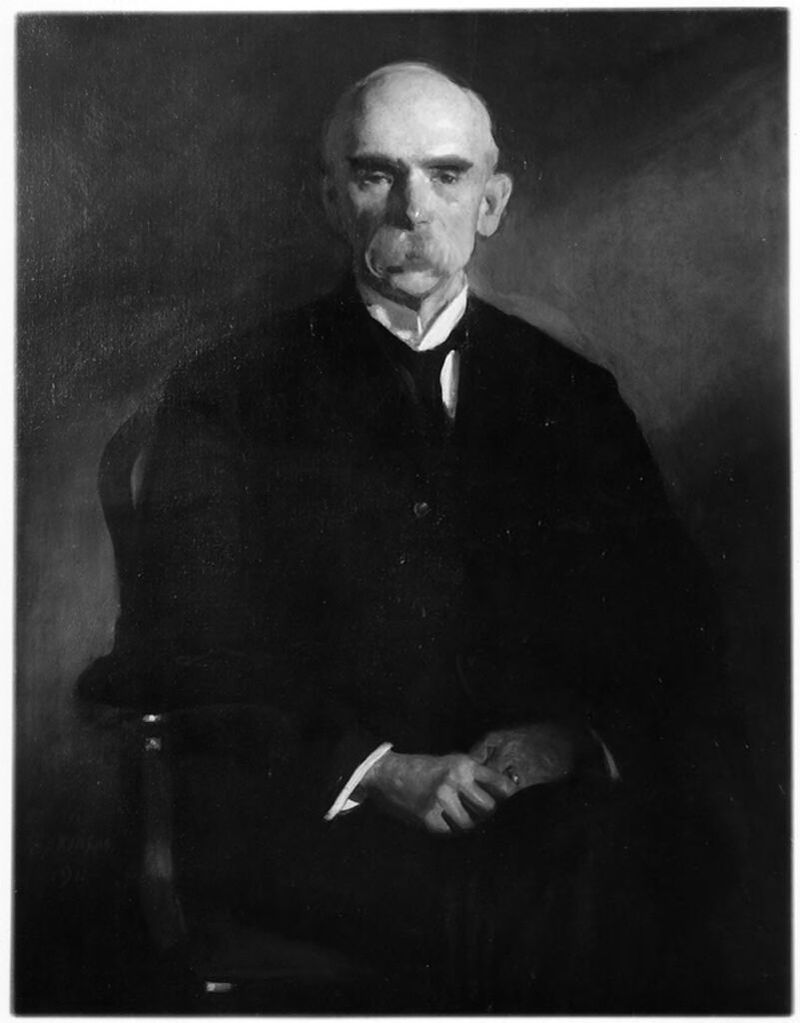
George Herbert Palmer (1842-1933)
Charles Sydney Hopkinson
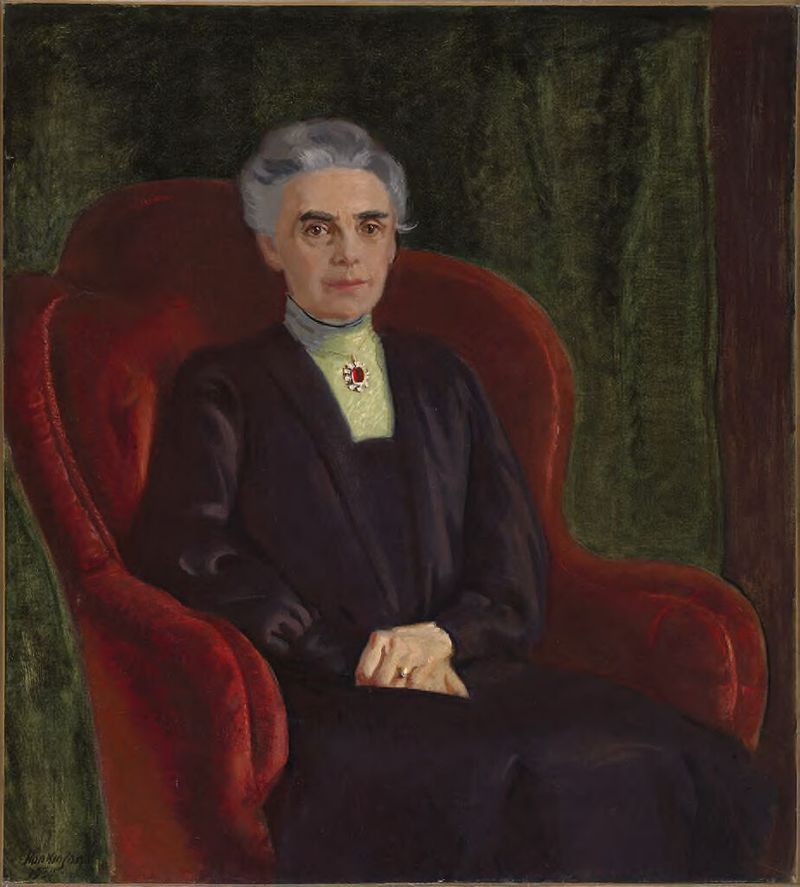
Anna Parker Lowell (Mrs. Abbott Lawrence Lowell) (d. 1930)
Charles Sydney Hopkinson

Abbott Lawrence Lowell (1856-1943)
Charles Sydney Hopkinson
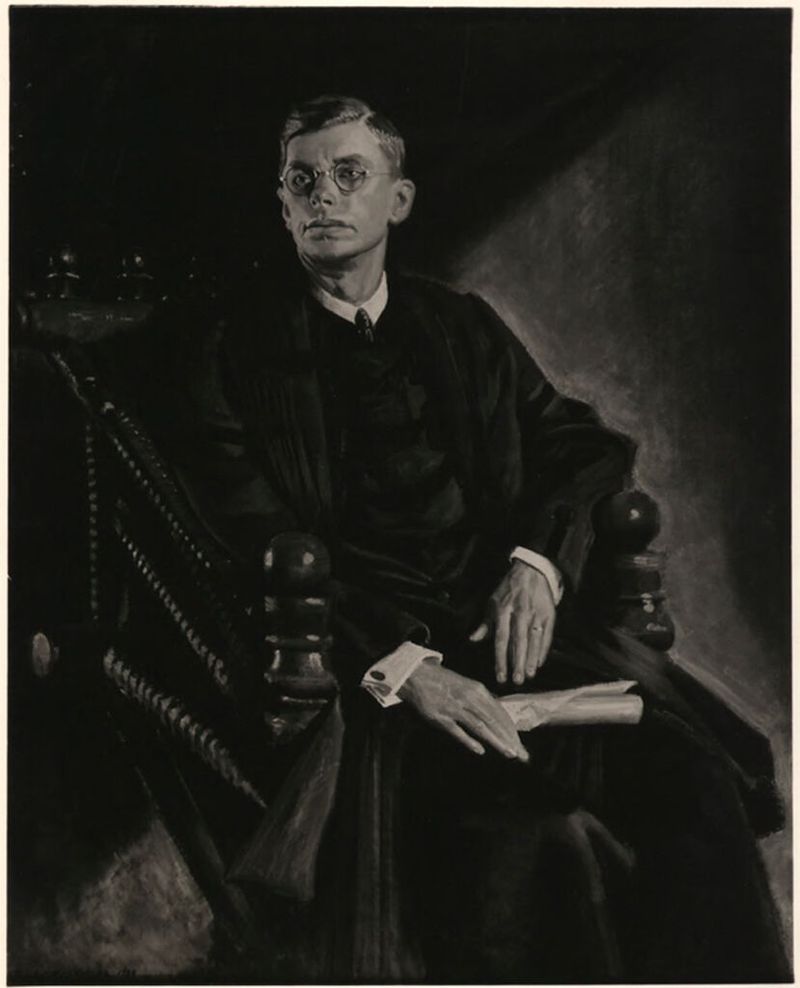
James Bryant Conant (1893-1978)
Charles Sydney Hopkinson
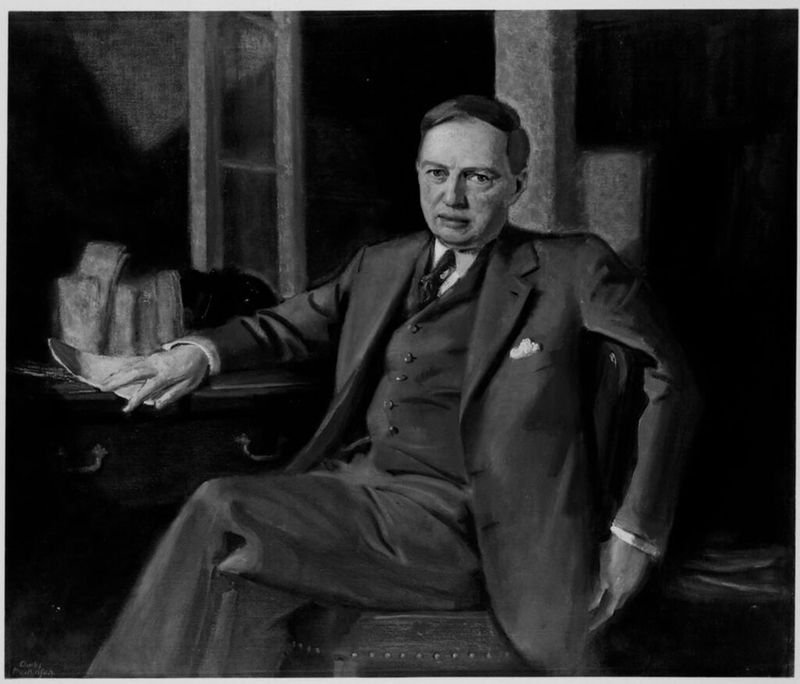
Harlow Shapley (1885-1972)
Charles Sydney Hopkinson
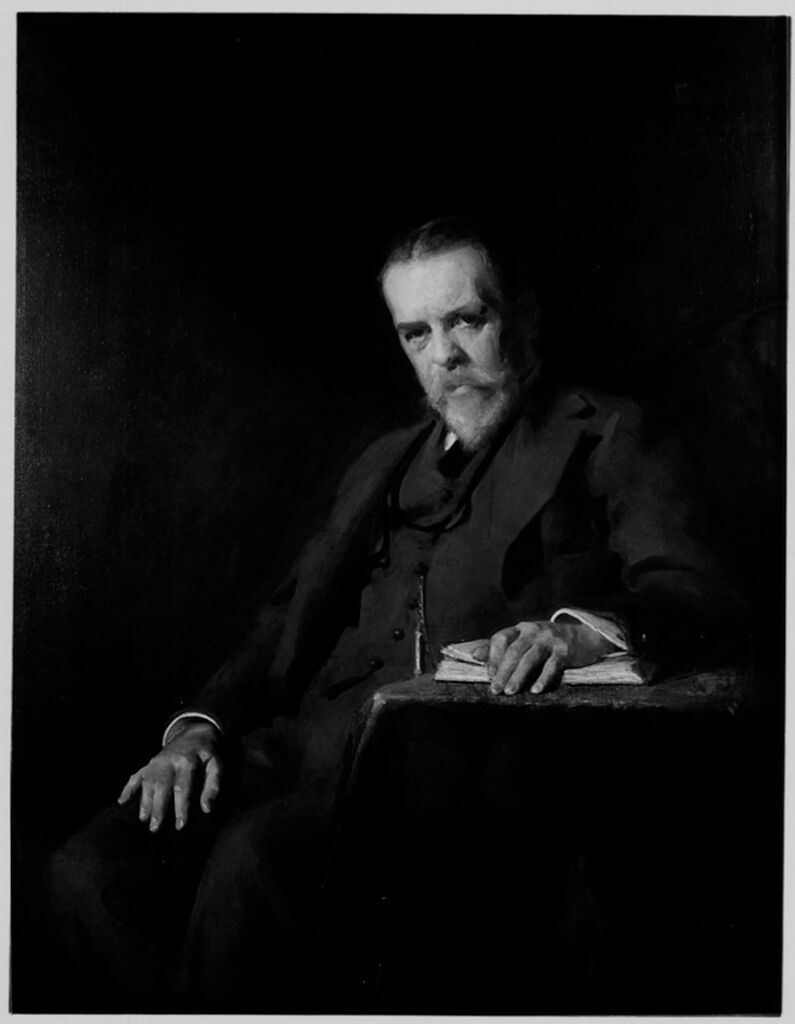
Barrett Wendell (1855-1921)
Charles Sydney Hopkinson
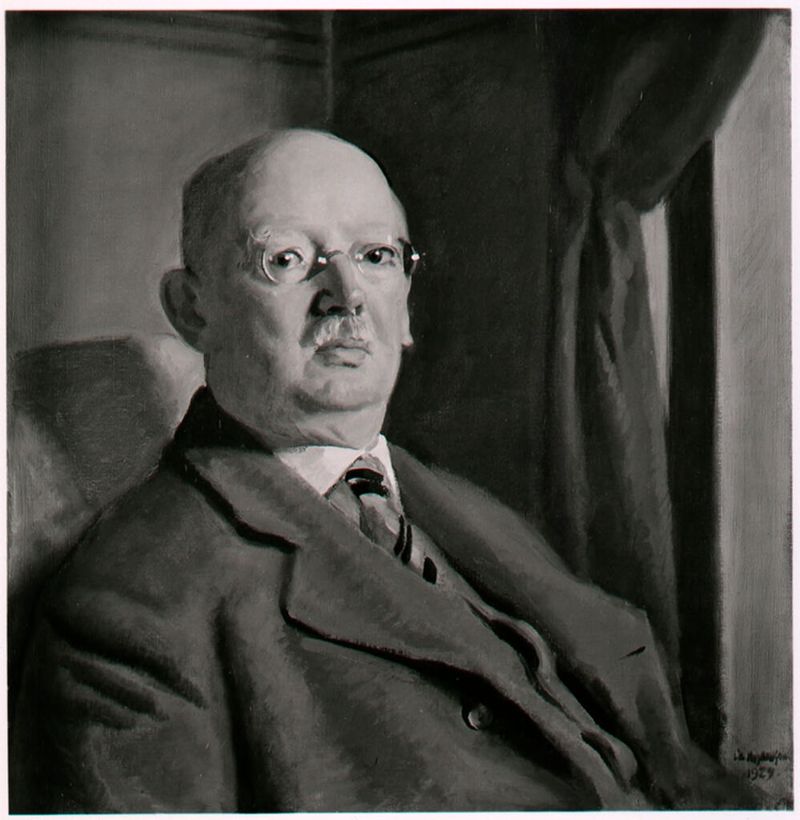
Edward Channing (1856-1931)
Charles Sydney Hopkinson
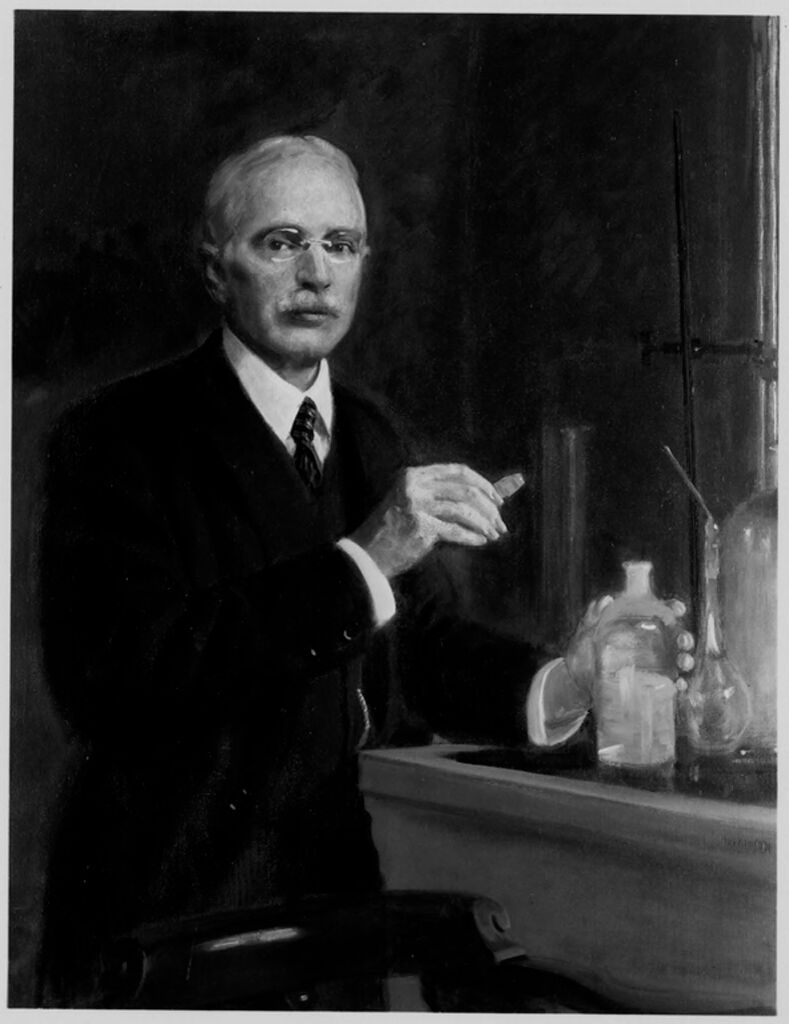
Theodore William Richards (1868-1928)
Charles Sydney Hopkinson
More Portrait Art
Browse all →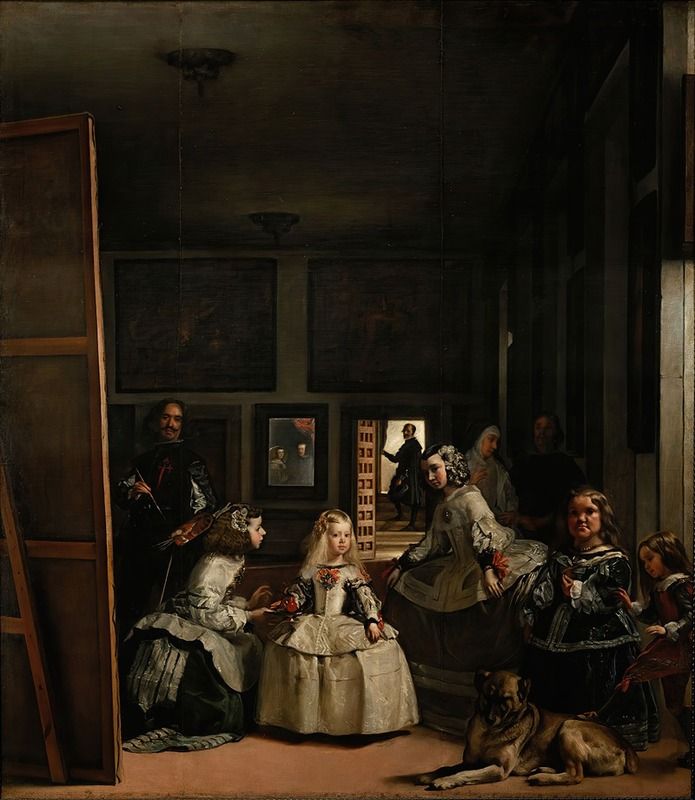
Las meninas
Diego Velázquez
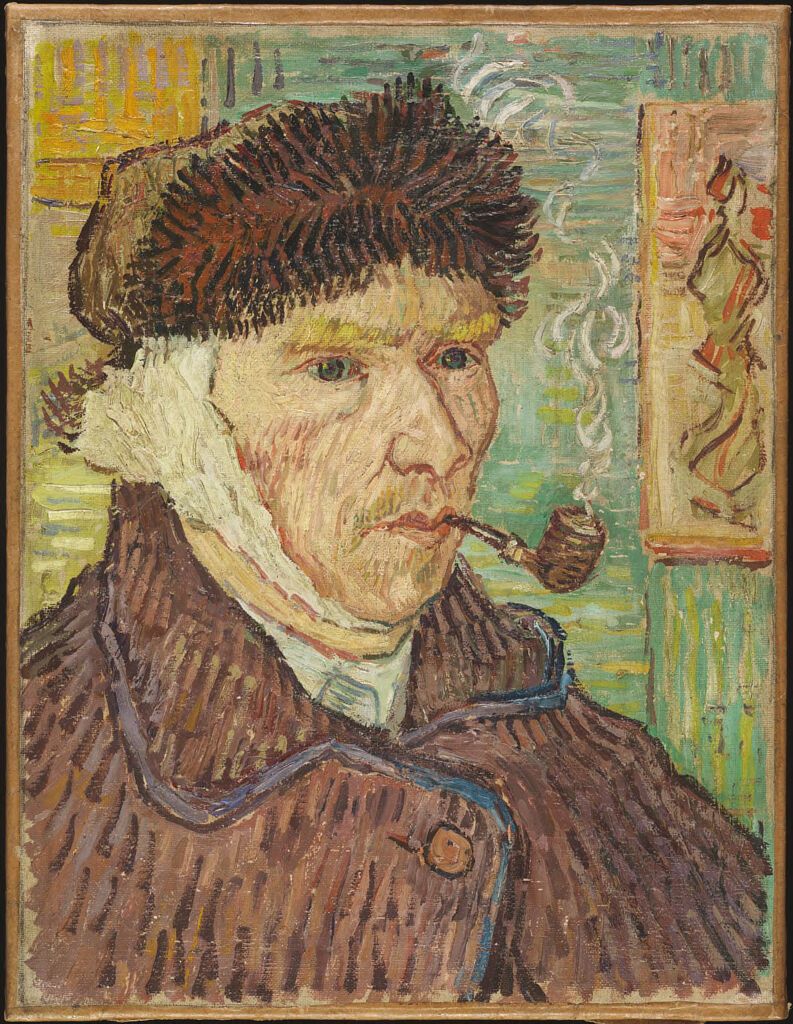
Self-portrait with a Bandaged Ear and Pipe
Unidentified artist
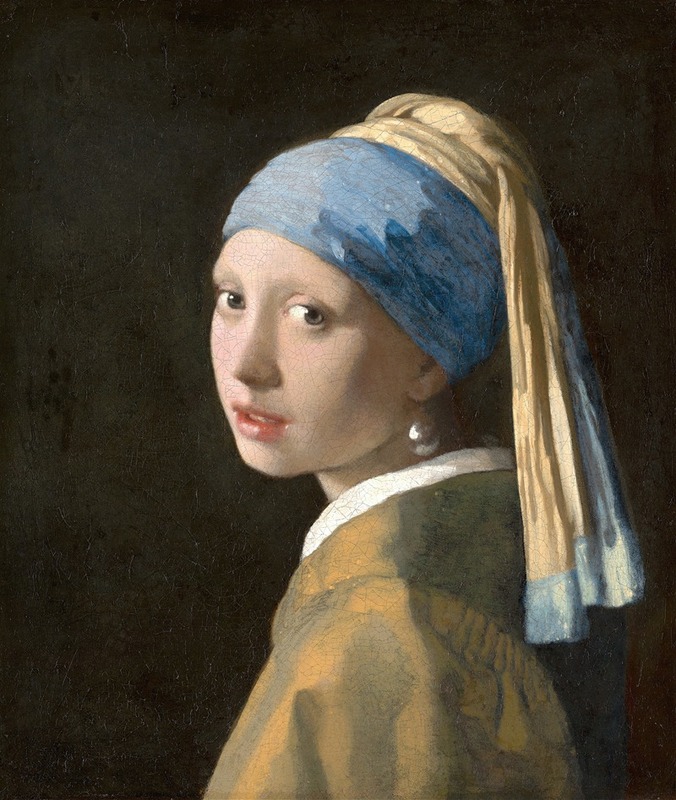
Girl with a Pearl Earring
Johannes Vermeer
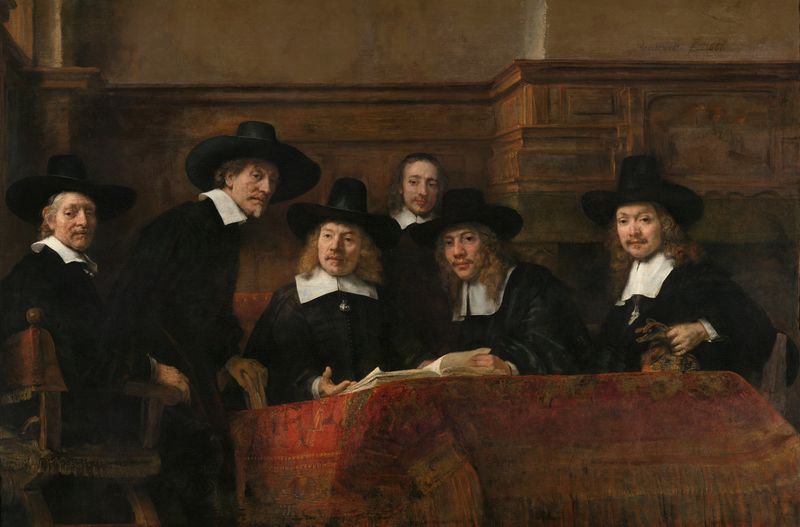
The Sampling Officials of the Amsterdam Drapers’ Guild, Known as ‘The Syndics’
Rembrandt van Rijn
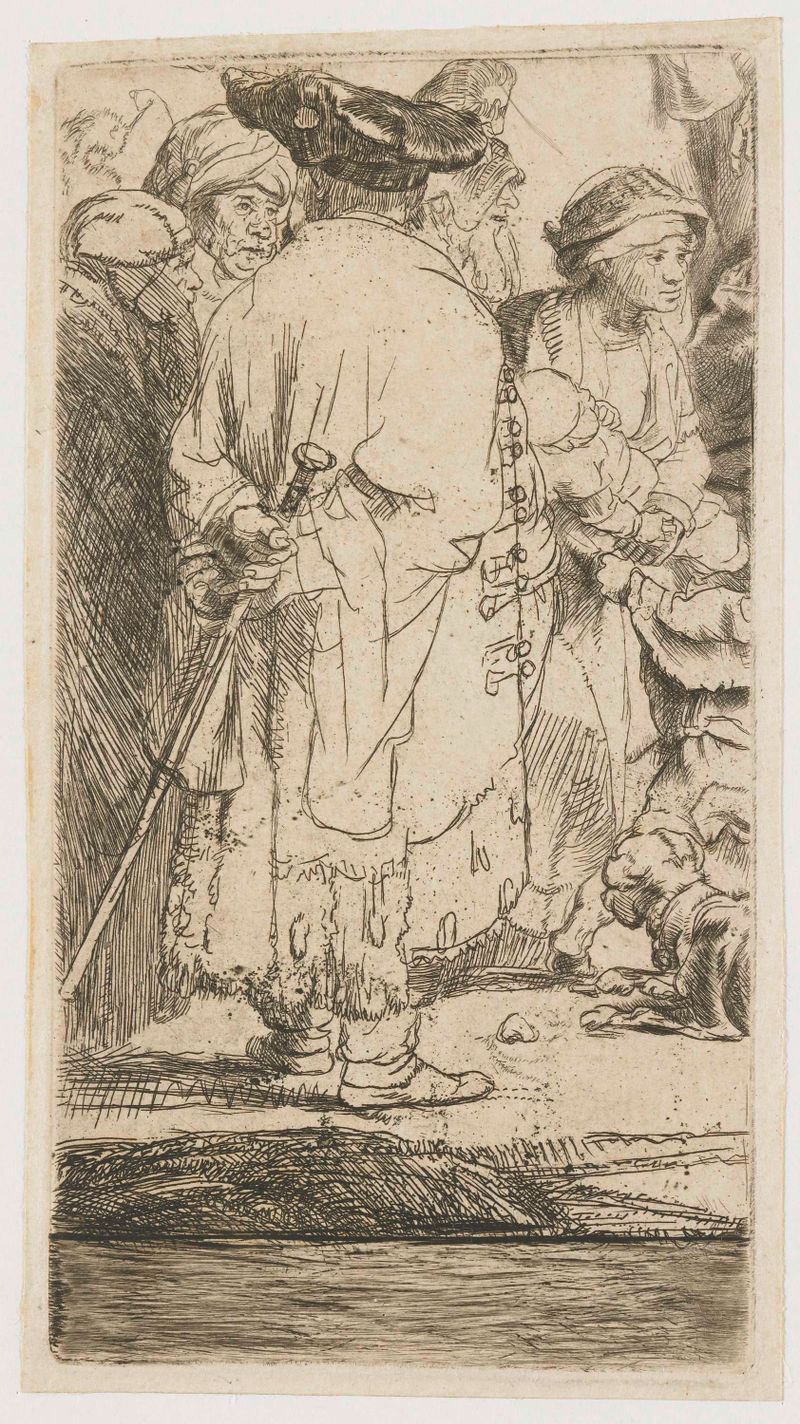
The Hundred Guilder Print: the man seen on the back in the lower left corner
Rembrandt van Rijn

Portrait of Dr Gachet
Vincent van Gogh