
Theodore William Richards (1868-1928) — History & Facts
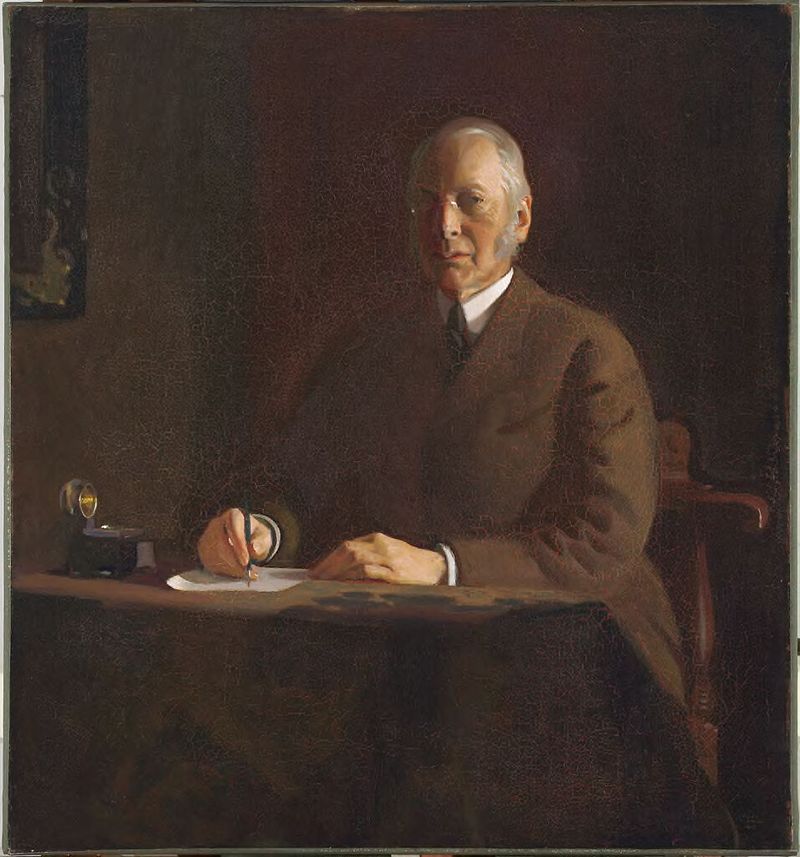
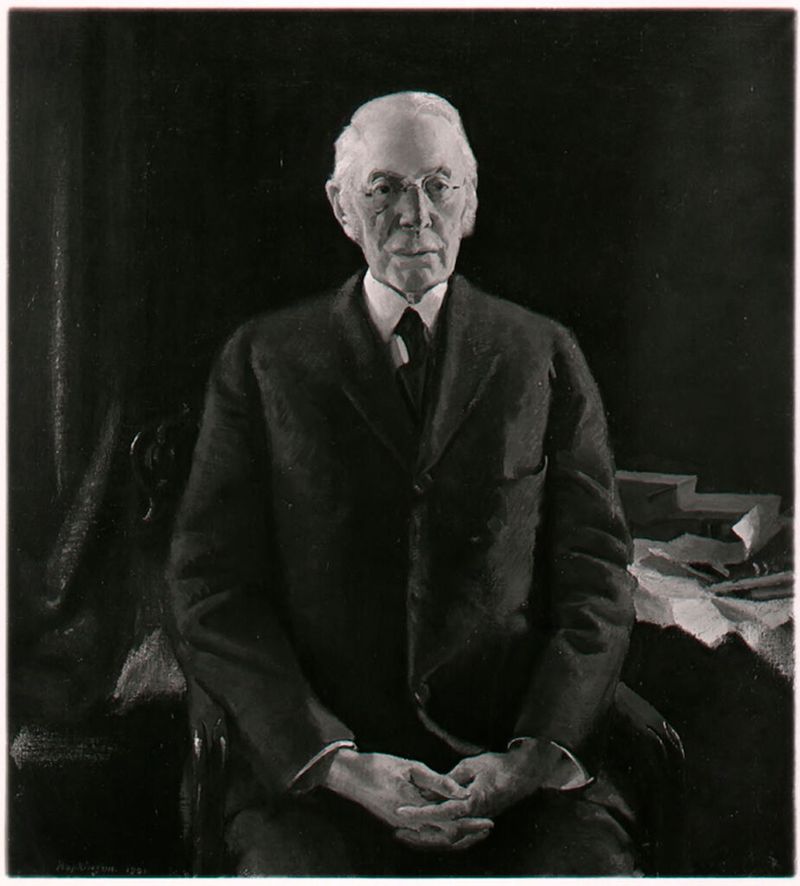
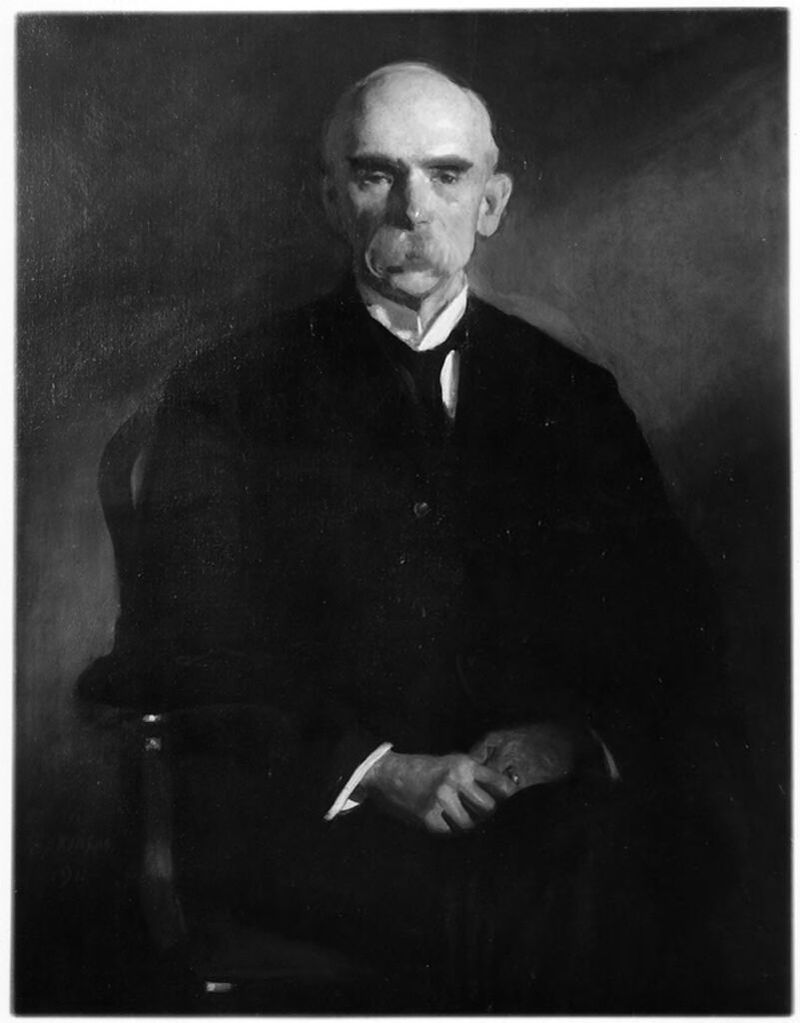
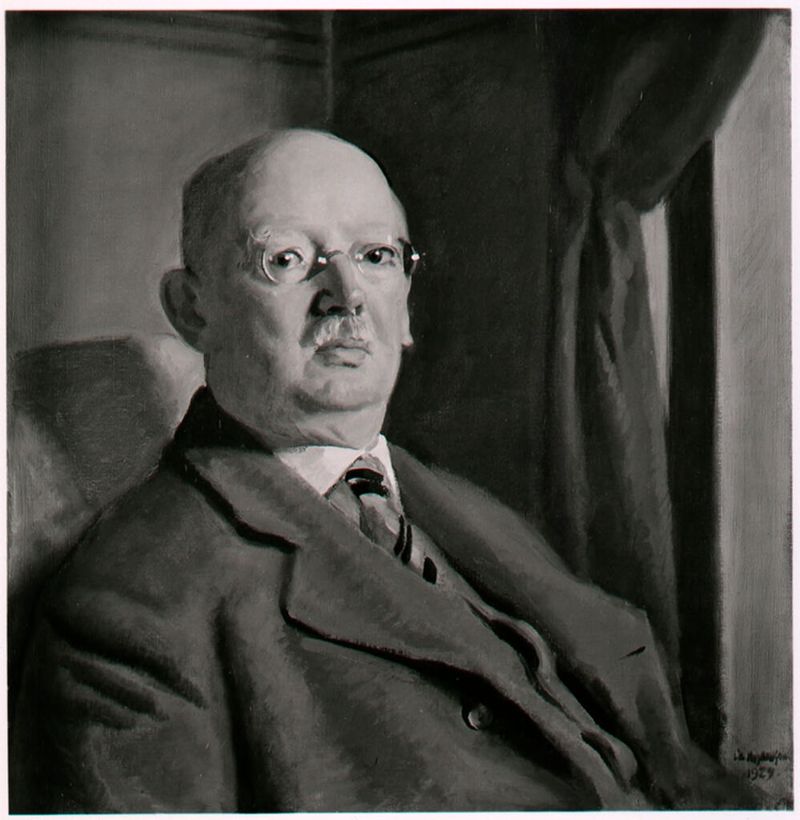
When did color learn to lie? The canvas before you is a testament to the intricate dance between truth and illusion, awakening in its depths an exploration of identity and essence. Look to the center, where the subject’s gaze pierces through the hues of deep blue and soft brown. Notice how the light gently caresses the contours of his face, creating a play of shadow that evokes both vulnerability and strength. The brushwork is fluid yet deliberate, drawing your eye from the subtle textures of fabric to the warm radiance of skin, each stroke revealing the artist’s adept hand.
The background merges seamlessly into the subject, invoking a sense of introspection—an identity both rooted and adrift. The emotional tension arises from the contrast between the warmth of the figure and the coolness of his surroundings. Here lies a silent conflict, a man caught between his individual spirit and the societal roles imposed upon him. The meticulous detail in the subject’s attire hints at an era of decorum, while the relaxed posture suggests a yearning for liberation.
Each element whispers of an awakening, a revelation lying just beyond the surface. Charles Sydney Hopkinson created this work around 1930, during a period of significant artistic transition in America. Emerging from a culture steeped in traditional portraiture, he found himself influenced by the modernist movements of the time. As the world grappled with the aftermath of war and the onset of the Great Depression, Hopkinson’s focus on personal identity and the human experience reflected a broader conversation within the art community about authenticity and expression.
More Artworks by Charles Sydney Hopkinson
Browse all →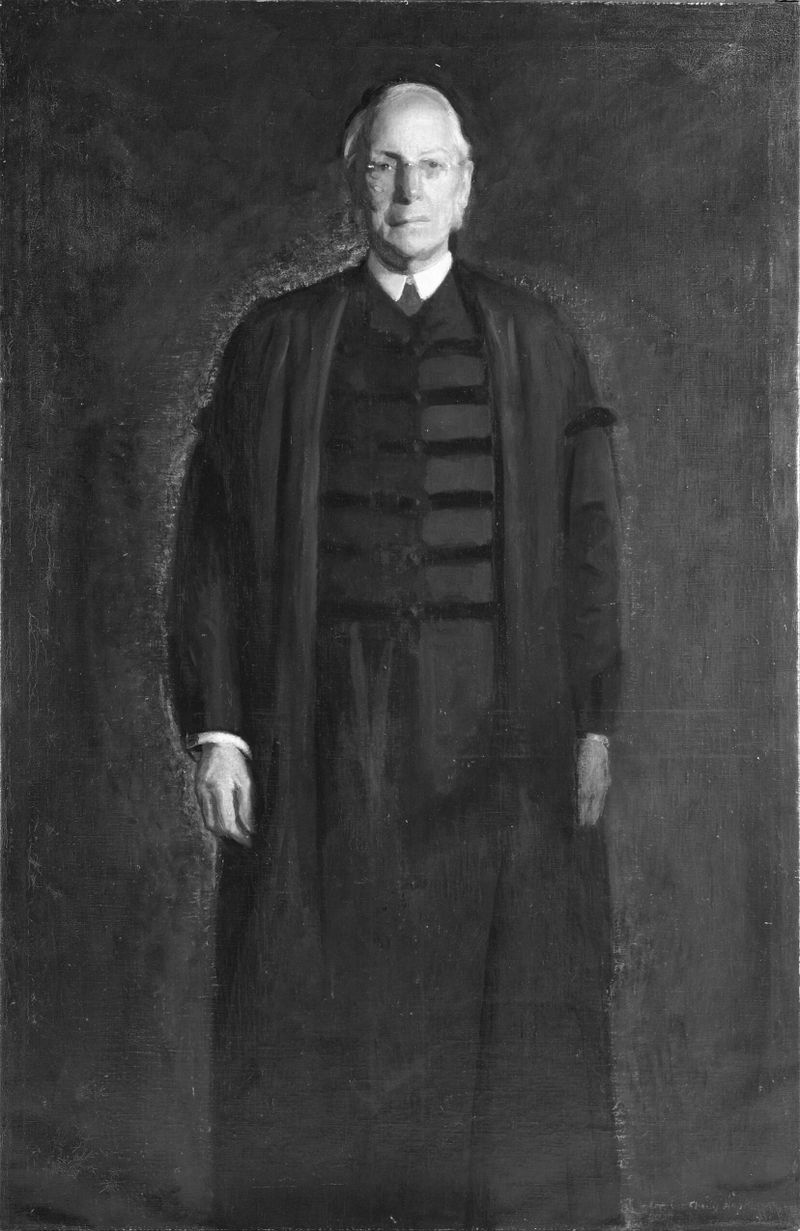
Charles William Eliot (1834-1926)
Charles Sydney Hopkinson
Charles William Eliot (1834-1926)
Charles Sydney Hopkinson
Charles William Eliot (1834-1926)
Charles Sydney Hopkinson
George Herbert Palmer (1842-1933)
Charles Sydney Hopkinson
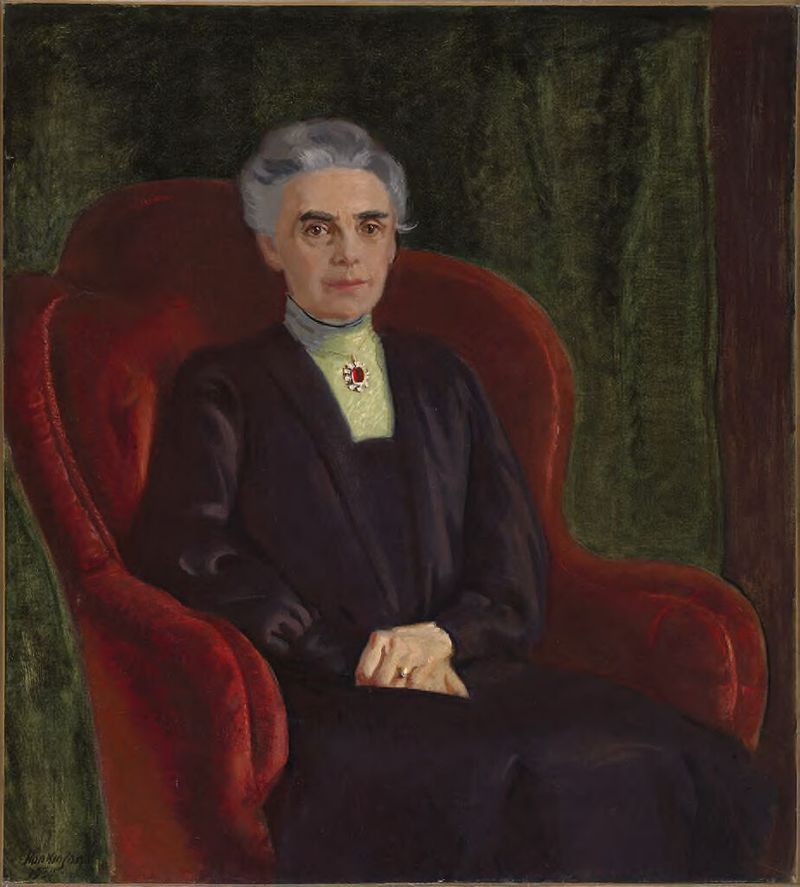
Anna Parker Lowell (Mrs. Abbott Lawrence Lowell) (d. 1930)
Charles Sydney Hopkinson

Abbott Lawrence Lowell (1856-1943)
Charles Sydney Hopkinson
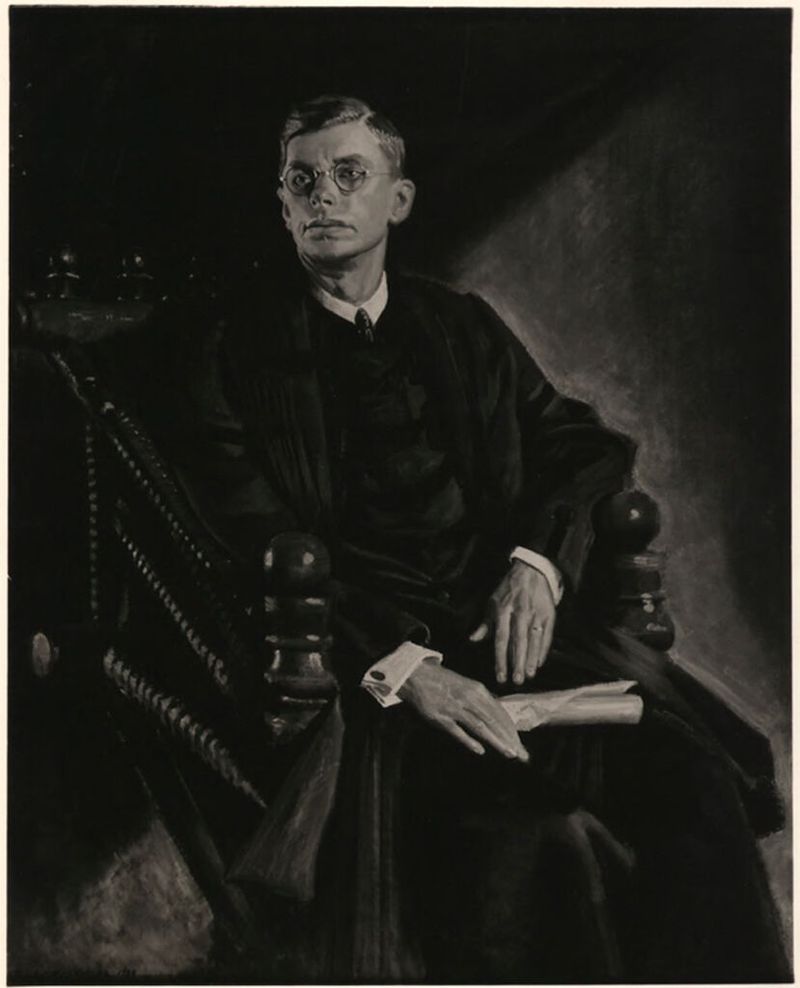
James Bryant Conant (1893-1978)
Charles Sydney Hopkinson
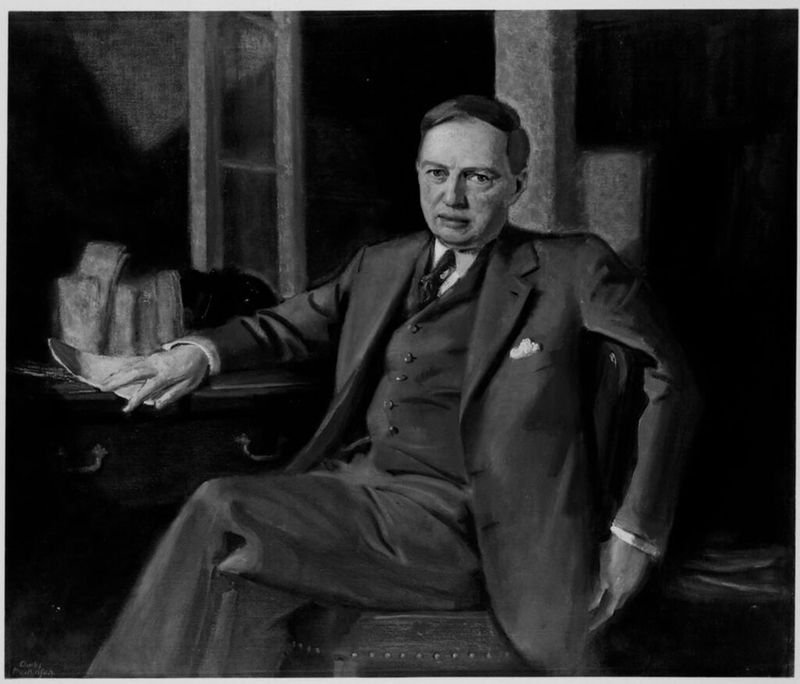
Harlow Shapley (1885-1972)
Charles Sydney Hopkinson
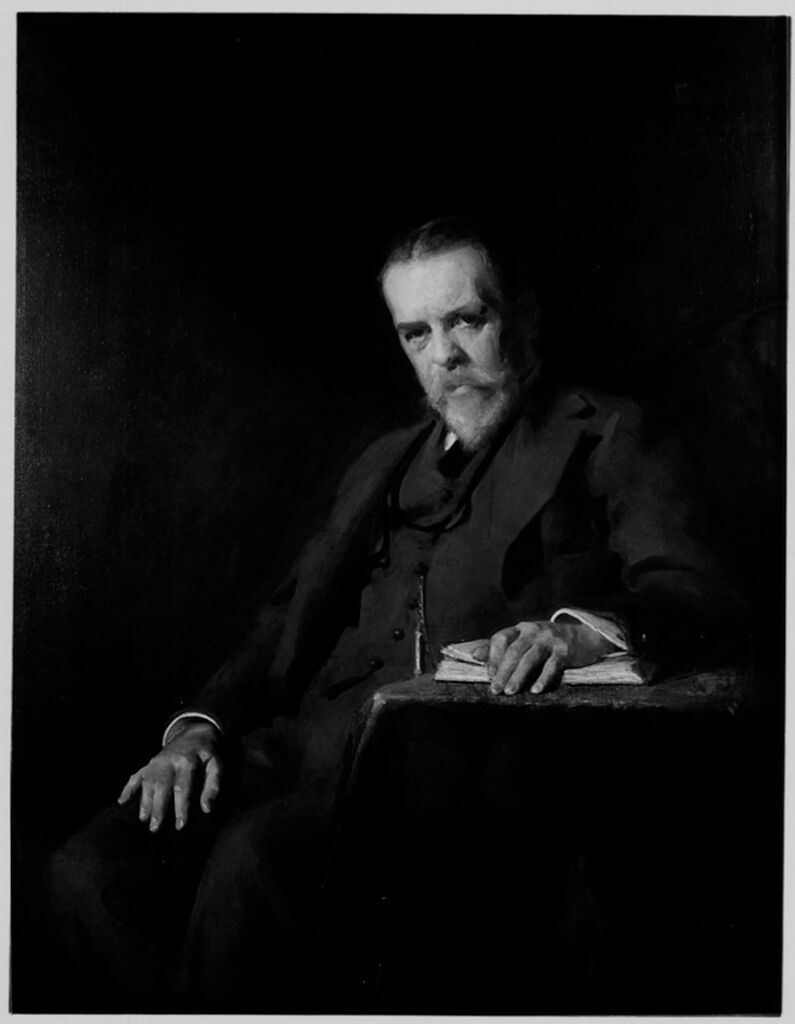
Barrett Wendell (1855-1921)
Charles Sydney Hopkinson
Edward Channing (1856-1931)
Charles Sydney Hopkinson
More Portrait Art
Browse all →
Las meninas
Diego Velázquez

Self-portrait with a Bandaged Ear and Pipe
Unidentified artist

Girl with a Pearl Earring
Johannes Vermeer

The Sampling Officials of the Amsterdam Drapers’ Guild, Known as ‘The Syndics’
Rembrandt van Rijn

The Hundred Guilder Print: the man seen on the back in the lower left corner
Rembrandt van Rijn

Portrait of Dr Gachet
Vincent van Gogh