
Edward Channing (1856-1931) — History & Facts
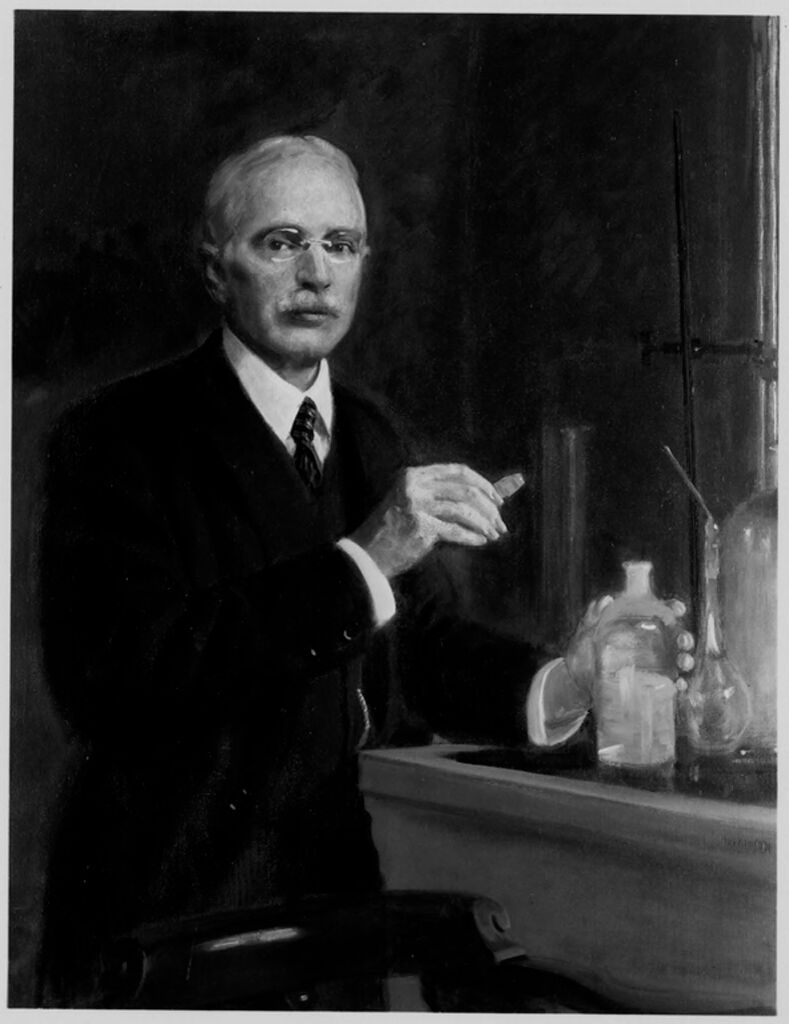
Can beauty exist without sorrow? In Edward Channing, the delicate interplay of light and shadow suggests that beauty is often shaped by the depth of our experiences, weaving a tapestry of faith amidst hardship. Look closely at the figure’s expression, a blend of introspection and serenity that captures the viewer's gaze immediately. The gentle contours of his face are illuminated by soft, natural light, emphasizing a profound sense of calm. Notice how the artist employs a muted color palette of deep blues and soft grays, bringing a meditative quality to the composition while invoking a sense of timelessness.
The background remains unadorned, allowing the figure to emerge as a beacon of grace against a stark canvas. In the intricacies of the painting, one can discern layers of meaning—faith in the face of adversity, the strength hidden beneath vulnerability, and the quiet resilience of the human spirit. The delicate brushstrokes convey a sense of movement, suggesting that the subject is caught in a moment of contemplation, perhaps pondering the dichotomy of life’s joys and sorrows. This tension between light and darkness serves as a reminder that our greatest beauty can often be forged through struggle. Created in 1929, this piece reflects Hopkinson's shift towards a more personal and introspective style amidst the changing tides of modern art.
Working during a time of considerable social upheaval and the looming Great Depression, he sought to capture the inner lives of his subjects, emphasizing the emotional depth often overlooked in the era's more flamboyant movements.
More Artworks by Charles Sydney Hopkinson
Browse all →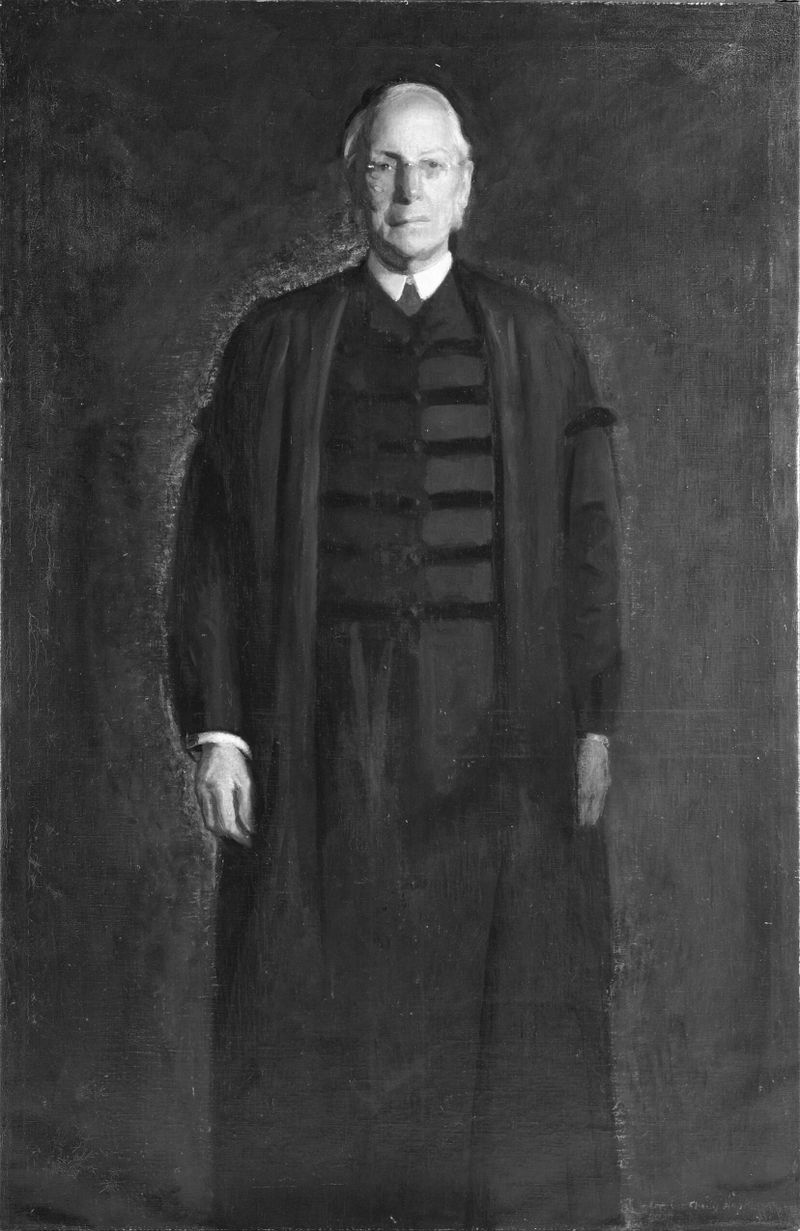
Charles William Eliot (1834-1926)
Charles Sydney Hopkinson
Charles William Eliot (1834-1926)
Charles Sydney Hopkinson
Charles William Eliot (1834-1926)
Charles Sydney Hopkinson
George Herbert Palmer (1842-1933)
Charles Sydney Hopkinson
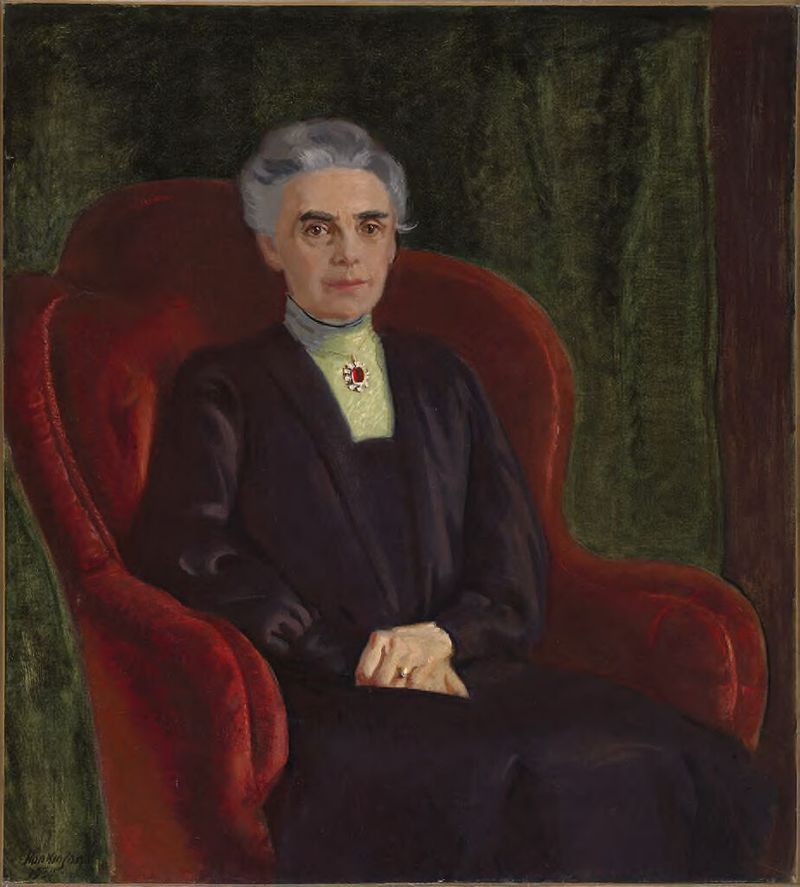
Anna Parker Lowell (Mrs. Abbott Lawrence Lowell) (d. 1930)
Charles Sydney Hopkinson

Abbott Lawrence Lowell (1856-1943)
Charles Sydney Hopkinson
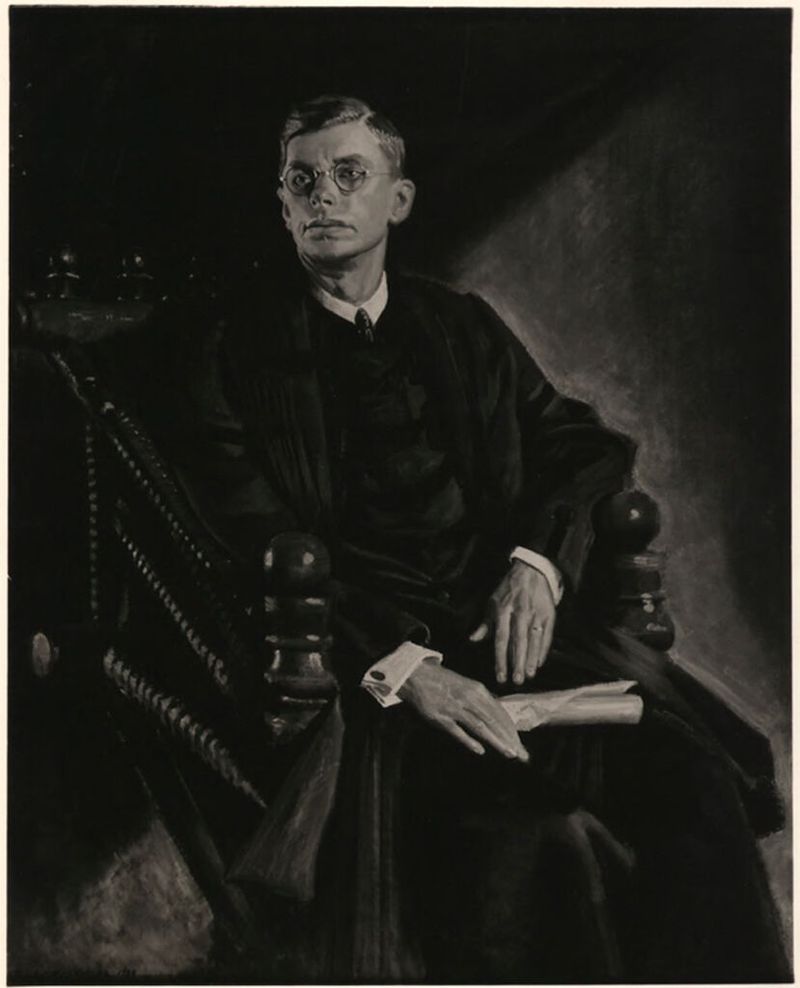
James Bryant Conant (1893-1978)
Charles Sydney Hopkinson
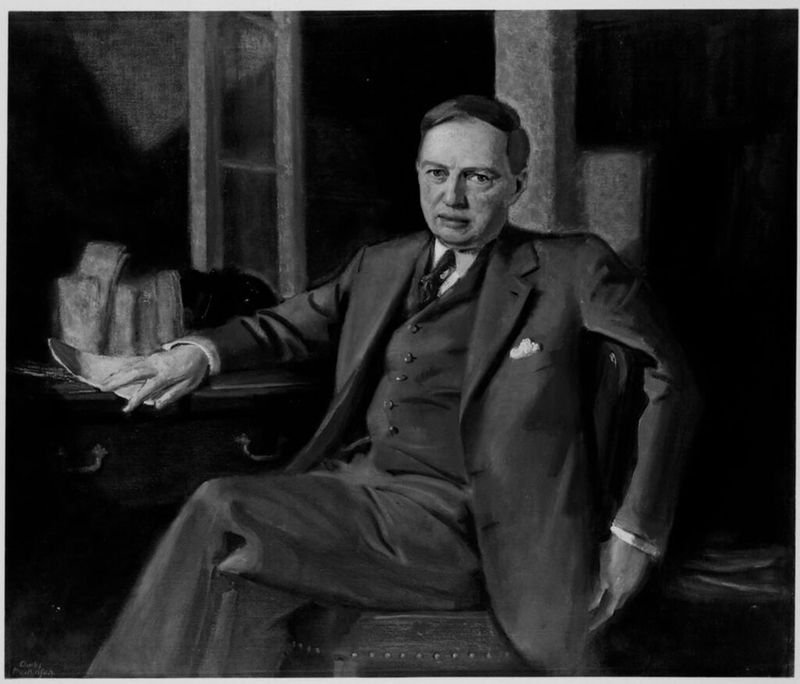
Harlow Shapley (1885-1972)
Charles Sydney Hopkinson
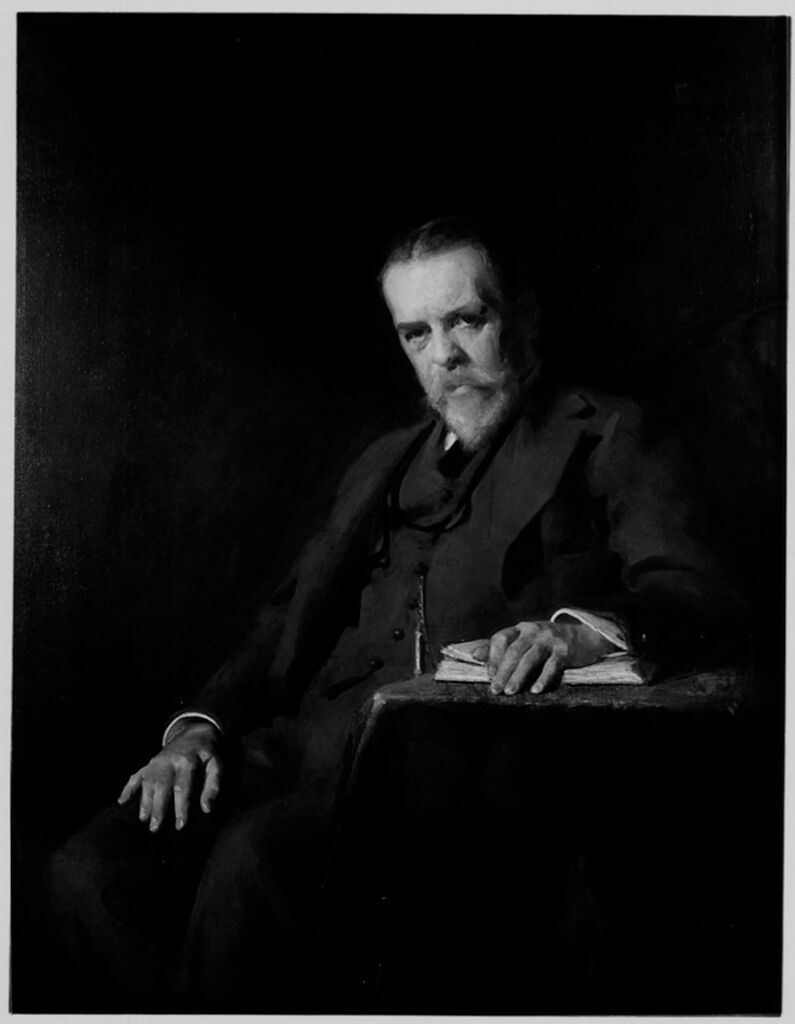
Barrett Wendell (1855-1921)
Charles Sydney Hopkinson
Theodore William Richards (1868-1928)
Charles Sydney Hopkinson
More Portrait Art
Browse all →
Las meninas
Diego Velázquez

Self-portrait with a Bandaged Ear and Pipe
Unidentified artist

Girl with a Pearl Earring
Johannes Vermeer

The Sampling Officials of the Amsterdam Drapers’ Guild, Known as ‘The Syndics’
Rembrandt van Rijn

The Hundred Guilder Print: the man seen on the back in the lower left corner
Rembrandt van Rijn

Portrait of Dr Gachet
Vincent van Gogh