
Cheikh Sattane, Chef de la tribu Haddidine (Palmyre) — History & Facts
In Cheikh Sattane, Chef de la tribu Haddidine (Palmyre), the viewer is greeted by a striking portrait of a tribal chief. The colors are rich and earthy, reflecting the cultural heritage of Palmyra. The figure of Cheikh Sattane is depicted with a dignified expression, adorned in traditional attire that highlights his status.
The background is subtly rendered, allowing the focus to remain on the chief's commanding presence. The painting is executed in oil on canvas, a medium that allows for vibrant color and texture. The dimensions are approximately 100 x 80 cm, making it a significant work that draws attention. The brushwork is detailed, capturing the intricate patterns of the chief's clothing and the nuances of his facial features.
This attention to detail is a hallmark of Modernism, showcasing a blend of realism and stylization. Alexandre Jacovleff was a Russian artist known for his travels and depictions of various cultures. This work, painted in the 1930s, reflects his fascination with the Middle East and its peoples. An interesting fact about this portrait is that it was created during a time when Palmyra was gaining attention for its archaeological significance.
Jacovleff's portrayal of Cheikh Sattane serves as a cultural bridge, connecting viewers to the rich history of the region.
More Artworks by Alexandre Jacovleff
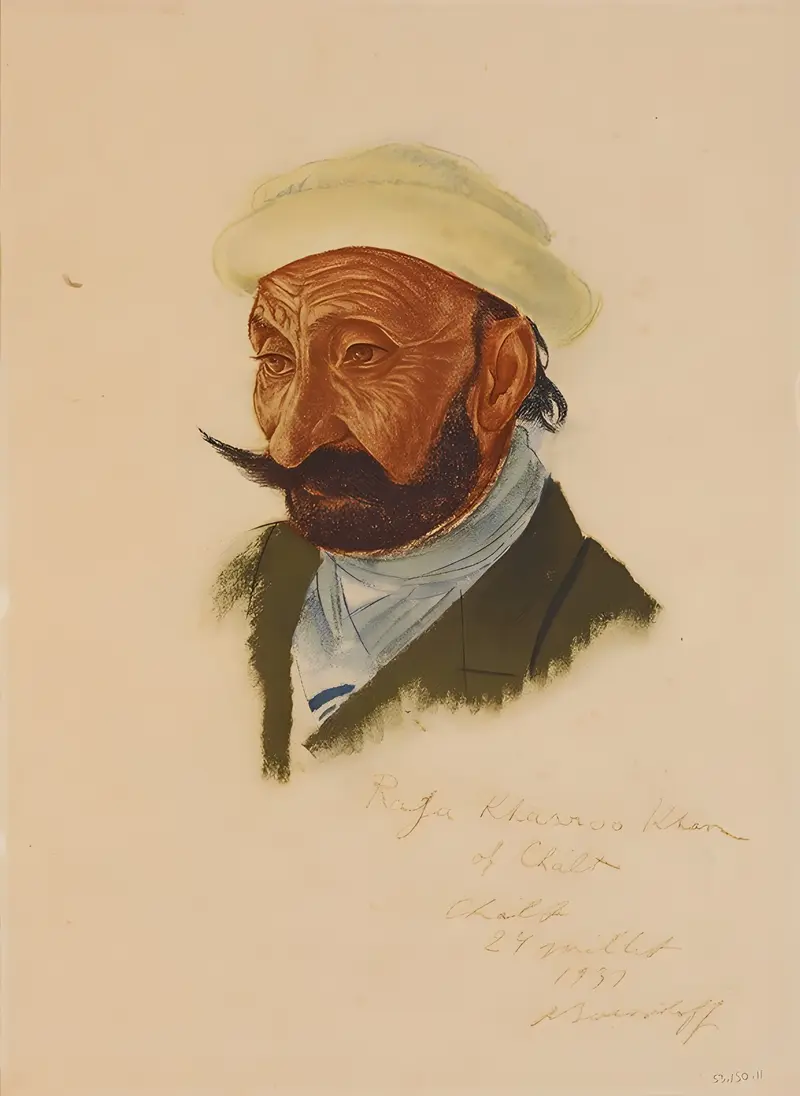
Raja Khasroo Khan de Naga, Tchalt
Alexandre Jacovleff
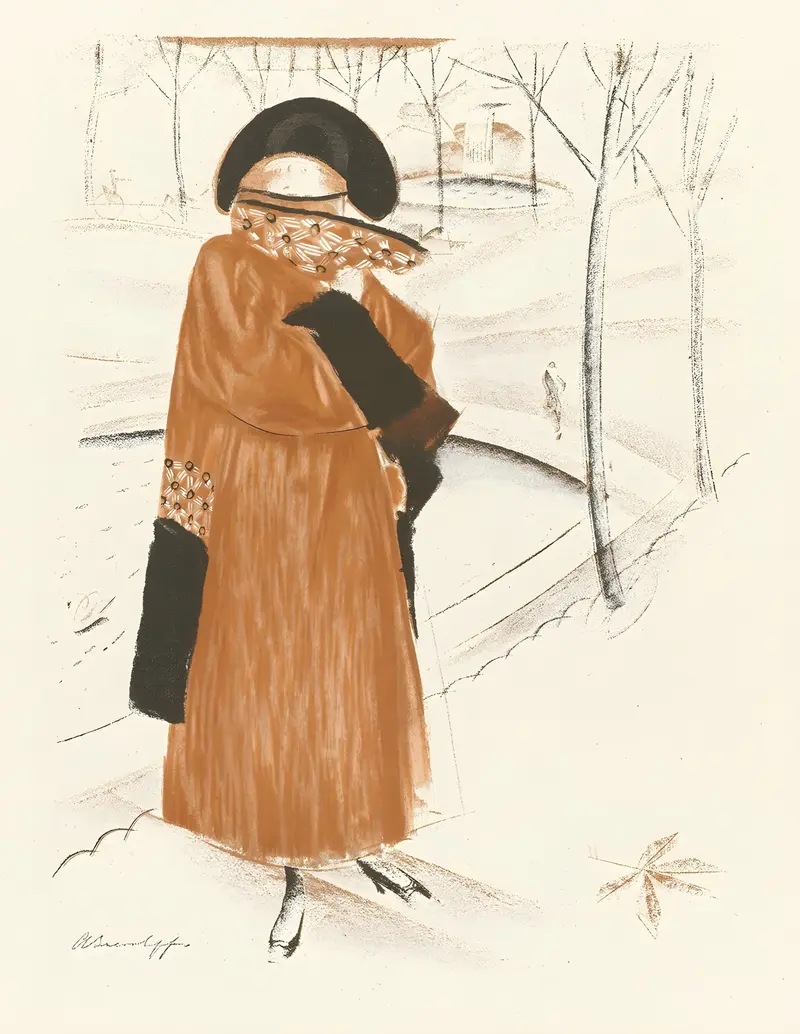
L’Heure du rendez-vous ; Manteau d’après-midi, de Paul Poiret
Alexandre Jacovleff

Concert du soir
Alexandre Jacovleff

L’Ambassadeur du Mir de Hounza, aupres du Gouvernement de Kachgar
Alexandre Jacovleff
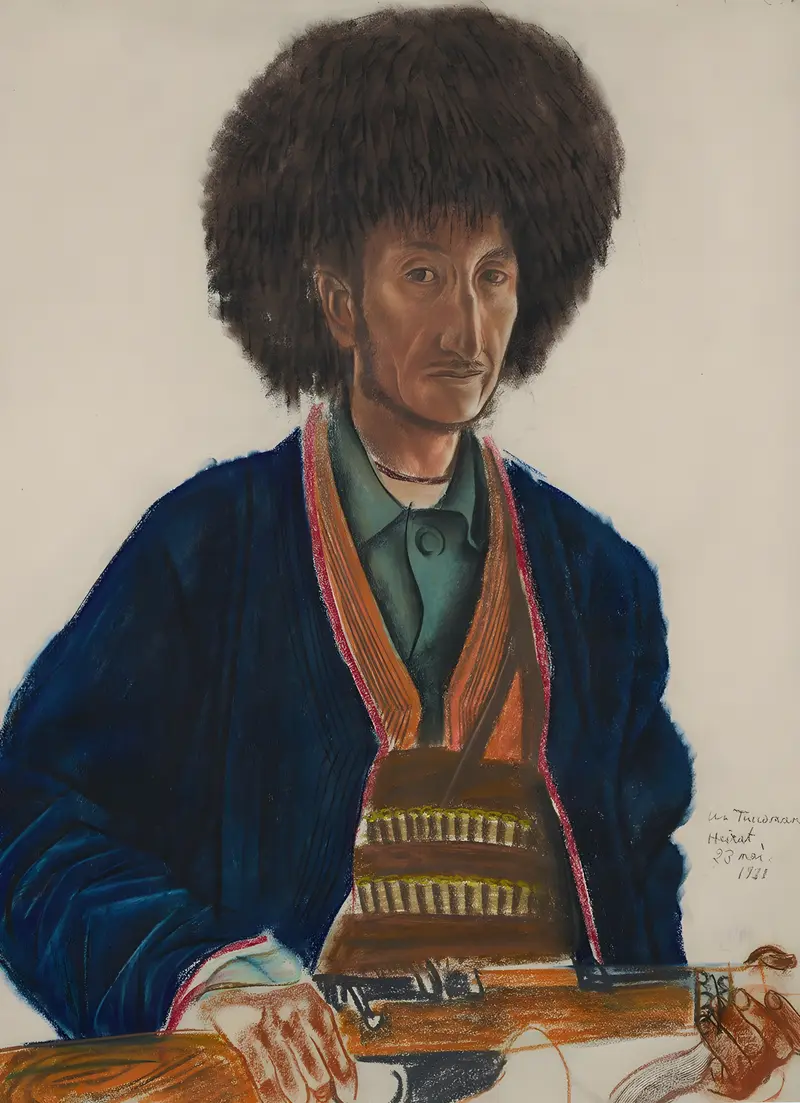
A Turcoman, Herat
Alexandre Jacovleff
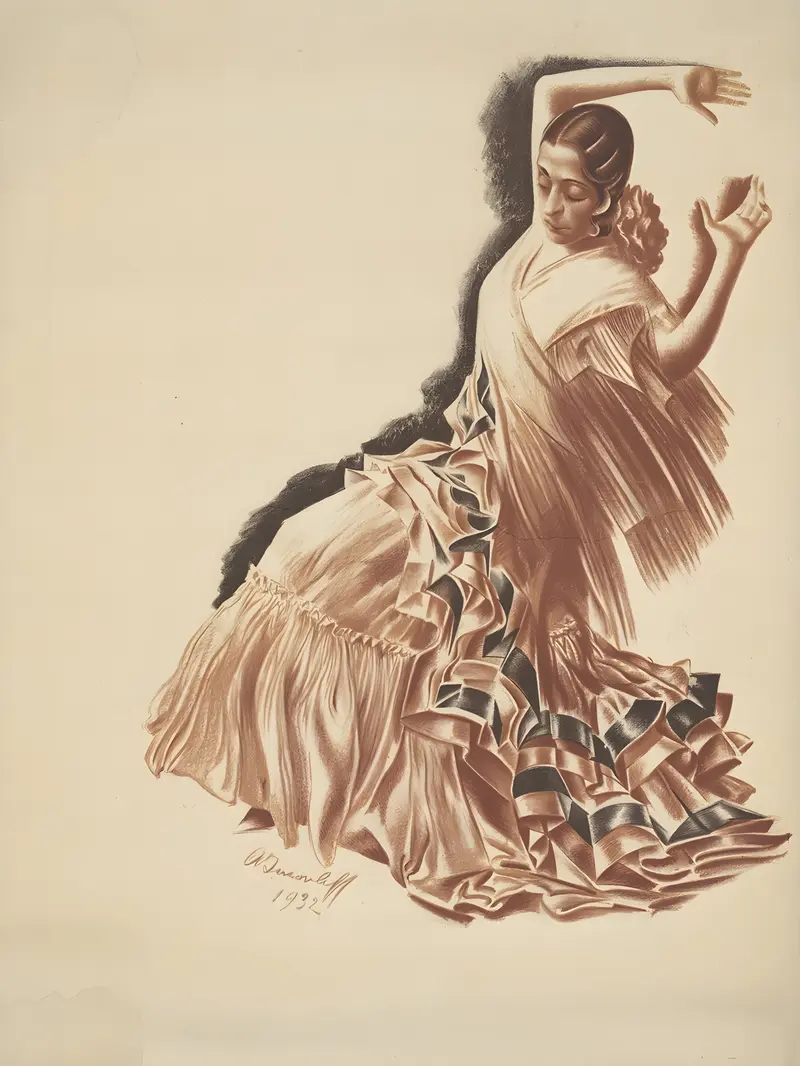
Argentina
Alexandre Jacovleff
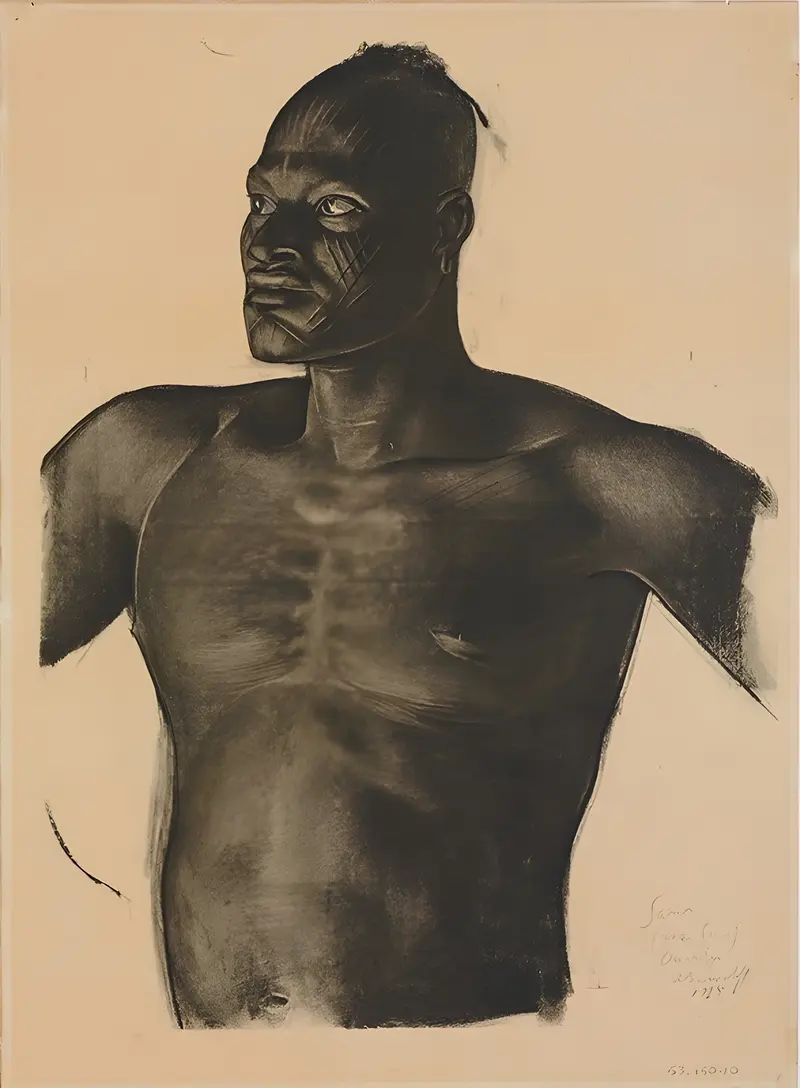
Sara LePisteur, Bahr Ouandja
Alexandre Jacovleff
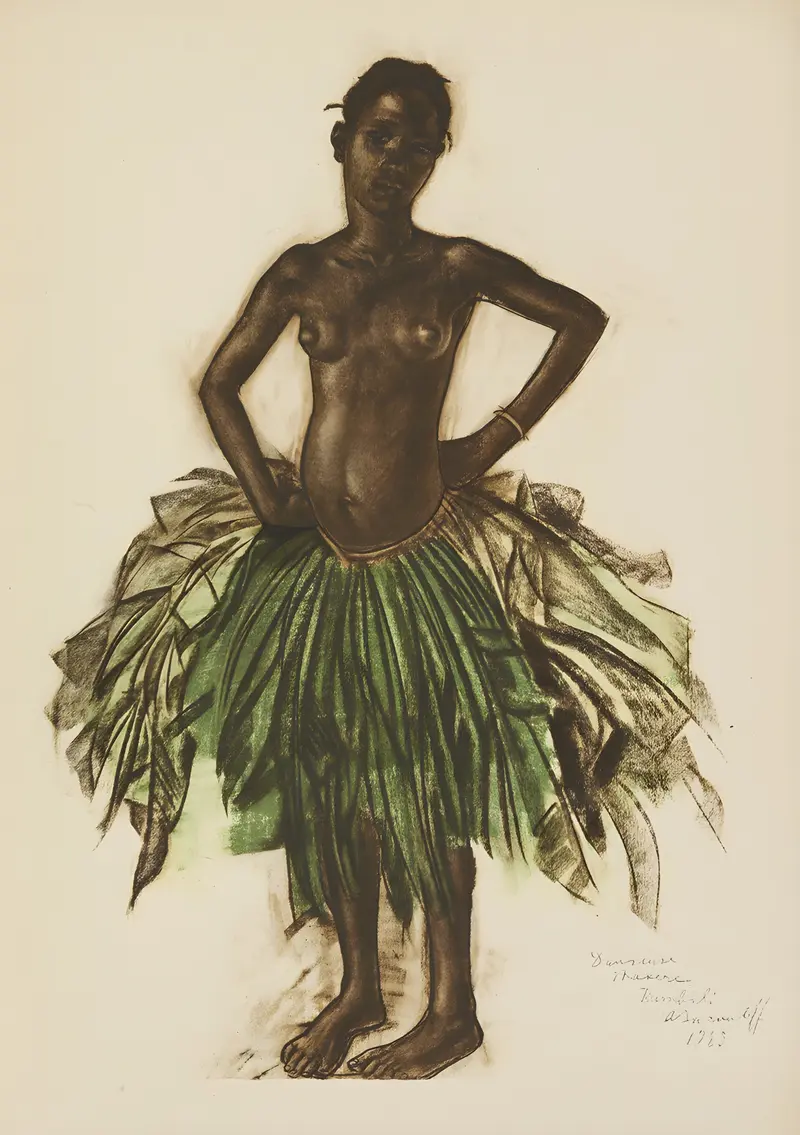
Danseuse Makere (Bambili)
Alexandre Jacovleff
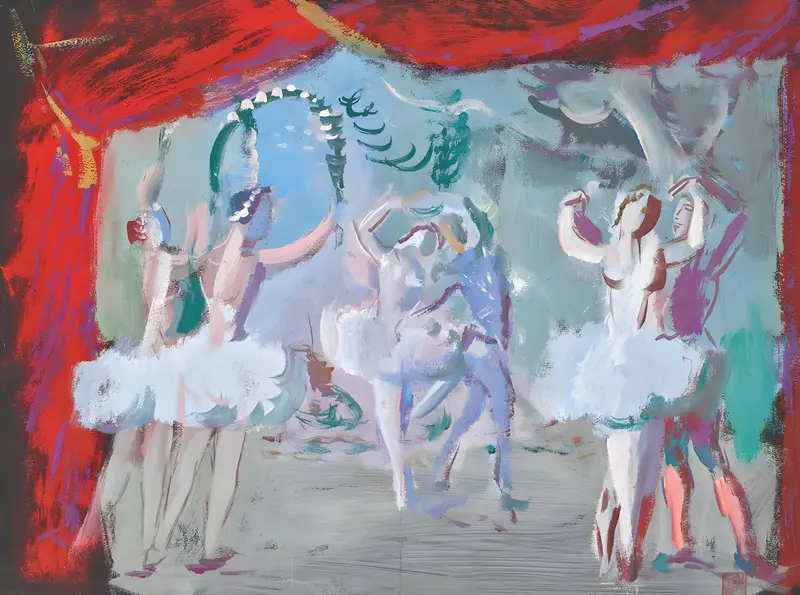
Ballet dancers
Alexandre Jacovleff
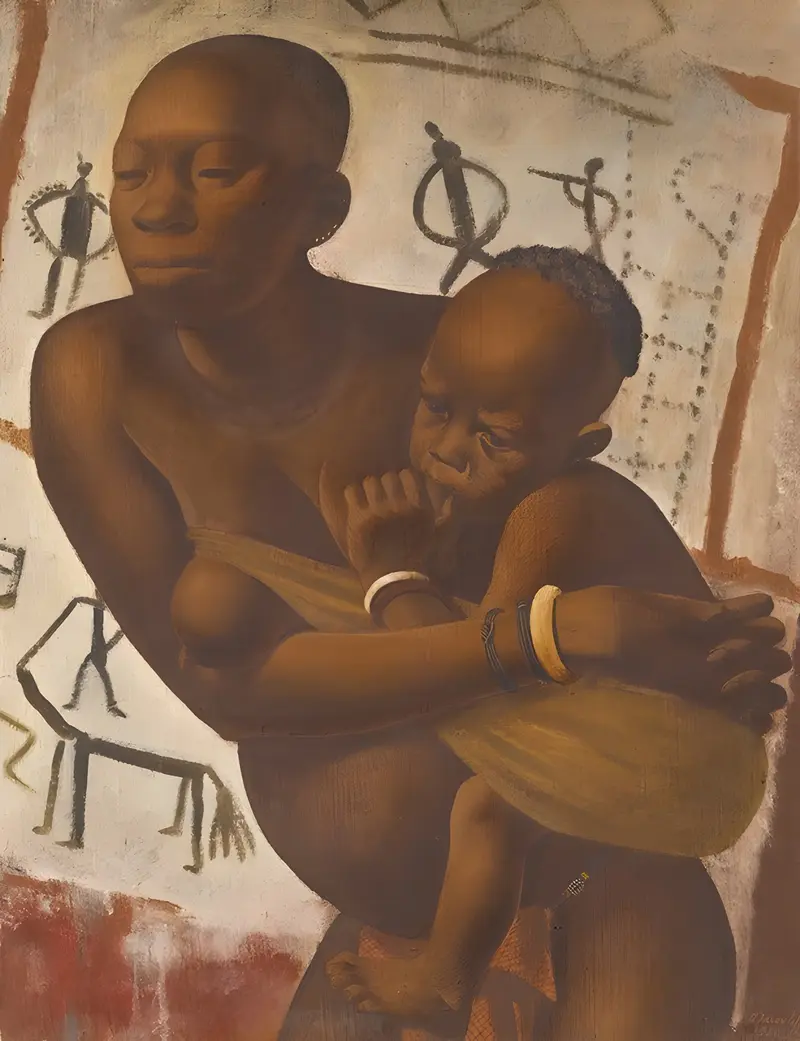
Banda Woman With Her Child
Alexandre Jacovleff





