
Chemin de Prunay à Louveciennes — History & Facts
What if silence could speak through light? In Chemin de Prunay à Louveciennes, the serene interplay of nature invites the observer to listen closely to the whispers of a tranquil afternoon. Look to the canvas, where a soft path winds gracefully through the lush greens of the foreground. Notice how Sisley skillfully blends hues of emerald and sage, creating a harmonious tapestry that draws the eye toward the horizon. The dappled sunlight filters through the trees, casting gentle shadows that dance upon the ground, while the cloudy sky above hints at the fleeting nature of time and the shifting seasons. In this work, the juxtaposition of light and shadow reveals a deeper contemplation of existence.
The vibrant greens symbolize the vitality of life, while the silence of the path evokes a sense of isolation or introspection. The viewer may sense an interplay between the promise of new beginnings and the inevitable passage of time, as the landscape seems both timeless and transient. Each brushstroke embodies the delicate balance between nature’s beauty and the void that lies beyond. Alfred Sisley painted this evocative scene in 1874 while living in France, a period when he was fully immersed in the Impressionist movement.
The artist sought to capture the ephemeral qualities of light and atmosphere, as he navigated his own challenges and the shifting dynamics of the art world. His dedication to painting en plein air allowed him to explore the sublime nuances of the landscape around him, solidifying his reputation as a master of Impressionism.
More Artworks by Alfred Sisley
Browse all →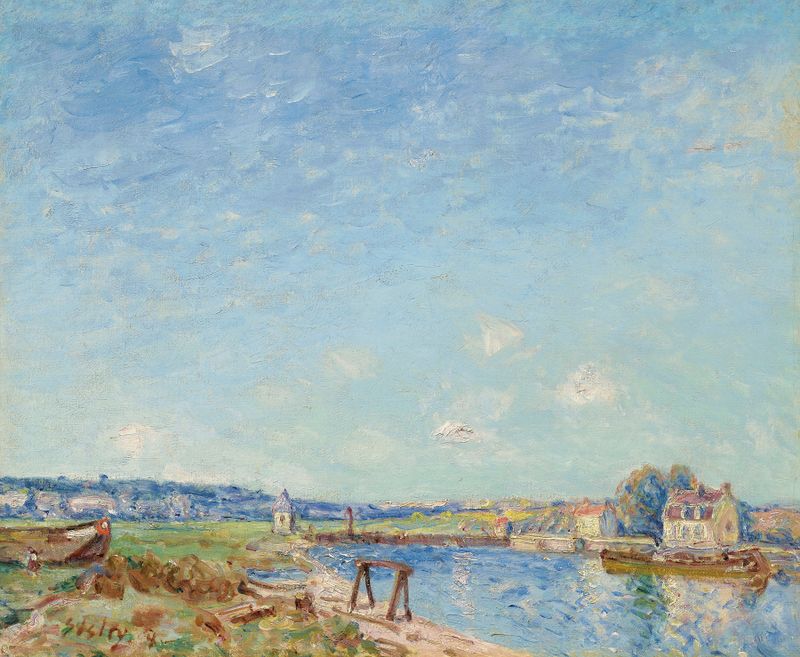
Le Loing à Saint-Mammès
Alfred Sisley
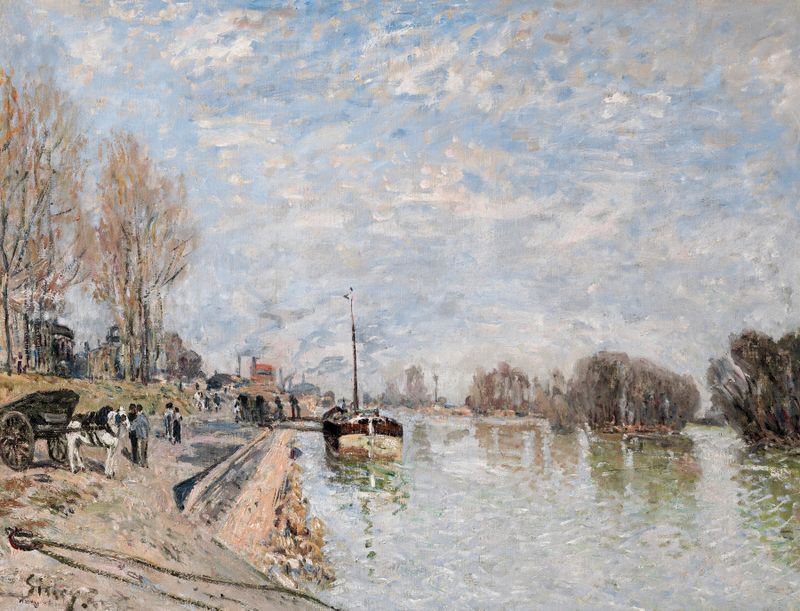
La Seine à Suresnes
Alfred Sisley
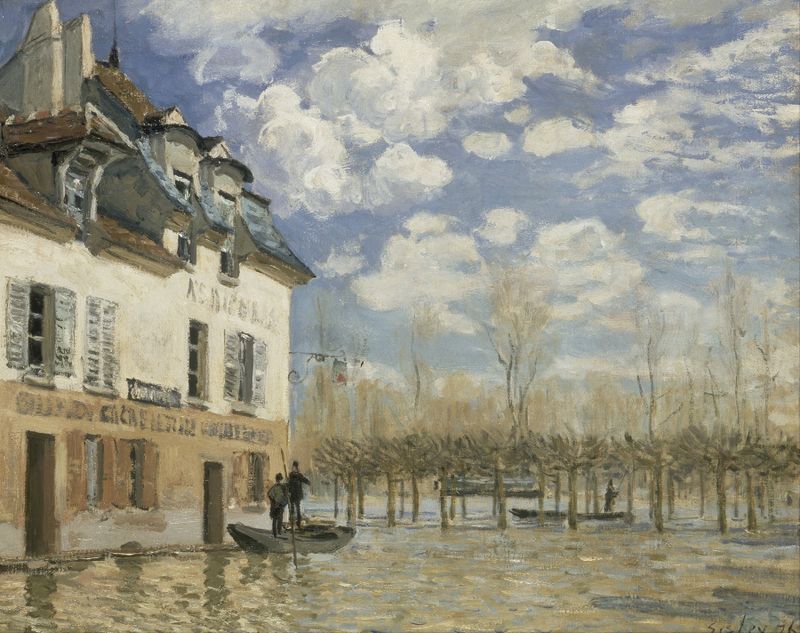
Boat in the Flood at Port Marly
Alfred Sisley
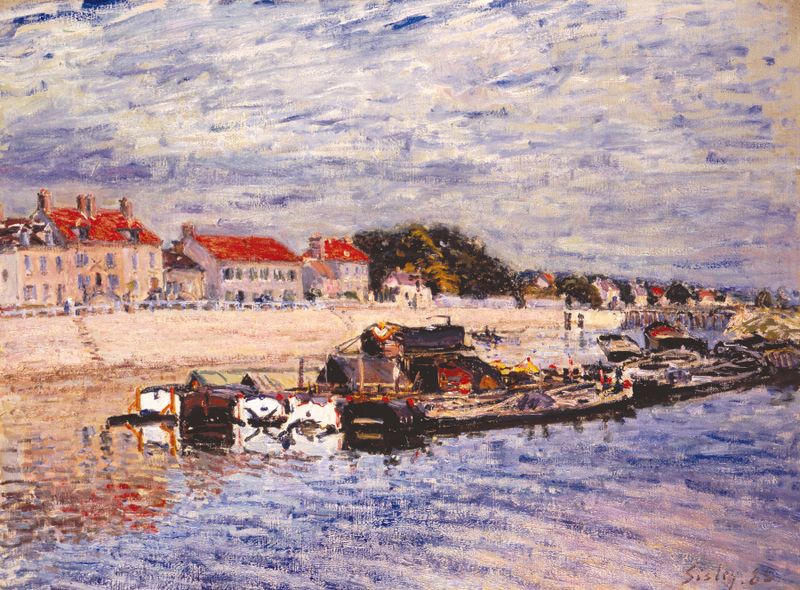
Barges on the Loing at Saint-Mammès
Alfred Sisley

L’allée des peupliers au bord du Loing
Alfred Sisley

Molesey Weir, Hampton Court
Alfred Sisley
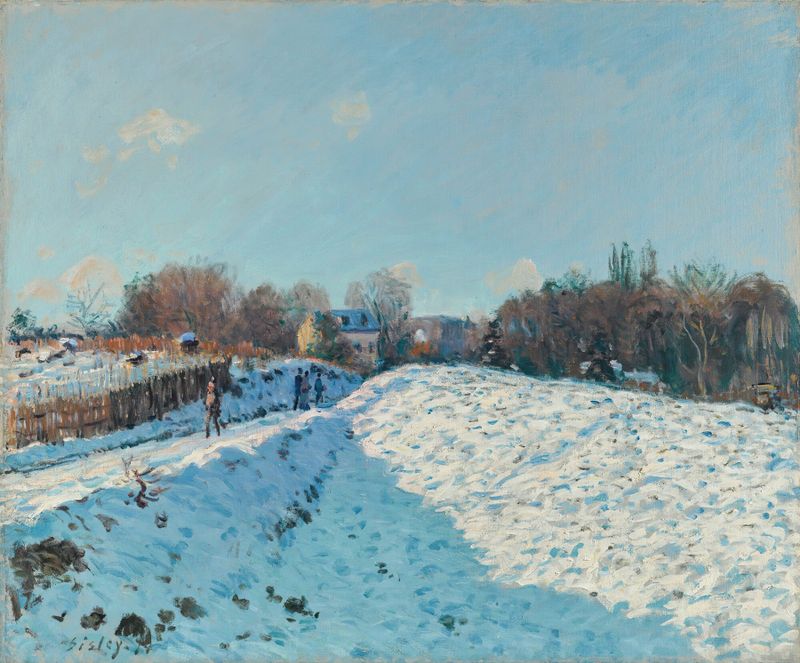
Effet De Neige À Louveciennes
Alfred Sisley
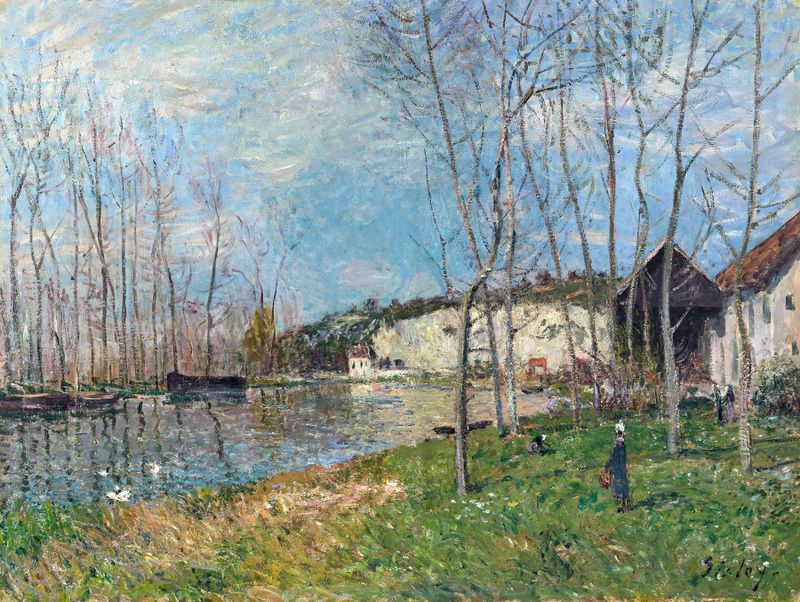
Printemps au bord du Loing
Alfred Sisley
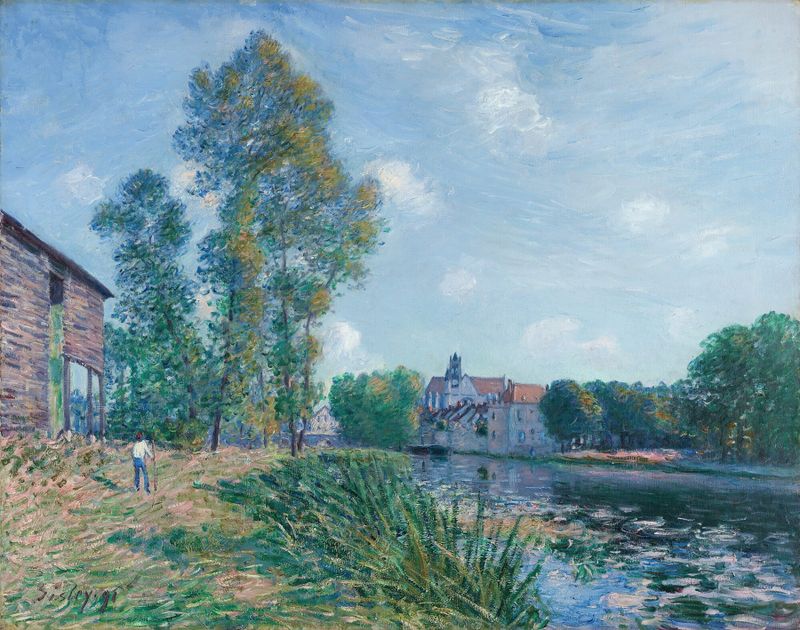
Le Loing À Moret, En Été
Alfred Sisley
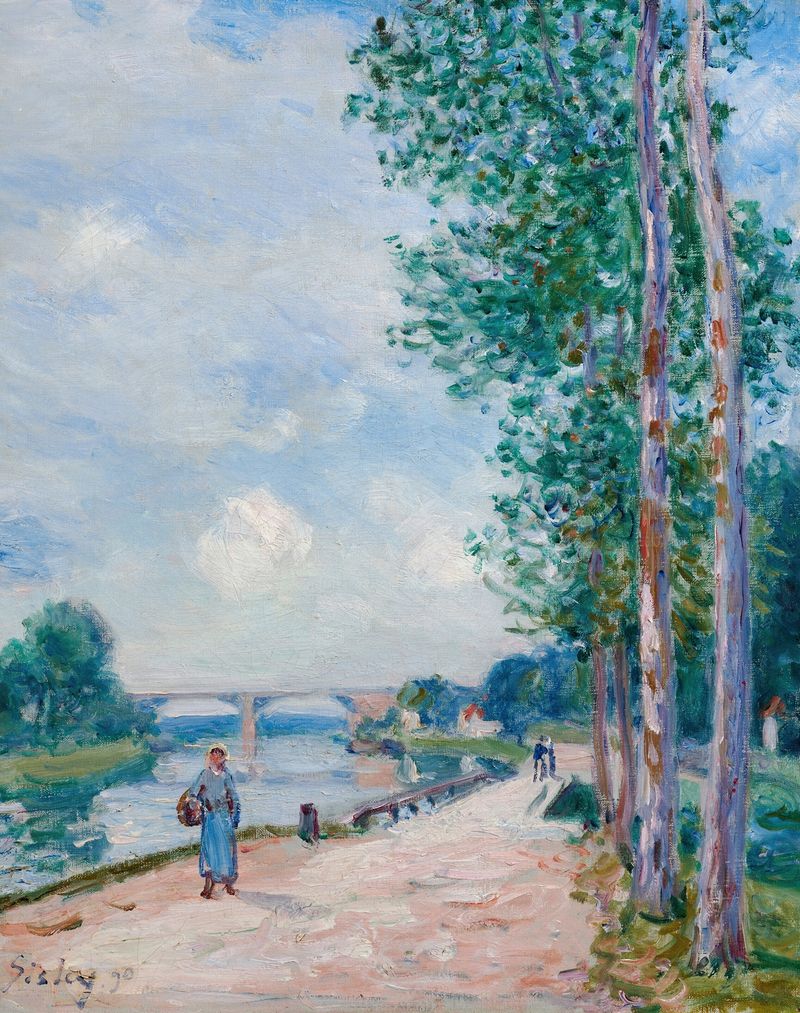
Les bords du Loing près de Moret
Alfred Sisley





