
Chepstow Castle — History & Facts
This sentiment resonates in the intricate details of the landscape, where obsession intertwines with the natural world, offering a poignant glimpse into the soul of a place. Look to the foreground, where the rugged stone walls of the castle rise against the vivid backdrop of the lush, rolling hills. The artist’s skillful brushwork captures the interplay of shadow and light; sunlight dapples the stones, illuminating the fortress's grandeur while simultaneously casting deep shadows that hint at underlying secrets. The palette blends earthy tones with soft greens and blues, creating a harmonious yet disquieting atmosphere that invites contemplation. As you absorb the scene, consider the juxtaposition of strength and fragility.
The castle stands resolute, a monument to human ambition, yet its weathered façade reveals the ravages of time and nature. The surrounding landscape, while beautiful, evokes a sense of isolation—a reminder that even the mightiest structures are not impervious to the passage of time. The tension between permanence and decay whispers of the artist’s own preoccupations, suggesting a deeper obsession with both the beauty and burden of legacy. Hendrik Frans de Cort painted this piece during a time of personal and artistic exploration, likely in the late 18th or early 19th century.
He found himself amidst a burgeoning Romantic movement, where artists sought to capture the sublime and the emotional resonance of nature. This period also saw a growing interest in picturesque landscapes, and de Cort’s work reflects this trend, positioning his vision of Chepstow Castle within a larger dialogue about humanity's relationship with history and the natural world.
More Artworks by Hendrik Frans de Cort
Browse all →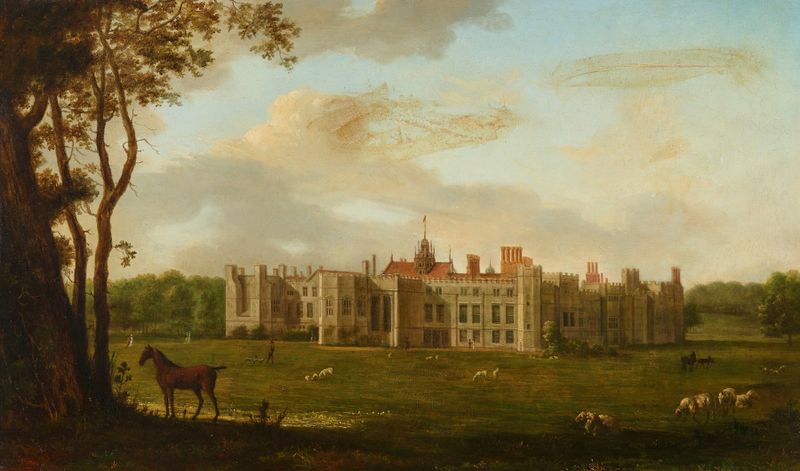

More Architecture Art
Browse all →
The statue of Liberty
Frédéric Auguste Bartholdi

View of Houses in Delft, Known as ‘The Little Street’
Johannes Vermeer

View of Houses in Delft, Known as ‘The Little Street’
Johannes Vermeer

The Cathedral in Rouen. The portal, Grey Weather
Claude Monet

The yellow house
Vincent van Gogh

The Church in Auvers-sur-Oise, View from the Chevet
Vincent van Gogh