
Chicago, Monroe Street — History & Facts
When did color learn to lie? A question that hangs in the air, challenging the very essence of perception and truth, resonates through the rich layers of this painting. In a world where brilliance often masks brutality, how do we discern the beauty from the violence that lurks beneath? Look to the center of the canvas to reveal a bustling street framed by towering buildings, their outlines softened by hues of deep blue and gold. The strokes of paint pulse with life, inviting your gaze to travel along the vibrant sidewalk where figures move purposefully yet indistinctly, as if caught in a moment of anonymity.
Observe the interplay of light and shadow, where warm sunlight ignites the facades, yet cool shadows hint at underlying tension. The juxtaposition of vivid colors and stark contrasts invokes a sense of urgency, beckoning the viewer to delve deeper into the narrative. As you explore the painting, consider the tension between the vibrant urban life and the subtle hints of distress that linger in the background. The figures, though seemingly animated, display an unsettling disconnect, evoking feelings of isolation amidst the crowd.
There’s a stark contrast between the lively colors and the emotional undertones, suggesting that beneath the surface vibrancy lies an undercurrent of violence and discontent, mirroring the complexities of urban existence. In this undefined moment, the artist sought to capture the essence of city life, likely during a period marked by rapid change and modernity. Although the precise date of this work remains unknown, it reflects a time in the early 20th century when artists were increasingly drawn to the themes of industrialization and its impacts on society. MacLaughlan, influenced by the energy and chaos of urban environments, painted with an eye toward both the celebratory and the sinister aspects of the human experience.
More Artworks by Donald Shaw MacLaughlan
Browse all →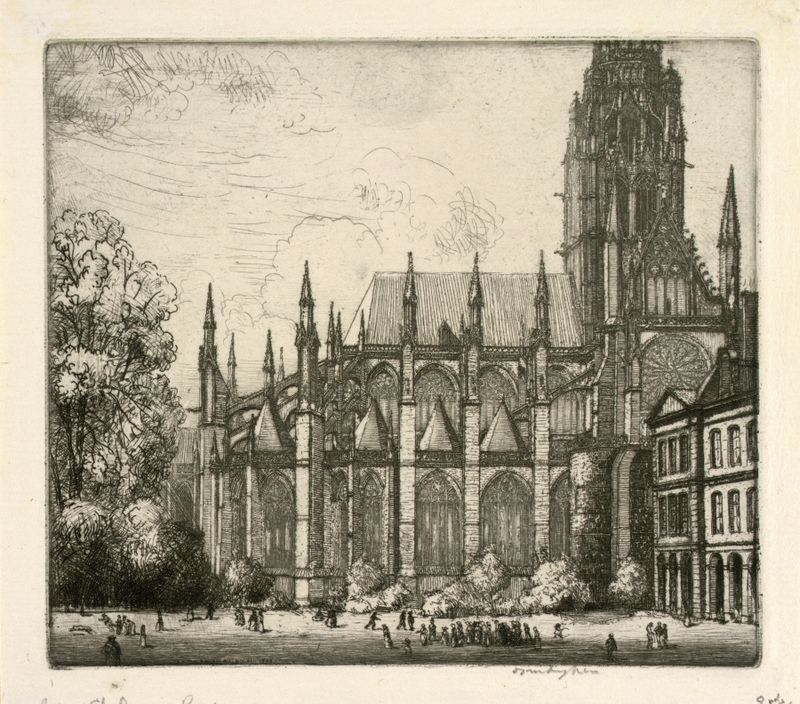
Saint-Ouen, Rouen
Donald Shaw MacLaughlan

Ruelle des Pigeons, Rouen
Donald Shaw MacLaughlan
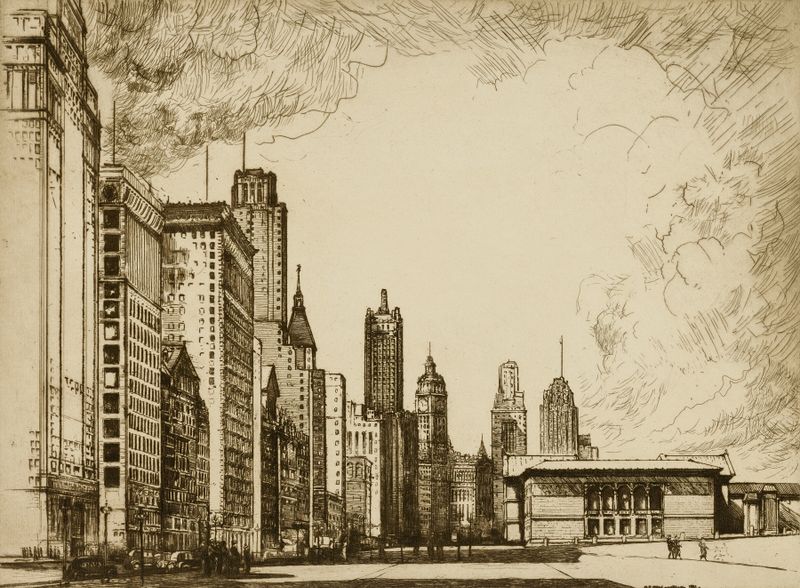
Chicago, Michigan Avenue no. 2
Donald Shaw MacLaughlan
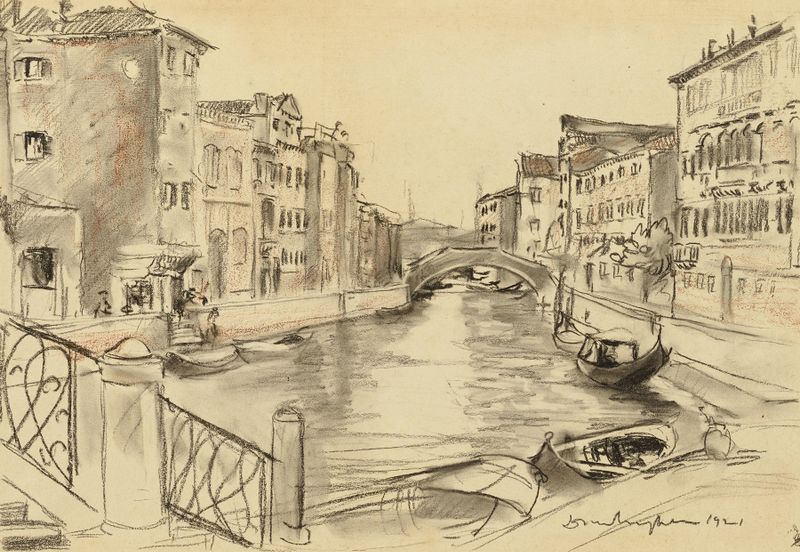
A Canal at Venice
Donald Shaw MacLaughlan
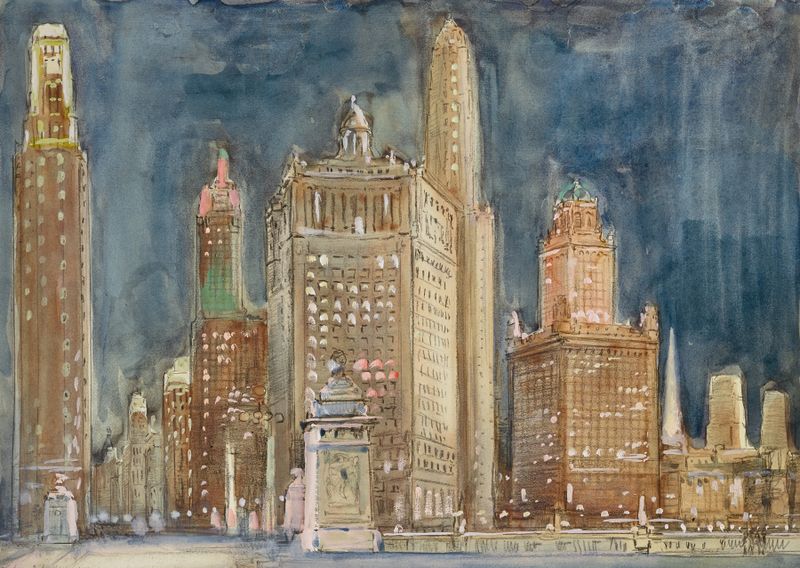
Chicago, London Guaranty Building
Donald Shaw MacLaughlan
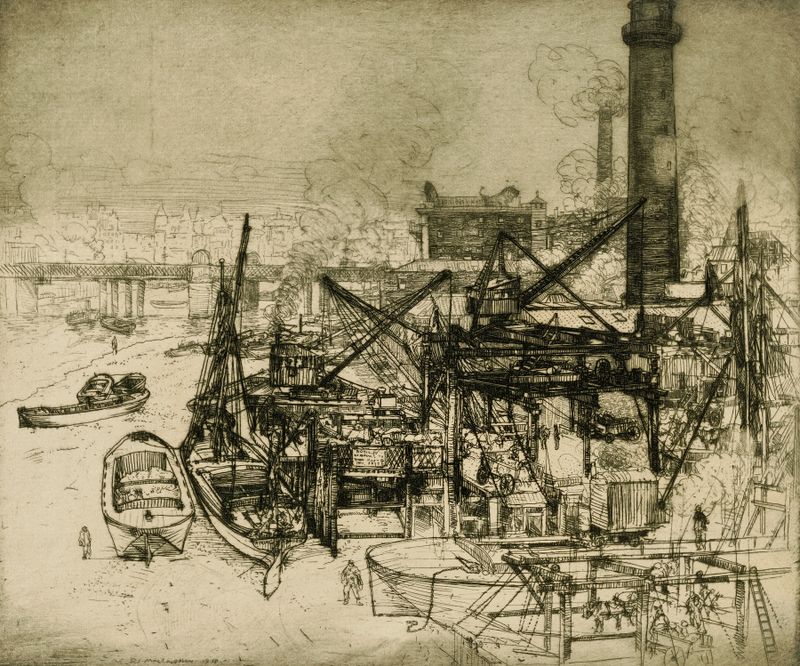
Chimneys and Cranes on the Thames
Donald Shaw MacLaughlan

London on the Thames
Donald Shaw MacLaughlan
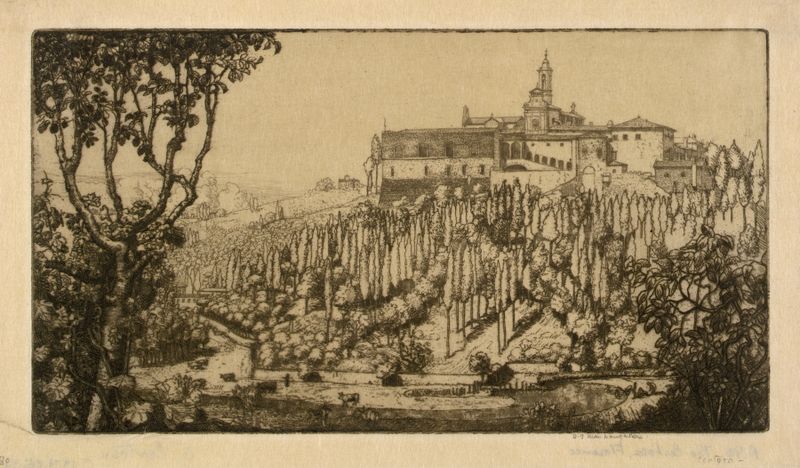
The Certosa, Florence
Donald Shaw MacLaughlan
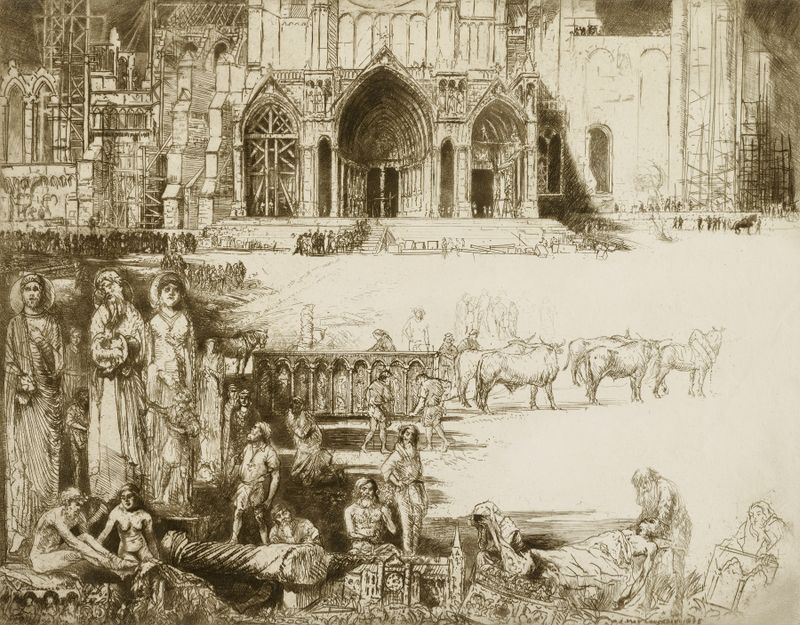
The Builders of Chartres Cathedral
Donald Shaw MacLaughlan

The Canal Life, Venice
Donald Shaw MacLaughlan





