
Chili Skunk — History & Facts
In Chili Skunk, we see a striking arrangement of vibrant colors. The skunk, with its distinctive black and white fur, is positioned next to bright red chili peppers. The contrast between the animal and the peppers creates a dynamic visual tension.
The background is likely muted, allowing the main subjects to stand out prominently. The painting is executed in oil on canvas, a medium that allows for rich color saturation and texture. The brushwork appears meticulous, emphasizing the details of the skunk's fur and the glossy surface of the chilies. The composition is balanced, drawing the viewer's eye across the canvas.
The dimensions are approximately 60 x 80 cm, making it a medium-sized work. Charles Hamilton Smith was known for his detailed depictions of animals and still life. Chili Skunk reflects his interest in the natural world and his ability to capture the essence of his subjects. An interesting fact about this work is that it showcases not only the beauty of the skunk but also the cultural significance of chili peppers in various cuisines.
This painting likely dates back to the 1820s, a period when still life was a popular genre in British art.
More Artworks by Charles Hamilton Smith

Marengo, Bonaparte’s Arab
Charles Hamilton Smith
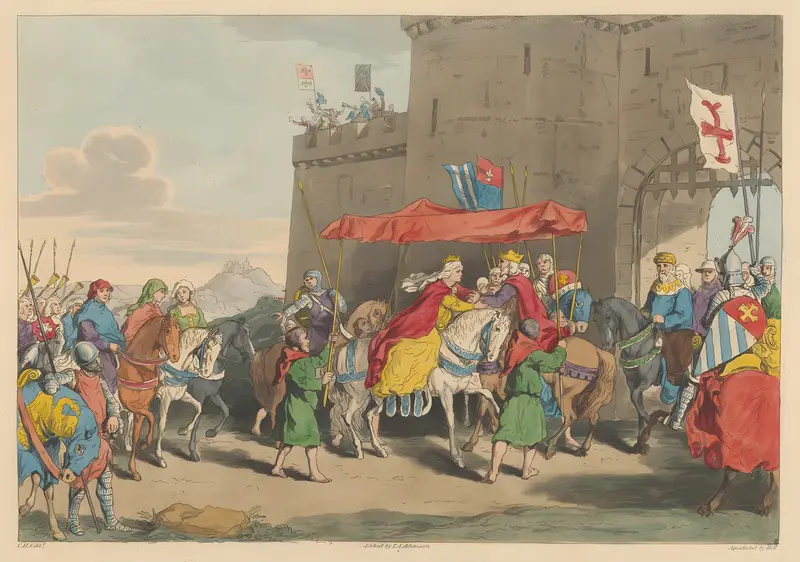
Costume of the Reign of King Henry III
Charles Hamilton Smith
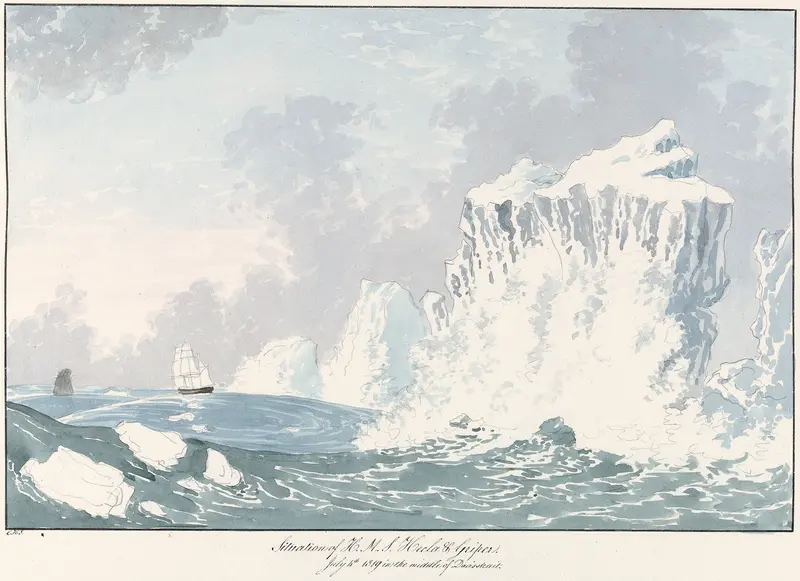
Situation of H.M.S. Hecla & Griper
Charles Hamilton Smith
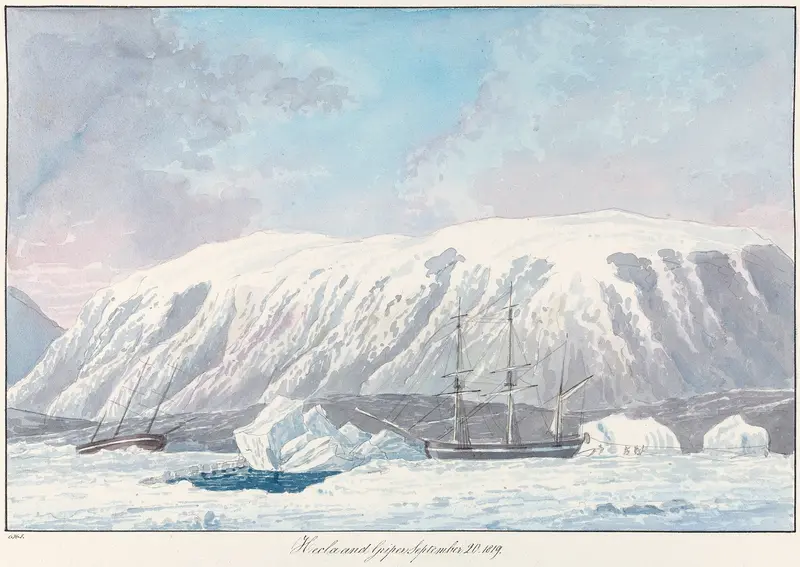
Hecla and Griper
Charles Hamilton Smith
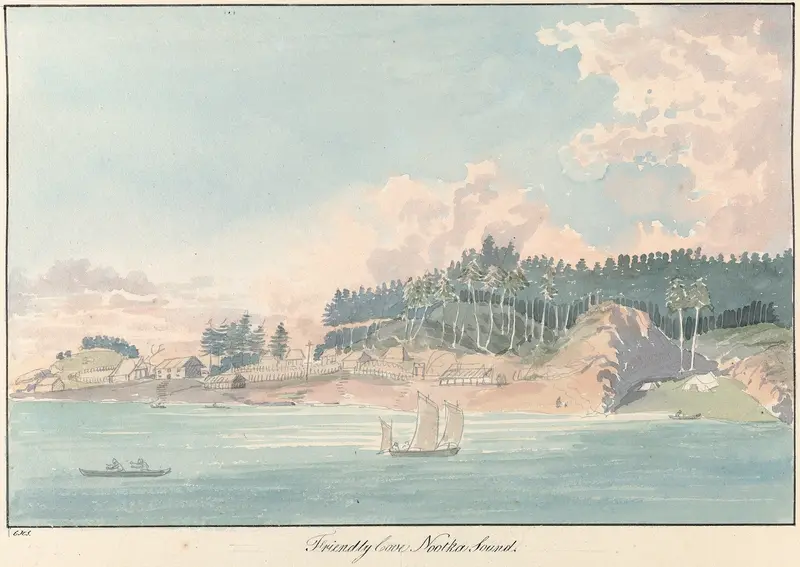
Friendly Cove, Nootka Sound
Charles Hamilton Smith
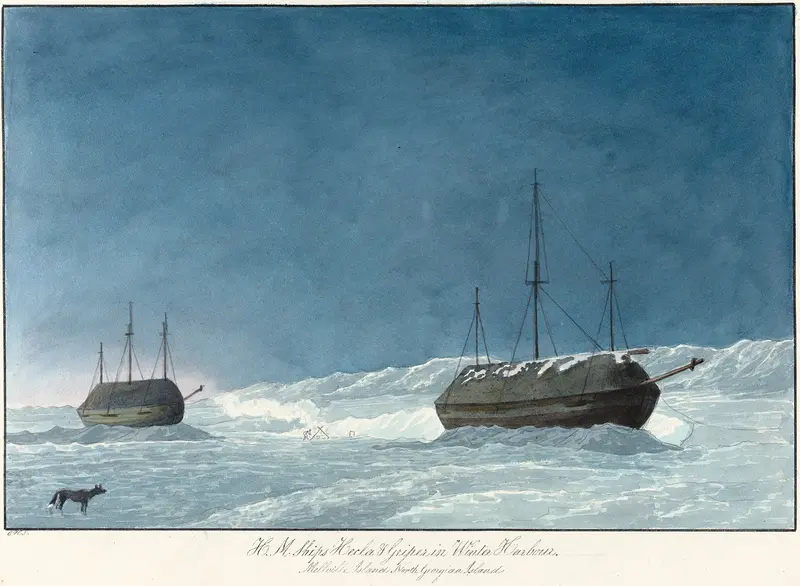
H. M. Ships Hecla and Griper in Winter Harbour
Charles Hamilton Smith
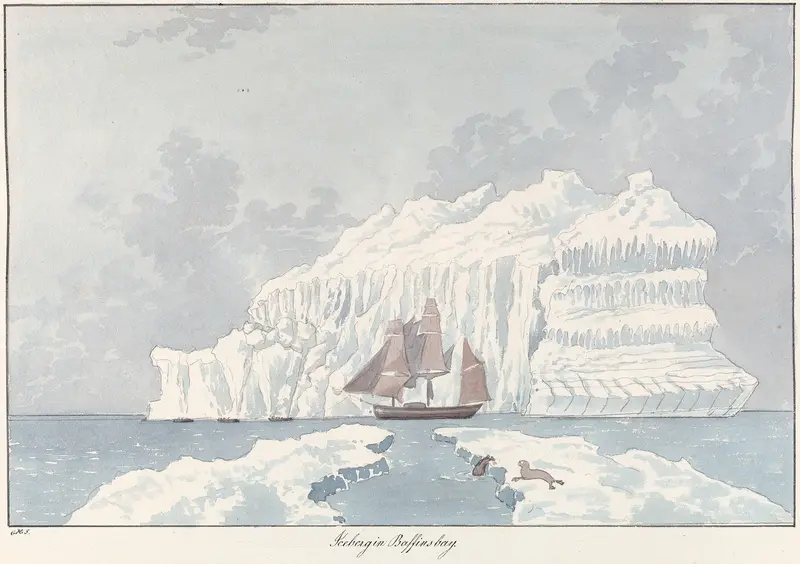
Iceberg in Baffin’s Bay
Charles Hamilton Smith
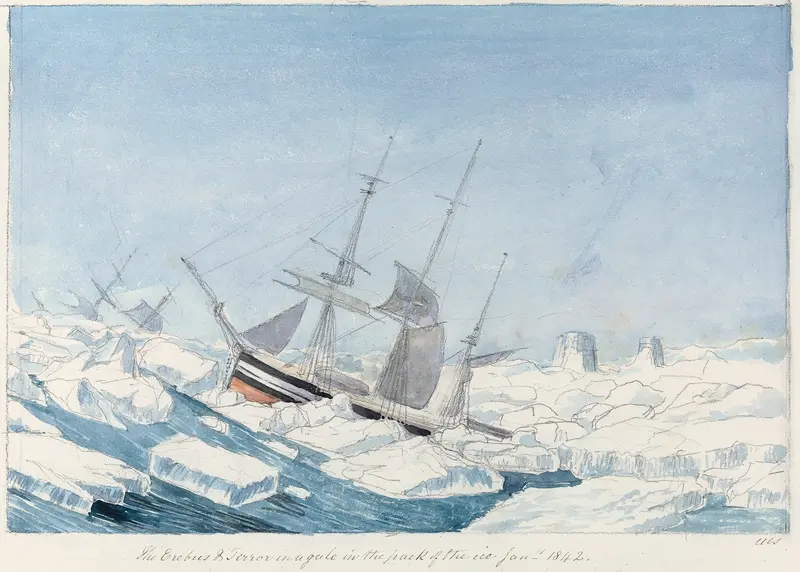
The Erebus & Terror in a Gale in the Pack of the Ice
Charles Hamilton Smith
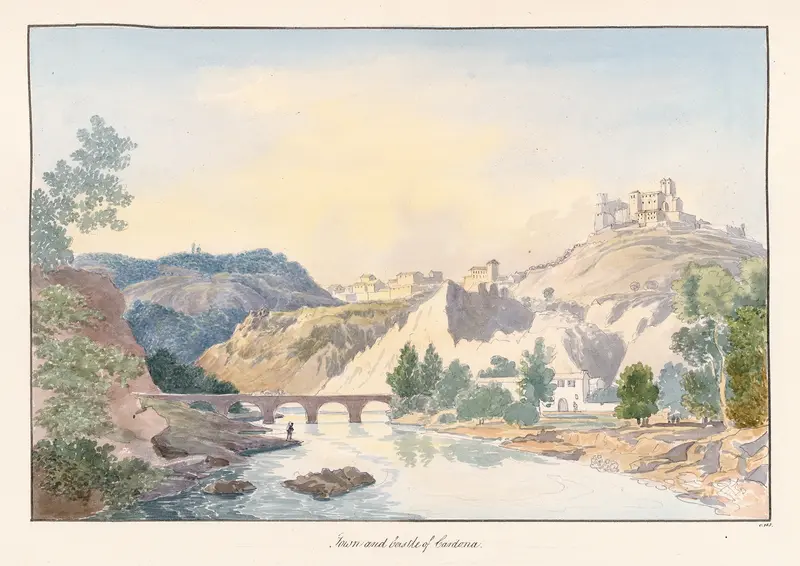
Town and Castle of Cardona
Charles Hamilton Smith
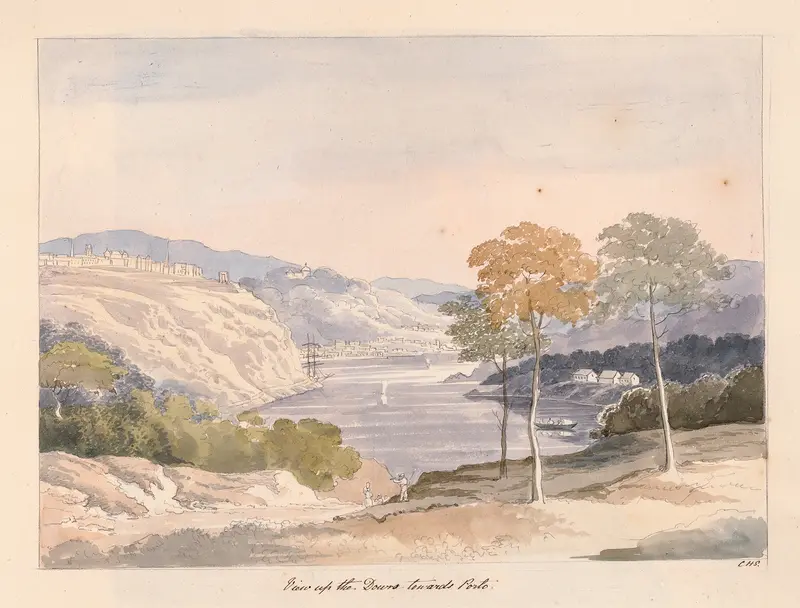
View of the Douro towards Porto
Charles Hamilton Smith





