
Chioggia — History & Facts
When did color learn to lie? In the vibrant chaos of Chioggia, the shoreline bursts forth with an unwavering energy that teeters on the edge of recklessness, as if the hues themselves are caught in an ecstatic dance of deception. Look to the lower left, where the water shimmers with brilliant blues and greens, creating an enchanting mirror for the bustling scene above. The artist's deft brushstrokes capture the lively movement of boats, their sails catching the light, while the buildings rise in a riot of color—ochres, reds, and whites that clash yet harmonize. Notice how the chaotic arrangement of vessels and figures draws your eye across the canvas, embodying both motion and stillness, urging you to feel the pulse of life in this Venetian fishing village. Delve deeper, and you’ll find hidden meanings within the apparent disorder.
The juxtaposition of vibrant colors against the murky depths of the water reflects the duality of beauty and chaos, suggesting an underlying tension between nature and human endeavor. Also, the figures, caught mid-gesture, reveal stories untold—fishermen bartering, families gathered, all within a fleeting moment that evokes the transience of existence and the rhythm of daily life. In 1874, Pietro Barucci painted Chioggia during a time of artistic exploration in Italy. He was drawn to the vibrant colors and bustling life of this fishing town along the Venetian lagoon, seeking to capture the essence of daily life amid the influences of Impressionism.
As he navigated his career, he embraced the emerging trends of modernity, infusing his work with both energy and emotion, which resonate in this lively portrayal of coastal life.
More Artworks by Pietro Barucci
Browse all →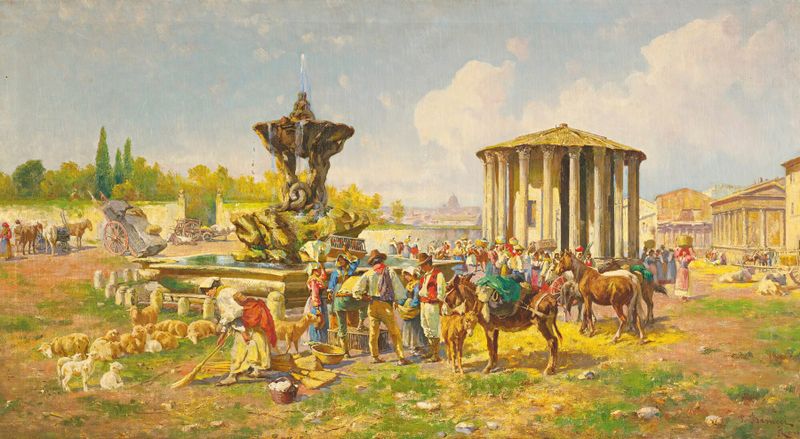
THE TEMPLE OF VESTA, ROME
Pietro Barucci
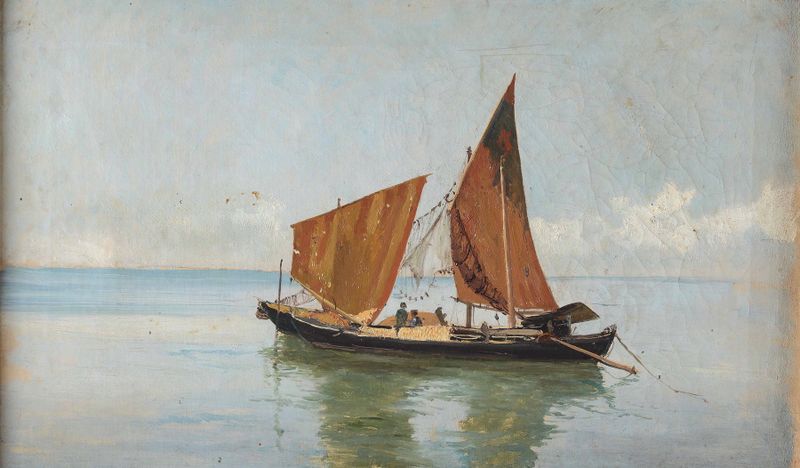
Laguna con imbarcazione
Pietro Barucci
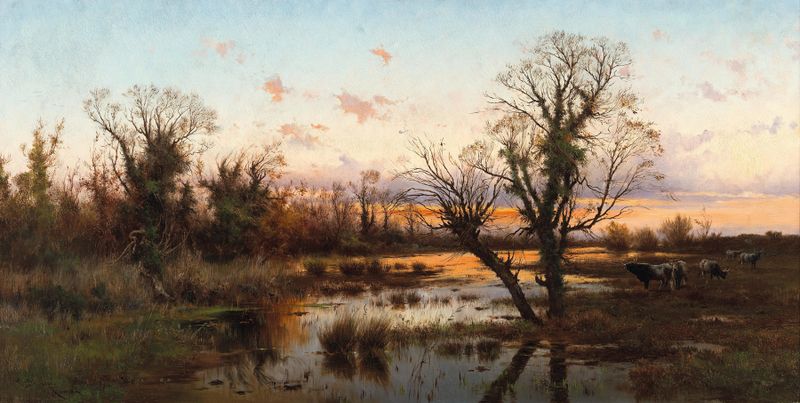
Water Buffalos in the Roman Campagna
Pietro Barucci
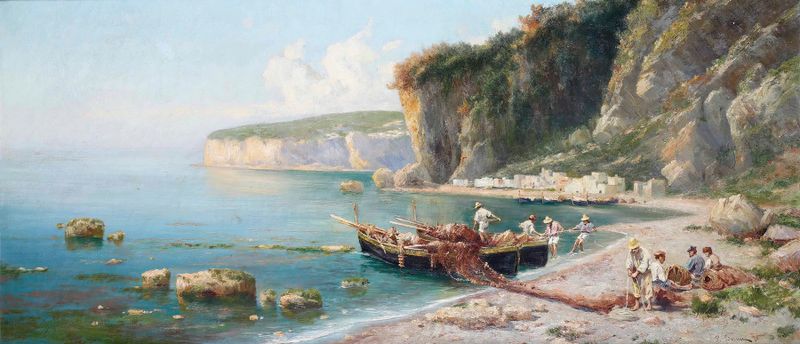
Scorcio di Costiera Amalfitana
Pietro Barucci
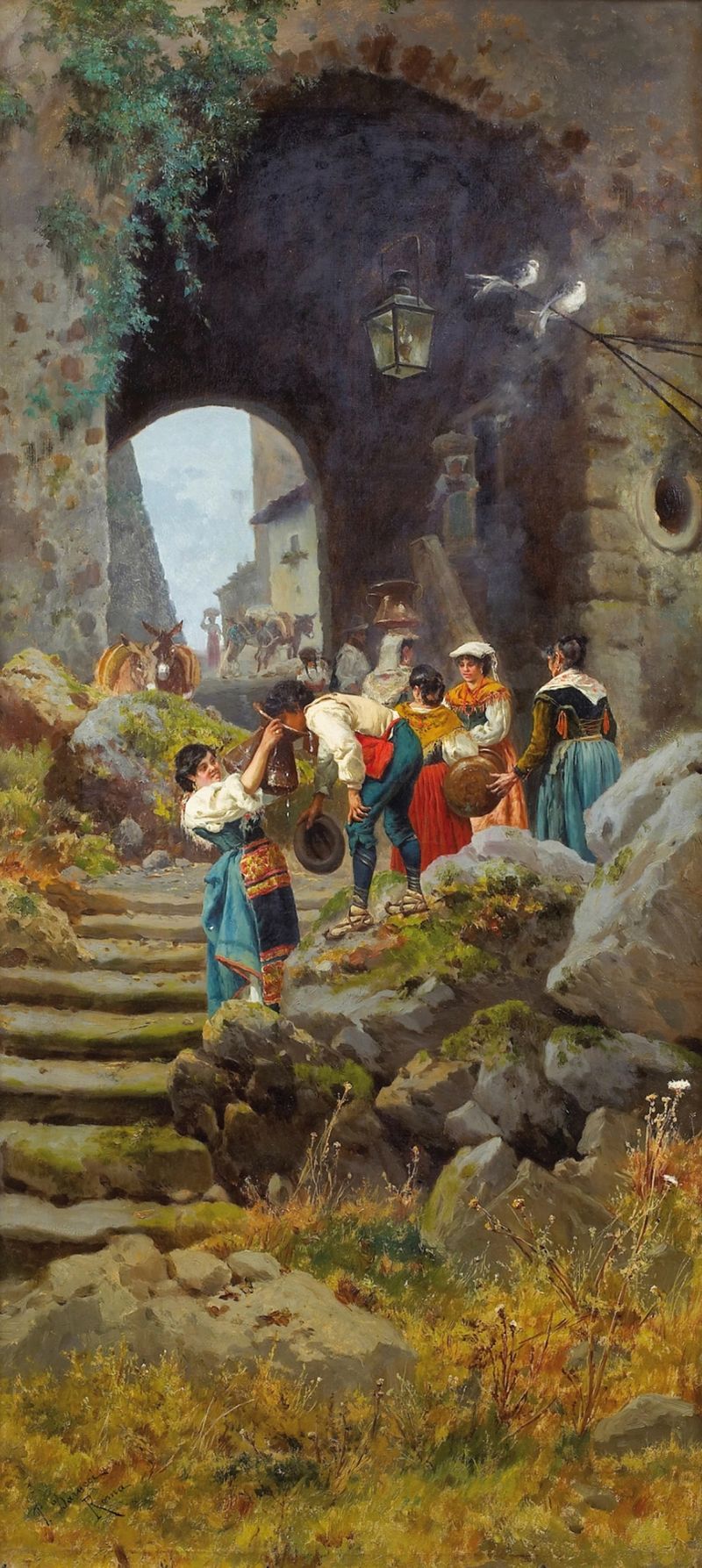
Personnages à l’entrée d’un village en Italie
Pietro Barucci
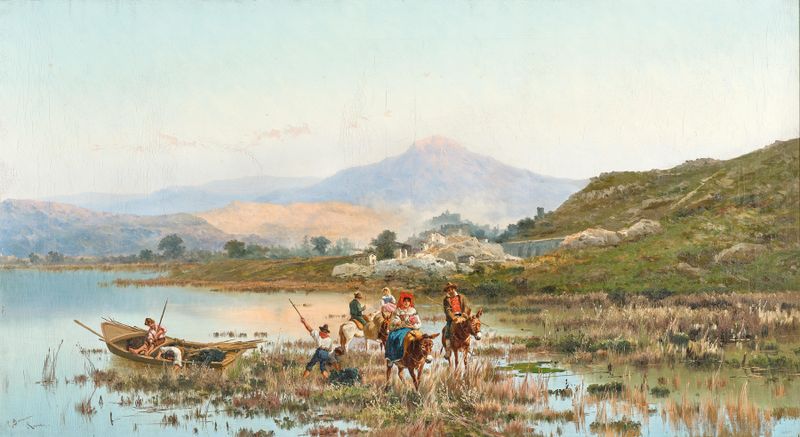
A fisherman’s family by Lake Fucino
Pietro Barucci
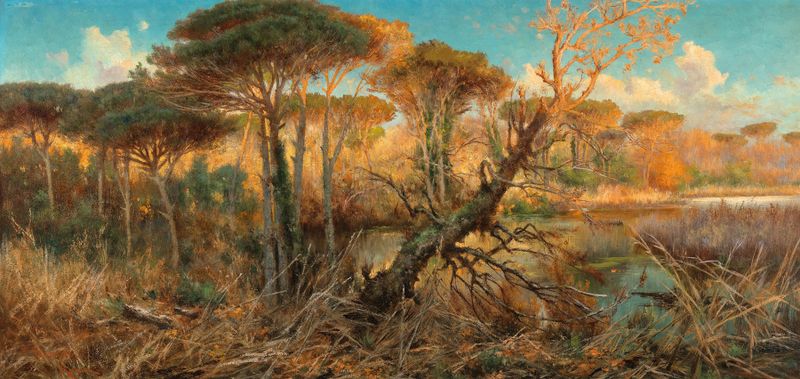
In the Pontine Marshes
Pietro Barucci





