
Chiriu — History & Facts
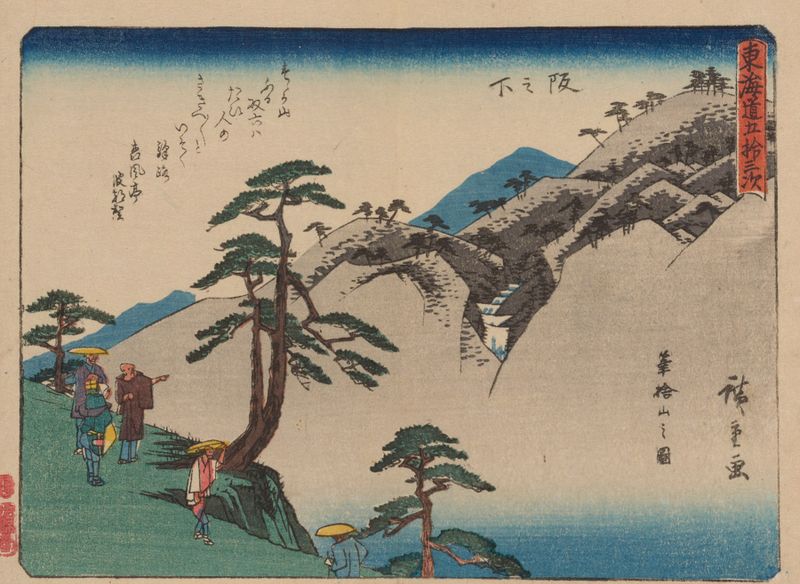
Is this a mirror — or a memory? In Chiriu, the ephemeral beauty of nature intertwines with a sense of longing, inviting viewers into a world where the past lingers like a fading whisper. First, look to the serene waters flowing through the landscape. The subtle reflection of the trees on the surface draws the eye, creating a harmonious relationship between reality and illusion. Notice the soft gradation of blues and greens that evoke a sense of tranquility, while delicate brushstrokes offer texture to the foliage, imbuing the scene with life.
Each element is meticulously placed, revealing Hiroshige’s mastery in blending color and form to create a dreamlike quality. Yet, beneath this calm exterior lies a deeper narrative of loss. The scattered petals hint at transient beauty, a fleeting moment captured in time, echoing the inevitability of change. Consider the solitary figure standing at the water’s edge, whose posture suggests both contemplation and sorrow, as though mourning what has slipped away.
The juxtaposition of the vibrant nature with the solitary human presence amplifies the emotional weight, urging the viewer to reflect on their own memories and experiences. Created in 1855 during a period of societal transformation in Japan, Utagawa Hiroshige painted Chiriu amidst the flourishing of woodblock prints, which were gaining popularity. This was a time of both artistic exploration and cultural reflection as Japan began to modernize. Hiroshige's landscapes embody a profound appreciation for nature and the fleeting moments of beauty, serving as a poignant reminder of what is ephemeral in life.
More Artworks by Utagawa Hiroshige
Browse all →
Sudden Shower over Shin Ohashi Bridge and Atake (Ohashi Atake no yudachi), from the series "One Hundred Famous Views of Edo (Meisho Edo hyakkei)"
Utagawa Hiroshige
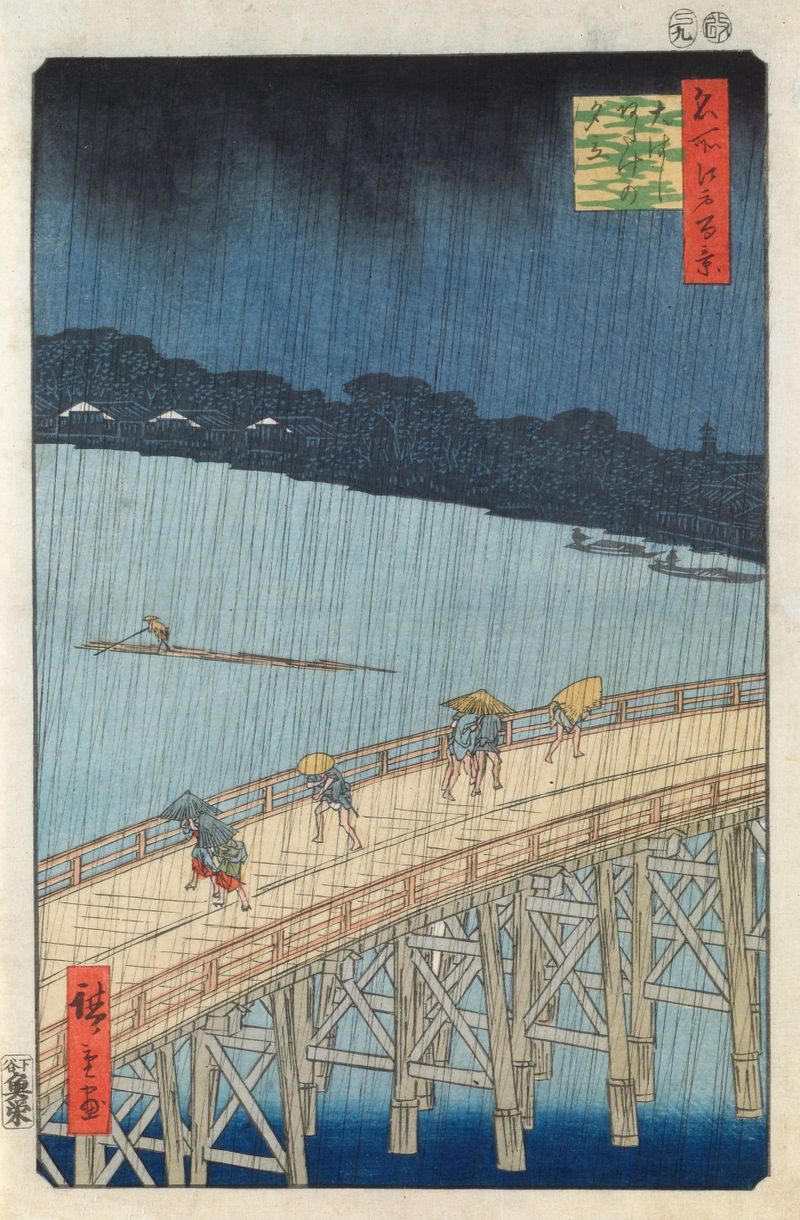
Sudden Shower Over Ohashi Bridge and Atake
Utagawa Hiroshige
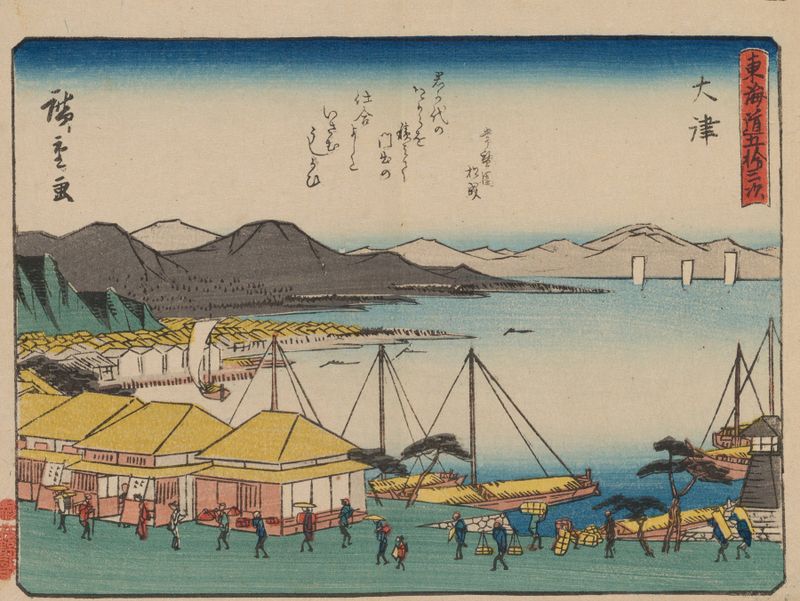
Tokaido gojusantsugi, Pl.54
Utagawa Hiroshige
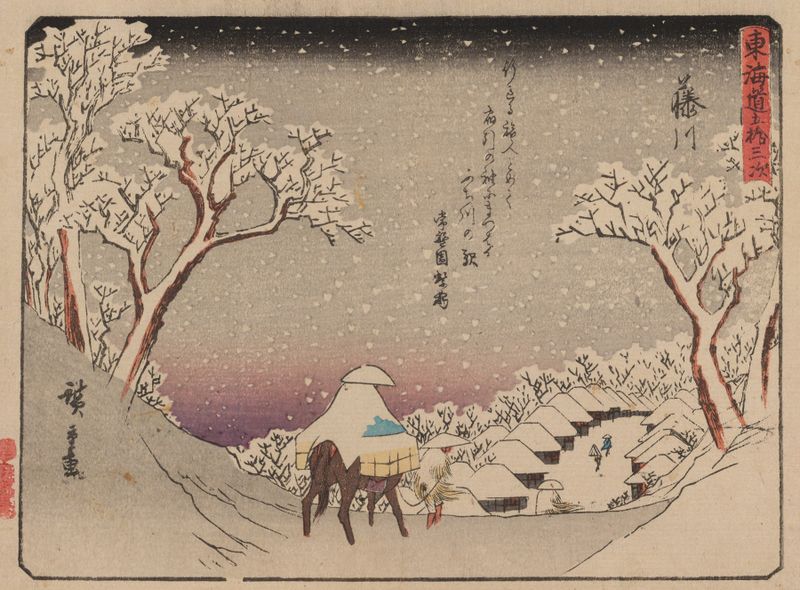
Tokaido gojusantsugi, Pl.38
Utagawa Hiroshige
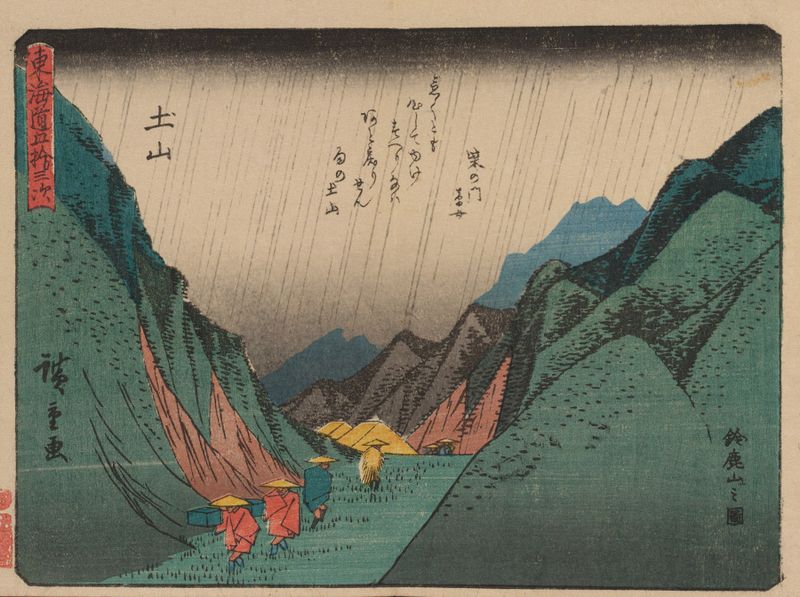
Tokaido gojusantsugi, Pl.50
Utagawa Hiroshige
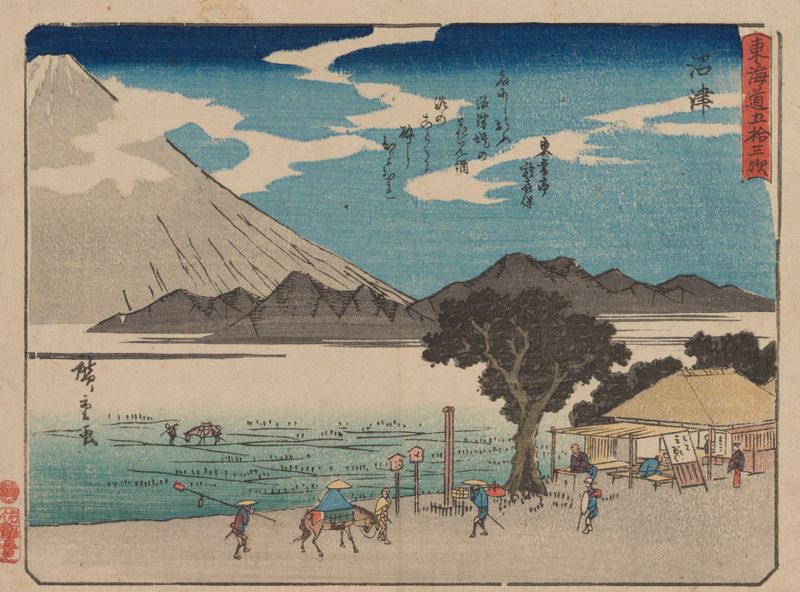
Tokaido gojusantsugi, Pl.13
Utagawa Hiroshige
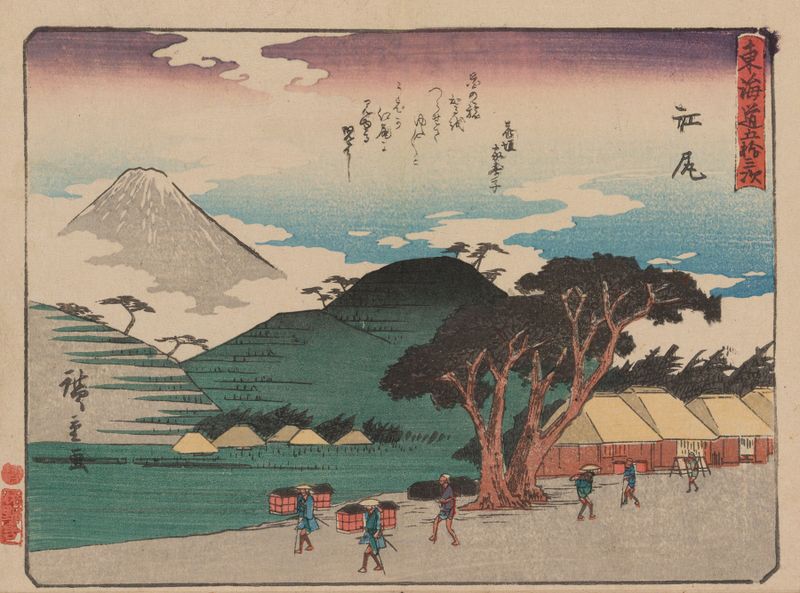
Tokaido gojusantsugi, Pl.19
Utagawa Hiroshige
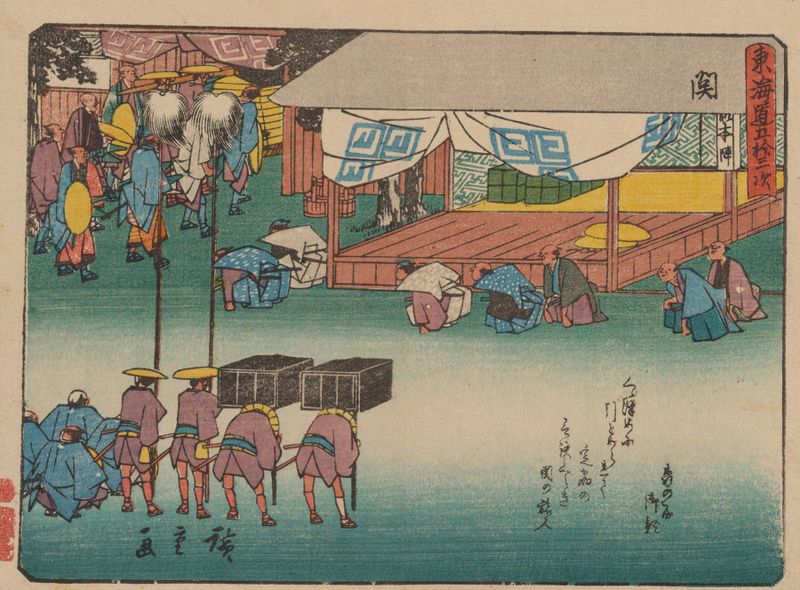
Tokaido gojusantsugi, Pl.48
Utagawa Hiroshige
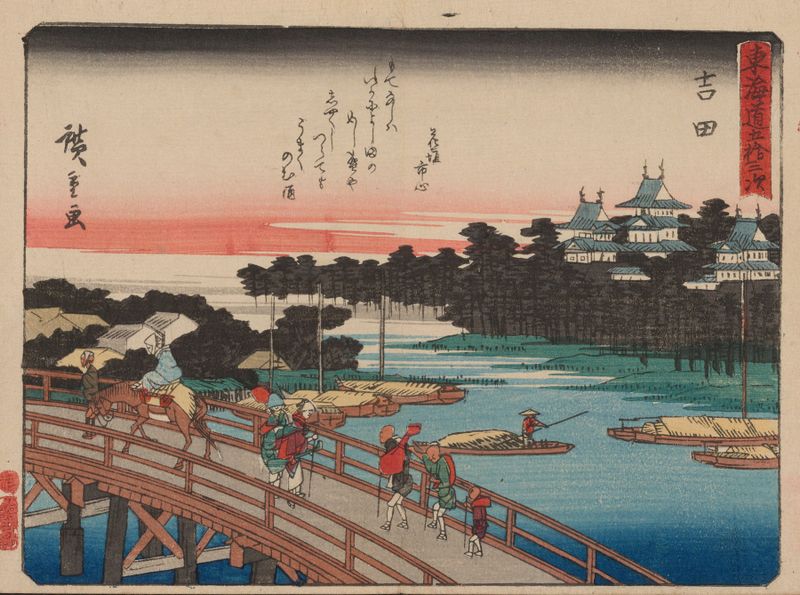
Tokaido gojusantsugi, Pl.35
Utagawa Hiroshige
Tokaido gojusantsugi, Pl.49
Utagawa Hiroshige





