
Christ and Mary Magdalene, a Finnish Legend — History & Facts
What first seizes the viewer in Christ and Mary Magdalene, a Finnish Legend by Albert Edelfelt is the hush of recognition and distance—two figures locked in a moment of longing and restraint, set against a birch forest glowing with northern light. The kneeling woman’s clasped hands and upturned face draw our gaze upward, her expression a mixture of awe and pleading. The standing figure, robed in white and holding a staff, leans gently forward, his hand extended yet not quite touching.
The golden leaves and pale sky wrap the scene in a quiet radiance, while the lake beyond suggests both isolation and hope. Every gesture here is purposeful: the staff as a sign of journey or authority, the parted lips and wide eyes of the woman as a signal of revelation or yearning. Painted in 1890, this work emerges from a period when artists across Europe were reimagining biblical stories in their own landscapes and idioms, blending sacred themes with local color and folklore. In Finland, artists like Edelfelt were at the forefront of forging a national visual language, and here the familiar “Noli me tangere” moment is transplanted to a distinctly northern setting.
The birches, the subdued earth tones, and the lakeshore evoke a sense of place that is both universal and unmistakably Finnish. Little is recorded about the specific journey of this painting, but its presence in the Google Cultural Institute’s collection today invites us to linger over the details: the autumnal light, the tension of withheld touch, and the way a legendary encounter is made new in the northern woods.
More Artworks by Albert Edelfelt

The Day of Rest
Albert Edelfelt
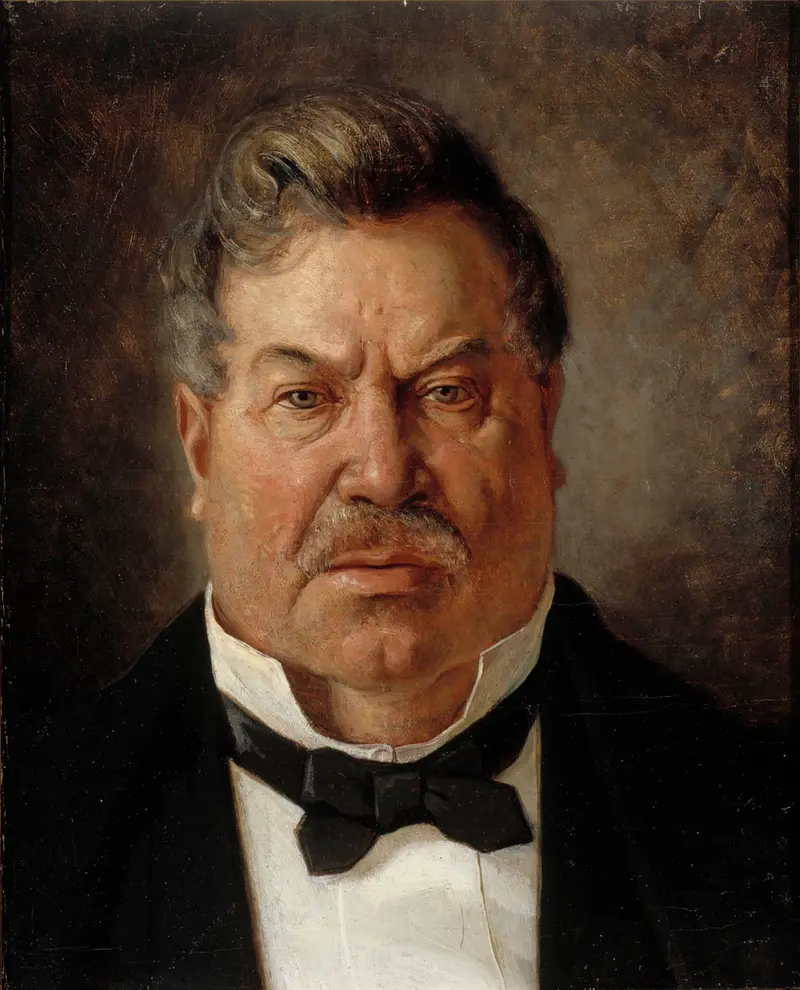
Portrait of August Streng
Albert Edelfelt
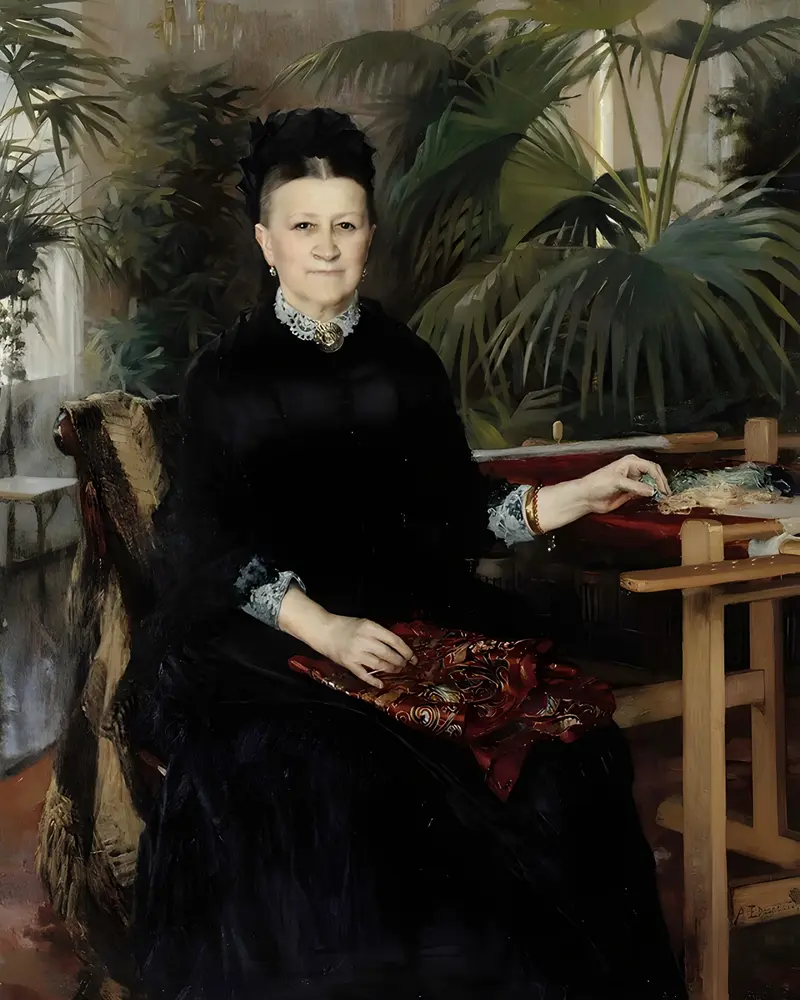
Portrait Of Mrs. Anna Sinebrychoff
Albert Edelfelt

The Poet, Larin Paraske
Albert Edelfelt

Parisian lady in a Peignoir
Albert Edelfelt
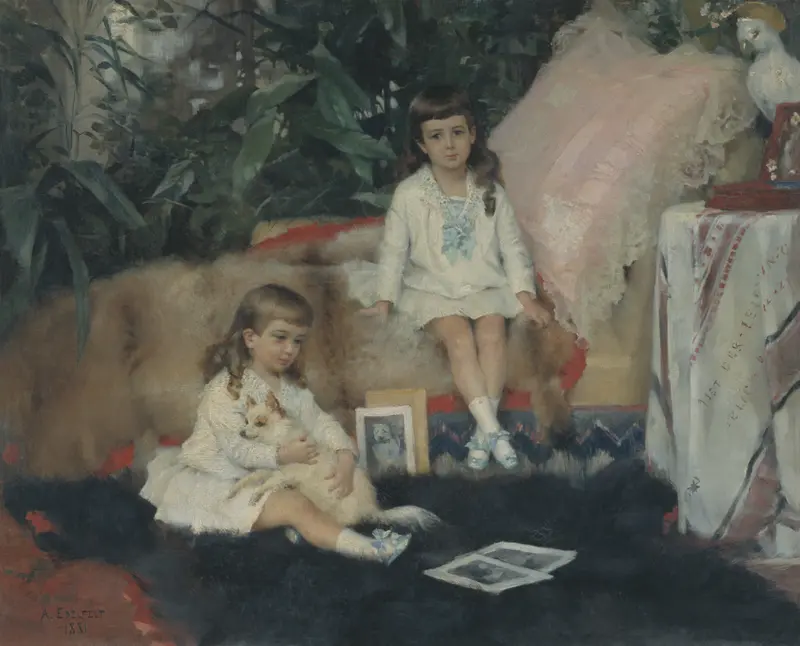
The Grand Dukes Boris and Kirill Vladimirovich as Children
Albert Edelfelt
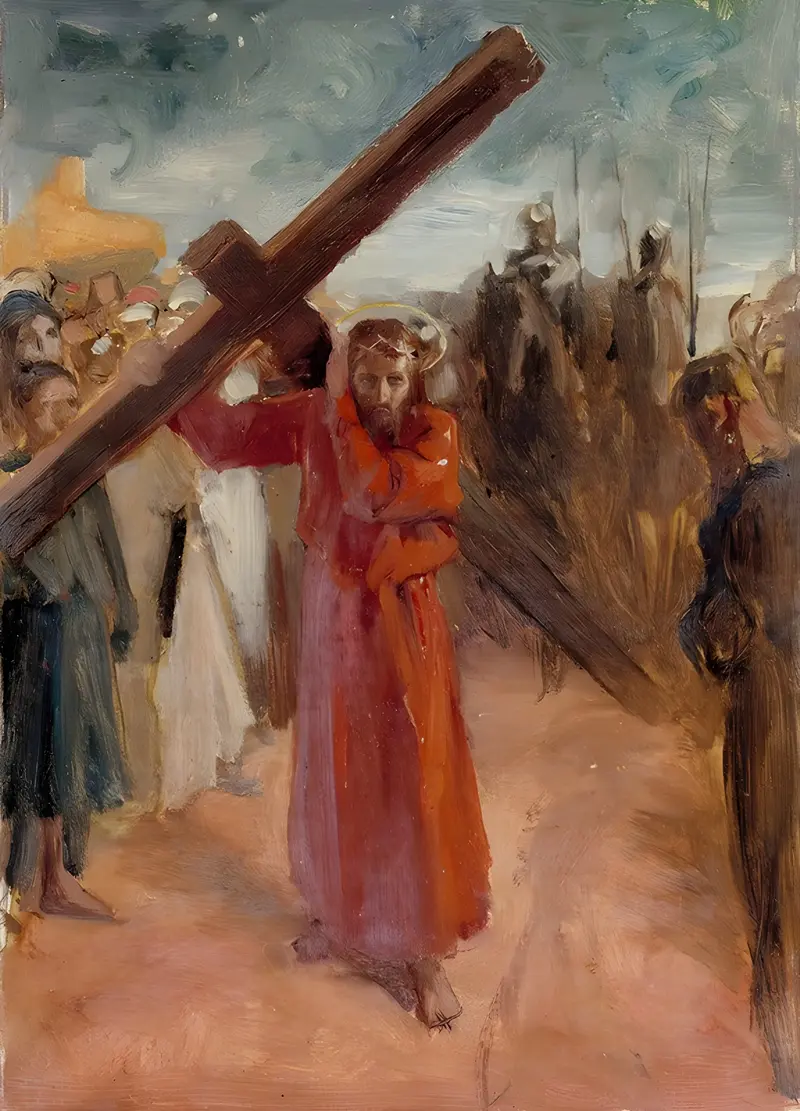
Christ Bears The Cross
Albert Edelfelt
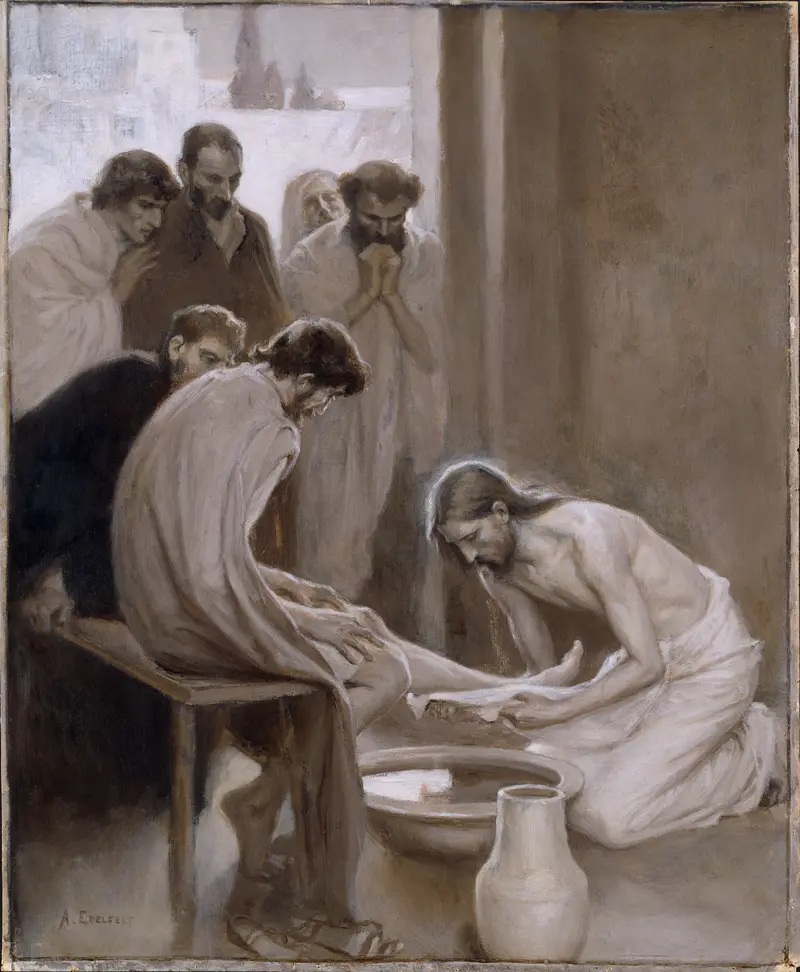
Jesus Washing the Feet of his Disciples
Albert Edelfelt

Larin Paraske with Kantele
Albert Edelfelt
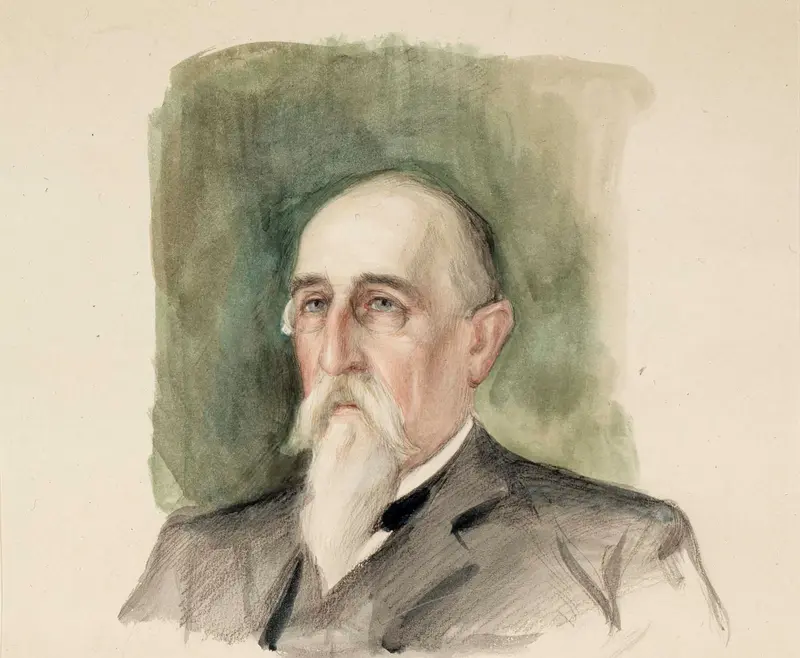
Leo Mechelin, Portrait Study
Albert Edelfelt





