
Christ and the woman of Samaria among ruins — History & Facts
When did color learn to lie? In a world where hues mask deeper truths, melancholy seeps into every brushstroke, whispering tales of longing and loss. Look to the left, where a spectral light illuminates the figures of Christ and the woman of Samaria, casting long shadows that stretch across the crumbling ruins. The soft earth tones create a somber palette, evoking a sense of nostalgia and decay. Notice how the delicate interplay of chiaroscuro invites the viewer's gaze to dance between light and shadow, revealing the deep emotional currents flowing beneath the surface of their interaction. The juxtaposition of the characters against the backdrop of ancient ruins embodies a profound sense of abandonment.
The woman's hesitant posture contrasts with Christ's gentle, inviting gesture, suggesting a dialogue not just of words but of unspoken histories and shared sorrows. Each wrinkle on their skin and the faint expression in their eyes speak volumes of life's burdens, echoing the weight of solitude amidst companionship. During the late 19th century, Rembrandt focused on exploring themes of spirituality and human connection. Living in a period marked by industrialization and societal change, he sought refuge in the depths of human emotion and biblical narrative.
This piece, painted between 1850 and 1906, reflects his desire to connect with the timeless struggles of humanity, bridging his artistic legacy with a world navigating both loss and redemption.
More Artworks by Rembrandt van Rijn
Browse all →
The Night Watch Militia Company of District II under the Command of Captain Frans Banninck Cocq
Rembrandt van Rijn

The Return of the Prodigal Son
Rembrandt van Rijn

The Hundred Guilder Print: the figures leaning on the wall in the centre left
Rembrandt van Rijn

The Hundred Guilder Print: the central piece with Christ preaching, the plate arched
Rembrandt van Rijn

Isaac and Rebecca, Known as ‘The Jewish Bride’
Rembrandt van Rijn
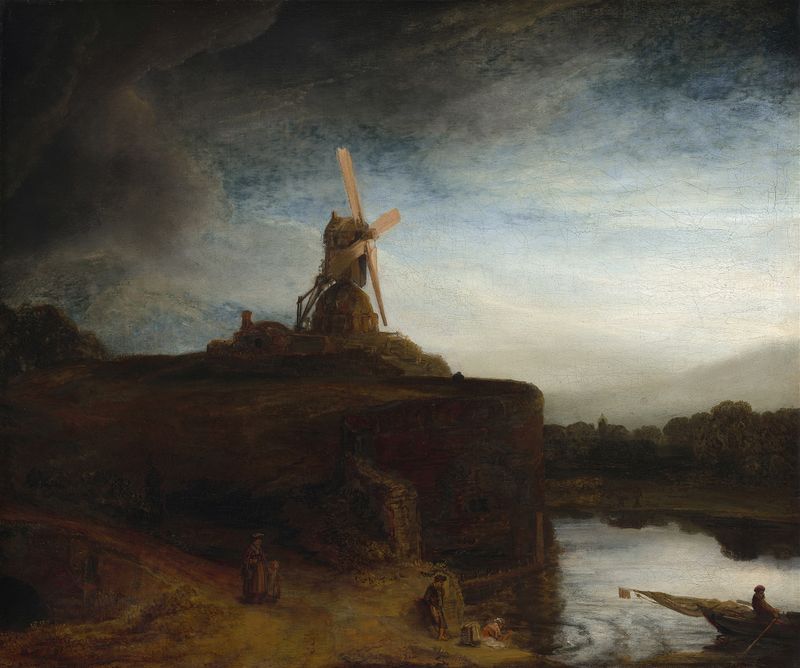
The Mill
Rembrandt van Rijn

The Sampling Officials of the Amsterdam Drapers’ Guild, Known as ‘The Syndics’
Rembrandt van Rijn

The return of the prodigal son
Rembrandt van Rijn
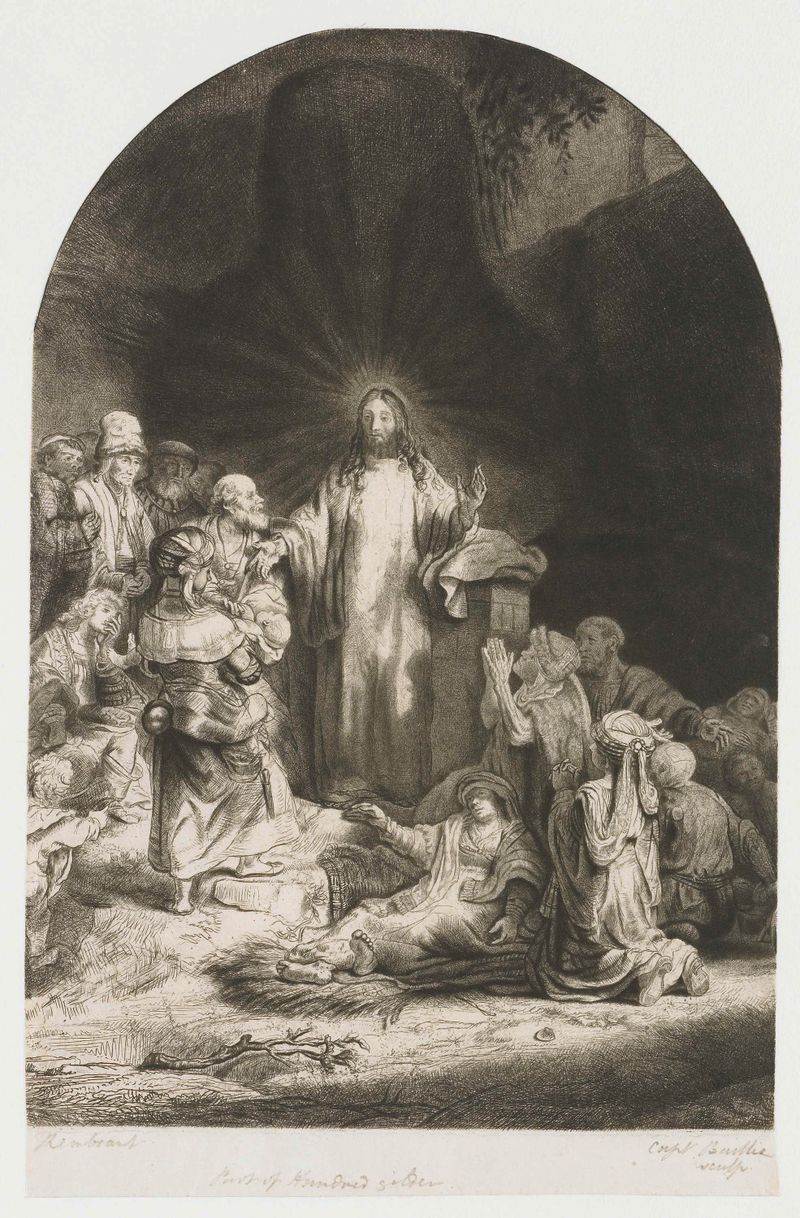
The Hundred Guilder Print: the central piece with Christ preaching, the plate arched
Rembrandt van Rijn

The Hundred Guilder Print: the man seen on the back in the lower left corner
Rembrandt van Rijn
More Religious Art
Browse all →The Return of the Prodigal Son
Rembrandt van Rijn

The Garden of Earthly Delights
El Bosco

Count Orgaz’ funeral
El Greco
The Hundred Guilder Print: the central piece with Christ preaching, the plate arched
Rembrandt van Rijn

The Descent from the Cross
Rogier van der Weyden
The return of the prodigal son
Rembrandt van Rijn