
Christ at Emmaus: the larger plate — History & Facts
Did the painter know this moment would outlive them? In Christ at Emmaus: the larger plate, the weight of destiny hangs palpably in the air, as if fate itself had paused to observe the quiet revelation. Look to the left at the figure of Christ, who is cloaked in a rich tapestry of warm ochres and deep reds. The natural light cascades from the unseen source above, illuminating His face with an almost divine glow, while casting the surrounding figures into shadows, creating a stark contrast between revelation and doubt. Notice how the table is set—simple yet inviting—drawing your eye to the bread, symbolizing nourishment and the essence of life itself, a poignant reminder of communion. Beneath the surface lies a profound tension; the gestures of the two disciples reflect the struggle between belief and skepticism.
One leans forward, eyes wide with realization, while the other seems frozen in contemplation, their hands raised in a mixture of awe and disbelief. This duality evokes a deeply human experience: the moment when faith confronts uncertainty. The interplay of light and shadow not only enhances the depth of the scene but also emphasizes the transformational power of recognition and understanding. In 1654, Rembrandt was navigating the complexities of life, experiencing both personal loss and artistic evolution.
Set in the thriving city of Amsterdam, his work began to shift focus from grand historical narratives to intimate, human moments. This painting reflects a period marked by introspection, where he sought to capture the essence of divine encounters within the everyday, revealing profound truths through the lens of personal experience.
More Artworks by Rembrandt van Rijn
Browse all →
The Night Watch Militia Company of District II under the Command of Captain Frans Banninck Cocq
Rembrandt van Rijn

The Return of the Prodigal Son
Rembrandt van Rijn

The Hundred Guilder Print: the figures leaning on the wall in the centre left
Rembrandt van Rijn

The Hundred Guilder Print: the central piece with Christ preaching, the plate arched
Rembrandt van Rijn

Isaac and Rebecca, Known as ‘The Jewish Bride’
Rembrandt van Rijn
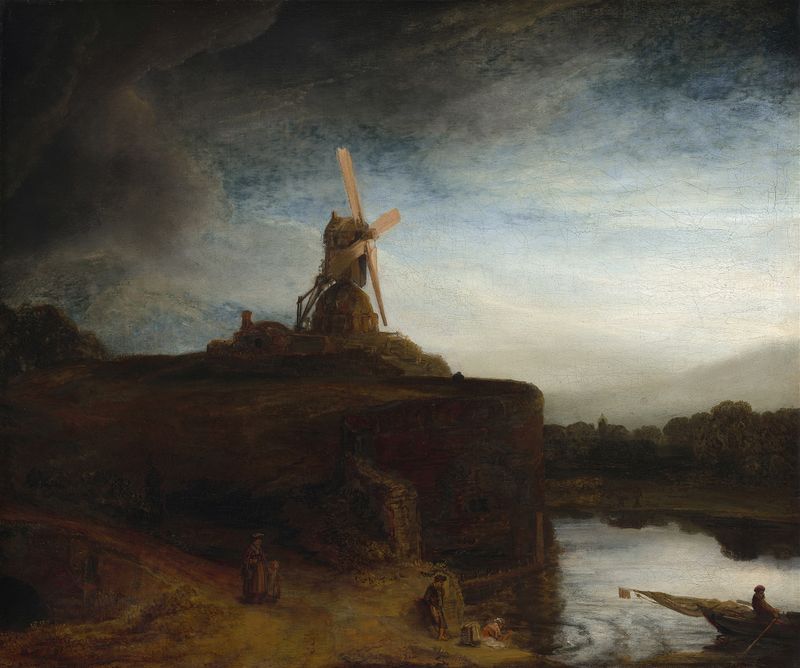
The Mill
Rembrandt van Rijn

The Sampling Officials of the Amsterdam Drapers’ Guild, Known as ‘The Syndics’
Rembrandt van Rijn

The return of the prodigal son
Rembrandt van Rijn
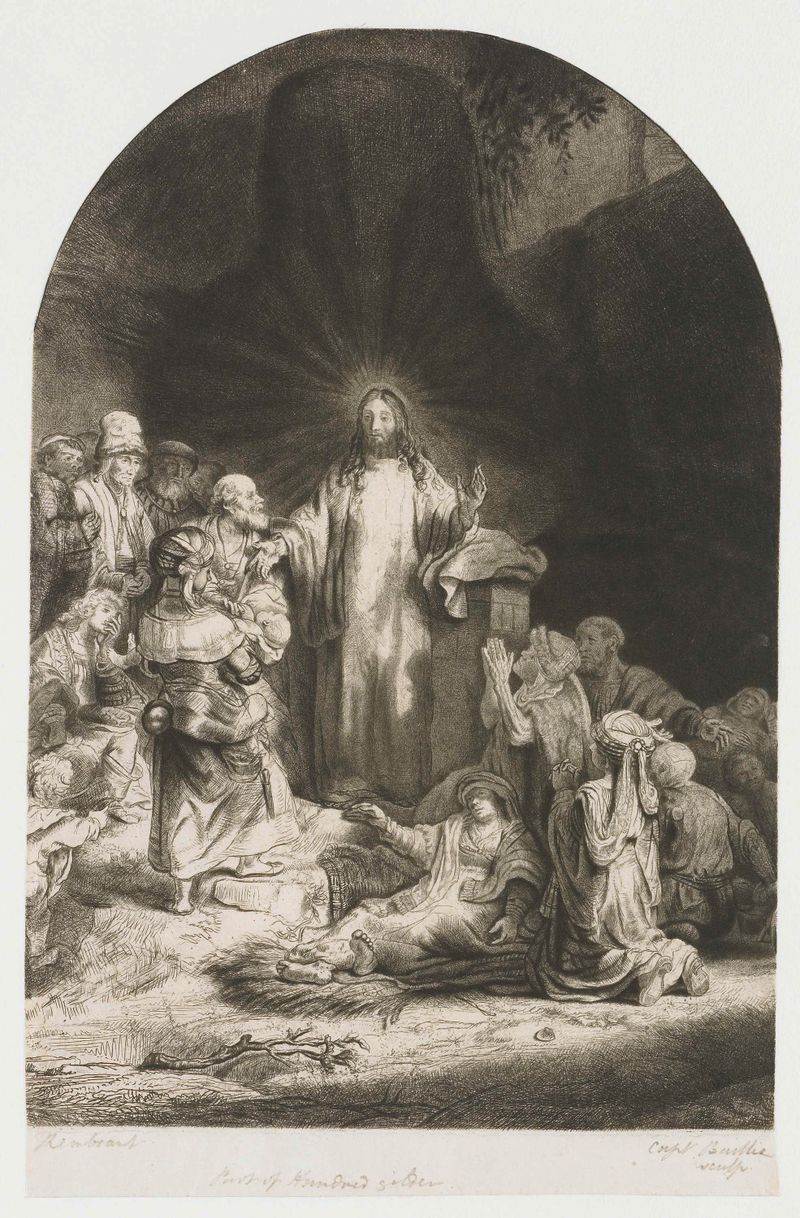
The Hundred Guilder Print: the central piece with Christ preaching, the plate arched
Rembrandt van Rijn

The Hundred Guilder Print: the man seen on the back in the lower left corner
Rembrandt van Rijn
More Religious Art
Browse all →The Return of the Prodigal Son
Rembrandt van Rijn

The Garden of Earthly Delights
El Bosco

Count Orgaz’ funeral
El Greco
The Hundred Guilder Print: the central piece with Christ preaching, the plate arched
Rembrandt van Rijn

The Descent from the Cross
Rogier van der Weyden
The return of the prodigal son
Rembrandt van Rijn