
Christ at Emmaus: the larger plate — History & Facts
Can paint confess what words never could? In Christ at Emmaus, a profound truth emerges from the delicate interplay of light and shadow, revealing the complexity of faith and recognition. Look to the center where two figures, a traveler and a seated disciple, encompass the moment of revelation. The soft glow illuminating their faces contrasts sharply against the enveloping darkness, directing our gaze to the spark of realization. Notice how the rich, warm tones of the fabric draping the figures complement the cooler, muted shades of the background, emphasizing the emotional gravity of the scene.
Each brushstroke carries the weight of unspoken words, inviting you to linger upon the expressions captured in this intimate exchange. The tension in their postures speaks volumes; the disciple leans in, a gesture of yearning, while the traveler stands firm, embodying both mystery and reassurance. The bread, resting between them, serves as a powerful symbol of communion, bridging earthly existence with divine truth. In this moment, the ordinary transforms into the sacred, reflecting the deeper mysteries of recognition and faith that resonate through time. Created during the final years of the artist's life, Christ at Emmaus reflects Rembrandt's evolving style and introspective approach to spirituality.
Painted between 1850 and 1906, it stands as a testament to his mastery in depicting human emotion amid a world that was gradually shifting toward modernity. It captures a pivotal moment in the artist's journey, showcasing how he sought to convey profound truths through the language of paint, even as the art world around him was rapidly changing.
More Artworks by Rembrandt van Rijn
Browse all →
The Night Watch Militia Company of District II under the Command of Captain Frans Banninck Cocq
Rembrandt van Rijn

The Return of the Prodigal Son
Rembrandt van Rijn

The Hundred Guilder Print: the figures leaning on the wall in the centre left
Rembrandt van Rijn

The Hundred Guilder Print: the central piece with Christ preaching, the plate arched
Rembrandt van Rijn

Isaac and Rebecca, Known as ‘The Jewish Bride’
Rembrandt van Rijn
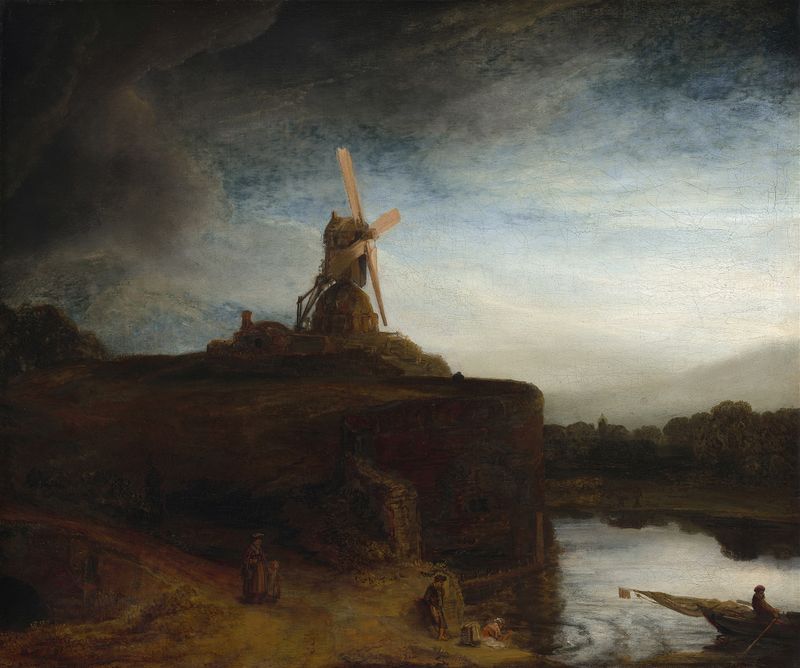
The Mill
Rembrandt van Rijn

The Sampling Officials of the Amsterdam Drapers’ Guild, Known as ‘The Syndics’
Rembrandt van Rijn

The return of the prodigal son
Rembrandt van Rijn
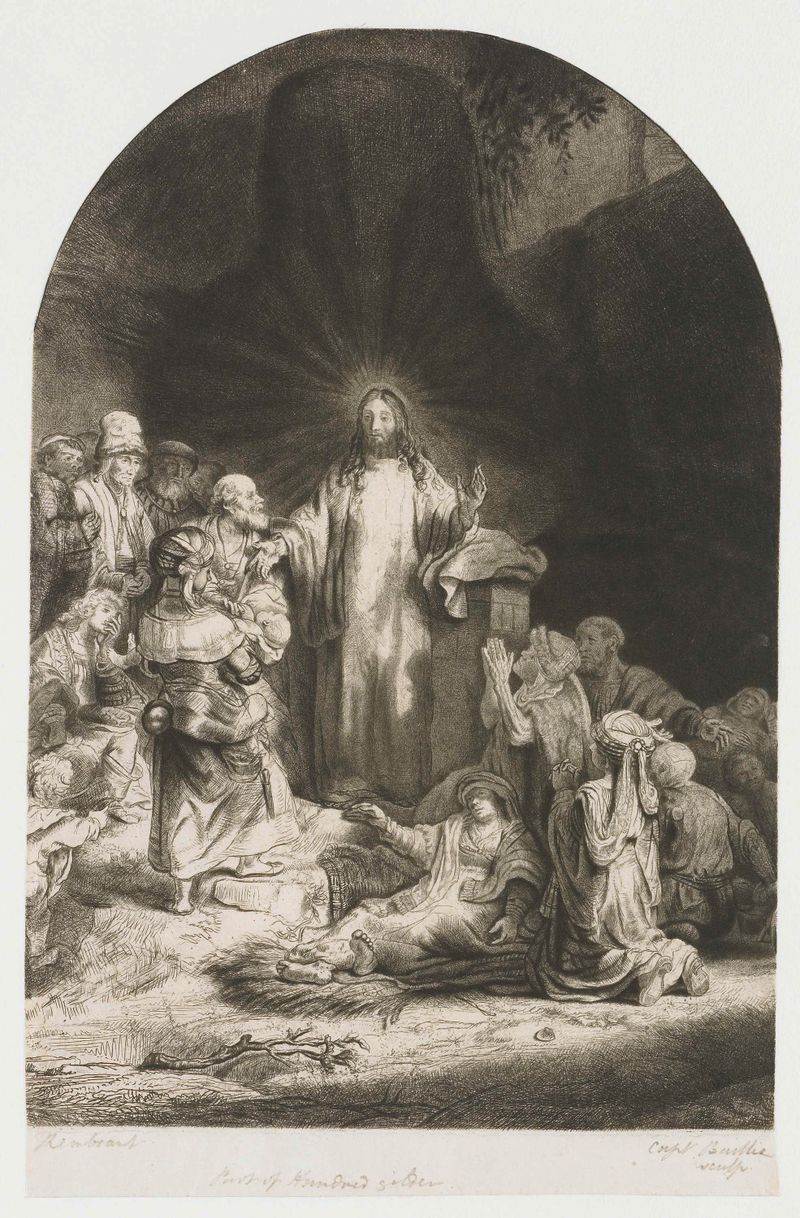
The Hundred Guilder Print: the central piece with Christ preaching, the plate arched
Rembrandt van Rijn

The Hundred Guilder Print: the man seen on the back in the lower left corner
Rembrandt van Rijn
More Religious Art
Browse all →The Return of the Prodigal Son
Rembrandt van Rijn

The Garden of Earthly Delights
El Bosco

Count Orgaz’ funeral
El Greco
The Hundred Guilder Print: the central piece with Christ preaching, the plate arched
Rembrandt van Rijn

The Descent from the Cross
Rogier van der Weyden
The return of the prodigal son
Rembrandt van Rijn