
Christ before Pilate: large plate — History & Facts
In the quiet stillness of despair, loss lingers like a shadow, waiting to be acknowledged. It is in these fleeting moments that the true depth of humanity is unveiled, revealing our fragile nature. Look to the center of the composition, where a solemn figure stands before a crowd, his presence commanding yet vulnerable. The light falls dramatically upon Christ, illuminating his serene face and casting elongated shadows that stretch across the textured surface.
Notice the rich palette of ochres and deep browns enveloping the scene, enhancing the emotional gravity and invoking a sense of foreboding. The stark contrasts of light and dark heighten the tension, guiding the viewer's gaze to the juxtaposition of power represented by Pilate and the serene humility of the figure before him. Delve into the expressions surrounding the central figure; each face tells a story of conflict and uncertainty. The anxious murmurs emanating from the crowd convey their inner turmoil, as they grapple with loyalty and fear.
Here, loss is palpably felt—not merely as a moment in time, but as an overwhelming emotional weight that reverberates through the ages, reflecting humanity's enduring struggle with faith, authority, and sacrifice. In 1635, Rembrandt painted this powerful visual narrative during a period of personal and artistic growth in his career. Residing in Amsterdam, he was beginning to gain recognition for his innovative techniques and poignant storytelling. The socio-political landscape of Europe was turbulent, and the artist’s exploration of complex human emotions amidst mounting pressures would come to define his oeuvre, embedding themes of vulnerability and introspection within his work.
More Artworks by Rembrandt van Rijn
Browse all →
The Night Watch Militia Company of District II under the Command of Captain Frans Banninck Cocq
Rembrandt van Rijn

The Return of the Prodigal Son
Rembrandt van Rijn

The Hundred Guilder Print: the figures leaning on the wall in the centre left
Rembrandt van Rijn

The Hundred Guilder Print: the central piece with Christ preaching, the plate arched
Rembrandt van Rijn

Isaac and Rebecca, Known as ‘The Jewish Bride’
Rembrandt van Rijn
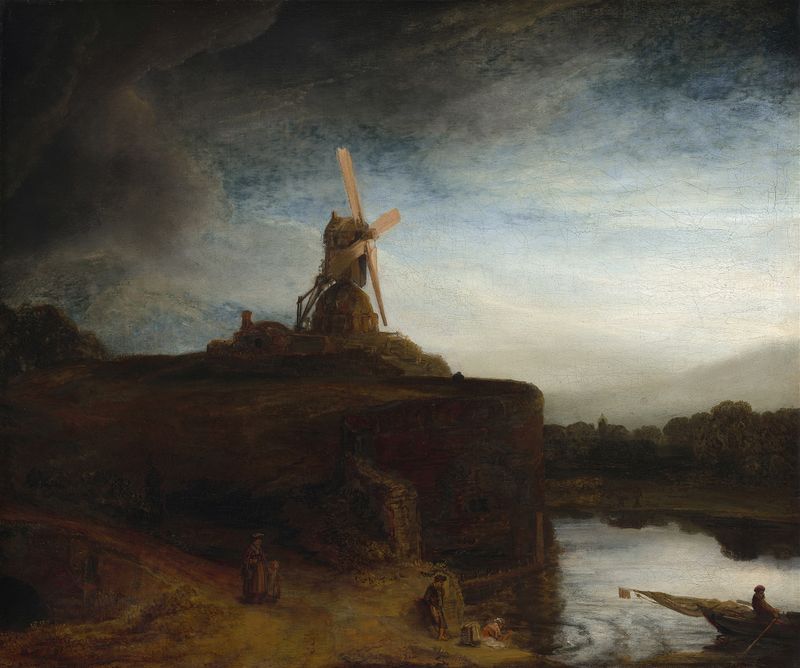
The Mill
Rembrandt van Rijn

The Sampling Officials of the Amsterdam Drapers’ Guild, Known as ‘The Syndics’
Rembrandt van Rijn

The return of the prodigal son
Rembrandt van Rijn
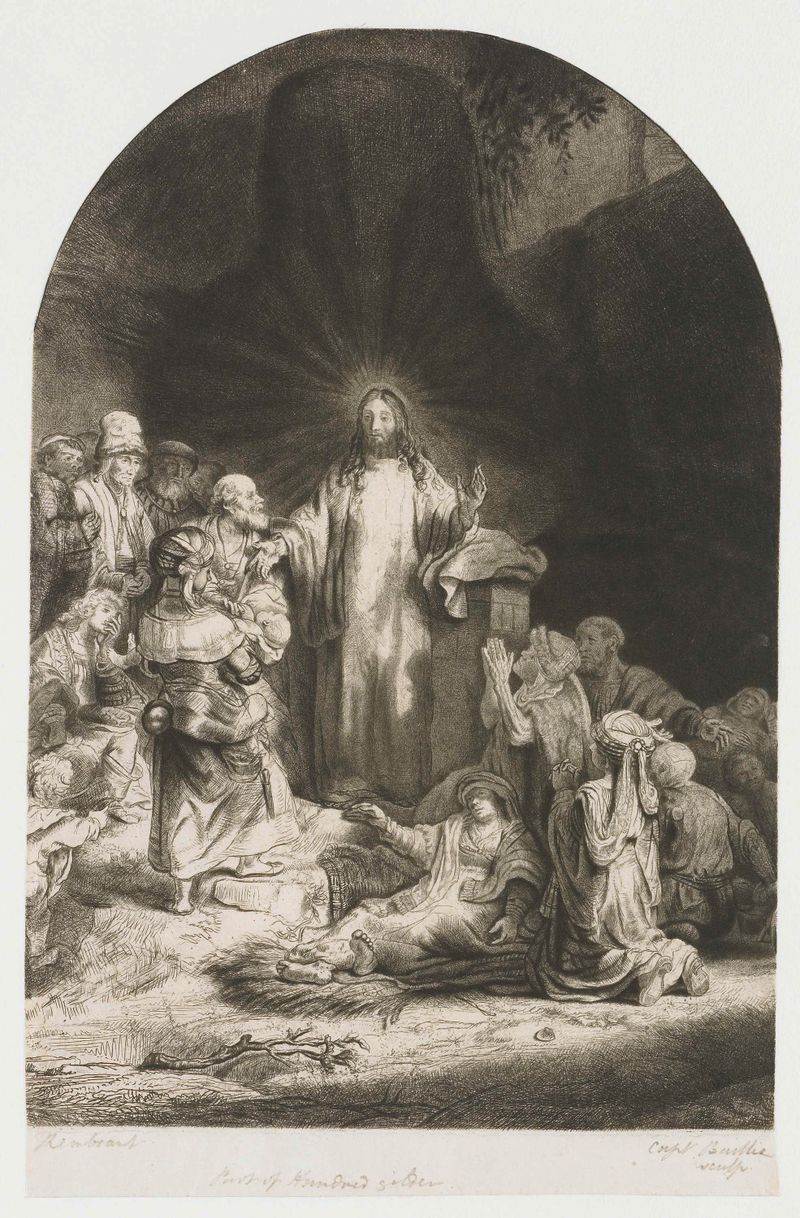
The Hundred Guilder Print: the central piece with Christ preaching, the plate arched
Rembrandt van Rijn

The Hundred Guilder Print: the man seen on the back in the lower left corner
Rembrandt van Rijn
More Religious Art
Browse all →The Return of the Prodigal Son
Rembrandt van Rijn

The Garden of Earthly Delights
El Bosco

Count Orgaz’ funeral
El Greco
The Hundred Guilder Print: the central piece with Christ preaching, the plate arched
Rembrandt van Rijn

The Descent from the Cross
Rogier van der Weyden
The return of the prodigal son
Rembrandt van Rijn