
Christ before Pilate: large plate — History & Facts
Is this a mirror — or a memory? In Rembrandt's Christ before Pilate, shadows dance across the surface, inviting deep contemplation of guilt, power, and redemption. Focus on the figure of Christ at the center, his face illuminated by a soft golden light that contrasts dramatically with the surrounding darkness. Notice how the light falls upon his serene expression, drawing your attention to the quiet strength that stands resolute amid the tumult. To the left, Pilate looms, framed by a stark shadow that mirrors the weight of his impending decision.
The swirling drapery, rich in deep reds and earthy browns, evokes a sense of urgency and unease, as if the very fabric of the moment is caught between light and dark. The tension between the divine and the earthly unfolds within the intricate details. Christ’s calm demeanor serves as a powerful contrast to Pilate’s ambivalence, highlighting the moral conflict at play. Observe the hesitant gestures of those in attendance, their postures betraying a mix of curiosity and dread.
The shadows—delicate yet profound—suggest not only the physical presence of the characters but also the moral complexities they navigate, weaving a narrative of doubt and faith. Created in 1635, this work emerged during a period of intense exploration in Rembrandt's career, as he sought to master the interplay of light and shadow. At this time in the art world, the Baroque style flourished, emphasizing dramatic contrasts and emotional depth. Rembrandt, in particular, was establishing himself as a master storyteller, using his technique to grapple with profound themes, forever shaping the discourse of art.
More Artworks by Rembrandt van Rijn
Browse all →
The Night Watch Militia Company of District II under the Command of Captain Frans Banninck Cocq
Rembrandt van Rijn

The Return of the Prodigal Son
Rembrandt van Rijn

The Hundred Guilder Print: the figures leaning on the wall in the centre left
Rembrandt van Rijn

The Hundred Guilder Print: the central piece with Christ preaching, the plate arched
Rembrandt van Rijn

Isaac and Rebecca, Known as ‘The Jewish Bride’
Rembrandt van Rijn
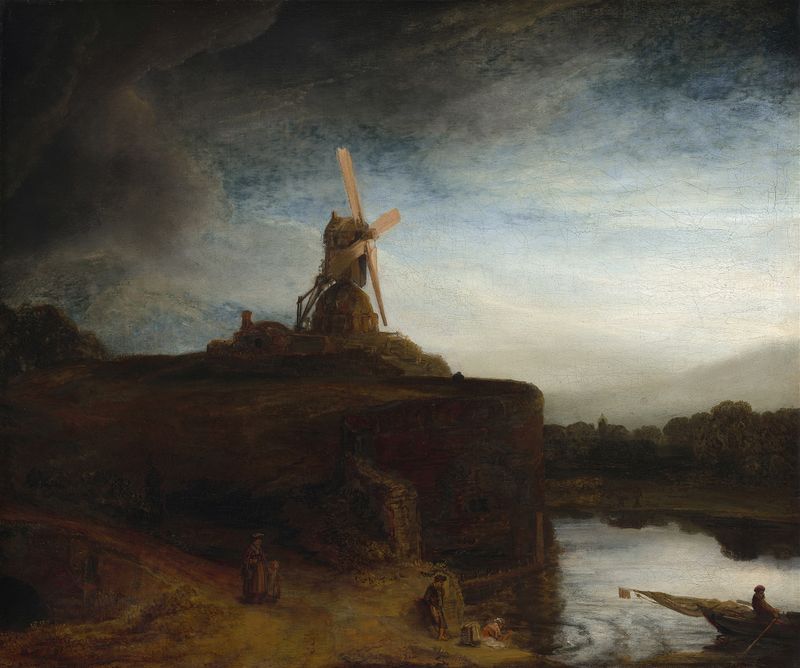
The Mill
Rembrandt van Rijn

The Sampling Officials of the Amsterdam Drapers’ Guild, Known as ‘The Syndics’
Rembrandt van Rijn

The return of the prodigal son
Rembrandt van Rijn
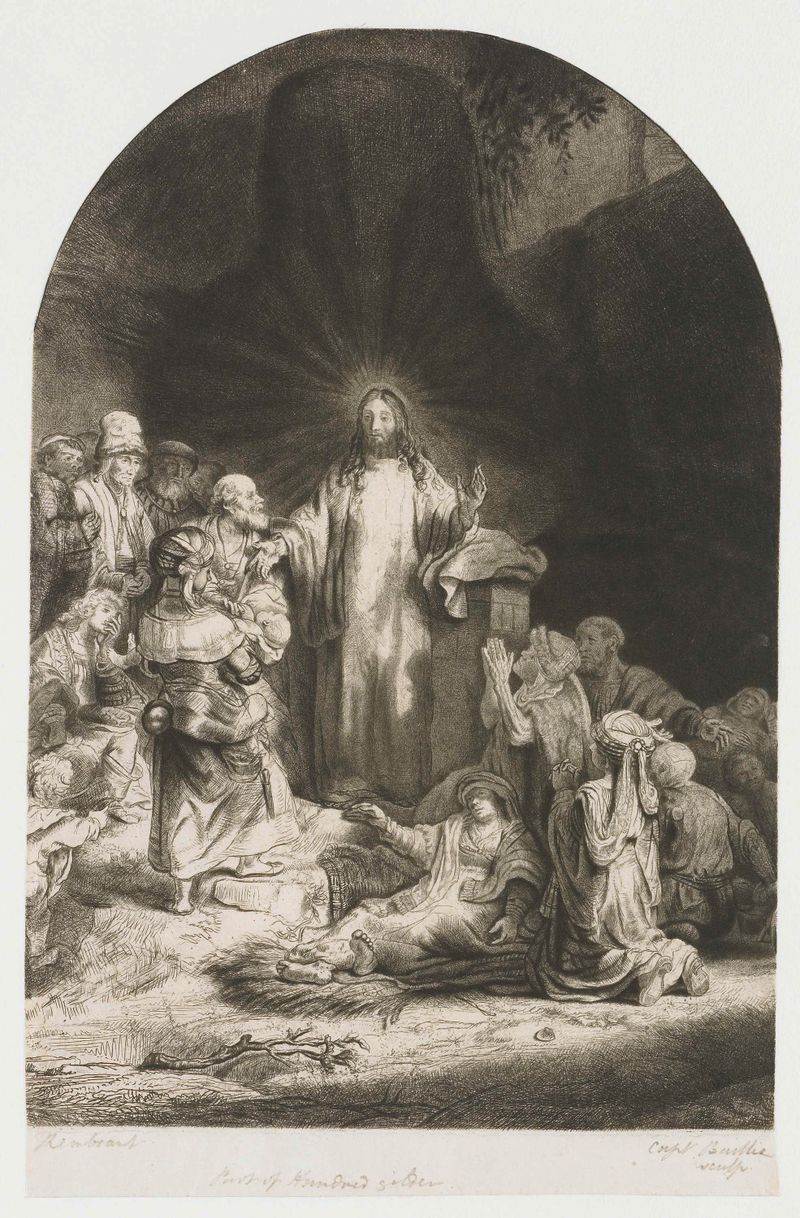
The Hundred Guilder Print: the central piece with Christ preaching, the plate arched
Rembrandt van Rijn

The Hundred Guilder Print: the man seen on the back in the lower left corner
Rembrandt van Rijn
More Religious Art
Browse all →The Return of the Prodigal Son
Rembrandt van Rijn

The Garden of Earthly Delights
El Bosco

Count Orgaz’ funeral
El Greco
The Hundred Guilder Print: the central piece with Christ preaching, the plate arched
Rembrandt van Rijn

The Descent from the Cross
Rogier van der Weyden
The return of the prodigal son
Rembrandt van Rijn