
Christ before Pilate: large plate — History & Facts
In the quiet recesses of our lives, moments of profound melancholy whisper truths we often overlook. The intersection of light and shadow in Rembrandt's work draws us into a poignant exploration of human vulnerability. Focus first on the central figures, where the tension is palpable between Christ and Pilate. Notice the dramatic chiaroscuro that envelops the scene, illuminating Christ’s serene countenance, contrasting starkly with Pilate’s furrowed brow.
The surrounding figures fade into shadow, emphasizing the isolation of the two men at the center. The muted palette of browns and grays serves to enhance the somber mood, inviting viewers to reflect on the emotional weight carried within each stroke. Delving deeper, the subtle expressions and gestures in the work reveal layers of conflict and despair. Pilate’s hesitance juxtaposes the quiet dignity of Christ, suggesting a world torn between duty and morality.
The anxious faces in the background express a collective turmoil, mirroring the societal struggle reflected in the narrative. Each character contributes to the overarching theme of sacrifice, evoking a sense of empathy that transcends time. In 1635, Rembrandt created this plate during a period of artistic experimentation and personal strife. Living in Amsterdam, he navigated the complexities of his burgeoning career amidst the artistic Golden Age of the Netherlands.
This work embodies not only a biblical moment but also reflects the artist's introspection as he grappled with his own struggles, both personal and professional, thus inviting the viewer to confront the deeper emotional resonances within the human experience.
More Artworks by Rembrandt van Rijn
Browse all →
The Night Watch Militia Company of District II under the Command of Captain Frans Banninck Cocq
Rembrandt van Rijn

The Return of the Prodigal Son
Rembrandt van Rijn

The Hundred Guilder Print: the figures leaning on the wall in the centre left
Rembrandt van Rijn

The Hundred Guilder Print: the central piece with Christ preaching, the plate arched
Rembrandt van Rijn

Isaac and Rebecca, Known as ‘The Jewish Bride’
Rembrandt van Rijn
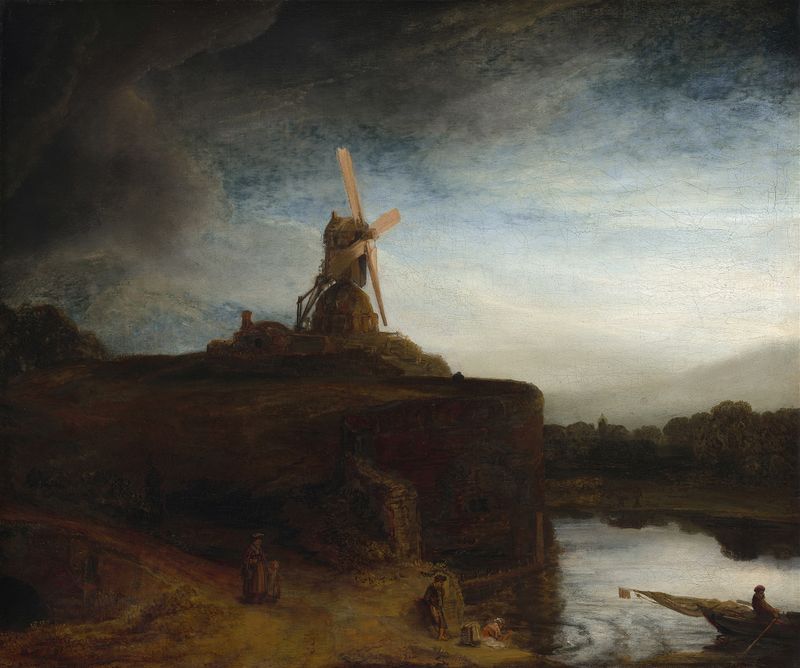
The Mill
Rembrandt van Rijn

The Sampling Officials of the Amsterdam Drapers’ Guild, Known as ‘The Syndics’
Rembrandt van Rijn

The return of the prodigal son
Rembrandt van Rijn
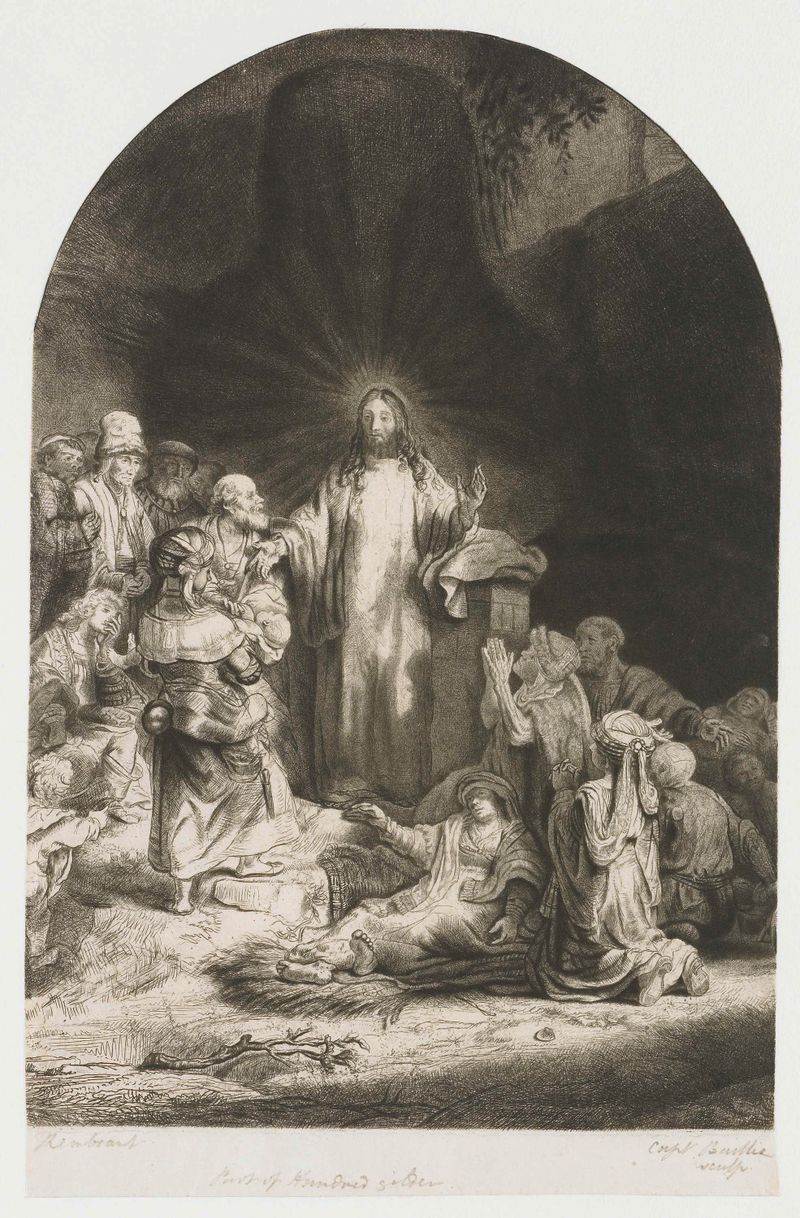
The Hundred Guilder Print: the central piece with Christ preaching, the plate arched
Rembrandt van Rijn

The Hundred Guilder Print: the man seen on the back in the lower left corner
Rembrandt van Rijn
More Religious Art
Browse all →The Return of the Prodigal Son
Rembrandt van Rijn

The Garden of Earthly Delights
El Bosco

Count Orgaz’ funeral
El Greco
The Hundred Guilder Print: the central piece with Christ preaching, the plate arched
Rembrandt van Rijn

The Descent from the Cross
Rogier van der Weyden
The return of the prodigal son
Rembrandt van Rijn