
Christ carried to the tomb — History & Facts
In still moments, it offers a portal to divinity, revealing truths that words often mask. Look closely at Christ carried to the tomb; your gaze first lands on the somber figures surrounding the central body. The play of light, masterfully orchestrated by Rembrandt, directs attention to Christ’s serene face, illuminating the sorrow etched on the expressions of those who bear him. The deep shadows envelop the mourners, creating a palpable sense of gravity and loss, while the earth tones of the palette lend a solemn warmth to the somber scene. As you absorb the details, notice how the contrast of light and dark not only showcases the physical burden of the body but also encapsulates the emotional weight of the moment.
The tension between the figures — some leaning heavily into their grief, others resolute in their duty — evokes a profound sense of shared humanity and divine sacrifice. Each brushstroke whispers stories of despair and reverence, revealing layers of meaning that resonate beyond the canvas. In the mid-1640s, while at the height of his artistic career in Amsterdam, the artist grappled with personal and financial turmoil. Amidst these challenges, Rembrandt was immersed in exploring themes of spirituality and human emotion, striving to capture the essence of divine narratives with profound empathy.
This work stands as a testament to his belief in the power of art to convey the complexity of faith and mortality.
More Artworks by Rembrandt van Rijn
Browse all →
The Night Watch Militia Company of District II under the Command of Captain Frans Banninck Cocq
Rembrandt van Rijn

The Return of the Prodigal Son
Rembrandt van Rijn

The Hundred Guilder Print: the figures leaning on the wall in the centre left
Rembrandt van Rijn

The Hundred Guilder Print: the central piece with Christ preaching, the plate arched
Rembrandt van Rijn

Isaac and Rebecca, Known as ‘The Jewish Bride’
Rembrandt van Rijn
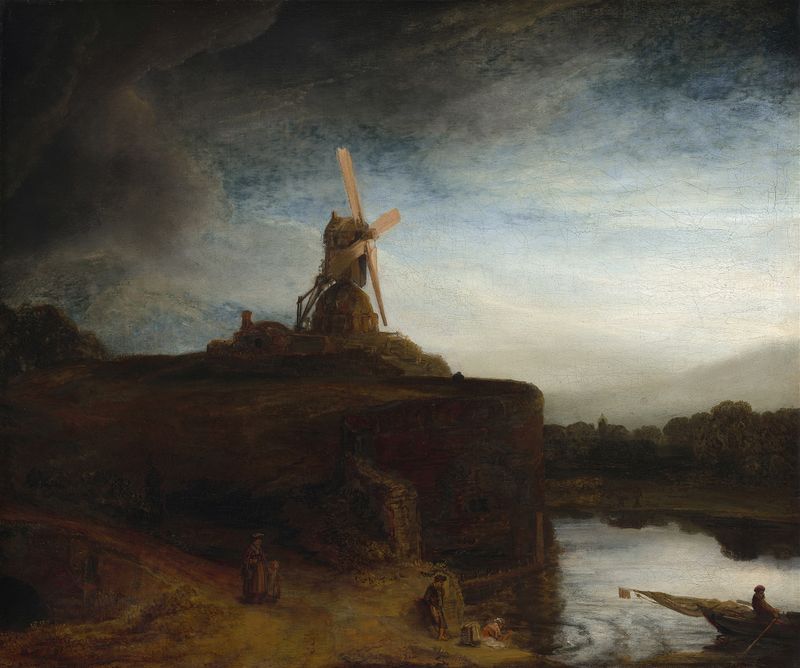
The Mill
Rembrandt van Rijn

The Sampling Officials of the Amsterdam Drapers’ Guild, Known as ‘The Syndics’
Rembrandt van Rijn

The return of the prodigal son
Rembrandt van Rijn
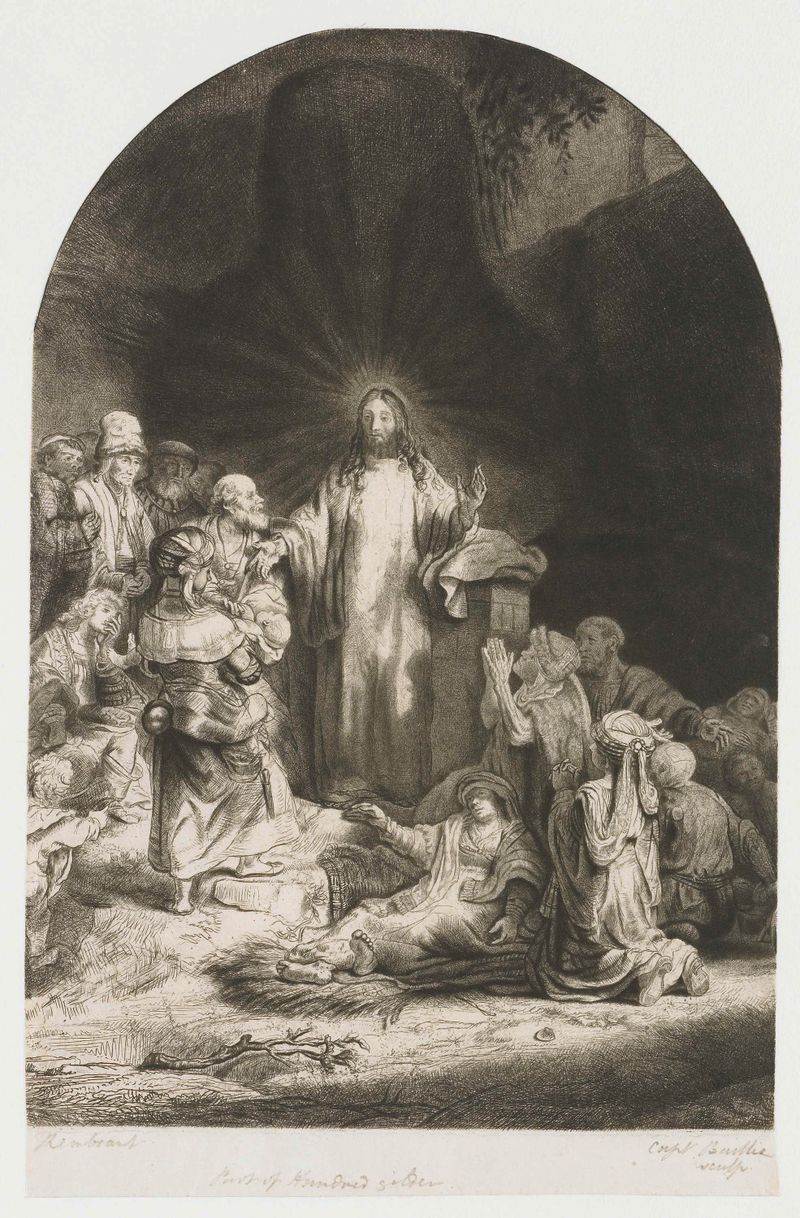
The Hundred Guilder Print: the central piece with Christ preaching, the plate arched
Rembrandt van Rijn

The Hundred Guilder Print: the man seen on the back in the lower left corner
Rembrandt van Rijn
More Religious Art
Browse all →The Return of the Prodigal Son
Rembrandt van Rijn

The Garden of Earthly Delights
El Bosco

Count Orgaz’ funeral
El Greco
The Hundred Guilder Print: the central piece with Christ preaching, the plate arched
Rembrandt van Rijn

The Descent from the Cross
Rogier van der Weyden
The return of the prodigal son
Rembrandt van Rijn