
Christ carried to the tomb — History & Facts
Is this a mirror — or a memory? In the shadows of Christ carried to the tomb, truth unfolds in a somber embrace, revealing the weight of grief and reverence intertwined. Focus on the draped figure at the center, bathed in muted, ethereal light. Notice how the pallor of the subject’s skin contrasts strikingly with the dark attire of those surrounding him. The use of chiaroscuro pulls you in, guiding your gaze along the folds of the cloth, where the brushwork reveals Rembrandt's masterful control over texture and form.
The figures seem to emerge from the darkness, their expressions etched with sorrow, each face a unique testimony to loss. Look closely at the hands that carry the body; they evoke a profound sense of burden and fragility. The downward tilt of Christ’s head suggests surrender, while the gentle gestures of the mourners communicate a silent prayer. The background, although stark, resonates with the emotional weight carried into eternity, bridging the divide between the sacred and the human experience of mourning.
Rembrandt captures not just a moment, but the essence of a shared memory, a universal truth that transcends time. In the mid-1640s, Rembrandt was navigating both personal and professional turmoil, having recently suffered the loss of his beloved wife. During this period in Amsterdam, the art scene was evolving, with shifts toward dramatic realism. The artist, known for his innovative use of light and shadow, labored to capture not merely the act of burial, but the deep emotional resonance of loss, offering a poignant reflection on human existence.
More Artworks by Rembrandt van Rijn
Browse all →
The Night Watch Militia Company of District II under the Command of Captain Frans Banninck Cocq
Rembrandt van Rijn

The Return of the Prodigal Son
Rembrandt van Rijn

The Hundred Guilder Print: the figures leaning on the wall in the centre left
Rembrandt van Rijn

The Hundred Guilder Print: the central piece with Christ preaching, the plate arched
Rembrandt van Rijn

Isaac and Rebecca, Known as ‘The Jewish Bride’
Rembrandt van Rijn
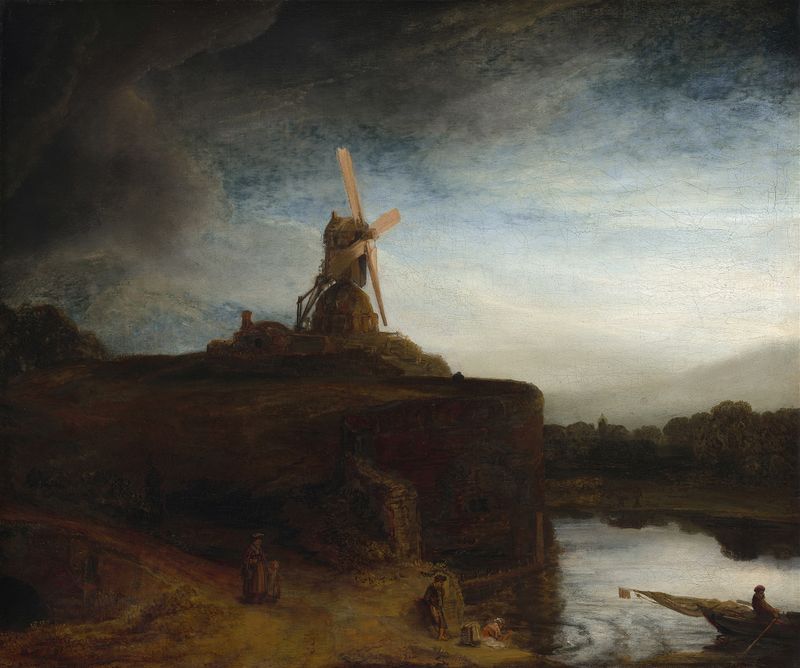
The Mill
Rembrandt van Rijn

The Sampling Officials of the Amsterdam Drapers’ Guild, Known as ‘The Syndics’
Rembrandt van Rijn

The return of the prodigal son
Rembrandt van Rijn
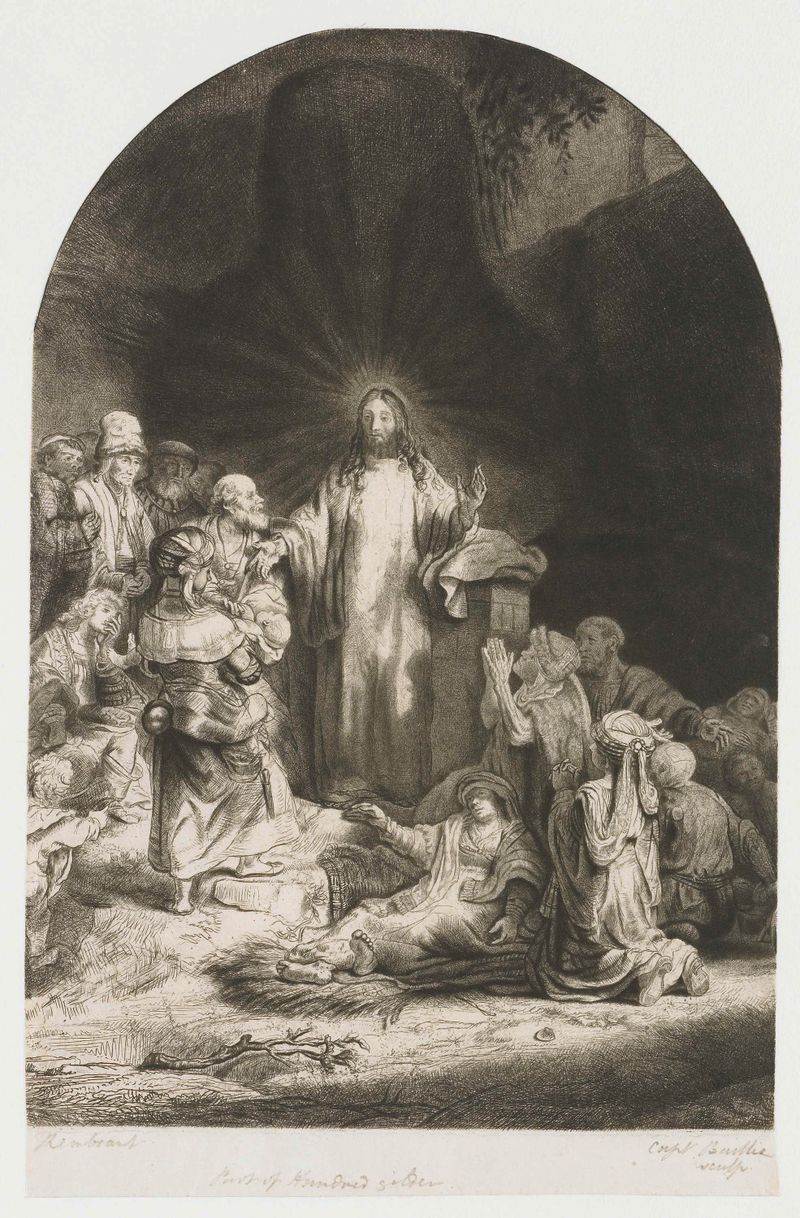
The Hundred Guilder Print: the central piece with Christ preaching, the plate arched
Rembrandt van Rijn

The Hundred Guilder Print: the man seen on the back in the lower left corner
Rembrandt van Rijn
More Religious Art
Browse all →The Return of the Prodigal Son
Rembrandt van Rijn

The Garden of Earthly Delights
El Bosco

Count Orgaz’ funeral
El Greco
The Hundred Guilder Print: the central piece with Christ preaching, the plate arched
Rembrandt van Rijn

The Descent from the Cross
Rogier van der Weyden
The return of the prodigal son
Rembrandt van Rijn