
Christ crucified between the two thieves: an oval plate — History & Facts
Could beauty survive in a century of chaos? In the hands of a master, it not only survives but thrives, revealing profound truths through the quiet tension of faith and suffering. Begin your exploration by directing your gaze to the central figure of Christ, his body draped with an ethereal light that contrasts starkly with the darkness surrounding him. Notice how the chiaroscuro technique enhances the emotional weight of the scene, with the oval plate framing this moment of divine sacrifice. Your eyes will likely be drawn to the delicate interplay of light and shadow, which Rembrandt orchestrates with unmatched skill, creating a luminous aura that seems to pulsate with life. As you delve deeper, consider the positioning of the two thieves, their expressions mirroring contrasting fates—one in despair, the other in a moment of reflection.
This imbalance speaks volumes about redemption and the human condition, inviting viewers to grapple with the choices that define their lives. The tension between anguish and serenity creates an emotional landscape where hope and despair coexist, capturing the essence of the time in which this plate was conceived. In 1641, Rembrandt was navigating both personal and professional challenges in Amsterdam, a period marked by the rise of Baroque art and the burgeoning exploration of human emotion. In his studio, amidst shifting fortunes, he created this profound work, reflecting the tumult of his life while also tapping into the collective turmoil of a world in flux.
The work serves as a testament to the resilience of beauty against the backdrop of chaos, a sentiment that resonates deeply through the centuries.
More Artworks by Rembrandt van Rijn
Browse all →
The Night Watch Militia Company of District II under the Command of Captain Frans Banninck Cocq
Rembrandt van Rijn

The Return of the Prodigal Son
Rembrandt van Rijn

The Hundred Guilder Print: the figures leaning on the wall in the centre left
Rembrandt van Rijn

The Hundred Guilder Print: the central piece with Christ preaching, the plate arched
Rembrandt van Rijn

Isaac and Rebecca, Known as ‘The Jewish Bride’
Rembrandt van Rijn
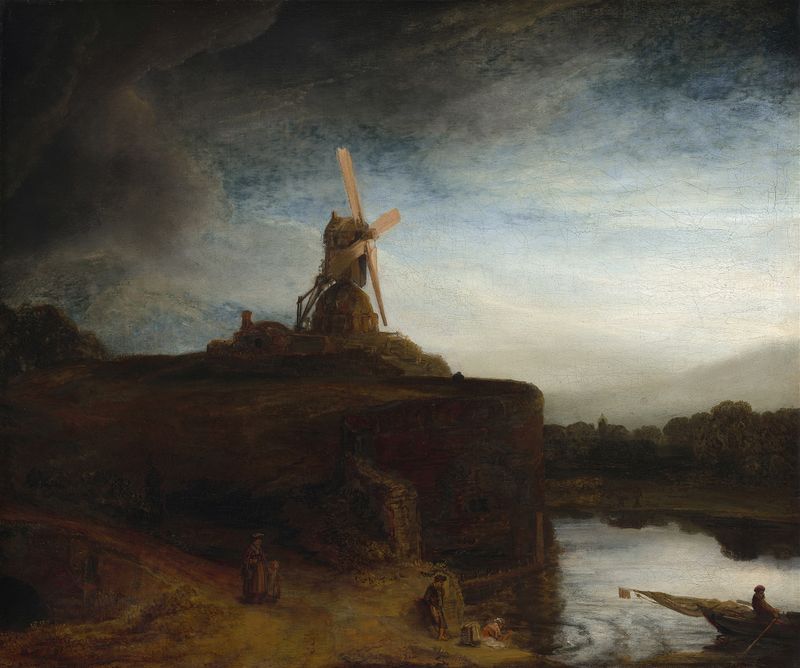
The Mill
Rembrandt van Rijn

The Sampling Officials of the Amsterdam Drapers’ Guild, Known as ‘The Syndics’
Rembrandt van Rijn

The return of the prodigal son
Rembrandt van Rijn
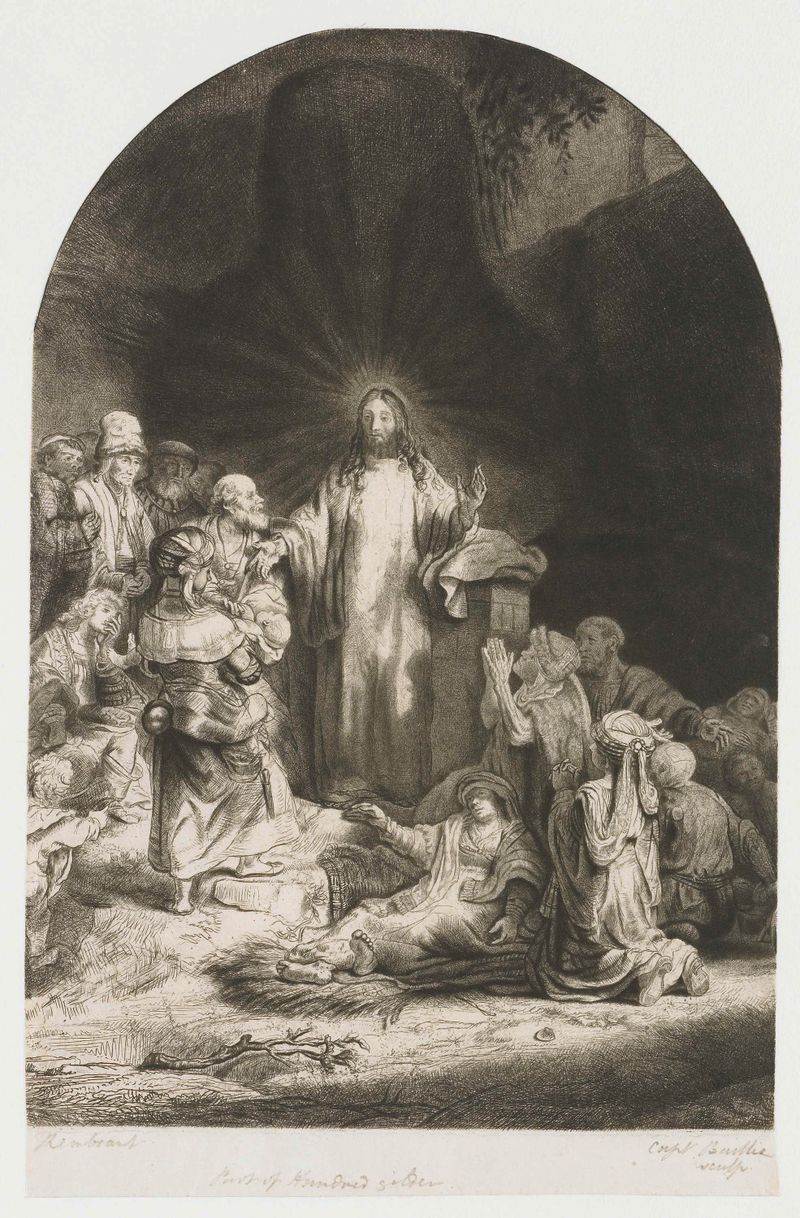
The Hundred Guilder Print: the central piece with Christ preaching, the plate arched
Rembrandt van Rijn

The Hundred Guilder Print: the man seen on the back in the lower left corner
Rembrandt van Rijn
More Religious Art
Browse all →The Return of the Prodigal Son
Rembrandt van Rijn

The Garden of Earthly Delights
El Bosco

Count Orgaz’ funeral
El Greco
The Hundred Guilder Print: the central piece with Christ preaching, the plate arched
Rembrandt van Rijn

The Descent from the Cross
Rogier van der Weyden
The return of the prodigal son
Rembrandt van Rijn