
Christ driving the money changers from the temple — History & Facts
In the shadowy corners of our lives, loss lingers, often unspoken yet profoundly felt. Focus first on the powerful figure at the center, a man of authority and purpose, his hand raised in a commanding gesture. Notice how the light illuminates his face, revealing an intense expression that merges wrath and righteousness. The gold and earthy tones of the surrounding figures contrast sharply, drawing attention to the chaos unfolding around him, with money changers frozen in their startled reactions.
Rembrandt's deft brushwork captures the tumultuous energy of the scene, every stroke a testament to the emotional weight of the moment. This artwork unfurls a tapestry of contrasts: the juxtaposition of the divine confrontation and the mundane hustle of commerce, the spiritual and earthly realms colliding. The lost dignity of those expelled is palpable, reflected not only in their faces but also in the discarded coins and overturned tables. Each element serves to heighten the tension between sacred intent and earthly desire, eliciting a profound sense of loss for both the merchants and the sanctity of the temple itself. Completed in 1635, this work emerged during a pivotal period in Rembrandt's career, as he sought to navigate the complexities of human emotion through his art.
Living in Amsterdam, he was deeply influenced by the vibrant art market and the burgeoning Baroque movement. The world around him was shifting, marked by economic prosperity yet steeped in spiritual questioning—a duality that resonates throughout this remarkable piece.
More Artworks by Rembrandt van Rijn
Browse all →
The Night Watch Militia Company of District II under the Command of Captain Frans Banninck Cocq
Rembrandt van Rijn

The Return of the Prodigal Son
Rembrandt van Rijn

The Hundred Guilder Print: the figures leaning on the wall in the centre left
Rembrandt van Rijn

The Hundred Guilder Print: the central piece with Christ preaching, the plate arched
Rembrandt van Rijn

Isaac and Rebecca, Known as ‘The Jewish Bride’
Rembrandt van Rijn
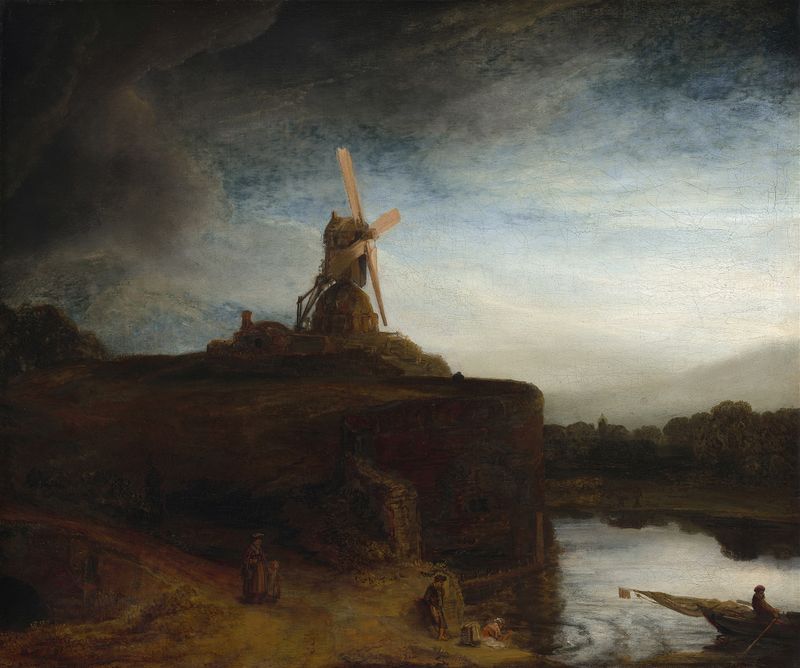
The Mill
Rembrandt van Rijn

The Sampling Officials of the Amsterdam Drapers’ Guild, Known as ‘The Syndics’
Rembrandt van Rijn

The return of the prodigal son
Rembrandt van Rijn
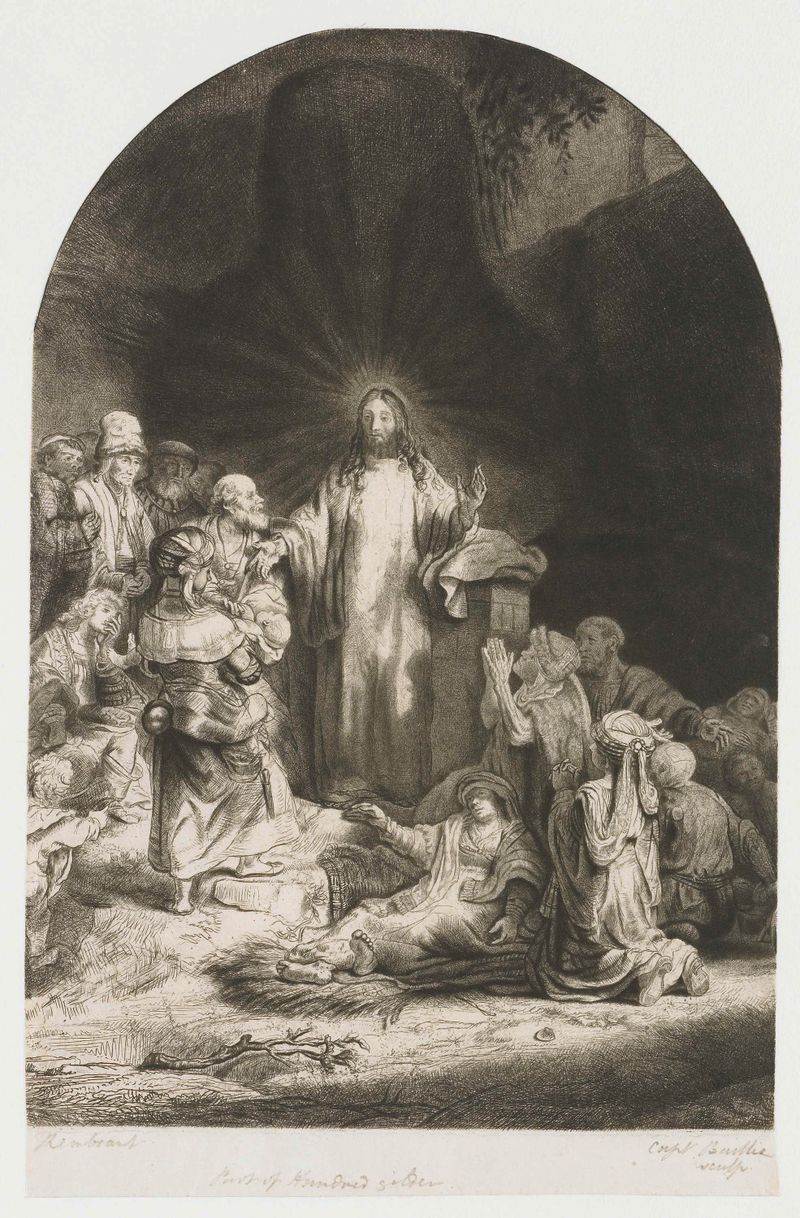
The Hundred Guilder Print: the central piece with Christ preaching, the plate arched
Rembrandt van Rijn

The Hundred Guilder Print: the man seen on the back in the lower left corner
Rembrandt van Rijn
More Religious Art
Browse all →The Return of the Prodigal Son
Rembrandt van Rijn

The Garden of Earthly Delights
El Bosco

Count Orgaz’ funeral
El Greco
The Hundred Guilder Print: the central piece with Christ preaching, the plate arched
Rembrandt van Rijn

The Descent from the Cross
Rogier van der Weyden
The return of the prodigal son
Rembrandt van Rijn