
Christ driving the money changers from the temple — History & Facts
When did color learn to lie? In a world where beauty often masks intention, how do we decipher the truths hidden beneath a surface of vibrancy? Focus on the commanding figure at the center, where the artist boldly imbues Christ with a striking presence. His outstretched arm and intense gaze draw our attention, almost demanding our reverence. Notice how the warm golden light bathes the scene, creating a stark contrast with the cool tones of the money changers, whose expressions range from shock to defiance.
The dynamic interplay of light and shadow not only highlights the chaos of the moment but also reflects the emotional weight of this biblical confrontation. Deeper layers of meaning unfold upon closer examination. The tumultuous crowd, caught in a whirlwind of disorder, represents the tension between spiritual purity and commercial greed. The expressions of fear and anger on the money changers' faces embody the resistance to Christ’s radical call for righteousness.
Furthermore, the subtle play of color between the serene figure of Christ and the chaotic scene surrounding him underscores a profound contrast — a struggle between divine beauty and human avarice. In the later years of his life, the artist created this work during a period of introspection and change. Painted in the 17th century, a time when Rembrandt was grappling with personal and financial challenges, he infused this scene with his deep understanding of human emotion and resilience. Amidst the shifting tides of the art world, he sought to capture not just historical narrative, but the eternal struggle between morality and materialism, making this painting a testament to his enduring legacy.
More Artworks by Rembrandt van Rijn
Browse all →
The Night Watch Militia Company of District II under the Command of Captain Frans Banninck Cocq
Rembrandt van Rijn

The Return of the Prodigal Son
Rembrandt van Rijn

The Hundred Guilder Print: the figures leaning on the wall in the centre left
Rembrandt van Rijn

The Hundred Guilder Print: the central piece with Christ preaching, the plate arched
Rembrandt van Rijn

Isaac and Rebecca, Known as ‘The Jewish Bride’
Rembrandt van Rijn
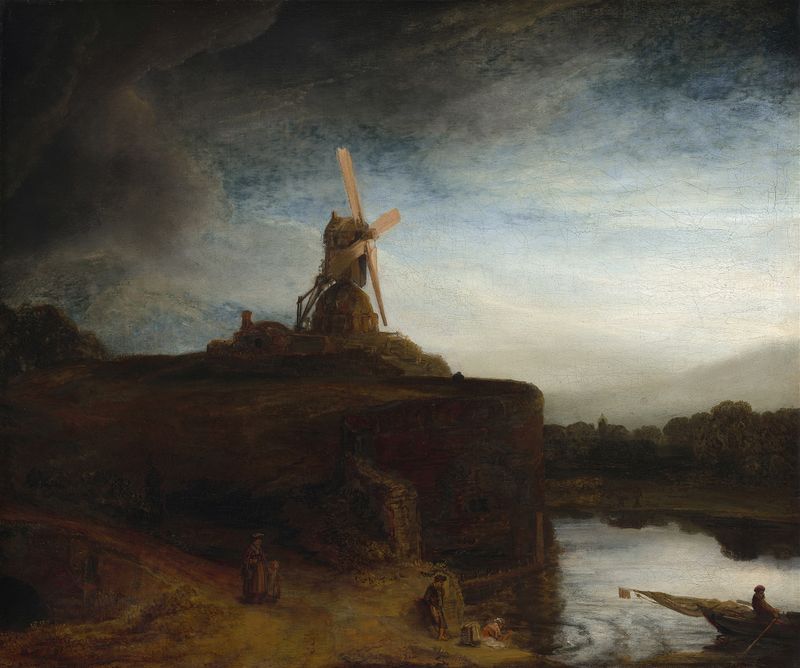
The Mill
Rembrandt van Rijn

The Sampling Officials of the Amsterdam Drapers’ Guild, Known as ‘The Syndics’
Rembrandt van Rijn

The return of the prodigal son
Rembrandt van Rijn
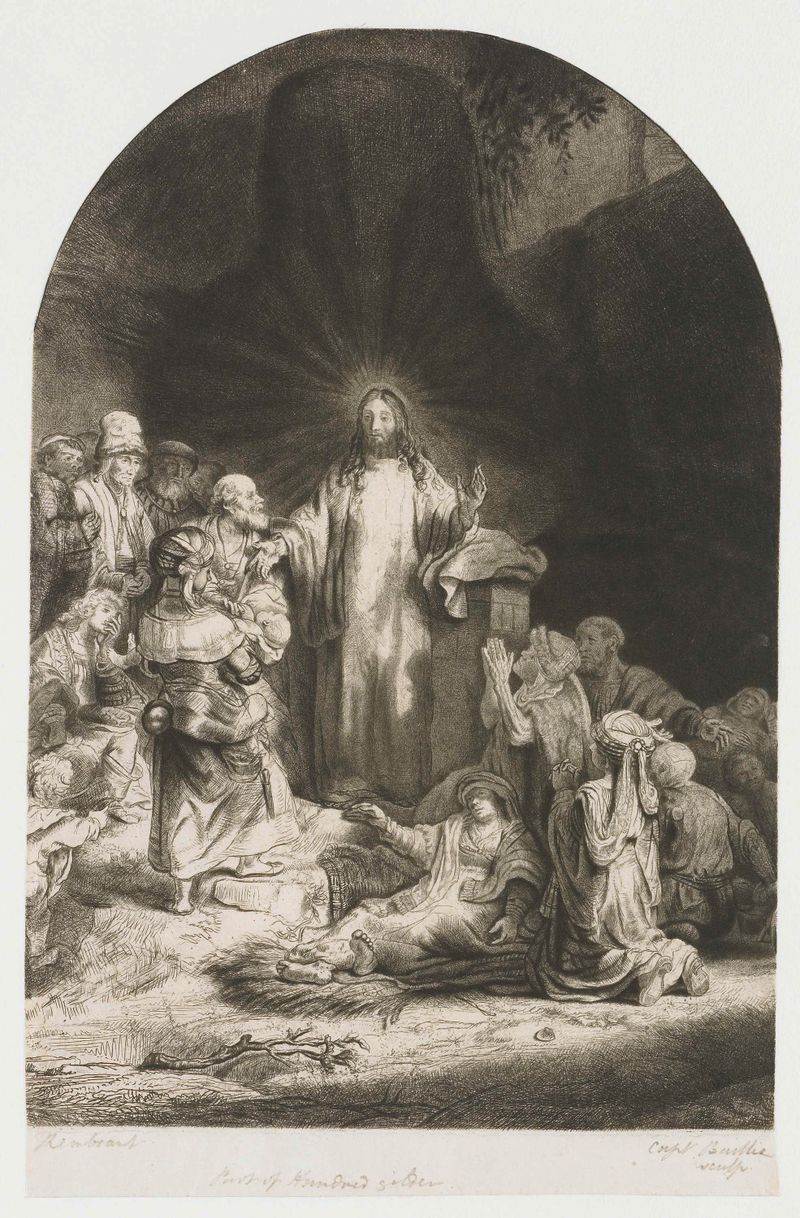
The Hundred Guilder Print: the central piece with Christ preaching, the plate arched
Rembrandt van Rijn

The Hundred Guilder Print: the man seen on the back in the lower left corner
Rembrandt van Rijn
More Religious Art
Browse all →The Return of the Prodigal Son
Rembrandt van Rijn

The Garden of Earthly Delights
El Bosco

Count Orgaz’ funeral
El Greco
The Hundred Guilder Print: the central piece with Christ preaching, the plate arched
Rembrandt van Rijn

The Descent from the Cross
Rogier van der Weyden
The return of the prodigal son
Rembrandt van Rijn