
Opwekking van Lazarus — History & Facts
Can beauty exist without sorrow? In Opwekking van Lazarus, a vivid dialogue unfolds between life and death, where the vibrancy of color becomes a poignant reflection of the human experience. Look to the left where Lazarus emerges from the shadows, his pale form striking against the rich, warm hues of the surrounding figures. The dramatic interplay of light and dark draws the eye inward, highlighting the expressions of awe and disbelief on the faces of those witnessing his resurrection. Notice how the artist deftly layers deep reds and vivid golds, using color to evoke a sense of divine intervention that saturates the scene with both hope and dread. In this moment, the contrasting emotions are palpable; the joy of resurrection is shadowed by the sorrow of loss.
The figures surrounding Lazarus serve as a reminder of the fragility of life, their varied reactions encapsulating a spectrum of human emotion. The colors, vibrant yet tinged with darkness, suggest that beauty is eternally intertwined with sorrow, creating a powerful narrative that resonates deeply. Created between 1630 and 1631, Opwekking van Lazarus emerged during a period of significant religious and artistic transformation in the Netherlands. Lievens, alongside his contemporaries, was influenced by the Counter-Reformation's emphasis on emotional intensity and dramatic storytelling in art.
This piece reflects not only his personal evolution as an artist but also the societal fascination with themes of faith, resurrection, and the human condition during a tumultuous time.
More Artworks by Jan Lievens
Browse all →
Portret van Joost van den Vondel
Jan Lievens
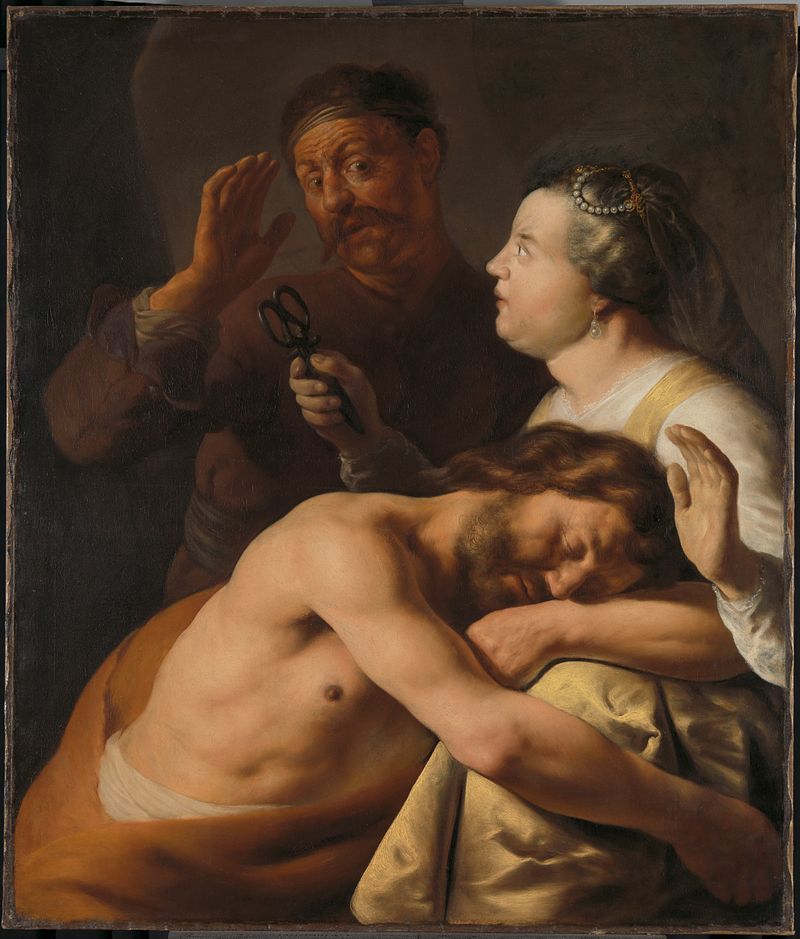
Samson and Delilah
Jan Lievens

Portret van Joost van den Vondel
Jan Lievens
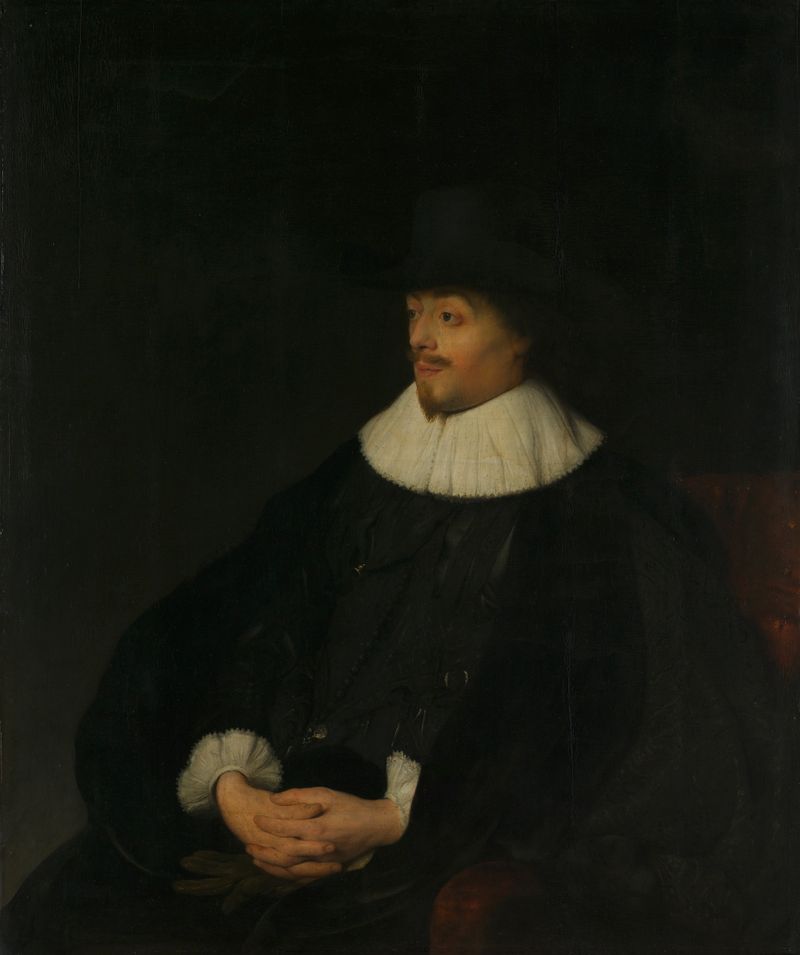
Portrait of Constantijn Huygens
Jan Lievens
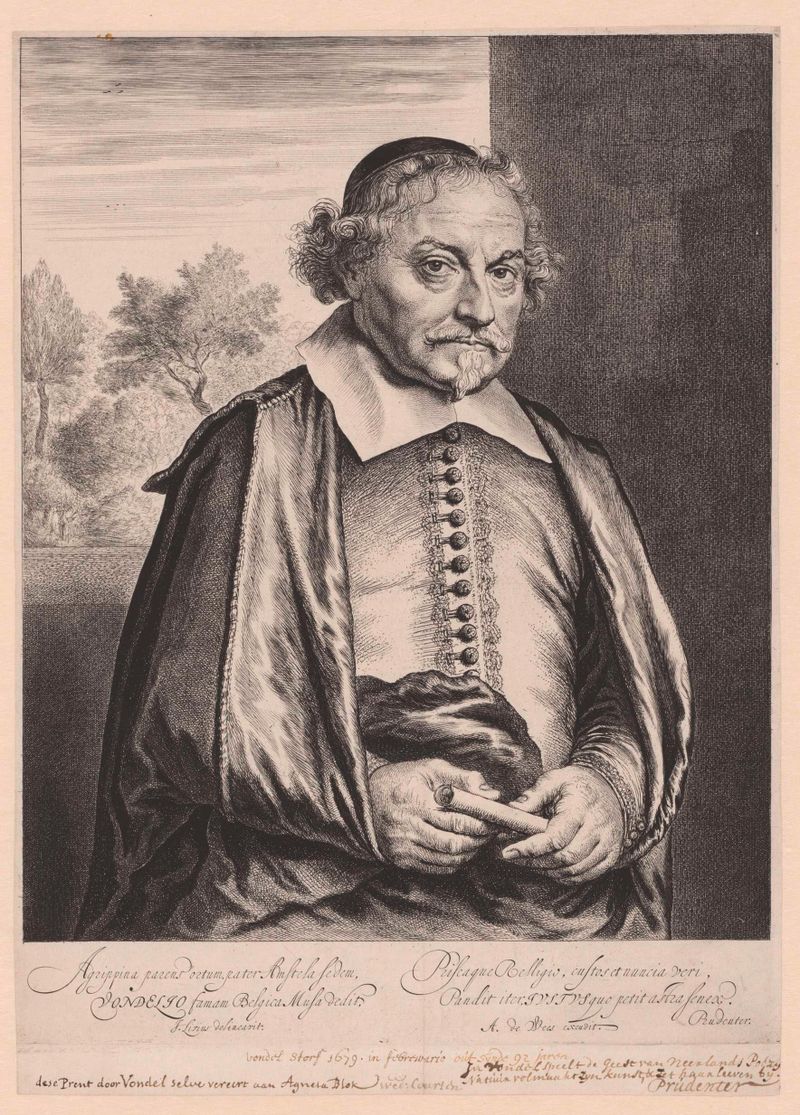
Portret van Joost van den Vondel
Jan Lievens

Portret van Joost van den Vondel
Jan Lievens

Christ Washing the Disciples' Feet
Jan Lievens
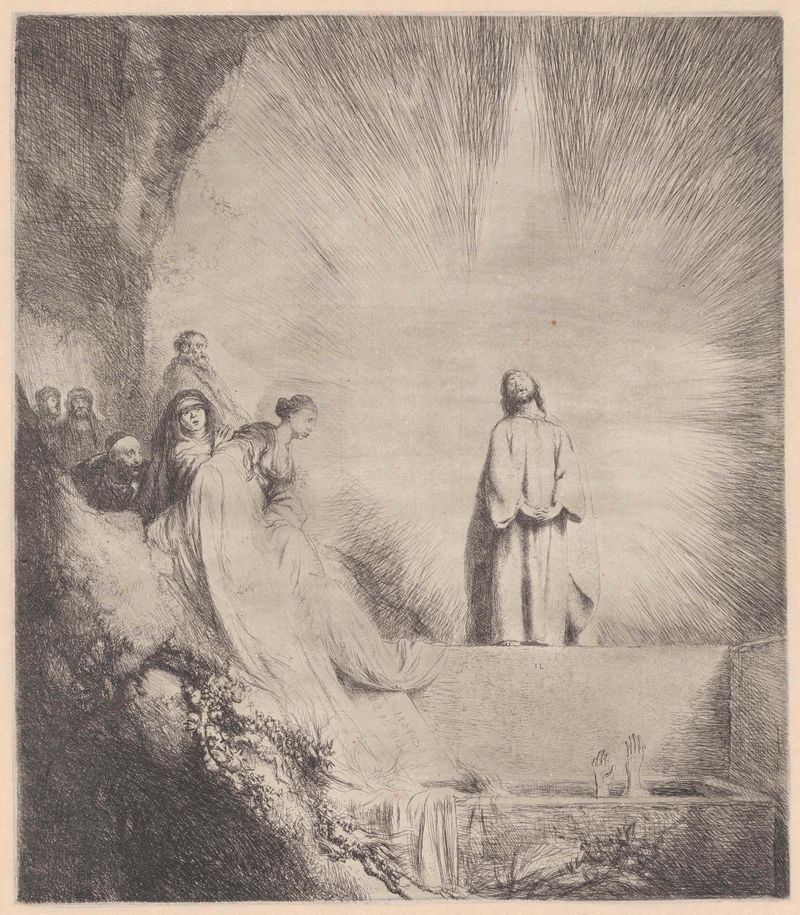
Opwekking van Lazarus
Jan Lievens
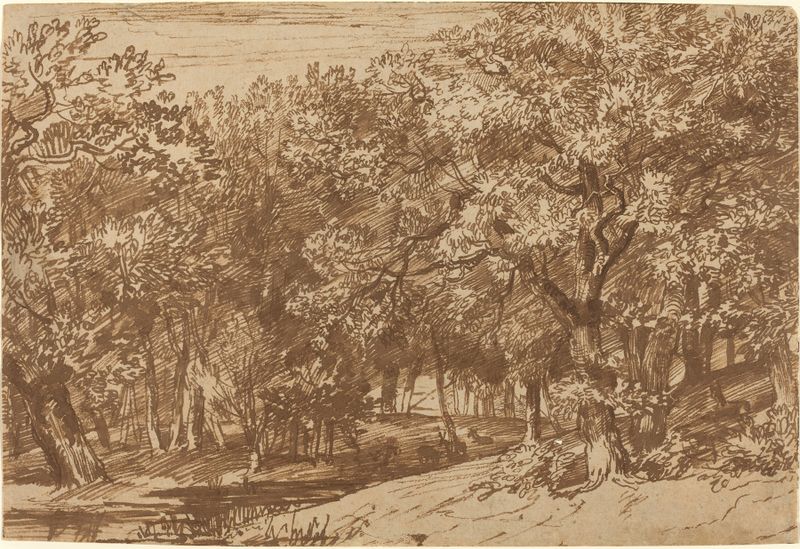
Deer Park
Jan Lievens
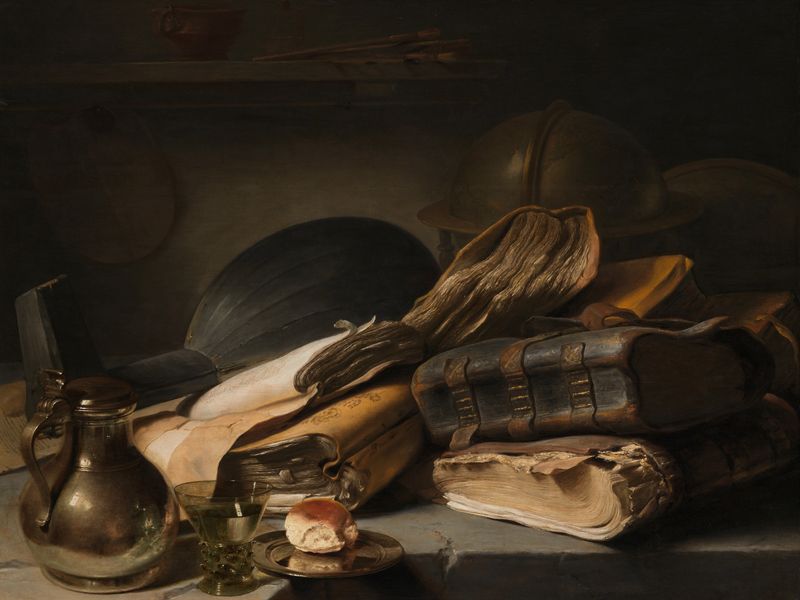
Still Life with Books
Jan Lievens
More Religious Art
Browse all →
The Return of the Prodigal Son
Rembrandt van Rijn

The Garden of Earthly Delights
El Bosco

Count Orgaz’ funeral
El Greco

The Hundred Guilder Print: the central piece with Christ preaching, the plate arched
Rembrandt van Rijn

The Descent from the Cross
Rogier van der Weyden

The return of the prodigal son
Rembrandt van Rijn